The latest findings from Yello’s annual State of Campus Recruiting Survey reveal a complex and often contradictory landscape for early talent acquisition, where artificial intelligence has paradoxically amplified application volume while simultaneously diminishing candidate quality, creating an unforeseen surge in administrative workload for recruiters. This comprehensive survey, conducted from December 2025 to February 2026, gathered insights from hundreds of campus recruiters, early talent leaders, and submissions related to National Intern Day, painting a clear picture of an industry grappling with innovation, increasing demands for measurable outcomes, and persistent operational bottlenecks.
The AI Paradox: Surging Volume, Dwindling Quality
A central theme emerging from the 2026 survey is the double-edged sword of AI-assisted tools in the initial stages of talent acquisition. The vast majority of respondents indicated that while AI has undeniably increased their application volume, this surge has not translated into a higher caliber of candidates. Instead, it has inadvertently generated a significant increase in administrative tasks for recruiting teams, who are now forced to sift through an even larger pool of unsuitable applications. This phenomenon suggests that current AI implementations, particularly those focused on broad reach and automated application processes, may be optimizing for quantity over quality, thereby exacerbating existing challenges rather than alleviating them.
Recruiters are spending an inordinate amount of time on what many describe as "digital dead ends." A substantial majority of respondents reported that fewer than half of their applicants possess the requisite qualifications to advance in the hiring process. This inefficiency is further compounded by a pervasive issue: the widespread encounter with AI-generated misrepresentation within candidate materials. This could range from subtly enhanced resumes to entirely fabricated experiences, making the discernment of genuine talent increasingly difficult. As a result, teams are dedicating a disproportionate amount of time to filtering out unqualified candidates and meticulously verifying credentials, leaving precious little time for meaningful engagement with the truly promising individuals who are a genuine fit for their organizations. Industry analysts suggest this trend points to a critical need for more sophisticated AI tools that can accurately assess candidate quality and authenticity, rather than merely facilitating higher submission rates.
Untapped Potential: Strategic AI for Enhanced Recruiting
Despite the current frustrations, early talent teams are only just beginning to explore the transformative potential of AI. Presently, the adoption and application of AI tools in campus recruiting are largely concentrated in foundational areas such as candidate sourcing and automated communications. While these applications offer foundational efficiencies, they barely scratch the surface of what AI could achieve in addressing the most significant pain points within the recruitment lifecycle.
Significant opportunities lie in leveraging AI to tackle the parts of recruiting that most strain human teams. This includes the development of purpose-built AI solutions designed specifically to surface best-fit candidates from the increasingly bloated applicant pools that current AI tools often create. Imagine AI algorithms capable of analyzing vast datasets of resumes, academic records, project portfolios, and even extracurricular activities to pinpoint candidates whose profiles align precisely with organizational needs and cultural values, going beyond mere keyword matching.
Furthermore, AI holds immense promise in automating tedious, time-consuming logistical tasks such as interview scheduling and follow-up communications. These are areas that, while critical, consume a considerable portion of a recruiter’s day, diverting attention from more strategic engagement. By automating these processes, recruiters could free up invaluable time to focus on building relationships, conducting deeper evaluations, and providing a more personalized candidate experience. Another critical application for AI lies in helping recruiters prioritize high-intent students. By analyzing engagement data, application patterns, and interactions, AI could flag candidates who demonstrate a strong, sustained interest in a particular role or company, allowing recruiters to allocate their limited time and resources more effectively.
Experts in talent technology emphasize that for AI to truly "move the needle" in campus recruiting, it must be purpose-built. This means developing AI systems specifically tailored to the unique volume, rapid pace, and inherent complexities of campus recruiting environments, rather than simply adapting generic HR tech solutions. Such specialized AI could offer predictive analytics, deeper candidate insights, and streamlined workflows that are currently beyond the capabilities of most existing tools.
Shifting Goalposts: The Imperative for Measurable ROI
The landscape of campus recruiting is also undergoing a significant strategic reorientation, driven by intensified scrutiny from corporate leadership. The survey revealed that a staggering 93% of respondents reported that their event goals have fundamentally changed compared to previous years. This shift reflects a broader organizational imperative to demonstrate tangible returns on investment (ROI) from all talent acquisition efforts. More than half of the respondents indicated that leadership pressure to prove ROI has notably increased, signaling a move away from simply tracking activity metrics to demanding evidence of strategic impact.
Leadership is no longer content with vague or generalized outcomes; instead, executives are asking pointed, data-driven questions. Topping the list of metrics that executives care about most are internship conversion rates and offer acceptance rates. These specific indicators directly reflect the success of recruiting efforts in translating initial engagement into long-term talent pipelines and successful hires. The increased focus on these metrics underscores a recognition that campus recruiting is not merely a pipeline filler but a critical strategic investment in future leadership and specialized talent. Economic pressures, coupled with a highly competitive global talent market, have likely contributed to this heightened demand for accountability, forcing recruiting teams to adopt more rigorous measurement frameworks and articulate their value proposition in quantifiable terms.
Operational Hurdles: The Scarcity of Resources Amidst High Demands
Despite the clear understanding among campus recruiting teams of what they need to achieve, many are struggling to execute these goals effectively due to persistent resource constraints. Limited budgets and stretched teams top the list of challenges, creating a perpetual state of doing more with less. This scarcity of resources is compounded by internal misalignment, which often slows teams down even before the busy recruiting season commences. Lack of clarity on priorities, conflicting departmental objectives, or inefficient cross-functional collaboration can significantly impede progress.
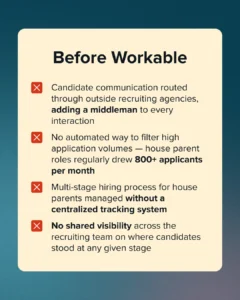
The survey pinpointed several critical operational bottlenecks that continue to plague recruiting efforts. Interview scheduling and execution remain a major hurdle, consuming vast amounts of administrative time and often leading to delays that can result in losing top candidates to faster-moving competitors. Similarly, pipeline building, the ongoing process of identifying, nurturing, and maintaining relationships with potential future hires, is consistently cited as a significant operational bottleneck. These challenges highlight a disconnect between strategic aspirations and operational realities, suggesting a pressing need for improved tools, streamlined processes, and potentially increased staffing to support the ambitious goals being set.
When asked what they would invest in if budget were not a constraint, the responses vividly illuminated the existing gaps and revealed which efforts have already proven their value. The most frequently cited areas for increased investment included advanced recruiting technology (specifically tailored AI and CRM platforms), additional team members to alleviate workload, comprehensive training programs for recruiters, and enhanced marketing and branding initiatives to better attract and engage top talent. This wishlist underscores a fundamental desire for more sophisticated infrastructure and human capital to meet the escalating demands of modern campus recruiting.
Beyond the Offer: Sustaining Engagement and Conversion
The challenges for campus recruiting teams do not cease once an offer has been extended. The journey from initial contact to successful integration into the company is fraught with its own set of hurdles. Converting interns to full-time roles, a key metric for leadership, requires sustained effort and strategic engagement throughout the internship period. Ensuring a positive and impactful internship experience is paramount to securing a high conversion rate, yet this often requires resources and dedicated mentorship that are not always readily available.
Furthermore, keeping candidates engaged from the moment an offer is accepted through to their actual day one on the job presents another significant challenge. In a highly competitive market, candidates often receive multiple offers, and the period between acceptance and start date can be an anxious one, filled with opportunities for candidates to be swayed by competing offers or develop cold feet. Effective communication, continued engagement activities, and a robust onboarding experience are crucial to mitigating "ghosting" or last-minute withdrawals, ensuring that the substantial investment made in recruiting translates into actual hires. These post-offer challenges underscore the need for a holistic talent acquisition strategy that extends beyond the initial hiring phase, embracing a continuous candidate relationship management approach.
A Strategic Pivot: From Activity to Outcomes
The overarching strategic shift evident in the survey data is a clear move towards proving outcomes over merely accumulating activity. The priorities identified for 2026 reflect a concerted effort to demonstrate the tangible impact of recruiting initiatives on organizational success. This means moving beyond metrics like the number of events attended or resumes collected, and instead focusing on quantifiable results such as offer acceptance rates, retention rates of new hires, diversity metrics, and the quality of hires as measured by performance reviews.
While this strategic pivot is well underway, the survey highlights a significant impediment: most teams are navigating this shift "blind" without the right tools and data. Without robust analytics platforms, integrated CRM systems, and AI-powered insights, recruiters struggle to accurately measure the effectiveness of their efforts, identify areas for improvement, and justify their strategies to leadership. The absence of comprehensive data infrastructure makes it challenging to correlate specific recruiting activities with desired outcomes, thus hindering continuous improvement and strategic adaptation.
Methodology and Broader Implications
The data underpinning these insights was meticulously collected during Yello’s annual State of Campus Recruiting Survey, a benchmark report widely recognized within the early talent acquisition community. The survey’s methodology involved soliciting responses from a diverse group of stakeholders, including dedicated campus recruiters who manage day-to-day operations, early talent leaders who set strategic direction, and contributions derived from National Intern Day initiatives, providing a holistic perspective on the challenges and opportunities in the field. The survey window, spanning from December 2025 to February 2026, ensured that the findings reflect the most current sentiments and projections for the upcoming recruiting cycle. Yello, a prominent provider of talent acquisition software, leverages its deep industry expertise to conduct this survey, making its findings particularly relevant and influential for shaping best practices in campus recruiting.
The implications of these findings are profound for the future of early talent acquisition. The industry is at a critical juncture, balancing the promise of technological advancement with the enduring need for human connection and strategic insight. While AI offers immense potential to streamline processes and enhance efficiency, its current application requires refinement to ensure it truly supports, rather than burdens, recruiters. The increasing demand for ROI necessitates a more data-driven, outcome-focused approach, requiring significant investment in both technology and training. Ultimately, successful campus recruiting in 2026 and beyond will hinge on the ability of organizations to strategically integrate advanced technologies, empower their recruiting teams with the right tools and resources, and foster a culture that prioritizes measurable outcomes and sustained candidate engagement from initial contact through to long-term career success.