Employee engagement programs stand as the foundational pillar of every high-performing organizational culture, a principle that, by 2026, has transcended mere belief to become a critical business strategy. When employees genuinely feel seen, heard, and appreciated, a cascade of positive outcomes — from elevated performance and improved retention to enhanced collaboration and innovation — naturally follows. This strategic imperative is underscored by compelling data, such as insights from the Achievers Engagement and Retention Report, which consistently identifies organizational culture as a leading determinant in employees’ decisions to seek opportunities elsewhere.
The Evolving Landscape: Why Engagement Matters More Than Ever
The shift in workforce expectations, dramatically accelerated by the global events of the early 2020s, has solidified employee engagement as a non-negotiable element of corporate strategy. The pandemic, in particular, forced a rapid re-evaluation of traditional work models, pushing companies towards remote and hybrid setups, and highlighting the critical need for robust digital engagement solutions. This period illuminated the fragility of company cultures not built on strong interpersonal connections and clear purpose.
Today’s workforce, increasingly dominated by Millennials and Gen Z, demands more than just a paycheck. They seek purpose, meaningful connection, and consistent recognition. A 2023 Gallup report indicated that highly engaged teams show 21% greater profitability and 17% higher productivity, alongside significant reductions in absenteeism and turnover. These figures are not just metrics; they represent a stark economic reality. Organizations that move beyond superficial engagement scores are those proactively designing programs that seamlessly integrate into diverse work environments—whether remote, hybrid, or on-site, across various regions, roles, and realities. They are building truly connected companies where recognition, constructive feedback, and a shared sense of purpose flow consistently, fostering a pervasive sense of belonging and driving tangible results.
The Economic Imperative: Quantifying the ROI of Engagement
The business impact of robust employee engagement is undeniable and quantifiable. Disengaged employees cost organizations billions annually in lost productivity, increased turnover, and decreased customer satisfaction. Conversely, companies with high engagement rates consistently outperform their peers across key financial metrics. Research by various HR analytics firms suggests that organizations with top-quartile engagement scores experience:
- 20-25% lower turnover in high-turnover industries and 25-65% lower turnover in low-turnover industries.
- 10% higher customer satisfaction ratings.
- 21% greater profitability.
- 17% higher productivity.
- 41% lower absenteeism.
- 70% fewer safety incidents.
These statistics paint a clear picture: investing in employee engagement is not merely a cost center but a strategic investment that yields significant returns, strengthening financial performance and market competitiveness.
Key Pillars of a Thriving Workforce: A Deep Dive into 14 Programs for 2026
In 2026, leading organizations are embracing this shift, actively shaping cultures around what truly matters to employees: being seen, heard, and appreciated. These 14 standout program ideas are designed to align values with behaviors, turning everyday interactions into meaningful impact:
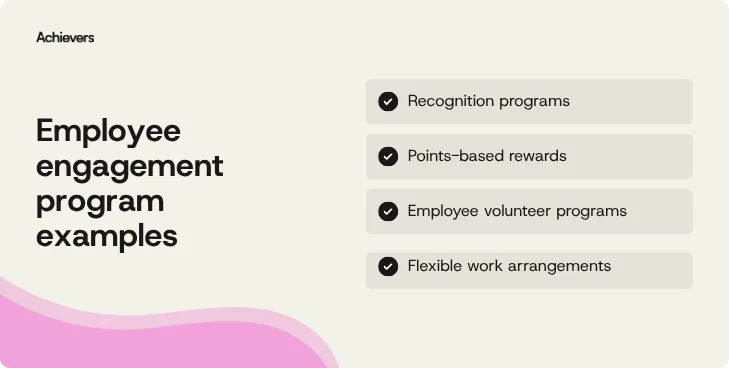
1. Recognition Programs
Employee recognition remains one of the most potent tools for shaping culture and driving performance. When employees are recognized in real-time for embodying company values and achieving results, engagement naturally escalates. This clarity helps individuals understand what truly matters and feel genuinely appreciated for their contributions. Whether through peer-to-peer accolades, leadership-sponsored awards, or informal social appreciation within daily workflows, recognition consistently reinforces desired behaviors. Modern platforms facilitate instant, public recognition, making it a ubiquitous part of the corporate ecosystem.
2. Points-Based Rewards
Rewards are most impactful when they resonate personally with the recipient. A points-based system offers this crucial personalization, empowering employees to select rewards that genuinely fit their lifestyles—be it an experiential gift, a practical item, or a well-deserved indulgence. This flexibility and personalization make points-based rewards highly scalable and manageable, while still conveying thoughtfulness and a human touch. Such systems prevent the "one-size-fits-all" trap, ensuring rewards are genuinely valued.
3. Employee Volunteer Programs
Connecting purpose to performance, employee volunteer programs offer opportunities for giving back through dedicated volunteer days, cause-based campaigns, or donation matching initiatives. These programs help employees see the broader societal impact of their work and align with something greater than individual tasks. The outcome is a fortified sense of belonging, increased pride, and cultural alignment, all of which naturally bolster engagement and foster a positive public image for the organization.

4. Flexible Work Arrangements
Workplace flexibility is now a fundamental expectation, enabling employees to perform their best work. Options such as hybrid schedules, flexible hours, or compressed workweeks grant individuals greater autonomy over their work patterns, supporting well-being, fostering trust, and reducing burnout. Organizations that champion flexibility demonstrate a commitment to designing work around people, leading to higher engagement and retention rates.
5. Mentorship Opportunities
Growth is a powerful catalyst for engagement. Mentorship programs strategically pair employees with seasoned guides who assist in skill development, navigate professional challenges, and chart future career paths. These relationships not only boost confidence and strengthen internal networks but also embed a culture where continuous learning and support are integral to daily operations, benefiting both mentor and mentee.
6. Team-Building Activities
Authentic team cohesion is forged through genuine connection, not forced interactions. Shared challenges, informal team lunches, community service projects, and initiatives led by Employee Resource Groups (ERGs) provide valuable opportunities for employees to connect on a personal level. Over time, these moments transform colleagues into collaborators, making culture a lived experience rather than a mere concept.
7. Wellness Programs
Holistic well-being is critical for sustained engagement. Contemporary wellness programs extend beyond traditional gym memberships to encompass comprehensive support for physical, mental, and emotional health. This includes access to coaching, mindfulness resources, and customizable wellness initiatives. When employees feel genuinely supported in their overall well-being, engagement naturally flourishes, leading to a healthier, more resilient workforce.
8. Charity Work
Values-driven organizations cultivate values-driven engagement. Charitable giving campaigns, fundraising events, and social impact initiatives provide employees with a shared purpose extending beyond their routine responsibilities. This collective impact strengthens culture, deepens connections, and demonstrates that the organization lives its stated values, rather than just listing them, thereby inspiring greater commitment.
9. Onboarding Programs
First impressions are crucial. A meticulously designed onboarding experience ensures new hires feel welcomed, adequately prepared, and connected from their very first day. By integrating comprehensive training, cultural immersion, and early mentorship, employees gain clarity faster, laying a strong foundation for long-term engagement and success, and significantly reducing early turnover.
10. Employee Resource Groups (ERGs)
Belonging is a cornerstone of engagement. ERGs create vital spaces for connection, advocacy, and shared experiences across diverse employee populations. Through professional development opportunities and culture-building initiatives, ERGs amplify diverse voices, transforming inclusion into a measurable organizational strength and fostering a more equitable and representative workplace.
11. Employee Voice and Feedback Loops
Engagement demonstrably improves when employees believe their voices are genuinely heard and valued. Regular check-ins, targeted pulse surveys, and always-on feedback channels provide avenues for sharing what is working and what isn’t. When organizations actively respond to feedback and communicate openly about subsequent actions, trust deepens, reinforcing a culture of continuous improvement.
12. Clear Career Pathways
Clarity is a powerful driver of commitment. When employees clearly understand their growth trajectory, the requisite skills for advancement, and the definition of success within the organization, they are far more likely to invest in their future with the company. Clear career pathways eliminate ambiguity, replacing it with a sense of purpose and forward momentum.
13. Formal Award Programs
Structured recognition programs instill consistency and credibility. Formal awards, ranging from service milestones to "culture champion" accolades, celebrate significant contributions directly tied to core organizational values. When executed effectively, these programs add focus and excitement to recognition efforts, while powerfully reinforcing the organization’s ethos.
14. Flexible Work and Meaningful Time Off
The provision of ample time off and flexible work options is no longer a perk but an expectation. Flexible schedules, robust Paid Time Off (PTO) policies, and options like paid volunteer time off enable employees to effectively manage work-life integration without succumbing to burnout. When employees feel trusted and supported in maintaining this balance, they remain engaged, resilient, and proud of their workplace.
Strategic Implementation: Choosing and Scaling Programs Effectively
The effectiveness of an employee engagement program is not universal; it hinges on the specific dynamics of each organization’s workforce, its strategic objectives, and the unique manifestations of engagement within its daily operations. To select programs that genuinely move the needle, leaders must prioritize several key considerations:
- Start with Your Workforce Reality: Programs must be designed to reflect the diverse ways and locations in which employees work. Frontline, hybrid, global, and desk-based teams experience connection differently. Programs must be universally accessible and relevant across all roles, locations, and schedules to ensure consistent engagement.
- Be Clear on the Problem You’re Solving: Different programs address different needs. Recognition boosts performance, feedback identifies risks, and career pathways support long-term growth. Clarity on the primary objective prevents "initiative overload" and ensures programs are complementary rather than competitive.
- Prioritize Consistency Over Novelty: Long-term value outweighs initial excitement. Engagement improves through repeated, visible experiences embedded in daily work, not through one-off events. Sustainable programs foster habits, not fleeting hype.
- Design for Scale, Not Perfection: Effective engagement strategies focus on programs that can consistently scale connection as the organization evolves. If a program only benefits a segment of the workforce, its design or support mechanisms require re-evaluation to ensure broader impact.
- Look for Connection, Not Just Participation: High participation metrics do not automatically equate to high engagement. The most impactful programs cultivate a profound sense of being seen, heard, and appreciated by peers, leaders, and the organization at large. Genuine connection naturally leads to sustained engagement.
The Power of Voice: Leveraging Feedback for Continuous Improvement
Employee feedback is not merely a listening exercise; it is the essential blueprint for strategic action. When employees witness their input driving tangible change, trust deepens, and engagement flourishes. While perfection is not expected, being heard is. Organizations that demonstrate the value of employee feedback foster more engaged, aligned, and contributing workforces.
Leading organizations transform employee voice into a powerful force for stronger, more responsive cultures by:
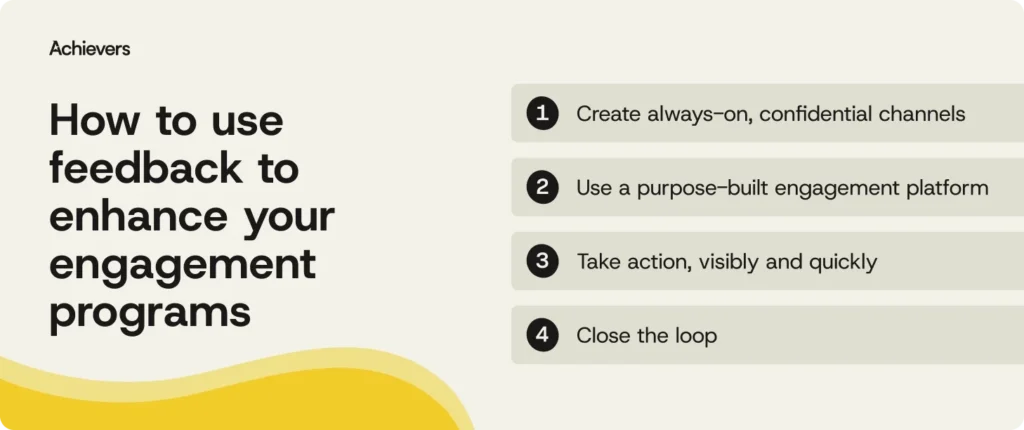
- Creating Always-On, Confidential Channels: Feedback mechanisms, from targeted surveys to digital suggestion boxes and HR chatbots, must be effortless, accessible, and secure. Offering multiple confidential touchpoints signals that input is welcome at any time, not just during formal review periods.
- Utilizing a Purpose-Built Engagement Platform: Beyond mere data collection, a modern employee engagement platform integrates surveys, sentiment analytics, and feedback history to pinpoint the true drivers of engagement or disengagement. This precise insight empowers leaders to act swiftly and strategically.
- Taking Visible and Prompt Action: Few things erode employee engagement faster than unaddressed feedback. When concerns regarding workload, team dynamics, or resource gaps are raised, leaders must respond with clarity, empathy, and urgency. Action, rather than mere acknowledgment, is the true catalyst for cultural transformation.
- Closing the Loop: Transparency is paramount for building trust. Organizations must communicate what they heard, what actions they are taking, and the rationale behind those actions. Whether implementing new training, updating policies, or allocating additional resources, clear communication transforms feedback into a shared success story, reinforcing the value of employee contributions.
Defining Success: Essential Elements of Impactful Engagement Strategies
Launching engagement programs is only half the battle; sustaining them requires deliberate intent, strategic alignment, and a culture that genuinely prioritizes its people. When the right environment underpins the right initiatives, employees don’t just show up; they arrive inspired, connected, and eager to contribute.
Eight critical elements distinguish successful engagement programs:
- Clear, Human Communication: Open and consistent communication builds trust and keeps everyone aligned. Regular pulse surveys, all-hands updates, and one-on-one check-ins ensure employees feel informed, heard, and valued.
- A Mission Employees Can See Themselves In: Employees thrive when connected to a larger purpose. A clear mission and strong values transform daily tasks into meaningful contributions, fostering shared momentum.
- Accountability That Empowers Growth: High-performing cultures set clear expectations, provide regular feedback, and celebrate progress. When employees understand performance metrics and receive continuous support, they remain motivated and focused.
- Recognition That’s Frequent and Meaningful: Recognition is a powerful behavior-shaping tool that drives productivity, performance, and retention. Consistent, meaningful appreciation from peers, leaders, and teams significantly boosts engagement and loyalty.
- Leadership That Lifts: Strong leaders demonstrate empathy, recognition, and clarity. They model desired behaviors and create space for others’ growth, building trust and cultures that scale positively.
- Continuous Development: Opportunities for mentorship, upskilling, and stretch assignments signal an investment in employees’ present and future. This commitment builds loyalty and keeps top talent engaged.
- Culture That Creates Belonging: Engagement flourishes in environments where individuals feel safe to voice ideas, take calculated risks, and bring their authentic selves to work. A strong, inclusive culture is a significant competitive advantage.
- Purpose-Driven Impact: Employees are increasingly concerned with their company’s ethical stance and societal contributions. Programs supporting community involvement, sustainability, and ethical practices instill pride and meaning beyond the job description.
- Connection Across Roles, Regions, and Realities: Great engagement programs consistently connect global, hybrid, and frontline employees. This requires real-time recognition for frontline teams, communication that transcends time zones, and inclusive experiences regardless of role, location, or schedule.
Enterprise-Level Considerations: Navigating Complexity at Scale
At an enterprise scale, engagement programs do not exist in isolation. They must integrate across multiple systems, diverse regions, and varied employee populations. For long-term efficacy, these programs must be architected with scalability, trust, and seamless integration as core design principles, rather than as afterthoughts. This involves:
- Robust Technology Infrastructure: Platforms must support vast user bases, complex organizational structures, and diverse language requirements.
- Data Security and Privacy: Ensuring compliance with global data protection regulations (e.g., GDPR, CCPA) is paramount to building employee trust.
- Cultural Adaptability: Programs need to be culturally sensitive and adaptable to resonate with employees across different national and regional contexts.
- Leadership Buy-in and Training: Consistent messaging and active participation from senior leadership are crucial for embedding engagement initiatives across the entire organization.
- Integration with Existing HR Systems: Seamless integration with HRIS, performance management, and learning platforms prevents data silos and enhances user experience.
Looking Ahead: The Future of People-Centric Organizations
As organizations navigate 2026 and beyond, the most successful will be those that transcend a mere "check-the-box" approach to engagement, instead choosing to lead with it. They are actively constructing cultures rooted in authentic recognition, meaningful flexibility, continuous growth, and a shared sense of purpose. When employees feel genuinely seen, supported, and aligned with organizational goals, they do not merely perform their duties; they show up inspired, connected, and ready to contribute at their highest potential.
Companies like Achievers are at the forefront of this transformation, providing platforms engineered for frequent recognition, global scalability, and measurable results. These tools empower organizations to sculpt their workforce dynamics, fostering meaningful moments that collectively drive lasting impact. Building a workplace culture where people not only thrive but also propel performance forward is the defining characteristic of tomorrow’s market leaders.