A robust employee recognition program is no longer merely a human resources perk but a strategic imperative that underpins organizational growth and resilience. In an era defined by rapid change, talent scarcity, and evolving workforce expectations, recognition serves as a potent mechanism for leaders to intentionally reinforce core values, sustain employee engagement, and enhance talent retention, even as operational demands escalate.
Employee recognition transforms the transactional nature of "just a job" into a vibrant environment where individuals are not only motivated but genuinely desire to contribute their best work. Data from the 2026 State of Employee Recognition Report, which surveyed 3,000 employees globally, reveals a compelling link: 32% of employees directly attribute recognition to increased productivity. This statistic underscores that investing in and thoughtfully constructing a recognition program yields tangible impacts on behaviors that are critical to overall performance and business outcomes.
The Evolving Landscape of Workforce Appreciation
The traditional landscape of employee recognition, once dominated by annual awards ceremonies and sporadic managerial praise, has undergone a profound transformation. Modern recognition is characterized by its continuous, inclusive, and integrated nature, reflecting a deeper understanding of human psychology and organizational dynamics. This shift has been accelerated by several key trends:
- The Great Reshuffle: Post-pandemic, employees are re-evaluating their relationship with work, seeking greater purpose, flexibility, and appreciation. Organizations that fail to acknowledge and value their workforce risk significant talent drain.
- Hybrid and Remote Work Models: With teams increasingly dispersed, informal "water cooler" recognition has diminished. Formal, accessible recognition platforms become crucial for maintaining connection and visibility across diverse work environments.
- Emphasis on Employee Experience (EX): Recognition is a cornerstone of a positive EX, directly influencing employee satisfaction, well-being, and loyalty. It contributes significantly to an organization’s employer brand, making it more attractive to prospective talent.
- Demand for Psychological Safety: Feeling seen, heard, and valued fosters psychological safety, encouraging employees to take risks, innovate, and speak up without fear of reprisal. Recognition is a powerful tool for cultivating this environment.
Against this backdrop, organizations are recognizing that a "set it and forget it" approach to appreciation is insufficient. Instead, successful employee recognition programs are meticulously designed and continuously refined, combining strategic foresight with active participation and a commitment to ongoing improvement.
Core Pillars of an Effective Recognition Strategy
Building a high-impact employee recognition program is a methodical process, not an overnight endeavor. The most effective programs adhere to a clear, repeatable framework that integrates strategy, broad participation, and continuous refinement. These are the fundamental steps organizations must follow to establish and scale recognition with meaningful impact:
1. Define Clear Objectives: The foundation of any successful program is a clear understanding of its purpose. Whether the goal is to boost engagement, reinforce corporate values, mitigate turnover, or enhance customer satisfaction, well-defined objectives ensure the program is intrinsically linked to broader business outcomes. Key Performance Indicators (KPIs) such as participation rates, recognition frequency, and correlation with employee retention or productivity metrics should be established from the outset.
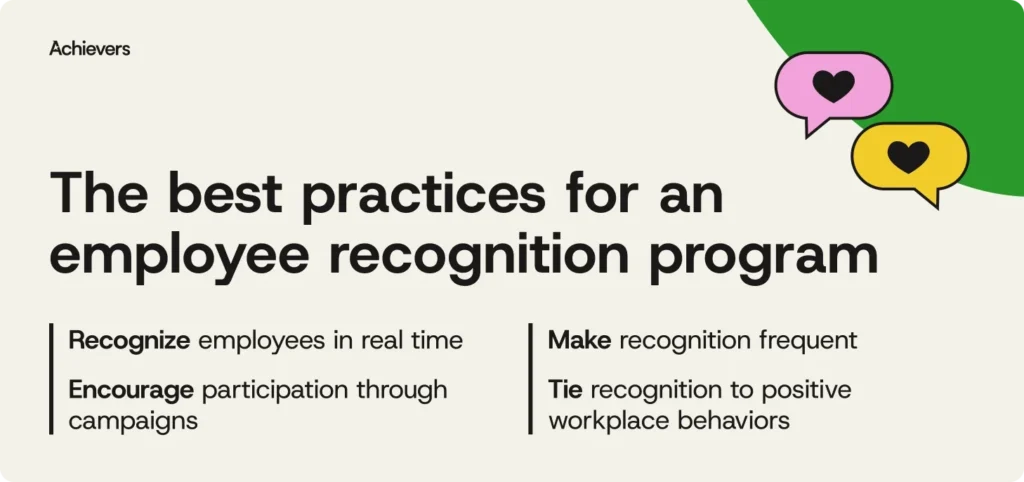
2. Align Recognition with Behaviors and Values: Recognition gains maximum potency when it directly highlights actions and contributions that embody the organization’s core values and strategic priorities. Each moment of appreciation should articulate what "great" looks like in practice, providing concrete examples that guide and inspire other employees. This direct linkage ensures that recognition is not merely a feel-good gesture but a powerful tool for cultural reinforcement and behavioral shaping.
3. Foster Frequent, Peer-to-Peer Recognition: Programs become exponentially more effective when recognition is timely, inclusive, and distributed across all levels of the organization. Empowering employees to recognize their colleagues significantly increases participation and embeds appreciation into the fabric of daily work. Peer recognition is particularly powerful because it acknowledges contributions that might otherwise go unnoticed by management and builds stronger team cohesion. Research indicates that employees recognized monthly by their peers are twice as likely to feel a strong sense of belonging and trust.

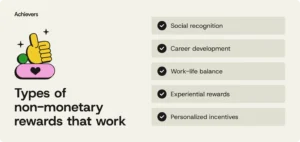
4. Integrate Social Recognition with Meaningful Rewards: A balanced approach combines the connective power of public social recognition with the motivational impact of tangible rewards. Public recognition, shared across teams and departments, builds visibility, strengthens connections, and amplifies positive behaviors. Monetary or experiential rewards, on the other hand, provide a concrete acknowledgment of impact, reinforcing motivation and providing lasting value. A global rewards marketplace, offering diverse choices, ensures relevance and desirability across a varied workforce.
5. Ensure Ease of Use and Accessibility: Frictionless participation is paramount. Recognition systems should be seamlessly integrated into the tools employees already use daily, such as Slack, Microsoft Teams, Outlook, or HRIS platforms like Workday. The easier it is for employees to give and receive recognition, the higher the adoption rate and the more consistently it will be utilized. Complexity is the enemy of engagement in this context.
6. Measure, Learn, and Optimize Continuously: Effective recognition programs are data-driven. Organizations must track key metrics, including participation rates, frequency of recognition, and the impact on strategic outcomes like engagement scores, retention rates, and even customer satisfaction metrics. Ongoing analysis of these insights enables organizations to refine their approach, identify areas for improvement, and continually strengthen the program’s overall effectiveness and ROI.
When these best practices are consistently applied, recognition transcends a simple HR function to become a powerful driver of organizational culture, performance, and profound employee connection. Platforms that unify recognition, rewards, and actionable insights are instrumental in scaling this impact across even the largest and most geographically dispersed workforces.
Addressing Common Challenges in Recognition Programs
Even with the best intentions, employee recognition programs frequently encounter obstacles that limit their effectiveness. Understanding these common challenges is the first step toward building a more resilient and impactful system:
1. Infrequent Recognition: Many programs suffer from being reserved for annual reviews, major milestones, or specific holidays. Employees require regular, timely feedback to understand what they are doing well and which behaviors are most valued. Delayed recognition loses its relevance and impact, diminishing its motivational power.
2. Limited Participation: When recognition is primarily a top-down initiative, participation is inherently limited. Managers cannot observe every valuable contribution, especially in complex or distributed environments. This oversight leads to many significant moments of effort and achievement going unnoticed.
3. Perceived as "Extra Work": If giving recognition requires employees to navigate cumbersome processes, switch between multiple platforms, or invest significant time, adoption rates will inevitably plummet. Recognition must feel effortless and integrated into the natural flow of work.
4. Insufficient Visibility: Private appreciation, while meaningful in personal contexts, often fails to capitalize on the broader cultural benefits of recognition. Public visibility allows employees across the organization to learn from and emulate successful behaviors, reinforcing positive norms and celebrating collective achievements.
5. Misaligned Rewards: Rewards that do not resonate with employee preferences or cultural norms can undermine the entire program. A "one-size-fits-all" approach to rewards often leads to dissatisfaction, as what one employee values, another may find irrelevant. Flexibility and choice are critical.

6. Difficulty in Measuring Success: Without clear metrics and a systematic approach to data collection, organizations struggle to quantify the impact of their recognition efforts. This makes it challenging to demonstrate ROI, secure ongoing executive buy-in, or identify areas for program optimization.
Preventing Bias in Employee Recognition
Bias, both conscious and unconscious, can subtly undermine the fairness and effectiveness of recognition programs. To ensure equitable recognition and prevent the perpetuation of existing inequalities, specific strategies must be implemented:
1. Make Recognition Everyone’s Responsibility: Decentralizing recognition from solely managerial discretion to a peer-to-peer model significantly reduces dependence on a single perspective. When colleagues across teams and departments can recognize each other, a wider array of contributions, work styles, and roles are more likely to be acknowledged.
2. Tie Recognition to Clear, Specific Behaviors: Vague praise like "great job" offers little insight and is more susceptible to subjective interpretation. Recognition should clearly articulate what the employee did, how it aligns with company values or objectives, and why it mattered. Establishing consistent criteria for recognition minimizes the influence of personal preferences and promotes objective evaluation.
3. Provide Training on Meaningful Recognition: Educating employees and managers on the principles of effective recognition is crucial. Training should cover how to craft specific and impactful recognition messages, how to connect recognition to core company values, and the importance of recognizing contributions from outside one’s immediate team or social circle.
4. Leverage Technology for Equitable Recognition: Advanced recognition platforms can play a pivotal role in preventing bias. These systems offer visibility into recognition patterns, allowing HR leaders to identify potential gaps or imbalances in who is being recognized, by whom, and for what. This data-driven approach enables proactive adjustments to ensure more balanced and fair distribution of appreciation across the entire workforce.
The Indisputable Business Case for Employee Recognition
Beyond the emotional benefits of appreciation, the business case for a well-executed employee recognition program is compelling and quantifiable. It is a strategic investment with significant returns on performance, culture, and talent management.
Enhancing Business Results: Recognition is demonstrably linked to improved business performance. When employees feel valued, their motivation, commitment, and productivity surge. Employee recognition statistics consistently highlight these correlations:
- Companies with effective recognition programs experience significantly higher employee engagement and lower frustration rates. Some industry analyses suggest a 14% higher engagement and 28% lower frustration.
- Organizations with a strong culture of recognition report lower employee turnover, with some studies indicating a reduction of over 30% compared to those with weak recognition practices. This directly impacts recruitment costs and institutional knowledge retention.
- Recognition fosters a culture of innovation and continuous improvement, as employees feel safe to contribute ideas and go above and beyond.
- It positively impacts customer satisfaction, as engaged and appreciated employees are more likely to deliver exceptional service.
Improving Organizational Culture: Culture is the bedrock of organizational success, and recognition is its primary sculptor. When employees feel connected to their work, their peers, and their leadership, they are intrinsically motivated to deliver their best. Gallup’s research consistently shows that managers account for 70% of the variance in employee engagement and 72% of the variance in retention, underscoring the critical role of leadership in fostering a culture of appreciation. A robust recognition program cultivates trust, psychological safety, and a shared sense of purpose, leading to a more collaborative, resilient, and high-performing environment.
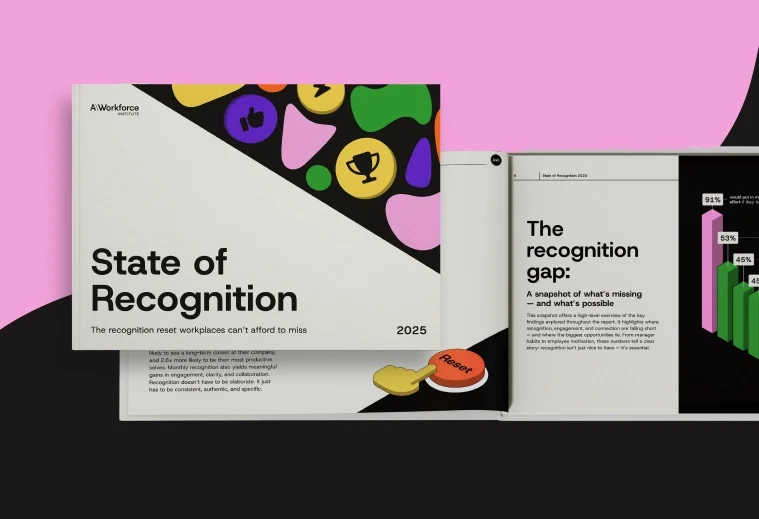
Securing Executive Buy-in: To secure and maintain executive support, employee recognition must be framed not as a discretionary HR expense but as a strategic investment with clear ROI. Research from the Achievers Workforce Institute (AWI) provides compelling data:
- Leaders who prioritize employee experience (which recognition is central to) are 1.9 times more likely to report higher profitability.
- These same leaders are 2.5 times more likely to report higher stock market performance.
- A strong recognition culture is a significant competitive differentiator in the war for talent, enhancing an organization’s ability to attract and retain top performers.
By translating the benefits of recognition into tangible business metrics – reduced turnover costs, increased productivity, enhanced innovation, and improved profitability – HR leaders can effectively advocate for and sustain executive commitment to these vital programs.
Best Practices for International and Global Recognition Programs
For multinational corporations, designing a recognition program presents unique complexities. A truly global program must deliver a unified experience rooted in shared organizational values while simultaneously empowering regional teams to adapt recognition in culturally authentic ways.
1. Build a Shared Global Foundation:
- Universal Values: Establish a set of core company values that resonate universally and provide a consistent framework for "good work" across all regions, allowing for local expression.
- Clear Expectations: Define clear criteria for recognition that are understood across diverse cultures, minimizing ambiguity and building trust in the program’s fairness.
- Consistent System, Local Expressions: Utilize a centralized platform for program administration and measurement, but grant regional teams the autonomy to tailor messaging, reward choices, and communication styles to suit local cultural nuances.
2. Ensure Cultural Relevance and Local Meaning:
- Regional Input: Involve local HR teams and people leaders in the design and execution phases. Their insights are invaluable in ensuring the program feels natural and meaningful within their specific cultural contexts.
- Adaptable Messaging and Celebration Styles: Recognize that appreciation manifests differently across cultures. Some cultures prefer public accolades, while others favor private acknowledgments. The program should allow for flexibility in delivery and tone.
- Locally Relevant Rewards: The desirability of rewards varies significantly by region. Offering a global rewards marketplace with diverse, locally relevant options (e.g., gift cards to local retailers, cultural experiences) ensures that rewards are genuinely valued.
3. Guarantee Equity and Access Across the Globe:
- Accessible Tools and Channels: Provide recognition tools that are easily accessible to all employees, regardless of their role, location, or technological access (e.g., mobile apps, integrations with common workflow tools, options for frontline workers).
- In-Time-Zone, In-Language Support: Offer program support in local languages and time zones to ensure that employees can easily understand and participate without communication barriers.
- Fairness Through Transparency: Regularly review recognition patterns across regions to identify and address any disparities or unintended biases, ensuring equitable opportunities for all employees to be recognized.
4. Empower Leaders and Local Champions:
- Intentional Manager Training: Train global managers on how to give timely, specific, and impactful recognition. The 2026 State of Recognition Report highlights that employees recognized by their managers are 11.5 times more likely to trust them and 7.7 times more likely to feel a strong sense of belonging.
- Seamless Recognition Tools: Equip leaders with integrated, easy-to-use tools (e.g., integrations with Workday, Microsoft Teams, Slack) that allow them to embed recognition naturally into their daily routines.
- Regional Advocates: Identify and empower local champions who can model recognition behaviors, share success stories, and actively promote the program within their respective regions.
5. Launch Globally with Local Activation:
- Pilot Program: Conduct a pilot in a representative region that encompasses diverse roles, cultures, and workflows to test real-world scenarios and gather insights for global rollout.
- Central Plan, Local Adaptation: Provide a clear global launch plan and toolkit, but encourage regions to localize messaging, timing, and delivery to maximize cultural resonance.
- Visible and Engaging Launch: Combine clear communication with strong leadership presence and provide employees with simple, immediate actions (e.g., sending a first recognition) to foster early adoption.
- Manager Enablement: Supply managers with ready-to-use prompts, examples, and integrated tools to empower them to lead by example from day one.
- Localized Support: Offer in-language, in-time-zone support to address questions quickly and build employee confidence in the program.
- Data-Driven Refinement: Continuously track participation, frequency, and reward trends across regions, using data and feedback to refine and scale the program effectively.
Strategies for Increasing Employee Recognition Program Participation
Even the most well-designed program will falter without strong employee participation. Boosting engagement requires a multi-faceted approach:
1. Make Recognition Effortless: Streamlining the recognition process is paramount. Remove any friction points by integrating the recognition platform into existing workflows and tools. The fewer clicks or steps required, the more likely employees are to participate consistently.
2. Enable Peer-to-Peer Recognition: Empowering employees to recognize their colleagues dramatically increases the frequency and reach of appreciation. Peers often have the best visibility into day-to-day efforts and achievements that managers might miss, fostering a more inclusive and connected environment.
3. Encourage Frequent Recognition: Shift the mindset from occasional awards to continuous appreciation. Regular, small acts of recognition build momentum and normalize the practice, transforming it into a habitual part of the workplace culture rather than a sporadic event.
4. Tie Recognition to Company Values: When employees understand how their actions contribute to the organization’s overarching mission and values, recognition becomes more meaningful. Clearly linking recognition to these values provides a framework for what to recognize, making participation more purposeful.
5. Ensure High Visibility: Publicizing recognition, where appropriate, encourages broader participation. When employees regularly see their colleagues being recognized, it reinforces the value of the program, showcases desired behaviors, and keeps appreciation top of mind.
6. Train Leaders Consistently: Managers are critical role models. Consistent training for leaders on how to give specific, timely, and impactful recognition sets the tone for the entire organization and encourages their teams to follow suit.
7. Utilize Recognition Campaigns: Injecting creativity and thematic focus through campaigns can significantly boost participation. Campaigns tied to company milestones, cultural initiatives (e.g., "Innovation Month," "Customer Service Week"), or seasonal events provide timely reasons to engage and can reactivate less frequent users. A monthly recognition calendar playbook can help teams plan and execute these campaigns effectively.
Creating a Lasting Impact with Employee Recognition
Whether an organization is embarking on its first recognition program or seeking to refine an existing one, the most critical initial step is clarity of purpose. Focusing on the specific behaviors and outcomes desired, and selecting a recognition approach that aligns with the organization’s current culture and future aspirations, is fundamental.
Building an effective program is an ongoing, thoughtful process that demands planning, creativity, and a genuine focus on what truly motivates and resonates with employees. The ultimate goal is to establish a program that seamlessly integrates into daily work, genuinely excites and motivates the workforce, and delivers measurable, strategic impact.
Platforms like Achievers provide award-winning solutions designed for simplicity at the mid-market level while offering the scalability required for enterprise-level organizations. By combining recognition, rewards, and actionable insights into one intuitive and integrated experience, these platforms enable companies to foster a culture of appreciation wherever their people work, creating a lasting positive impact on engagement, performance, and retention.