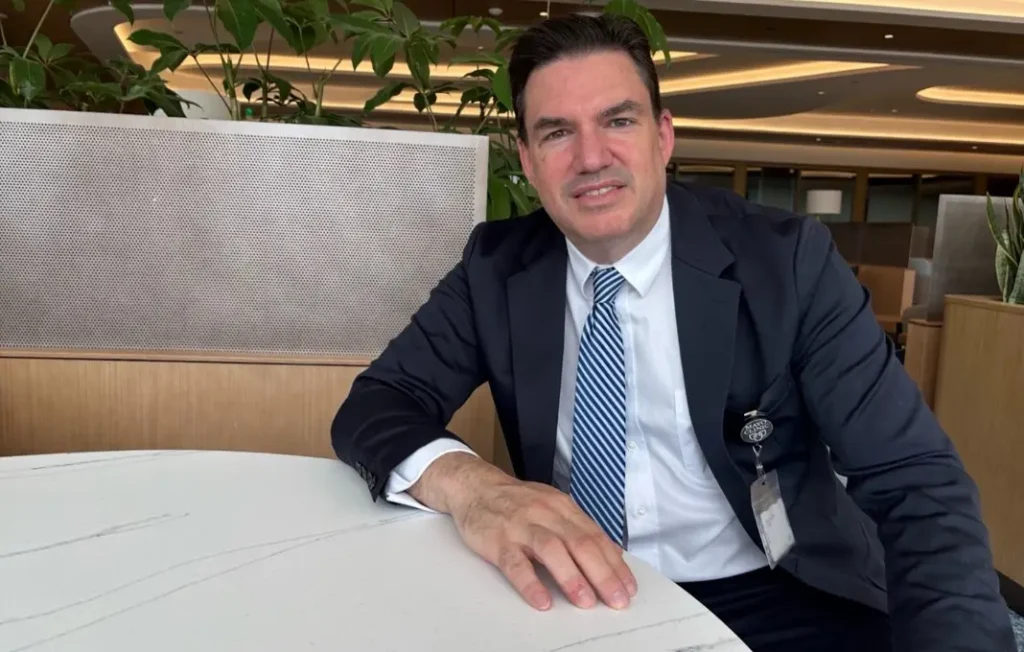
Mayo Clinic Executive Health Director Highlights Critical Neglected Pillars of CEO Well-being Amidst Growing Awareness and Misinformation
As the Mayo Clinic prepares to unveil its expansive 75,000-square-foot Executive Health center in Rochester, Minnesota, this July, the initiative underscores a profound shift in understanding: the health of a Chief Executive Officer is not merely a personal concern, but a critical business imperative. This evolving perspective is championed by Dr. Ryan T. Hurt, M.D., Ph.D., a leading figure in preventive medicine and the driving force behind Mayo Clinic’s renowned Executive Health program. Dr. Hurt, a Professor of Medicine and Division Chair of General Internal Medicine at Mayo Clinic, has dedicated over a decade to applying his expertise in clinical nutrition, physiology, and preventive medicine to the unique demands faced by CEOs and senior executives. His work, often at the vanguard of healthcare for this high-stakes demographic, is now amplified by a forthcoming research paper stemming from a collaborative Mayo Clinic-Chief Executive study that scrutinizes the state of C-suite health across America.
This expanded coverage delves into the insights Dr. Hurt shared during an exclusive interview at the new facility, offering a comprehensive look at the evolving landscape of executive health, the pervasive misinformation plaguing the sector, and the fundamental, yet frequently overlooked, strategies essential for optimizing healthspans.
The Shifting Landscape of Executive Health: Awareness Meets Misinformation
Dr. Hurt observes a significant uptick in awareness among CEOs regarding the importance of health and longevity. "Many CEOs are becoming more aware of health and longevity," he notes. "They want to learn about how they can live longer, healthier lives. We call that healthspan." However, this burgeoning interest is often entangled with a deluge of unsubstantiated health trends and products. "The challenge is there’s a lot of things out there that aren’t necessarily good practices that sometimes CEOs and other execs will partake in, like peptides that are non-FDA approved," Dr. Hurt explains. He frequently encounters executives seeking validation for experimental or unproven treatments, often based on anecdotal evidence from peers. "So often what the exec will do—a CEO comes, ‘Hey, my friend injects himself with testosterone every week. Should I be doing that?’"
The Mayo Clinic Executive Health program’s approach centers on individualized care, meticulously dissecting the root motivations behind these inquiries. "What we do is we individualize the care and we answer questions based on their individualized approach for each one of these patients," Dr. Hurt emphasizes. This personalized strategy contrasts sharply with the often generalized and potentially harmful advice circulating in wellness circles.
Unpacking Misconceptions: The Danger of Focusing on the Wrong Metrics
The proliferation of misinformation is a significant concern, leading executives to chase superficial fixes rather than addressing fundamental health pillars. Dr. Hurt highlights this trend: "Absolutely. They’re focusing on the wrong things." He advocates for a deeper inquiry into the "why" behind an executive’s health concerns. "What you should ask them is, ‘Well, tell me about why you wanted to get that test, or why did you want to get that injection? Tell me more.’" This diagnostic approach, often revealing underlying anxieties or misconceptions, is a cornerstone of the program’s 90-minute appointments—a duration unheard of in standard primary care settings, allowing for unhurried exploration of these critical issues.
A common example involves the pursuit of comprehensive medical imaging. "Why do you want to get that full body scan?" Dr. Hurt probes. "Well, you know what, my friend died of pancreatic cancer, and my primary care doctor told me there’s no good test for pancreatic cancer." In such instances, Dr. Hurt steers patients toward more targeted and less invasive diagnostic tools. "And so when you really dig to the root, instead of getting that full body scan, let’s do the Grail test [an expansive blood test for cancer markers]. So let’s do that because it’s less problematic than getting a whole body scan at this point." This strategic redirection exemplifies the program’s commitment to evidence-based, risk-stratified healthcare.
The Three Pillars of Longevity: Muscle, Macronutrients, and Sleep
When pressed for the most essential elements of longevity, Dr. Hurt consistently returns to three fundamental, yet often neglected, areas: resistance training, adequate protein and fiber intake, and quality sleep.
The Indispensable Role of Muscle Mass
"Key to longevity is muscle," Dr. Hurt declares unequivocally. He observes a common imbalance in executive fitness routines: "I’ll ask them, what are they doing for resistance training? And most of my CEOs are running, they’ll do a ton of aerobic exercise, but virtually none of them are doing dedicated resistance training." The physiological benefits of maintaining muscle mass extend far beyond aesthetics. Studies consistently demonstrate a strong correlation between muscle strength and reduced mortality risk. For instance, research published in the Journal of the American Medical Association has shown that individuals with higher muscle mass have a lower risk of all-cause mortality.
Dr. Hurt advocates for a pragmatic approach to incorporating resistance training, even within demanding schedules. "Lifting weights, 90 to 120 minutes of resistance training per week will decrease your mortality." He even practices what he preaches, utilizing dumbbells in his office. "I have dumbbells in my office. When I’m on a zoom call, one day I do biceps and back, the next day I do shoulders and legs. I do it right here at work. I’ve cut my percent body fat from like high 20s to 19 percent body fat, which is really good." This dedication highlights the feasibility of integrating strength training into the workday, challenging the notion that time constraints are an insurmountable barrier.
Fueling the Body: Optimal Protein and Fiber Intake
Complementing muscle development is the critical need for proper nutrition. Dr. Hurt identifies common dietary missteps, particularly concerning protein consumption. "To fuel those muscles, we need adequate protein. Most people are doing protein wrong. We want one to 1.2 grams per kilogram of your body weight per day. I like to spread it out a little bit as well." This recommendation aligns with established nutritional guidelines that emphasize protein’s role in muscle protein synthesis and overall metabolic health.
Furthermore, Dr. Hurt stresses the importance of fiber, another nutrient frequently falling short in typical Western diets. "And then fiber—we should be 25 to 30 grams per day. Most of us are falling short." Adequate fiber intake is crucial for digestive health, blood sugar regulation, and promoting satiety, all of which contribute to long-term well-being.
The Elusive Prize of Quality Sleep
The third, and often most challenging, pillar is sleep. Dr. Hurt debunks the pervasive myth that reduced sleep is a badge of honor or a necessary sacrifice for high achievers. "And then the third pillar is sleep. That’s the hardest one. The myth of ‘I only need five hours’—it’s about 1 to 2 percent that probably need only about five hours of sleep genetically. The rest of us need seven to eight. That’s the sweet spot." The consequences of chronic sleep deprivation are well-documented, ranging from impaired cognitive function and emotional regulation to an increased risk of cardiovascular disease, metabolic disorders, and weakened immunity.
CEOs, in particular, face unique sleep challenges due to demanding schedules and the mental load of leadership. "The problem with CEOs is they’ll go to bed late and they’ll wake up multiple times at night, and sometimes they can’t get back to sleep because they’re thinking about that meeting. Insomnia is very prevalent in CEOs and execs." Addressing these sleep disturbances requires a multifaceted approach, often involving behavioral strategies and, in some cases, medical interventions.
Leveraging Technology for Health Insights: Wearables and AI
Dr. Hurt is an enthusiastic proponent of wearable technology as a tool for enhancing health monitoring and intervention. "I love wearables. I’m a wearable guy. I’ve researched a ton of the wearables. Probably a dozen of my peer reviewed papers have been in wearables." Devices like the Oura ring provide valuable data on sleep quality, heart rate variability, and other physiological markers, offering actionable insights for both patients and clinicians.
"I like the Oura ring," Dr. Hurt states. "What I’ll do is I’ll say, ‘Here’s what I want you to do—I want you to have good seven hours of quality sleep. Let’s review your data. Oh look, your oxygen actually is dropping. We need to screen you for obstructive sleep apnea.’" This proactive screening for conditions like sleep apnea, often identified through wearable data, can have profound implications for overall health.
The Mayo Clinic is also exploring the integration of artificial intelligence (AI) to further personalize health recommendations based on wearable data. "We’re building AI agents to eventually be able to have people feed in their wearable data and have an agent say, here’s some recommendations for you based on that data." This forward-looking approach signifies a commitment to harnessing technological advancements for proactive and personalized health management.
The Generational Shift Towards Holistic Well-being
Dr. Hurt observes a notable generational difference in the acceptance of holistic health practices. While older generations, shaped by experiences like the Great Depression, may have viewed healthcare as a last resort, younger generations and those entering retirement are increasingly embracing preventative and integrative approaches. "The greatest generation, boy, they will self-neglect themselves right up to death," he notes. "I think as you get into the boomers kind of getting in that retirement age and retiring, they really want to pivot to some of these longevity techniques, and they’ll do anything, they’ll try anything to extend that lifespan."
This shift includes a greater openness to practices like meditation and mindfulness. "Meditation’s a core part of that. They know that the mind brain is an important piece. If their mind is healthy, then they’re going to be healthier longer." The growing acceptance of these "novel technologies" reflects a broader societal desire for alternatives to traditional pharmaceutical interventions. "Everybody wants the alternative to pills and medicine, which I think is okay. A lot of the integrative medicine that we practice here is outside of medications. It is that mind body, that meditation kind of connecting the whole body, if you will."
The Limitations of Traditional Primary Care and the Advantage of Executive Health
Dr. Hurt acknowledges the inherent limitations of the traditional primary care system, where brief appointment windows often preclude in-depth preventative care. "Good family practice, good primary care can do preventative medicine. The problem is if you only have 15 minutes in a primary care appointment, the way this healthcare system is set up is we cut out all the preventative stuff." This system is often geared towards addressing acute issues and managing chronic conditions, leaving little room for proactive health optimization.
In contrast, the Mayo Clinic Executive Health program’s extended 90-minute consultations are designed to facilitate comprehensive preventative assessments. "Here, the focus is that 90-minute visit with each patient. And a big chunk of that is the preventative medicine." This includes a thorough review of vaccinations, with Dr. Hurt highlighting the emerging data linking the shingles vaccine not only to shingles prevention but potentially to dementia risk reduction. They also proactively address updated screening guidelines, such as the recommendation for colonoscopies at age 45, a shift driven by earlier onset of gastrointestinal cancers.
The Enduring Advice: Resistance, Protein, Fiber, and Sleep
When asked for his most frequent piece of advice to CEOs, Dr. Hurt reiterates the foundational elements. "Back to those three. Resistance training—when they say, ‘I can’t get to the gym,’ I say, what do you do in your office? Let’s get some dumbbells." He offers practical solutions for those who travel frequently: "Well, put a pack of resistance bands in your bag and every day, 15 to 20 minutes, work on different muscle groups. Ninety to 120 minutes per week. You’ll pop out of that chair quicker, you’ll feel better."
His nutritional advice remains consistent: "Most people are doing protein wrong. We want one to 1.2 grams per kilogram of your body weight per day. And then fiber, enough fiber per day. Those are my just two nutrition tips."
And finally, the indispensable element of sleep: "And then sleep. So those are my three pearls." Dr. Hurt concludes with a poignant observation on the widespread neglect of these fundamental practices: "It is amazing to me, almost every single patient, unless they’ve seen me before or seen one of my colleagues that preaches these things, how very few are doing those things right." The opening of the new Mayo Clinic Executive Health center signifies a commitment to changing that narrative, emphasizing that optimizing CEO health is not just about extending years, but about enhancing the quality and impact of those years.