
In the high-stakes world of manufacturing, where razor-thin margins and relentless production schedules are the norm, safety is far more than a regulatory checkbox or a casualty-avoidance strategy. It is a fundamental pillar that profoundly impacts both the workforce and the bottom line. A robust safety culture directly influences employee retention, engagement, operational efficiency, and ultimately, profitability. It fosters an environment where employees feel genuinely valued, supported, and empowered to perform at their highest potential, creating a ripple effect that touches every facet of the business.
The far-reaching consequences of a strong safety culture extend well beyond the immediate prevention of accidents. When safety is deeply ingrained, it signals to employees that their well-being is a paramount concern. This perception directly correlates with increased engagement and productivity. Recent research underscores this sentiment, revealing that a significant 56% of manufacturing employees consider a company that prioritizes their well-being to be more valuable than a 10% pay raise. Conversely, a neglectful approach to safety sends a clear message of disregard, accelerating employee turnover. With approximately 35% of manufacturing employees contemplating leaving their jobs within the next year, a lack of focus on safety is a potent catalyst for departures and a significant drain on engagement for those who remain.
For Human Resources departments, the ramifications of a weak safety culture are tangible and costly. They manifest as escalating healthcare expenses, elevated turnover rates, and a workforce that feels disengaged from safety initiatives. Plant managers face their own set of critical challenges, including persistent staffing shortages, an increased propensity for fatigue-driven errors, and unwelcome disruptions to production output. These issues highlight that safety is not an isolated operational concern but a strategic imperative that impacts the entire organizational ecosystem.

The Limitations of Traditional Safety Programs
While most manufacturing businesses have established safety programs, encompassing training, policies, and benefits, these conventional approaches often fall short of fostering lasting behavioral change. Training effectively sets expectations, but it is consistent reinforcement and ongoing support that truly cultivate ingrained safe habits. In the face of demanding deadlines and the inherent pressures of the manufacturing environment, employees may struggle to maintain safe practices without continuous encouragement and acknowledgment.
A critical gap in many traditional safety programs is the absence of a collective, supportive culture. This missing element prevents employees from being empowered to make consistently safe decisions and fails to celebrate them when they do. Employees require immediate reinforcement for safe behaviors, recognition for exemplary conduct, and practical well-being support to ensure they are focused, present, and ready to work safely. Without these integrated components, even meticulously designed programs can fail to achieve their ultimate objectives.
Cultivating a Proactive Safety Culture: A Holistic Imperative
To truly embed safety into the very fabric of a manufacturing workplace, organizations must pivot from a reactive "firefighting" mentality to a proactive approach centered on continuous reinforcement. This involves integrating rewards, recognition, and well-being initiatives into every shift, thereby cultivating a culture where safety becomes an intrinsic, second-nature practice.
The importance of modernizing employee recognition in this context cannot be overstated. As one director of organizational development at Orbis Corporation eloquently stated, "Our people were demonstrating [our values], but there wasn’t a way to publicize it before. We needed to modernize our approach to employee recognition.” This sentiment underscores a universal need to make positive behaviors visible and celebrated.
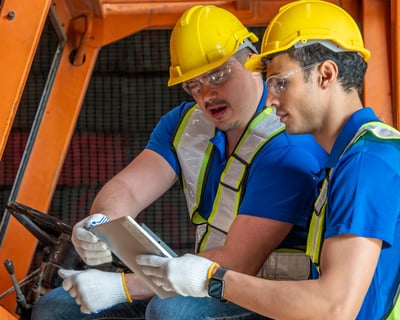
The Power of Real-Time Recognition
Recognition serves as a potent motivator. When employees are consistently acknowledged for practicing safe behaviors, the likelihood of those actions being repeated significantly increases. Sharing success stories across different shifts can effectively highlight exemplary practices, creating a blueprint for others to follow. Modern, real-time recognition tools, such as points-based reward systems and peer-to-peer acknowledgment platforms, are instrumental in reinforcing safe practices instantaneously. Furthermore, manager-led recognition ensures that safety is not perceived as taking a secondary role to production targets, but rather as an integral component of operational success. This timely acknowledgment validates employees’ efforts and reinforces the organizational commitment to their well-being.
Rewards That Clearly Define Expectations
Rewards strategically linked to safe and healthy behaviors send an unambiguous message to the workforce: safety is a top priority for both supervisors and leadership. By directly associating rewards with specific, desirable actions, businesses can forge a clear and compelling connection between safety adherence and tangible success. The effectiveness of these rewards is amplified when employees have easy access to flexible redemption options, such as popular online retailers or local businesses. This accessibility ensures that rewards can be utilized to address immediate needs or to provide employees with something personally meaningful, further enhancing their perceived value and reinforcing the positive association with safe practices.
Comprehensive Wellbeing Support During Shifts
The insidious impact of fatigue, stress, and burnout cannot be overstated; these factors are significant contributors to unsafe behaviors and costly mistakes in manufacturing settings. Offering practical well-being support, which encompasses access to mental, physical, and financial health resources, is crucial in mitigating these risks. Integrated well-being programs empower employees to prioritize their own health, enabling them to remain focused, energized, and, critically, safe throughout their shifts. The anecdotal evidence from companies implementing such programs is compelling. For instance, the Compliance Lead at Ergon Terminaling shared, "The number of personal testimonials we receive about employees being more active, losing weight, and feeling generally healthier is amazing.” This illustrates the profound and positive transformative effect that a holistic approach to employee well-being can have.
The Unassailable Business Case for a Proactive Safety Culture
When safety is not merely a policy but a deeply ingrained element of every operational shift, the benefits extend far beyond mere regulatory compliance. For HR leaders, a thriving safety culture translates directly into heightened employee engagement, significantly reduced turnover, and a demonstrable decrease in healthcare expenditures. For plant managers, the advantages are equally profound: a reduction in workplace incidents, more consistent and predictable output, and lower rates of absenteeism. Collectively, these outcomes contribute to a more robust organizational culture and a stronger employer brand, positioning the business as a leader in both its employee treatment and its demonstrable results.

The evolution of safety in manufacturing can be traced through several key phases. Initially, the focus was primarily on legislative compliance, driven by mandates and the threat of penalties. This reactive period saw the implementation of basic safety protocols and the distribution of personal protective equipment (PPE). As awareness grew, the emphasis shifted towards risk assessment and hazard identification, leading to more sophisticated safety management systems. The current paradigm, however, represents a significant leap forward: the integration of safety into the broader organizational culture, recognizing its profound impact on human capital and business performance. This transition is often spurred by a confluence of factors, including increasing employee expectations for well-being, the persistent challenges of talent acquisition and retention, and a growing body of research demonstrating the tangible economic benefits of a positive work environment.
The data from organizations that have successfully implemented proactive safety cultures often reveals a compelling narrative. For example, studies have shown that companies with strong safety records experience fewer lost workdays and reduced workers’ compensation claims. A 2020 report by the National Safety Council indicated that for every dollar invested in safety, businesses can see a return of $4 to $6 in direct savings, not including the intangible benefits of improved morale and productivity. This economic argument is becoming increasingly difficult for any forward-thinking manufacturing firm to ignore.
The implications of this cultural shift are broad. A workforce that feels genuinely cared for is more likely to be innovative, resilient, and committed to the organization’s long-term success. This not only enhances operational performance but also strengthens the company’s reputation within the industry and among potential employees. In an era where talent is a critical differentiator, a reputation for prioritizing safety and well-being can be a powerful magnet for top performers.
Looking ahead, the integration of technology will likely play an even more significant role in fostering safety cultures. Wearable devices can monitor worker fatigue and environmental hazards in real-time, while advanced analytics can identify patterns and predict potential risks before they materialize. However, technology alone is insufficient. It must be complemented by a genuine commitment from leadership and a workforce empowered to prioritize safety.

The journey towards a truly proactive safety culture is an ongoing process, requiring continuous evaluation, adaptation, and investment. Yet, the rewards – a safer, more engaged, and more productive workforce, alongside enhanced business performance – make it an indispensable strategic imperative for any manufacturing organization aiming for sustained success in the modern economy.
Organizations looking to enhance their employee experience, including fostering a robust safety culture, can explore comprehensive solutions that integrate recognition, rewards, and well-being. By understanding the interconnectedness of these elements, businesses can move beyond traditional compliance measures to build a truly human-centric workplace that drives both safety and success.