
The quest for organizational success often hinges on a critical, yet sometimes elusive, factor: the high-performing team. Beyond assembling individuals with requisite skills, the creation of a team that consistently exceeds expectations involves a deliberate and nuanced approach to fostering specific characteristics, behaviors, and best practices. This article delves into the multifaceted nature of these elite groups, exploring what defines them, why they are indispensable, and the actionable strategies for cultivating such an environment within any organization.
Defining the Apex of Teamwork
At its core, a high-performing team is a collective of individuals who adeptly harness their combined skills, diverse perspectives, specialized expertise, and complementary strengths to conquer ambitious objectives. These teams are characterized by an intense focus on achieving clear, exceptional outcomes. Their operational success is built upon a bedrock of unwavering trust, seamless collaboration, and a potent, shared sense of purpose. This synergy doesn’t materialize spontaneously; it is meticulously cultivated through strategic performance management, empowering individuals to collaborate, innovate, and collectively contribute their utmost.
The Indispensable Role of High-Performing Teams

The trajectory of organizational success is intrinsically linked to the performance of its workforce. High-performing teams are the engines that drive innovation, propel project completion, and ensure the attainment of strategic goals. When teams are aligned, receive consistent feedback and coaching, and are equipped with the necessary resources, they possess the remarkable ability to dismantle barriers and deliver tangible results. Research consistently demonstrates that organizations with a robust contingent of high-performing teams experience accelerated growth, enhanced problem-solving capabilities, and a more resilient operational framework.
Hallmarks of Exceptional Teamwork: Key Characteristics
While each team is unique, a constellation of common attributes defines those that consistently operate at a superior level. Understanding these characteristics is the first step toward building such a unit.
Understanding the Organizational Mission: The Guiding Star
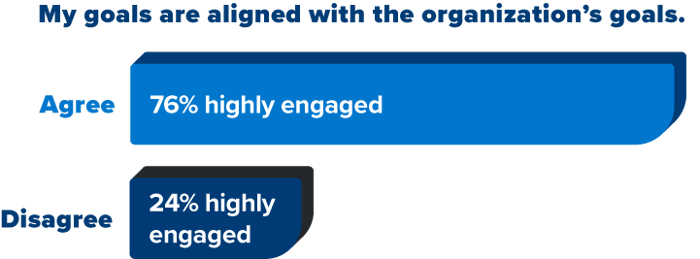
When employees clearly grasp how their individual contributions align with the overarching mission and goals of their organization, their engagement and productivity surge. High-performing teams possess a profound understanding of their collective "why." This clarity fuels their collaborative efforts towards a shared vision. Evidence from numerous studies indicates that highly engaged employees, who are often members of high-performing teams, exhibit significantly higher levels of commitment and output. This alignment ensures that daily tasks are not viewed in isolation but as integral components of a larger, meaningful endeavor.
Clearly Defined Goals Tied to Organizational Priorities: The Roadmap to Success
Alignment in focus, purpose, and priorities is a non-negotiable for high-performing teams. They meticulously establish team and individual goals that directly support this shared vision. Crucially, these goals are not merely articulated but are clearly defined, leaving no room for ambiguity. This ensures that every member understands their specific responsibilities and the path to achieving them. Data from Quantum Workplace’s research underscores this point, revealing that employees are over three times more likely to be engaged when their individual performance goals are strategically aligned with organizational objectives. This linkage transforms individual efforts into a powerful, coordinated force.
Defined Roles and Responsibilities: Minimizing Friction, Maximizing Flow
Conflict, if left unchecked, can quickly undermine even the most talented teams. High-performing teams proactively minimize unnecessary friction by establishing clear delineations of each member’s role and responsibilities. This clarity prevents confusion, reduces overlap, and ensures that accountability is well-defined. When individuals understand their specific mandates, they can focus their energy on execution rather than navigating interpersonal ambiguities. This structured approach fosters efficiency and allows for a smoother workflow, enabling the team to tackle complex challenges with greater efficacy.
Clear and Respectful Communication: The Lifeblood of Collaboration
When communication falters, so does performance. High-performing teams establish clear expectations and cultivate robust channels for effective communication. This ensures that everyone is aware of when and where to communicate and with whom. While conflict is an inherent part of any collaborative environment, these teams possess the adeptness to navigate disagreements constructively, transforming potential obstacles into opportunities for growth and resolution. This commitment to transparent and respectful dialogue ensures that information flows freely and accurately, fostering a cohesive and informed team.
Embracing Two-Way Feedback: A Catalyst for Continuous Improvement
A culture of continuous improvement is a hallmark of high-performing teams, fostered through open and constructive two-way feedback. Team members feel empowered to share their ideas, concerns, and suggestions without fear of reprisal. Managers actively solicit feedback from their employees, valuing their perspectives and leveraging these insights to drive team development. This feedback-driven approach not only enhances individual performance but also strengthens team dynamics, leading to increased collaboration and adaptability. The collected feedback serves as invaluable data for identifying further development opportunities for employees, creating a virtuous cycle of growth.
Strategic Management of Work and Deadlines Based on Priorities: Focusing on Impact
High-performing teams possess a keen ability to discern what matters most and allocate their time and resources accordingly. They recognize that not all tasks carry equal weight or urgency. By managing projects based on the highest priority and impact, they ensure that their efforts remain aligned with overarching organizational goals. This strategic prioritization guarantees that everyone is focused on work that genuinely drives growth and contributes to the company’s strategic objectives. This disciplined approach prevents teams from becoming bogged down in low-impact activities, maximizing their overall effectiveness.
Alignment and Connection Between Managers and Employees: The Human Element
One-on-one meetings serve as a critical conduit for fostering clarity and connection between managers and employees. These interactions transcend mere status updates, providing a dedicated forum for discussing goals, progress, and challenges on an individual level. Managers leverage these sessions to understand employee aspirations, offer tailored guidance, and provide the necessary support to overcome obstacles. By nurturing strong manager-employee relationships, high-performing teams cultivate a profound sense of belonging and commitment, which are essential drivers of team success. This personalized attention ensures that each team member feels seen, heard, and supported.
Mutual Trust and Respect: The Foundation of Collaboration
The level of collaboration and teamwork required for high achievement is fundamentally dependent on trust and mutual respect. Individuals within high-performing teams value each other and trust their colleagues to fulfill their responsibilities. They embrace diversity of thought and experience, recognizing that these differences are a source of collective strength. This pervasive culture of trust enables open dialogue, encourages risk-taking in pursuit of innovation, and fosters a psychologically safe environment where everyone feels comfortable contributing their best work.
Celebrating Success and Recognizing Contributions: Fueling Motivation
High-performing teams understand that success is a collective achievement. They celebrate wins together and actively seek opportunities to recognize and appreciate each employee’s contributions. This practice cultivates a robust culture of collaboration and ensures that every team member feels valued and connected to the team’s accomplishments. Research consistently indicates that while ratings, rankings, and pay-for-performance metrics may not be primary drivers of employee engagement, genuine recognition is a powerful motivator. Highly engaged employees are significantly more likely to express satisfaction with the recognition they receive for their contributions to organizational success.
Practicing Continuous Learning: Adapting and Evolving
Even the most successful teams acknowledge the imperative for continuous growth. High-performing teams actively embrace feedback and learn from their experiences, both successes and failures. They actively seek opportunities for development by nurturing a feedback culture and investing in employee growth initiatives. This commitment to continuous learning propels their collective progress and ensures they remain adaptable and innovative in a dynamic environment. This proactive approach to skill enhancement and knowledge acquisition keeps the team at the forefront of their field.
Balancing Short-Term Priorities with Long-Term Growth: Sustainable Success
High-performing teams artfully balance the immediate demands of achieving short-term results with the strategic imperative of long-term growth. While intensely focused on meeting current objectives, they concurrently invest in learning, development, and career progression to maintain a competitive edge. Processes such as talent reviews and succession planning are integral to this approach, ensuring a robust pipeline of future leadership ready to tackle emerging challenges. Accessible career pathing further solidifies employee commitment by demonstrating a clear future within the organization. By prioritizing both immediate wins and sustainable expansion, these teams are exceptionally positioned to adapt, innovate, and excel in the ever-evolving business landscape.
What Differentiates High-Performing Teams?
The distinction between ordinary teams and high-performing teams lies in their approach to key operational aspects. They consistently achieve remarkable results by transcending conventional practices.
Embracing Innovation and Adaptability: Navigating the Currents of Change
In today’s dynamic business world, change is the only constant. High-performing teams do not shy away from this reality; they embrace it. They are unafraid to challenge the status quo, actively seeking out new ideas, fostering innovation, and adapting swiftly to evolving circumstances. This embrace of flexibility and openness to change keeps them agile, resilient, and well-equipped to seize emerging opportunities. To effectively innovate and adapt, these teams require the autonomy, buy-in, tools, and technology to explore new frontiers and learn from inevitable missteps. Consequently, their success is often measured not solely by arbitrary KPIs but by their tangible organizational impact.
Cross-Functional Collaboration: Breaking Down Silos
Organizational silos are anathema to high-performing teams. These teams are adept at dismantling barriers to foster collaboration across departments, disciplines, and diverse work units. They achieve this by cultivating an environment where individuals readily share knowledge, leverage each other’s strengths, and work cohesively towards shared objectives. This spirit of collaboration amplifies the team’s collective impact and strengthens interdepartmental relationships, creating a more integrated and effective organizational structure.
Focus on Recognition and Achievements: Motivating the Collective
High-performing teams understand that individual recognition can manifest differently for each employee. They strategically utilize data to celebrate milestones, both significant and incremental, to proactively and reactively acknowledge contributions to the broader team. This creates a powerful, contagious culture of recognition and appreciation, motivating everyone to work smarter and strive for excellence. This focus on acknowledging effort and achievement fosters a positive feedback loop that fuels continued high performance.
Leveraging Engaging Performance Processes and Technology: The Enabling Infrastructure
The efficacy of high-performing teams is intrinsically linked to the quality of the processes and tools that support their work. They cannot afford to be encumbered by disparate systems or fragmented departmental data. To optimize their performance, these teams utilize integrated solutions that facilitate seamless collaboration, provide data-driven reporting, and automate repetitive tasks. This technological backbone ensures that the team’s focus remains on strategic execution rather than administrative overhead.
Mutual Accountability: Shared Responsibility for Success
High-performing teams operate under a principle of collective accountability. They hold each other, and themselves, responsible for the team’s performance without resorting to blame. This shared ownership fosters a sense of camaraderie and mutual reliance, where every member feels invested in the team’s success. This accountability extends beyond individual tasks to encompass the team’s overall output and impact, creating a powerful dynamic of shared commitment.
Practical Strategies for Cultivating High-Performing Teams
Building a high-performing team is a continuous journey, not an overnight achievement. It demands commitment and investment in ongoing growth and development. The following practical tips provide a roadmap for initiating and sustaining this process.
Forge a Shared Sense of Purpose
For employees to feel truly connected to a team, a unified purpose is essential. This is where clear goals and team alignment become paramount. Managers of high-performing teams consistently evaluate priorities and team objectives to ensure their effectiveness and alignment with organizational goals. Keeping organizational objectives at the forefront by regularly communicating and linking them to the team’s work is crucial. Utilizing one-on-one meetings to check in with team members on their progress, identify key priorities, and ensure their work aligns with overall team goals is vital. This process cultivates a shared sense of purpose, ensuring the team is united in its direction and driving performance collectively.
Streamline Communication Channels
High-performing teams must be agile and focused, making clear and streamlined communication indispensable. Establishing clear processes and expectations for communication ensures that everyone remains on the same page. This might involve utilizing specific platforms for different types of communication, such as instant messaging for quick updates and project management tools for detailed task tracking and data housing. Well-defined communication protocols prevent misunderstandings, ensure key information reaches the right people, clarify assignments and responsibilities, and prevent critical tasks from falling through the cracks. Furthermore, fostering opportunities for cross-functional knowledge sharing through workshops, team-building events, or dedicated sessions can enhance creativity, problem-solving, and build camaraderie.
Empower Decision-Making Across All Levels
High-performing teams empower their members to make decisions and take ownership of their work. They do not hesitate to present new ideas, solutions, or options to management. Instead, managers recognize that fostering maximum performance involves encouraging employees to take initiative. Encouraging team members to contribute their ideas, provide input, and make autonomous decisions within their areas of responsibility cultivates a sense of ownership and accountability, fostering a culture of trust and empowerment. Regular recognition for such contributions reinforces how individual work benefits the larger organization.
Recognize and Reward Achievements
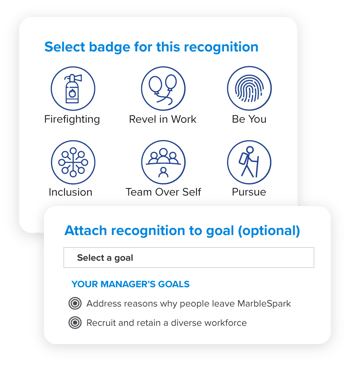
Acknowledging and celebrating individual and group achievements is fundamental to building and sustaining a high-performing team. Recognition and rewards not only boost morale but also reinforce desired behaviors and motivate team members to excel. Express appreciation regularly by acknowledging the efforts of team members. Weekly one-on-one meetings offer a consistent opportunity to stay connected on team goals, tasks, and achievements. Recognition should extend beyond major wins to encompass key milestones, consistent performance, and instances where teams have gone above and beyond. Understanding individual preferences for recognition is key, as this can vary significantly. Encouraging peer-to-peer recognition through dedicated channels further fosters a positive and engaging work environment at all levels.
Invest in Continuous Employee Development
To achieve consistently outstanding results, organizations must cultivate a culture of continuous learning and improvement. High-performing teams are inherently curious; they ask questions, explore possibilities, and adapt based on new insights. By continuously building upon their knowledge and learning from past experiences, teams become more effective, efficient, and innovative. Investing in employee growth and development, by identifying relevant opportunities aligned with team needs, priorities, and individual goals, empowers employees, enhances their motivation, and better equips them to excel in their roles.
Shared Responsibility for Building High-Performing Teams
Inspiring significant employee impact requires a human-centered, engaging approach to performance that helps individuals and teams understand their pivotal role in organizational success. Employees inherently desire success and want to contribute to their organization’s achievements, but they also expect effective performance management systems. Building such an environment is a collective endeavor, involving everyone from senior leaders to individual contributors.
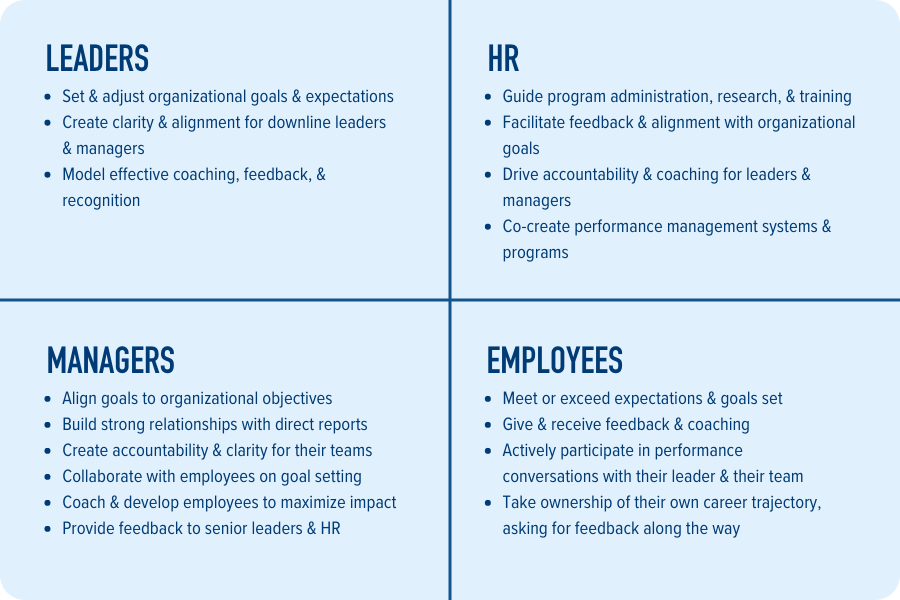
- The Role of Senior Leaders: Senior leaders are instrumental in setting organizational direction and clarifying overarching goals, adapting them as needs evolve. They must model exemplary performance, accountability, and coaching, focusing on outcomes and impact rather than mere output.
- The Role of Human Resources: HR plays a crucial role in driving performance management initiatives, ensuring their effectiveness. This includes facilitating feedback, aligning performance metrics with organizational goals, and holding leaders accountable for their coaching roles. By co-creating and evaluating performance programs with stakeholders, HR builds dynamic systems that enhance employee impact, development, and overall business success.
- The Role of Managers: Managers translate organizational goals into actionable team objectives and champion employee growth and development. They cultivate strong relationships with their direct reports, provide consistent feedback, and ensure clarity of expectations. Managers also collaborate with employees on goal setting, offer coaching, and allocate necessary resources. Their feedback to senior leadership and HR is vital for refining performance management processes, and their continuous development enhances their coaching capabilities.
- The Role of Employees: While leadership and HR establish the framework, employees are active participants in their own performance. They are expected to strive towards goals, engage in feedback and coaching, and take ownership of their development and career trajectories, seeking support when needed.
The Power of Performance Management Software
Building a high-performing team is a strategic marathon. By integrating the right blend of skills and nurturing the fundamental characteristics outlined, the rewards are substantial. Performance management software, such as that offered by Quantum Workplace, provides a suite of tools specifically designed to cultivate, manage, and scale high-performing teams.
- Clear and Aligned Goals: Setting and monitoring clear, aligned goals is fundamental. Quantum Workplace’s solutions empower teams to set, track, and achieve critical objectives through robust goal management functionalities.
- Enhanced Trust and Performance with Feedback: Comprehensive feedback mechanisms, including 360-degree, peer, and upward feedback, are crucial for boosting performance, growth, and development, fostering a continuous feedback culture.
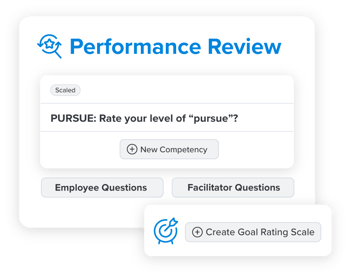
- Effective Performance Reviews: Modern performance reviews should be engaging and efficient. Tools that simplify performance conversations are essential for driving improvement.
- Real-Time Recognition: Motivating employees and celebrating success through real-time recognition is vital. Platforms that allow for easy sharing of achievements and make employees feel valued are indispensable.
- Clarity and Connection with 1-on-1s: Tools facilitating meaningful conversations through structured one-on-one meetings enhance communication, clarity, and engagement across all levels.
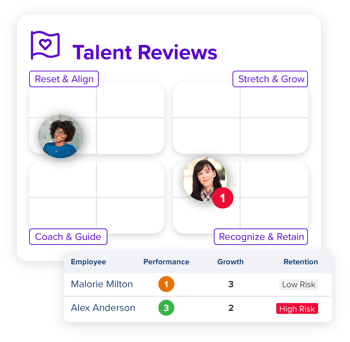
- Talent Identification and Development: Objective assessment of performance to identify high-potential individuals and talent risks is crucial. Talent review tools support strategic talent decisions.
- Sustained Performance with Succession Planning: Proactively identifying gaps and developing plans to prepare for future leadership needs ensures organizational continuity and growth.
In conclusion, the creation of high-performing teams is a multifaceted endeavor that requires strategic intent, consistent effort, and the right support systems. By understanding and cultivating the core characteristics, adopting effective practices, and leveraging appropriate technology, organizations can unlock the full potential of their teams, driving innovation, achieving exceptional results, and securing a competitive advantage in the marketplace.