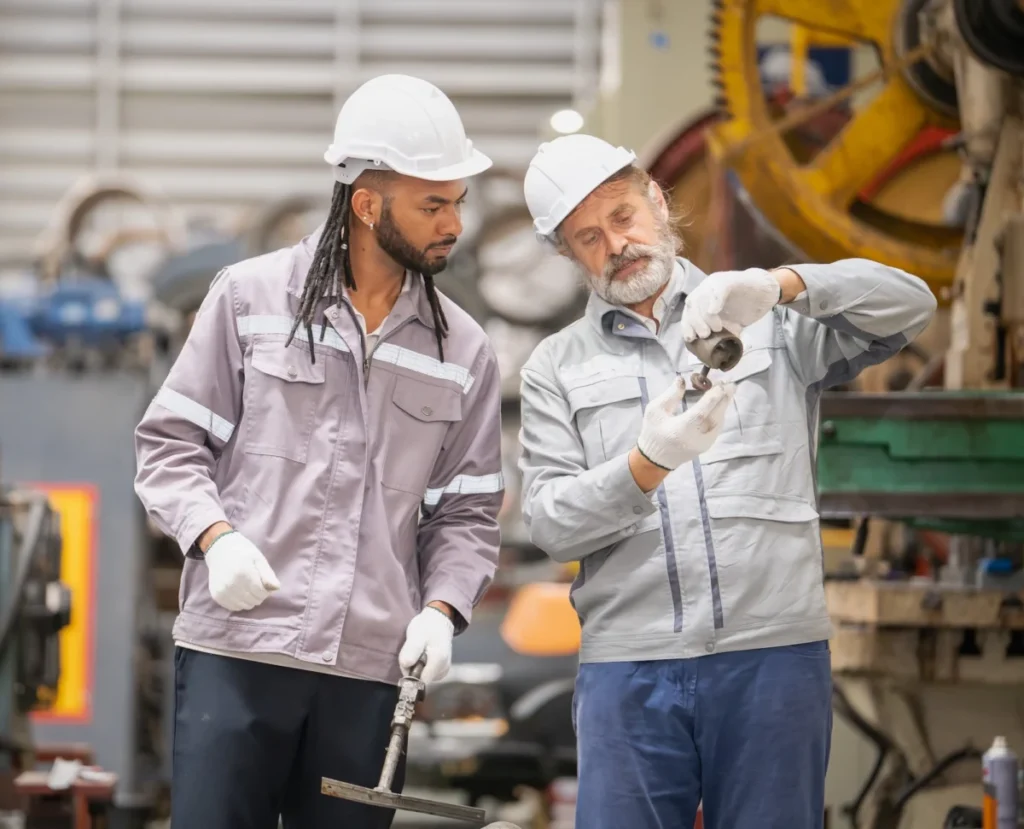
Deskless workers, comprising the vast majority of the global labor force, are the engine rooms of industries worldwide, from manufacturing floors and retail spaces to healthcare facilities and logistics hubs. Despite their indispensable contributions, these frontline employees frequently grapple with engagement challenges that significantly impact retention, safety, productivity, and the very fabric of company culture. For Human Resources leaders, understanding and implementing effective engagement strategies for this often-overlooked segment of the workforce is no longer a mere option, but a critical imperative for sustained business success.
The Pivotal Role of Engaging Deskless Manufacturing Workers
The importance of robust engagement for deskless manufacturing workers cannot be overstated; it serves as a business-critical lever that extends far beyond a superficial "nice-to-have." Its influence permeates fundamental aspects of operational health, including employee retention, workplace safety, overall productivity, and the seamless continuity of operations. Engaged employees are inherently more motivated, demonstrate greater loyalty, and are deeply committed to upholding high standards, thereby safeguarding both personnel and intricate production processes.
Data consistently underscores the significance of this demographic. Globally, deskless workers are estimated to constitute upwards of 80% of the total workforce. In sectors like manufacturing, this figure is even more pronounced. A lack of engagement among these workers can translate into substantial financial losses. For instance, the cost of employee turnover in manufacturing can range from tens of thousands to over a hundred thousand dollars per employee, factoring in recruitment, training, and lost productivity. This highlights the direct correlation between engagement and financial well-being for manufacturing firms.
Driving Improved Retention Rates
When deskless workers feel genuinely valued and recognized for their contributions, their propensity to seek employment elsewhere diminishes significantly. This translates into a direct reduction in costly employee turnover, preserving invaluable institutional knowledge and skills that are often difficult and expensive to replace. For manufacturing facilities, this continuity is paramount to maintaining consistent quality and operational efficiency on the shop floor. Studies have shown that companies with highly engaged employees experience 23% higher profitability. This correlation is particularly potent in sectors where the impact of individual worker performance is directly observable.
Enhancing Safety and Compliance Adherence
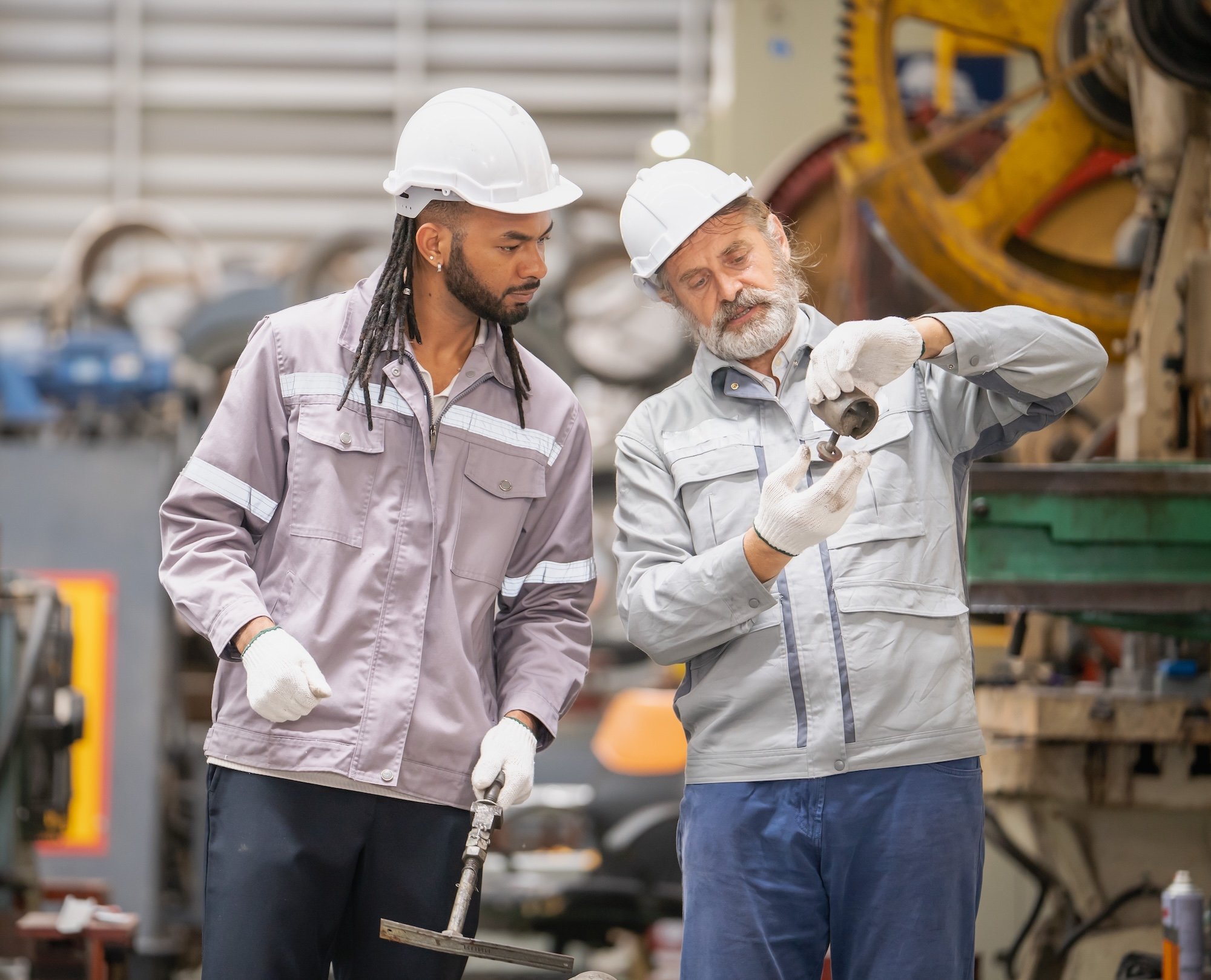
Engaged employees are inherently more attentive and proactive in adhering to established safety protocols and are more likely to report potential hazards. This heightened vigilance directly contributes to a reduction in workplace accidents and injuries, a critical concern in the manufacturing sector where risks can be significant. Consequently, organizations benefit from improved regulatory compliance, lower insurance premiums, and, most importantly, a safer working environment for everyone. The Occupational Safety and Health Administration (OSHA) in the United States reports that for every dollar invested in safety, businesses can see a return of $4 to $6. This underscores the tangible financial and human benefits of a safety-conscious and engaged workforce.
Boosting Operational Efficiency
A workforce that is actively engaged tends to exhibit greater focus and is more inclined to contribute innovative ideas that can streamline production processes. This proactive engagement leads to a tangible decrease in errors, smoother operational workflows, and a notable improvement in overall plant performance. When employees feel invested in the success of the operation, they are more likely to identify and suggest improvements that might otherwise go unnoticed. This collaborative spirit fosters a culture of continuous improvement, a cornerstone of modern manufacturing excellence.
Cultivating Increased Employee Satisfaction
Engagement is intrinsically linked to job satisfaction, fostering a sense of enthusiasm and pride in one’s role. Higher levels of satisfaction translate into stronger team morale, a more positive workplace culture, and a greater sense of camaraderie among colleagues. This positive environment can be a powerful motivator, encouraging workers to go the extra mile and contribute to a shared sense of purpose.
Navigating the Unique Challenges of Engaging Deskless Manufacturing Workers
Deskless manufacturing workers operate within environments that are fundamentally distinct from their office-bound counterparts. Their roles are often characterized by hands-on tasks, physically demanding labor, and work conducted on a factory floor or in various remote locations, frequently without consistent access to computers or traditional office amenities.
These distinct operational realities present significant hurdles for conventional engagement methodologies. Tailored strategies are essential, acknowledging the realities of shift work, limited technological accessibility, and the physical demands of the job. A recent report by McKinsey & Company highlighted that 70% of digital transformation initiatives fail to reach their objectives, with a significant contributing factor being the inability to effectively engage frontline workers in the process. This statistic underscores the critical need for engagement strategies that are not only innovative but also practical and adaptable to the specific context of deskless operations.

Bridging Communication and Technology Gaps
A prevalent challenge is the lack of regular access to desktop computers, email, or internal company portals, rendering traditional communication channels largely ineffective. This disconnect can lead to information delays and critical gaps, leaving workers feeling out of the loop and uninformed. Bridging this divide necessitates the adoption of mobile-friendly tools and other accessible platforms to ensure messages are delivered in a timely, inclusive, and easily digestible manner. In an era where smartphones are ubiquitous, even among frontline workers, leveraging mobile communication channels is a logical and highly effective approach. A survey by Gallup found that employees who receive regular recognition are 12 times more likely to be engaged. This recognition, however, must be communicated effectively.
Addressing Isolation and Disconnection
The nature of manufacturing shifts, often staggered or operating around the clock, can inherently limit inter-team interaction. This physical and social isolation can foster feelings of disconnection from the broader organization and its overarching objectives. Regular engagement initiatives must actively create opportunities for connection and inclusion, mitigating the effects of these constraints. Building cross-departmental communication channels, even informal ones, can foster a sense of unity and shared purpose.
Adapting to Irregular Schedules
Shift work and non-standard working hours are endemic in the manufacturing industry, posing a significant challenge to consistent communication and engagement efforts. Workers may miss important announcements or struggle to participate in live events or training sessions scheduled outside their working hours. Engagement strategies must therefore be inherently flexible and demonstrate a deep consideration for these schedule complexities. This might involve offering on-demand training modules, utilizing asynchronous communication methods, or ensuring key information is accessible through multiple channels at different times.
Mitigating Physical Demands and Shift Work Realities
The inherent physical intensity of manufacturing work, coupled with the demands of shift rotations, can lead to fatigue and burnout. This can diminish workers’ willingness or capacity to engage with company programs beyond their core responsibilities. Consequently, there is a heightened emphasis on designing engagement activities that are simple, energy-conscious, and respectful of workers’ limited time and energy reserves. Supporting employee well-being through practical measures, such as ergonomic assessments, adequate break facilities, and flexible scheduling where possible, can significantly alleviate these challenges and foster a more receptive environment for engagement.
Strategies for Effective Deskless Worker Engagement
To truly resonate with and engage this vital segment of the workforce, HR leaders must embrace practical, tailored approaches grounded in the day-to-day realities of their roles. The following strategies offer a framework for cultivating a more connected and motivated deskless workforce:

1. Implement a Mobile-First Communication Strategy
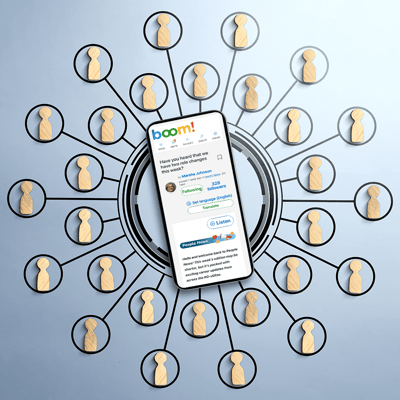
Prioritizing mobile-friendly tools such as dedicated apps and SMS messaging allows for rapid and direct communication with workers, irrespective of their location on the factory floor or at a remote site. This ensures that crucial messages are not only timely but also readily accessible and easy to comprehend. Mobile communication is also indispensable for delivering real-time updates, which are often critical in the dynamic and fast-paced manufacturing environment. Companies that have adopted mobile communication platforms have reported up to a 20% increase in employee engagement and a 15% reduction in communication errors.
2. Tailor Content and Segment Communication
Personalizing communications based on shift, role, or specific work site ensures that the information provided is relevant and clear, thereby reducing information overload and significantly enhancing engagement. Effective segmentation guarantees that each worker receives information that directly pertains to their daily tasks and responsibilities, making communications more impactful and less likely to be disregarded. For instance, safety alerts relevant to a specific production line should only be sent to workers on that line.
3. Foster Two-Way Communication and Feedback Loops
Establishing clear channels where workers can openly share their ideas, concerns, and suggestions is fundamental to fostering trust and promoting collaboration. Regular feedback mechanisms empower employees, making them feel heard and valued, which in turn enables leadership to address issues proactively. This inclusive approach not only boosts morale but also strengthens interpersonal relationships within the workplace. Implementing anonymous feedback channels can encourage more candid responses.
4. Leverage Meaningful Recognition and Rewards
Celebrating successes through sincere recognition and meaningful rewards that align with individual and team motivations is a powerful driver of engagement. Public acknowledgment of achievements can significantly boost morale and inspire continued excellence. Consistent and thoughtful recognition reinforces positive behaviors and cultivates a pervasive culture of appreciation, which is a key differentiator for engaged workplaces. A study by Bersin by Deloitte found that organizations with effective recognition programs have 31% lower voluntary turnover.
5. Prioritize Safety and Wellbeing Initiatives
Embedding well-being initiatives that specifically address the physical demands and mental health challenges faced by deskless workers provides holistic support. A proactive approach to safety not only promotes a healthier and more sustainable workforce but also signals to employees that their well-being is a genuine priority. When workers feel cared for and supported, their engagement levels naturally increase, leading to greater attentiveness and productivity on the job. Programs focused on stress reduction, physical therapy access, and mental health resources can be particularly impactful.
6. Invest in Accessible Learning and Development
Offering flexible learning and development opportunities that are accessible during shifts or through easily accessible platforms can foster skill development and create clear career growth paths. Such investments demonstrate a commitment to the employees’ futures, providing strong motivation for ongoing engagement and professional growth. Continuous development equips employees with the skills needed to adapt to evolving manufacturing technologies and roles, ensuring the long-term viability of the workforce. Companies that invest in employee development see higher retention rates and a more skilled workforce.
Empowering the Frontline with Reward Gateway | Edenred
At Reward Gateway | Edenred, our overarching mission is to contribute to creating a better world to work. We recognize that deskless manufacturing workers form the bedrock of numerous industries, and that fostering meaningful engagement is the key to unlocking enduring business success. By implementing our integrated solutions for communication, recognition, and well-being, HR leaders can effectively empower their frontline workforce. This, in turn, leads to enhanced retention, improved safety records, and increased productivity, all while cultivating a stronger, more cohesive organizational culture. Together, we can transform the manufacturing floor into an environment where every employee not only works but truly thrives.
Organizations seeking to support their dispersed workforces, wherever they may be, can leverage the comprehensive Employee Experience platform and suite of integrated solutions offered by Reward Gateway | Edenred. By making your corner of the world a better place to work, we stand ready to assist in achieving this vital objective.