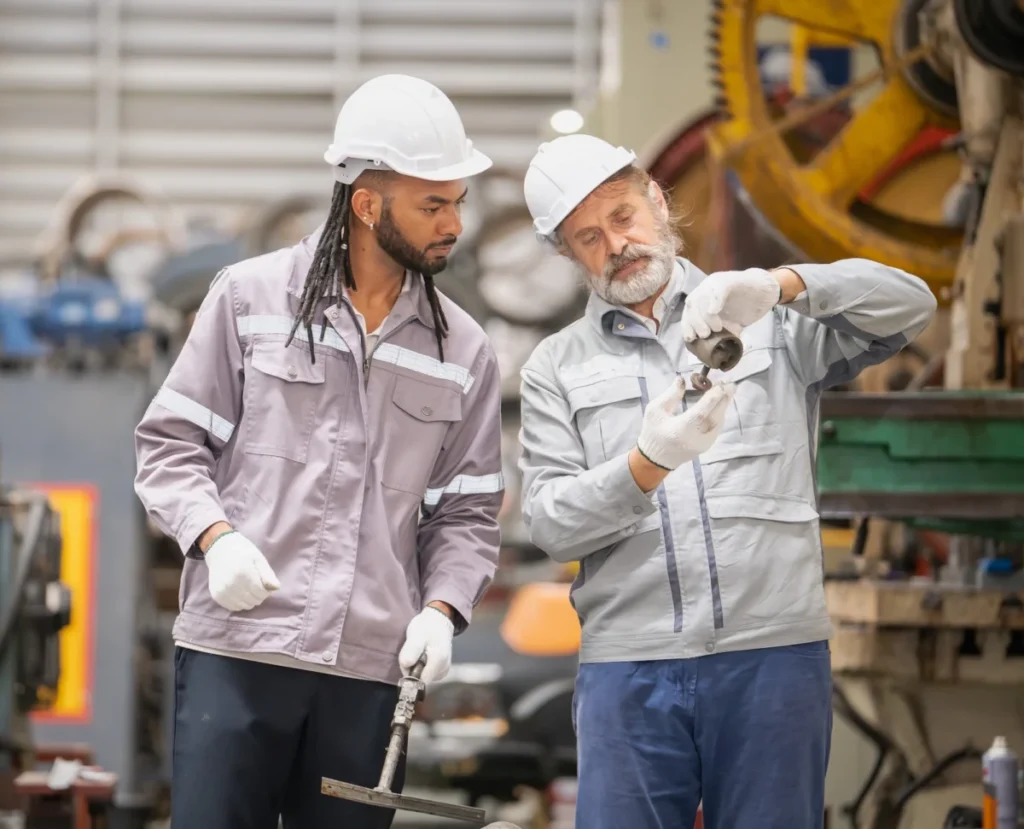
Deskless workers represent the tangible majority of the global workforce, a critical demographic whose contributions are often overlooked in traditional corporate engagement strategies. These individuals, who perform their duties away from desks and computers, are the backbone of sectors like manufacturing, logistics, healthcare, and retail. Despite their immense impact, they frequently grapple with engagement challenges that can significantly affect employee retention, workplace safety, operational productivity, and the overall company culture. For Human Resources leaders, the imperative to implement effective strategies to engage this vital segment of the workforce is no longer optional; it is an essential pillar of sustainable business success.
The Crucial Importance of Engaging Deskless Manufacturing Workers
The engagement of deskless manufacturing workers is a business-critical lever, far transcending a mere "nice-to-have" perk. Its influence permeates numerous key areas, fundamentally impacting employee retention, workplace safety, operational productivity, and the overall continuity of business operations. Engaged employees are not only more motivated and loyal but are also deeply committed to upholding high standards, thereby safeguarding both personnel and operational processes.
Improved Retention: Stemming the Tide of Costly Turnover
When deskless workers feel genuinely valued and recognized for their contributions, their propensity to seek employment elsewhere diminishes significantly. This reduction in costly employee turnover is a direct benefit of effective engagement. The preservation of institutional knowledge and specialized skills that comes with higher retention rates is invaluable, particularly on a manufacturing floor where expertise is often built over years of dedicated service. This continuity directly translates to maintained quality of output and sustained operational efficiency, preventing the disruptions and ramp-up costs associated with frequent hiring and training. Industry data consistently shows that companies with high employee engagement experience significantly lower turnover rates compared to their less engaged counterparts. For instance, studies by organizations like Gallup have indicated that highly engaged teams can experience 41% lower absenteeism and 21% higher profitability.
Enhanced Safety and Compliance Adherence: A Culture of Vigilance
Engaged employees are inherently more attentive to their surroundings and committed to adhering to established safety protocols. They are more likely to proactively report hazards, potential risks, or unsafe practices without hesitation. This heightened vigilance directly contributes to a reduction in workplace accidents and injuries. Furthermore, a culture of engagement fosters greater compliance with regulatory mandates. When workers understand the importance of safety procedures and feel empowered to voice concerns, they become active participants in creating a secure environment for themselves and their colleagues. This not only mitigates the risk of costly fines and legal liabilities but also cultivates a workplace where well-being is a shared priority. The economic impact of workplace injuries is substantial, with organizations incurring significant costs related to medical expenses, lost productivity, and insurance premiums. Proactive safety engagement can lead to demonstrable reductions in these expenditures.
Heightened Operational Efficiency: Driving Productivity from the Frontline
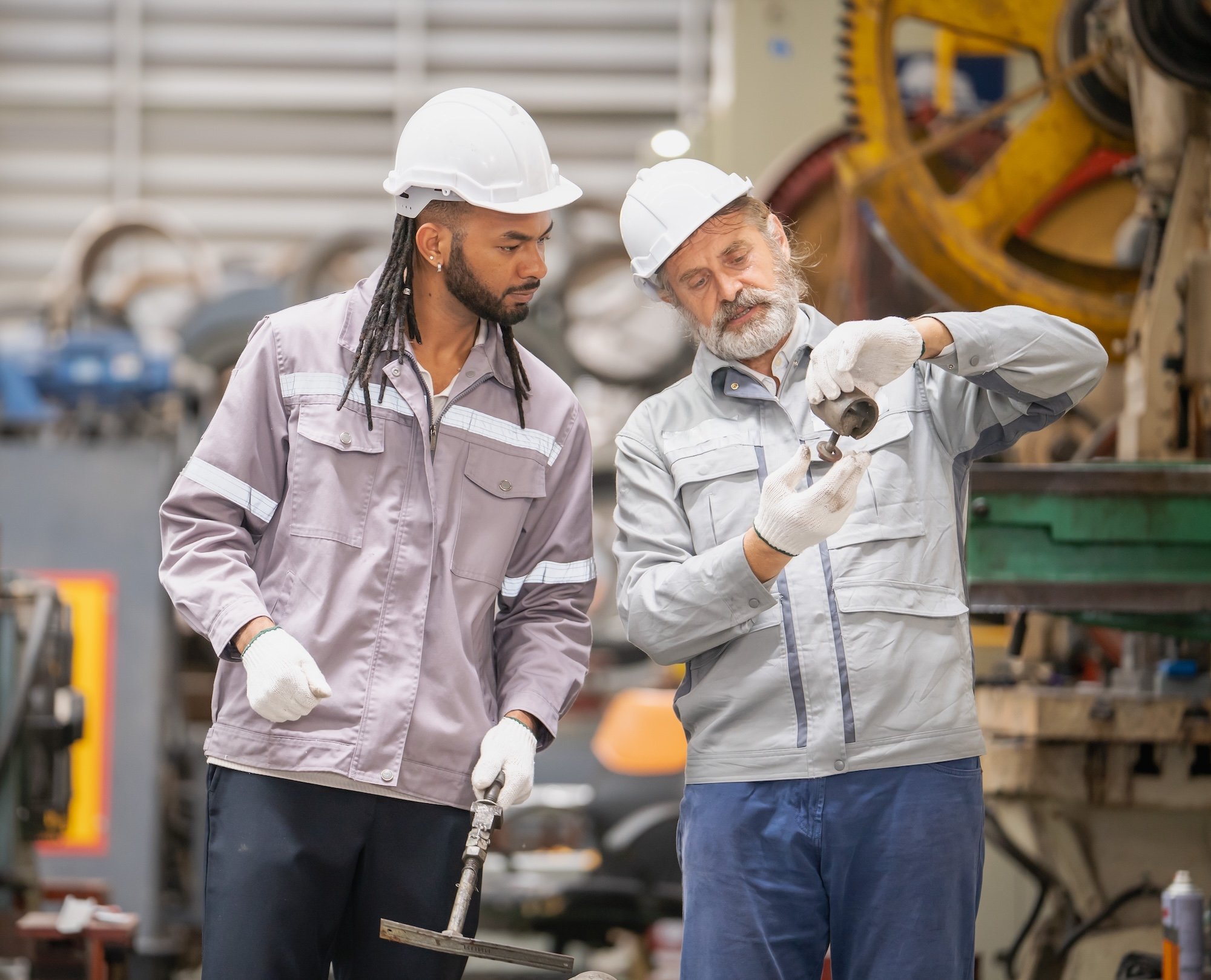
A workforce that is actively engaged is more likely to be invested in the success of their tasks and, by extension, the company’s objectives. This investment translates into greater attention to detail, a more proactive approach to problem-solving, and a willingness to contribute innovative ideas that can streamline production processes. Engaged workers are more attuned to identifying inefficiencies, suggesting improvements, and implementing best practices. This leads to fewer errors, smoother operational workflows, and an overall enhancement in plant performance and output. The ripple effect of engaged frontline workers can be seen in reduced waste, improved product quality, and increased throughput, all of which contribute directly to the bottom line.
Increased Employee Satisfaction: The Foundation of a Positive Workplace Culture
Engagement is intrinsically linked to job satisfaction. When employees feel connected to their work, their colleagues, and the organization’s mission, their overall job satisfaction naturally increases. This heightened satisfaction fosters a more enthusiastic and proud workforce, individuals who take genuine pride in their roles and contributions. Higher levels of job satisfaction are a powerful driver of strong team morale and contribute significantly to the development and maintenance of a positive and supportive workplace culture. A workplace characterized by high morale and positive culture is more resilient, innovative, and attractive to top talent.
Navigating the Unique Challenges of Engaging Deskless Workers in Manufacturing
Deskless manufacturing workers operate within environments that are fundamentally distinct from those of their office-bound counterparts. Their work is typically hands-on, physically demanding, and often takes place on a factory floor or across multiple dispersed locations. Crucially, they frequently lack regular, consistent access to desktop computers, internal company portals, or email systems, posing significant barriers to traditional engagement methodologies.
These unique operational conditions necessitate tailored strategies that acknowledge and address the realities of shift work, limited technology access, and the physical demands of the job. Understanding these inherent challenges is paramount for designing and implementing effective engagement programs that truly resonate with this vital workforce.
Communication and Technology Gaps: Bridging the Digital Divide
The absence of constant computer access creates a significant communication hurdle. Traditional channels like internal email or company intranets become ineffective, leading to information silos, delays in message dissemination, and a feeling of being out of the loop for many frontline workers. This can breed misinformation, reduce awareness of important company updates, and hinder collaborative efforts. Bridging this gap requires a strategic shift towards leveraging mobile-friendly tools and accessible platforms that can deliver timely and inclusive messages. The rise of mobile technology, with its widespread adoption across demographics, presents a powerful opportunity to democratize information access.
Isolation and Disconnection: Fostering a Sense of Belonging

Manufacturing operations often run on staggered shifts or around the clock to maximize production. This can result in limited interaction among colleagues outside of immediate work teams. The inherent nature of shift work can foster physical and social isolation, leading to feelings of disconnection from the broader organization and its overarching goals. Without deliberate efforts to foster connection, these workers may feel like cogs in a machine rather than integral members of a team. Regular engagement initiatives must actively create opportunities for meaningful connection and inclusion, transcending the constraints of disparate work schedules.
Irregular Schedules: Adapting to the Rhythms of Shift Work
Shift work and non-standard working hours are endemic to the manufacturing sector. These irregular schedules can disrupt consistent communication and engagement efforts. Workers on night shifts or rotating schedules may miss important announcements made during standard business hours or struggle to participate in live events or training sessions. Consequently, engagement strategies must be inherently flexible, adaptable, and considerate of these schedule complexities. A one-size-fits-all approach to communication and engagement will invariably fall short.
Physical Demands and Shift Work Realities: Prioritizing Well-being
The inherent physical intensity of manufacturing work, coupled with the demands of shift rotations, can lead to fatigue and burnout. This physical and mental toll can significantly impact a worker’s willingness or ability to engage with company programs that extend beyond their core responsibilities. This reality places a premium on designing engagement activities that are simple, energy-conscious, and respectful of workers’ limited personal time. Furthermore, supporting worker well-being through practical, tangible measures can proactively mitigate these challenges, fostering a healthier and more engaged workforce.
Strategies for Effective Deskless Workforce Engagement
To truly engage this often-underserved segment of the workforce, HR leaders must embrace practical, tailored approaches grounded in the day-to-day realities of their roles. The following strategies, when implemented thoughtfully, can foster a more connected, motivated, and productive deskless workforce.
1. Implement a Mobile-First Communication Strategy:
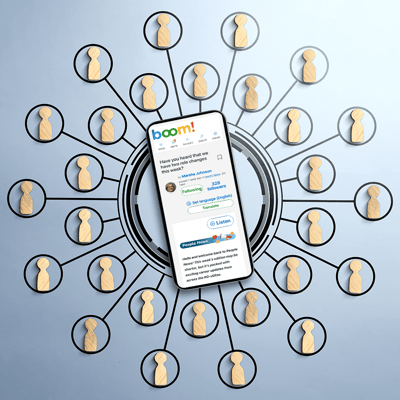
In an era where smartphones are ubiquitous, a mobile-first communication strategy is no longer a recommendation but a necessity. Utilizing mobile-friendly tools such as dedicated employee engagement apps, SMS messaging, or even well-designed mobile-responsive web portals ensures that important messages reach workers quickly and directly, irrespective of their location or access to a desk. This approach guarantees that critical information is timely, accessible, and easily digestible. Mobile communication also facilitates real-time updates, which are indispensable in the dynamic and often fast-paced environment of manufacturing. This ensures that all workers, regardless of their shift, are kept informed of operational changes, safety alerts, or company news.

2. Tailor Content and Segment Communication:
A generic, one-size-fits-all communication approach is unlikely to resonate with a diverse deskless workforce. Instead, organizations should implement a segmented communication strategy. This involves customizing messages based on factors such as shift, role, department, or specific worksite. Targeted content is more relevant, reduces information overload, and significantly increases the likelihood of engagement. By ensuring that each worker receives information that directly impacts their daily tasks and responsibilities, communication becomes more meaningful and impactful. This also allows for the dissemination of role-specific training materials or safety guidelines, ensuring that information is pertinent and actionable.
3. Foster Two-Way Communication and Feedback Loops:
True engagement is a dialogue, not a monologue. Establishing clear and accessible channels where workers can openly share their ideas, concerns, and feedback is crucial. This fosters a sense of trust, collaboration, and psychological safety. Regular feedback mechanisms, whether through suggestion boxes, anonymous surveys accessible via mobile, or dedicated Q&A sessions, empower employees and provide valuable insights for leadership. This inclusive approach not only helps in proactively addressing issues before they escalate but also strengthens workplace relationships and demonstrates that employee voices are heard and valued. For manufacturing environments, this can involve mechanisms for reporting equipment issues, suggesting process improvements, or raising safety concerns without fear of reprétroaction.
4. Leverage Meaningful Recognition and Rewards:
Acknowledging and celebrating the achievements of deskless workers is a powerful engagement driver. This recognition should be meaningful and align with individual and team motivations. Public acknowledgment, such as shout-outs in team huddles, digital badges on an employee app, or small, tangible rewards, can significantly boost morale and encourage continued excellence. Consistent and authentic recognition reinforces positive behaviors, builds a culture of appreciation, and reminds workers that their efforts are seen and valued. For manufacturing teams, recognizing exceptional safety records, productivity milestones, or problem-solving initiatives can have a profound impact.
5. Prioritize Safety and Well-being Initiatives:
The physical and mental well-being of deskless workers should be a paramount concern. Embedding comprehensive well-being initiatives that address both physical demands and mental health supports workers holistically. This can include ergonomic assessments, access to mental health resources, flexible break policies, and programs that promote healthy lifestyle choices. Prioritizing safety not only reduces the risk of injuries but also cultivates a healthier, more sustainable workforce. When employees feel genuinely cared for by their employer, their engagement levels and attentiveness on the job naturally increase. For manufacturing workers, this might involve readily available first-aid, access to stress management resources, or programs that address the physical strain of their roles.
6. Invest in Learning and Development Opportunities:
Providing accessible learning and development opportunities demonstrates an investment in the long-term growth and future of deskless employees. Offering flexible training programs that can be accessed during shifts or through mobile platforms helps build new skills and create clear career growth paths. Continuous development not only equips employees to adapt to evolving manufacturing roles and technologies but also serves as a significant motivator for ongoing engagement. Investing in employee development signals that the company sees their potential and is committed to their professional journey, fostering loyalty and reducing attrition. This could include training on new machinery, lean manufacturing principles, or leadership skills for aspiring supervisors.
The Future of Deskless Workforce Engagement
As businesses increasingly recognize the critical role of their deskless workforce, the focus on innovative and effective engagement strategies will only intensify. Companies that proactively invest in understanding and addressing the unique needs of these employees will undoubtedly reap significant rewards in terms of productivity, retention, and a thriving organizational culture. The shift towards a more inclusive and engaged workforce, where every employee feels valued and connected, is not just a trend; it is the future of successful business operations.
Reward Gateway | Edenred, a leading provider of employee engagement solutions, emphasizes that their mission is to "make the world a better place to work." They understand that deskless manufacturing workers are the indispensable backbone of numerous industries, and that meaningful engagement is the catalyst for lasting business success. By implementing integrated communication, recognition, and well-being solutions, HR leaders can empower their frontline workforce. This empowerment directly translates to boosted retention, enhanced safety, and increased productivity, all while cultivating a stronger, more connected organizational culture. The transformation of the manufacturing floor into a place where employees not only work but thrive daily is an achievable objective with the right strategic focus and technological support. Organizations looking to support their dispersed workforces, regardless of their location, can leverage platforms like Reward Gateway | Edenred’s Employee Experience platform and suite of integrated solutions. The commitment to making every corner of the world a better place to work is a testament to the growing understanding that engaged employees are the most valuable asset any company can possess.