The United States labor market demonstrated continued resilience in June, as evidenced by the latest Job Openings and Labor Turnover Survey (JOLTS) report released by the Bureau of Labor Statistics (BLS). While the total number of job openings saw a notable decrease, driven primarily by a significant pullback in the healthcare and social assistance sector, other indicators such as hiring rates and persistently low layoff figures suggest an underlying stability in the U.S. economy’s employment landscape. This nuanced picture provides a crucial backdrop for the Federal Reserve’s ongoing deliberations on monetary policy, particularly concerning inflation.
Key Findings from the June JOLTS Report
On the final day of June, the number of available job openings across the U.S. economy stood at 7.359 million. This figure represents a decrease of 178,000 from the preceding month, a decline that, while significant in absolute terms, was largely anticipated by economists. The BLS report, a critical barometer of labor demand, indicated that the openings rate, a measure of unfilled positions relative to the total number of jobs, dipped to 4.4% from 4.5% in May.
The most substantial contributor to this overall decline was the healthcare and social assistance sector, which experienced a reduction of 147,000 job openings. This sector, a significant employer in the U.S. economy, has been subject to various pressures in recent years, including workforce shortages and evolving demand patterns. The specific reasons for this sharp drop in openings within healthcare and social assistance in June will be a focal point for further analysis by labor market observers.
Hiring Activity and Layoff Rates: Indicators of Stability
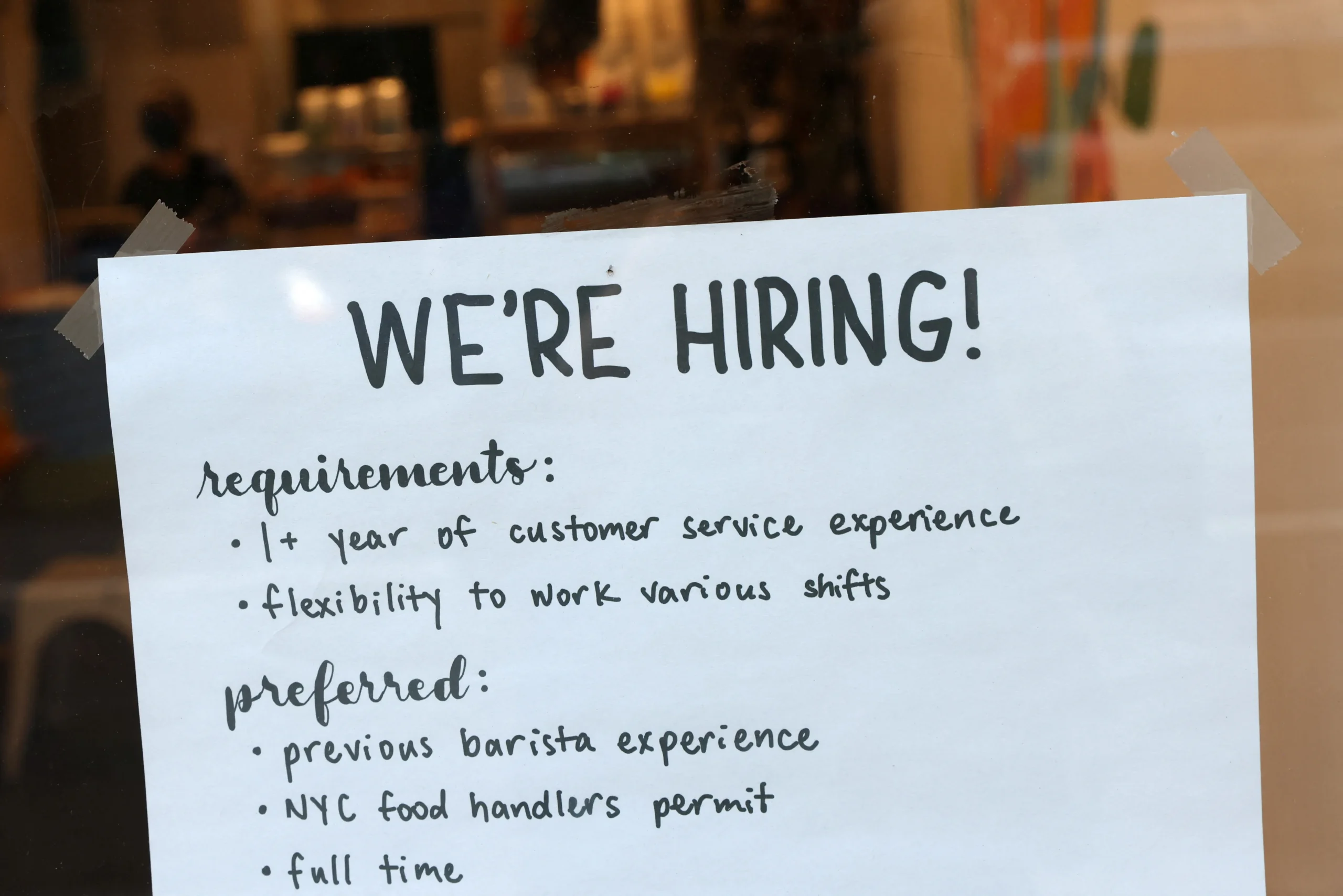
Despite the dip in job openings, the JOLTS report highlighted encouraging trends in other key labor market metrics. The number of hires increased by 96,000 in June, reaching a total of 5.348 million. This rise pushed the hires rate to 3.4% from 3.3% in May, signaling a sustained pace of employment additions across various industries. This increase in hiring, even as openings decreased, suggests that employers were actively filling available positions, albeit perhaps with a more targeted approach.
Crucially, the rate of layoffs and discharges remained remarkably low and stable. The total number of separations due to layoffs and discharges was 1.766 million, with the layoff rate holding steady at 1.1%. This low level of involuntary separations is a strong indicator of labor market tightness and employer confidence in future economic conditions. Businesses appear reluctant to shed workers, a sentiment that contrasts with periods of economic downturn where layoffs typically surge. This "slow-hire, slow-fire" dynamic, as characterized by some economists, suggests that companies are cautiously managing their workforces, prioritizing retention over rapid expansion or contraction.
Economists’ Perspectives and the Federal Reserve’s Dilemma
The JOLTS report, while informative, is subject to certain limitations, as noted by some economic analysts. A recent decline in the survey’s response rate has led some economists to advise caution in interpreting the absolute figures. Nevertheless, the overarching narrative of a stable labor market, characterized by steady hiring and low layoffs, is consistent with other recent economic data.

This persistent labor market strength presents a complex scenario for the Federal Reserve. The central bank has been engaged in a campaign to curb inflation, primarily through interest rate hikes. The Fed’s most recent policy meeting saw policymakers decide to maintain the benchmark federal funds rate within the 5.25%-5.50% range. However, the decision was not unanimous, with three members of the Federal Open Market Committee (FOMC) advocating for a 25-basis-point increase. This division underscores the ongoing debate within the Fed about the appropriate stance to manage inflation while avoiding an excessive slowdown in economic activity.
The "slow-hire, slow-fire" labor market environment is precisely what the Fed has been seeking to achieve. A cooling labor market, without triggering widespread job losses, is seen as conducive to bringing down inflation without inducing a severe recession. The JOLTS data, in this context, suggests that the Fed’s policies may be contributing to a more balanced labor market, allowing the central bank to maintain its focus on price stability.
Broader Economic Context and Future Outlook
The June JOLTS report arrives on the heels of other important economic indicators and ahead of upcoming employment data. Economists surveyed by Reuters, for instance, anticipate that nonfarm payrolls increased by approximately 80,000 jobs in July. This follows a more modest gain of 57,000 jobs in June. The Bureau of Labor Statistics is scheduled to release the July employment report on Friday, which will provide a more up-to-date snapshot of job creation.
The unemployment rate is also a closely watched metric. Current forecasts suggest that the unemployment rate will hold steady at 4.2%. However, there is a potential risk that this rate could edge higher. Evidence supporting this concern emerged from a recent Conference Board survey, which indicated a decline in the proportion of consumers who view jobs as "plentiful." This metric fell in July to its lowest level since February 2021, potentially signaling a shift in consumer sentiment regarding the labor market’s buoyancy.

Historical Context of the Labor Market and Job Openings
To fully appreciate the current JOLTS data, it’s helpful to consider the recent history of the U.S. labor market. Following the acute disruptions of the COVID-19 pandemic in early 2020, the labor market experienced an unprecedented surge in job openings. This surge was fueled by a combination of factors, including pent-up demand, government stimulus measures, and a significant shift in consumer spending patterns. By mid-2022, job openings had reached record highs, consistently exceeding the number of unemployed individuals seeking work. This imbalance created a highly competitive environment for employers, leading to wage pressures and contributing to inflationary concerns.
The decline in job openings observed in June represents a continuation of a trend that began in late 2022. As the Federal Reserve’s monetary policy tightening began to take effect and inflation started to show signs of moderating, the frenetic pace of job creation began to slow. However, the labor market has proven to be remarkably resilient, avoiding a sharp downturn. The current level of 7.359 million job openings, while lower than the peak, is still historically elevated, suggesting that labor demand, though cooling, remains robust.
The significant drop in openings within the healthcare and social assistance sector in June warrants particular attention. This sector has been at the forefront of labor shortages, with many healthcare professionals experiencing burnout and leaving the workforce during the pandemic. A decrease in openings could signal a stabilization of demand, a potential improvement in workforce availability, or a combination of both. It could also reflect budgetary constraints or shifts in service delivery models within these organizations. Further investigation into the specific sub-sectors within healthcare and social assistance that experienced the largest declines in openings would provide a clearer picture.
Analysis of Implications for Businesses and Workers

The current labor market dynamics have several implications for both businesses and workers. For businesses, the continued availability of workers, coupled with a slight easing of the intense competition for talent, may provide some relief. However, the overall stability of the market suggests that employers will likely need to continue offering competitive compensation and benefits to attract and retain skilled employees. The "slow-hire, slow-fire" environment means that businesses can afford to be more selective in their hiring processes, focusing on finding the right fit rather than filling roles hastily.
For workers, the persistently low layoff rates offer a degree of job security. While the rate of new job creation may be moderating, the demand for labor remains substantial. This means that individuals seeking new employment opportunities should still find a reasonable number of openings, although the bargaining power may have shifted slightly from its extreme peak. The continued emphasis on hiring suggests that skills and experience remain highly valued in the current economic climate.
Looking Ahead: The July Employment Report and Inflation Watch
The upcoming July employment report will be a crucial piece of data for assessing the ongoing trajectory of the U.S. labor market. Any significant deviation from the projected job gains or a notable change in the unemployment rate could influence the Federal Reserve’s future monetary policy decisions.
The persistence of inflation remains the primary concern for the Fed. While the labor market appears to be cooling in a controlled manner, the central bank will be closely monitoring all indicators to ensure that inflationary pressures continue to recede. The interplay between labor market dynamics, wage growth, and inflation will be a key theme in economic discussions throughout the remainder of the year.

The JOLTS report, with its detailed breakdown of job openings, hires, and separations, provides an invaluable, albeit complex, window into the state of the U.S. labor market. The June data paints a picture of a market that is gradually recalibrating, moving away from the extreme tightness of the post-pandemic recovery but maintaining a solid foundation of employment stability. This careful balancing act is critical for navigating the current economic landscape and achieving the Federal Reserve’s dual mandate of maximum employment and price stability.