A recent comprehensive survey conducted by MyPerfectResume has brought to light a deeply concerning chasm of distrust and apprehension among employees regarding their Human Resources departments. The HR Perception Report unveils statistics that underscore a pervasive fear and reluctance to engage with HR professionals, signalling an urgent imperative for systemic transformation within HR practices across industries.
The Alarming Reality: A Crisis of Confidence
The headline figures from the MyPerfectResume survey paint a stark picture: a staggering 86% of respondents openly admitted to fearing Human Resources, while an almost identical 85% expressed significant hesitation in approaching HR professionals to discuss work-related issues. These numbers are not mere statistics; they represent a fundamental breakdown in trust and communication, severely hindering HR’s ability to fulfil its critical role as an employee advocate and strategic business partner. When such a vast majority of the workforce views HR with trepidation, it creates an environment ripe for unresolved conflicts, suppressed grievances, and ultimately, a detrimental impact on overall organizational health and productivity. The survey’s findings necessitate an immediate and profound re-evaluation of how HR departments operate, are perceived, and interact with the very people they are designed to support.
Unpacking the Roots of Reluctance: Systemic Issues at Play
A deeper analysis of the survey’s data reveals a multitude of interconnected factors contributing to this widespread employee distrust. The reluctance to engage with HR is not arbitrary but stems from deeply ingrained perceptions and, often, real-world experiences. Among the most prominent causes are:
- Fear of Retaliation and Repercussions: Many employees fear that raising concerns with HR, particularly about sensitive issues like workplace misconduct, discrimination, or managerial problems, could lead to negative consequences for their career progression, job security, or even result in outright termination. This perception often overrides the desire to seek resolution.
- Perception of HR as Management’s Agent: A significant portion of the workforce views HR as primarily serving the interests of management and the company, rather than acting as an impartial mediator or employee advocate. This perception undermines the idea of HR as a safe space for confidential discussions.
- Lack of Confidentiality and Trust: Employees frequently worry that their discussions with HR will not be kept confidential, leading to their concerns being disclosed to their managers or other parties without their consent, potentially exacerbating the original issue or creating new problems.
- Previous Negative Experiences: Past unsatisfactory interactions with HR, either personally or observed through colleagues’ experiences, can create a lasting impression of ineffectiveness, bias, or indifference, leading to a general avoidance of the department.
- Bureaucracy and Slow Resolution: The perception that HR processes are overly bureaucratic, slow, and often fail to yield satisfactory or timely resolutions to issues discourages employees from initiating contact.
- Perceived Lack of Empathy or Understanding: Employees often feel that HR professionals lack a genuine understanding of their specific workplace challenges, emotional distress, or the practical realities of their roles, leading to a feeling of being unheard or dismissed.
- Inconsistent Application of Policies: When employees observe that company policies and procedures are applied inconsistently or unfairly across different individuals or departments, it erodes faith in HR’s impartiality and fairness.
These pervasive factors point to systemic problems that HR departments must proactively and strategically address to cultivate a truly supportive, trustworthy, and effective environment for all employees.
The Historical Evolution of HR and the Growing Perception Gap
To fully appreciate the current crisis of confidence, it is crucial to understand the historical trajectory of Human Resources. What began as "personnel management" in the early 20th century, largely focused on administrative tasks such as payroll, benefits administration, and compliance with labor laws, has gradually evolved. Post-World War II, the focus shifted slightly towards employee welfare and industrial relations. However, the modern HR function truly began to take shape in the late 20th and early 21st centuries, transforming into a strategic partner responsible for talent acquisition, development, retention, organizational culture, and employee engagement.
This evolution was spurred by a recognition that human capital is a company’s most valuable asset and that effective management of this capital is critical for competitive advantage. The rise of complex legal frameworks (e.g., civil rights acts, disability acts, workplace safety regulations) further solidified HR’s role as a compliance gatekeeper. More recently, the COVID-19 pandemic, the increasing emphasis on Diversity, Equity, and Inclusion (DEI), and the growing focus on employee well-being and mental health have pushed HR into an even more central, yet often challenging, position.
The "perception gap" highlighted by the MyPerfectResume survey often stems from this rapid evolution. While HR departments aspire to be strategic partners and employee advocates, their operational realities, historical baggage, and sometimes a lack of resources or adequate training can leave employees perceiving them through the lens of their older, more administrative, or purely compliance-focused roles. This disconnect between aspiration and execution fuels the distrust.
Expert Insights: The Indispensable Role of Trust
Jasmine Escalera, a distinguished career expert at MyPerfectResume, underscores the profound significance of HR professionals in shaping the very fabric of an organization. "HR professionals play a crucial role in shaping company culture, retention, and employee morale," Escalera states, emphasizing that the inability or unwillingness of employees to engage with HR creates a critical void. She highlights the urgent necessity for HR departments to actively solicit employee feedback and critically reevaluate their methodologies.

Escalera’s warning resonates deeply: "If workers don’t feel comfortable reaching out to HR, those professionals can’t be effective in their role, and this can lead to a wide range of problems within the organization." This statement encapsulates the core issue. An HR department that is isolated from the workforce it serves cannot effectively identify, address, or mitigate workplace issues, develop talent, or foster a positive culture. The ‘wide range of problems’ can manifest as high turnover rates, low morale, decreased productivity, unaddressed harassment or discrimination, and even potential legal liabilities for the company. The efficacy of HR is directly proportional to the level of trust it commands from employees.
Pervasive Negative Perceptions and Their Tangible Impacts
Beyond the fear and hesitation, the MyPerfectResume survey further exposes widespread negative perceptions of HR departments that fundamentally undermine their functionality. These perceptions are not abstract but have concrete, detrimental effects on both employees and organizations:
- Untrustworthy and Secretive: Employees often perceive HR as opaque, withholding information, or operating with hidden agendas, reinforcing the belief that HR is not a neutral party.
- Biased Towards Management: The belief that HR consistently sides with management in disputes or always prioritizes company interests over employee well-being is a common grievance.
- Ineffective at Problem Solving: Many employees feel that bringing issues to HR rarely results in meaningful resolution, leading to cynicism and a reluctance to report future problems.
- Only There for Compliance or Disciplinary Actions: HR is often seen as a reactive department primarily engaged in enforcing rules, conducting investigations for misconduct, or facilitating terminations, rather than being a proactive resource for growth and support.
- Out of Touch with Employee Realities: A common complaint is that HR professionals, particularly in larger organizations, are disconnected from the day-to-day challenges and stresses faced by employees on the ground.
- Lack of Specialized Expertise: In an era demanding support for complex issues like mental health, DEI, and hybrid work challenges, some employees perceive HR as lacking the specialized knowledge or training to adequately address these nuanced needs.
The real-world implications of these pervasive negative perceptions are stark and far-reaching:
- Unresolved Workplace Conflicts: When employees avoid HR, conflicts fester, leading to toxic work environments and reduced team cohesion.
- Increased Employee Turnover: A lack of trust in HR means employees are more likely to leave an organization rather than seek internal resolution for their grievances, leading to significant recruitment and training costs.
- Deterioration of Company Culture: A distrustful relationship with HR erodes psychological safety, leading to a culture of fear, silence, and disengagement.
- Reduced Productivity and Innovation: Employees who feel unsupported or unheard are less likely to be engaged, creative, or productive.
- Elevated Legal Risks: Unreported issues of harassment, discrimination, or unsafe work conditions, if left unaddressed, can escalate into costly lawsuits and damage the company’s reputation.
- Mental Health Strain: The burden of unaddressed workplace issues can significantly impact employee mental health, leading to stress, burnout, and reduced well-being.
- Difficulty in Attracting Top Talent: A company’s reputation for poor HR relations can deter high-calibre candidates, especially those seeking supportive and ethical workplaces.
These statistics collectively reveal a significant and alarming gap between employee expectations and HR’s current delivery, necessitating immediate and comprehensive action to rebuild foundational trust and functionality.
Recommendations for HR Professionals: Charting a Path to Transformation
To effectively bridge this widening gap and rebuild the essential trust required for a thriving workplace, HR departments must embark on a journey of strategic and empathetic transformation. This involves a multi-faceted approach focused on transparency, effectiveness, and culture-building.
1. Building Unwavering Trust:
The foundational step is to dismantle the barriers of fear and secrecy, replacing them with pillars of trust and openness.
- Foster Transparency and Open Communication: Clearly articulate HR’s role, processes, and limitations. Explain how decisions are made, what employees can expect when they approach HR, and how confidentiality is maintained (or why it cannot be in specific legal cases).
- Ensure Impartiality and Fairness: HR must actively demonstrate its commitment to fairness and impartiality in all dealings. This means consistent application of policies, objective investigation processes, and a clear commitment to protecting employees from unfair treatment or retaliation.
- Prioritize Confidentiality: Reassure employees about the limits and scope of confidentiality. Establish clear protocols for handling sensitive information and strictly adhere to them. Communicate these protocols clearly to employees.
- Active Listening and Empathy Training: Equip HR professionals with advanced active listening skills and empathy training. Employees need to feel genuinely heard and understood, not just processed. This means validating concerns and acknowledging emotional impact.
- Proactive Engagement and Outreach: Don’t wait for problems to arise. HR should regularly engage with employees through town halls, anonymous surveys, open-door sessions, and informal check-ins to build rapport and demonstrate accessibility.
- Regular Feedback Mechanisms: Implement robust, anonymous feedback channels (e.g., pulse surveys, suggestion boxes, culture committees) to gather employee sentiments and demonstrate that their input is valued and acted upon.
- Champion Employee Advocacy: Position HR as a true advocate for employee rights and well-being, actively working to create a positive and safe work environment for everyone, not just enforcing rules.
2. Enhancing Operational Effectiveness:
Trust is built on capability. HR must demonstrate that it can competently and efficiently address issues and provide valuable support.
- Streamline Processes and Improve Responsiveness: Review and optimize HR processes, particularly for conflict resolution, grievance handling, and support requests. Aim for quicker, more transparent, and satisfactory resolutions.
- Invest in Continuous Professional Development: Ensure HR staff are highly trained in areas such as conflict resolution, mediation, psychological safety, mental health first aid, diversity and inclusion best practices, and contemporary labor laws.
- Leverage Data and Analytics: Utilize HR data to identify recurring issues, track resolution times, measure employee satisfaction with HR services, and proactively address systemic problems before they escalate.
- Clear Communication Channels: Establish multiple, easily accessible channels for employees to reach HR, ensuring that all inquiries are acknowledged promptly and directed to the appropriate specialist.
- Empower Frontline Managers: Train and empower managers to handle routine employee issues effectively and empathetically, positioning HR as a valuable resource and expert consultant for more complex situations.
3. Fostering a Positive and Inclusive Culture:
HR is a key architect of organizational culture. Its actions and attitudes profoundly influence the overall workplace environment.
- Lead by Example: HR must embody the values and culture the organization aspires to, acting as a role model for integrity, respect, and open communication.
- Promote Psychological Safety: Actively work with leadership to create an environment where employees feel safe to speak up, take risks, and make mistakes without fear of punishment or humiliation.
- Develop Robust Well-being Programs: Champion and implement comprehensive employee well-being programs, including mental health support, stress management resources, and work-life balance initiatives.
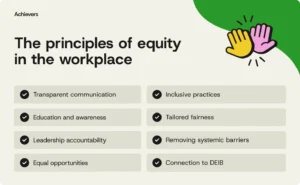
- Champion Diversity, Equity, and Inclusion (DEI): HR must be at the forefront of authentic DEI initiatives, ensuring equitable opportunities, fostering an inclusive environment, and actively addressing biases.
- Facilitate Professional Growth and Development: Support employees’ career aspirations through robust training programs, mentorship opportunities, and clear pathways for advancement.
- Recognize and Reward Contributions: Work with management to establish fair and transparent recognition and reward systems that acknowledge employee efforts and achievements.
Moving Forward: A Strategic Imperative
The findings from MyPerfectResume’s HR Perception Report are more than just statistics; they are a resounding wake-up call for HR departments worldwide. They reveal a clear, undeniable need for HR to evolve beyond its traditional roles and embrace a proactive, empathetic, and strategically aligned approach. The consequences of inaction—deteriorating morale, increased turnover, reduced productivity, and heightened legal risks—are simply too significant to ignore.
By systematically addressing the core issues of trust, effectiveness, and approachability, HR can transform itself from a frequently feared or avoided entity into a genuinely supportive and invaluable partner in the workplace. The future success of organizations hinges on their ability to cultivate environments where employees feel safe, heard, respected, and empowered. This requires HR to become a true champion of the employee experience, ensuring a positive, productive, and psychologically safe work environment for all. This transformation is not merely a departmental goal; it is a strategic imperative for sustained organizational vitality and success in the modern era.