Employee turnover is not merely a statistical anomaly; it is a profound and often urgent message employees convey to their managers and organizations. When individuals choose to leave, they are, in essence, communicating a deficiency or misalignment within their work environment, their roles, or the broader company culture. The fundamental challenge for leadership lies in accurately deciphering this unspoken message and implementing effective, preventative measures before an organization’s most valuable assets—its people—decide to seek opportunities elsewhere. By thoroughly understanding the multifaceted drivers of turnover, companies can proactively sculpt a culture where employees feel genuinely seen, robustly supported, and intrinsically motivated to commit to their roles for the long term.
The Quantitative Measure: How to Calculate Employee Turnover Rate
While often perceived as less glamorous than sales figures or profit margins, employee turnover rates offer invaluable insights into the intrinsic health of a company’s culture and operational efficacy. Fortunately, deriving these critical metrics does not necessitate advanced financial acumen or prophetic foresight. A straightforward formula, coupled with diligent data collection, provides the clarity needed.
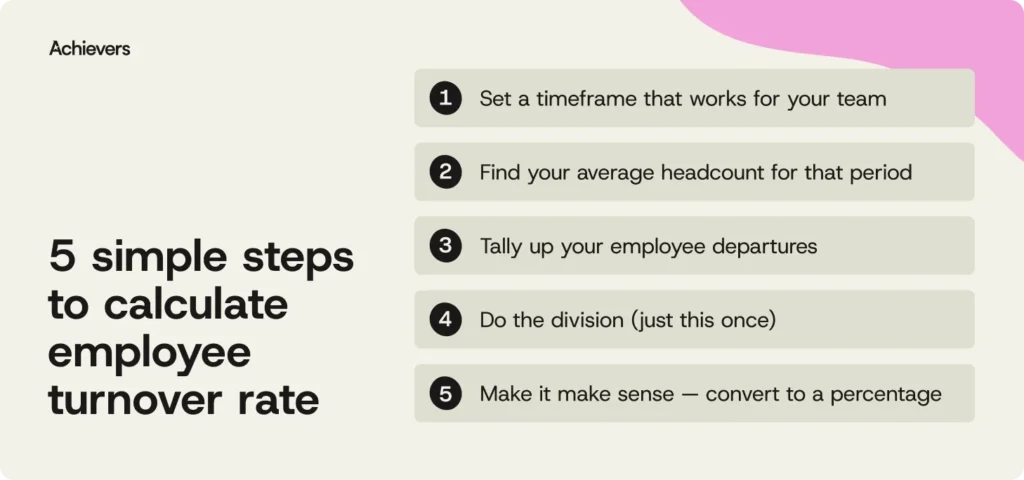
The basic formula for calculating employee turnover rate over a specified period is:
Employee Turnover Rate = (Number of Employee Departures / Average Number of Employees) * 100
To illustrate, consider an organization with an average headcount of 90 employees over a fiscal year, during which 6 employees departed. The calculation would be:
Turnover Rate = (6 / 90) * 100 = 6.67%
This percentage provides a foundational understanding of "what" is happening within the workforce. However, the true value emerges when this quantitative data is coupled with qualitative insights to understand "why" these movements occur. It is at this juncture that factors like employee recognition and appreciation emerge as critical levers for retention. Data from the Achievers Workforce Institute (AWI) 2026 Engagement and Retention Report underscores this vital connection, revealing stark realities:
- Only 25% of employees feel appreciated at work: This statistic signals a significant chasm in the employee experience, highlighting a pronounced opportunity for organizations to enhance engagement and preempt potential turnover.
- Employees who feel appreciated are 2.5 times more likely to stay: This insight transforms into actionable strategy, demonstrating a direct correlation between increased recognition and improved retention outcomes.
- 75% of employees indicate that the removal of rewards would influence their decision to leave: This finding emphasizes that recognition, when synergistically paired with meaningful rewards, reinforces an employee’s perceived value in tangible ways, fostering sustained engagement and long-term loyalty.
Turnover data pinpoints areas of employee attrition, while a robust recognition framework illuminates the path to sustained retention. Consequently, leading organizations transcend mere measurement; they strategically invest in comprehensive recognition and rewards programs designed to cultivate an environment where employees feel acknowledged, supported, and confident in their professional future within the company.
Decoding the Numbers: What Turnover Rates Reveal About Organizational Health
Calculating the turnover rate is merely the first step; the subsequent, more crucial phase involves interpreting what these numbers signify for your organization. A high turnover rate functions as an undeniable red flag, signaling systemic issues that may range from inadequate compensation structures to a toxic workplace culture. Conversely, a consistently low turnover rate often suggests a stable, engaged workforce that feels valued, heard, and genuinely committed to the organization’s mission. However, it’s essential to differentiate between healthy low turnover and stagnation, where disengaged employees might stay due to lack of better options, rather than genuine satisfaction.
Here’s a nuanced interpretation of what various turnover rates might communicate:
High Turnover Might Be Saying:
- Compensation and Benefits are Uncompetitive: Employees are finding better financial packages elsewhere.
- Poor Management and Leadership: Ineffective or unfair management practices are driving talent away.
- Lack of Career Development and Growth Opportunities: Employees perceive a dead end for their professional aspirations.
- Toxic or Unsupportive Workplace Culture: A lack of psychological safety, respect, or inclusion is prevalent.
- Work-Life Imbalance and Burnout: Excessive workloads and insufficient support lead to exhaustion.
- Ineffective Onboarding and Integration: New hires are not adequately supported or integrated, leading to early departures.
Low Turnover Could Be Telling You:
- Strong Employee Engagement and Satisfaction: Employees are happy, motivated, and committed.
- Competitive Compensation and Benefits: The organization offers attractive packages that meet or exceed market standards.
- Positive and Supportive Company Culture: A healthy environment fosters belonging and collaboration.
- Clear Career Paths and Development Opportunities: Employees see a future for themselves within the company.
- Effective Leadership and Management: Managers are skilled at supporting and developing their teams.
- Robust Employee Well-being Programs: Initiatives supporting physical, mental, and emotional health are effective.
It is crucial to acknowledge that every organization possesses a unique operational context, meaning turnover dynamics will always present with specific nuances. Nevertheless, the turnover rate, regardless of its magnitude, serves as a potent starting point for a deeper investigation into the underlying factors compelling employees to depart—or, critically, to remain.
The "Why" Behind Departures: Common Drivers of High Turnover
While the specific reasons for employee turnover can vary by industry, role, and individual circumstances, several common culprits consistently contribute to elevated attrition rates. These factors, if left unaddressed, can create a revolving door syndrome within an organization.
- Lack of Growth and Development Opportunities: Modern employees, particularly younger generations, prioritize learning and career progression. When companies fail to provide clear pathways for skill development, mentorship, or advancement, ambitious individuals will naturally seek environments that do.
- Poor Leadership and Management: The adage "people leave managers, not companies" holds significant truth. Ineffective, micromanaging, unsupportive, or unfair managers can rapidly erode employee morale, engagement, and loyalty. Lack of constructive feedback, favoritism, or a disregard for employee well-being are major contributors.
- Uncompetitive Compensation and Benefits: While not always the sole reason, inadequate salaries and benefits packages are frequently a primary driver of departures. In a competitive labor market, employees are acutely aware of their market value and will move to organizations that offer fair remuneration and comprehensive benefits, including health, retirement, and work-life flexibility.
- Toxic Workplace Culture: A culture characterized by disrespect, lack of psychological safety, discrimination, excessive bureaucracy, or a failure to recognize contributions creates an unbearable environment. Employees thrive in inclusive, supportive, and appreciative cultures.
- Work-Life Imbalance and Burnout: Persistent long hours, high-pressure environments without adequate support, and a lack of boundaries between work and personal life lead to severe burnout. Companies that fail to promote work-life integration or offer wellness support risk losing employees to exhaustion.
- Lack of Recognition and Appreciation: As highlighted by AWI data, feeling unappreciated is a significant factor. Employees need to know their efforts are valued and contribute meaningfully to the organization’s success. A deficit in recognition can quickly lead to disengagement and a desire to seek appreciation elsewhere.
- Poor Fit with Company Values or Mission: Some employees may leave because they no longer resonate with the company’s strategic direction, ethical stance, or core values. A misalignment can lead to a sense of disillusionment and a search for more purpose-driven work.
- Ineffective Onboarding: The first few months are critical. A disjointed or unsupportive onboarding process can leave new hires feeling isolated, confused, and questioning their decision to join, often leading to early exits.
The Tangible and Intangible Costs: Economic and Cultural Repercussions of High Turnover
The impact of employee turnover extends far beyond a simple statistic; it creates a cascading ripple effect that permeates every facet of a business. High turnover is not merely a line item on a spreadsheet; it represents a significant drain on financial resources, time, energy, and can lead to a demoralized remaining workforce.
Turnover is Expensive:
Replacing a single employee can incur costs ranging from 40% to an astonishing 200% of their annual salary, a figure widely supported by research from institutions like Gallup and the Society for Human Resource Management (SHRM). For highly specialized or senior roles, these costs can even exceed 200%. This staggering expense encompasses direct costs such as recruitment advertising, agency fees, background checks, and the extensive time HR and hiring managers dedicate to interviewing and selection. Indirect costs, however, are often more insidious and include the significant investment in onboarding and training new hires, who typically require several months to reach full productivity. During this ramp-up period, there is an inevitable loss of productivity from both the departing employee and the team members who must temporarily absorb their responsibilities. This financial strain can necessitate budget reforecasting, delay strategic initiatives, and provoke considerable concern from chief financial officers. Furthermore, the psychological toll on remaining employees, who witness colleagues departing, can lead to decreased morale, heightened stress, and a pervasive sense of instability, fostering questions about their own future within the organization.
Turnover Negatively Impacts Culture:
Each departure signifies the loss of more than just an individual; it represents the exodus of relationships, invaluable institutional knowledge, specific skill sets, and often, a considerable workload. This workload does not vanish; it is redistributed among the remaining team members, leading to increased pressure and potential burnout among high performers. When employees are consistently stretched thin, frustration mounts, and the perception of a healthy company culture erodes. The continuous disruption caused by departures can fracture team cohesion, weaken collaborative efforts, and make it challenging to maintain a consistent organizational identity. A culture constantly in flux due to turnover struggles to build trust, foster innovation, and cultivate a sense of shared purpose.

Turnover Quietly Slows Company Growth:
High employee turnover can subtly but profoundly impede an organization’s capacity for growth and scalability. Frequent departures disrupt project continuity, especially long-term strategic initiatives, leading to delays and missed opportunities. It weakens critical customer relationships as clients lose familiar points of contact, potentially impacting satisfaction and loyalty. The constant drain of institutional knowledge means that lessons learned are often lost, leading to repeated mistakes and a slower pace of innovation. Maintaining consistency across operations, leadership, and cultural values becomes an arduous task when key personnel are continually changing. In the long run, this erosion of stability and expertise can severely damage an employer’s brand reputation, making it increasingly difficult to attract and secure the top talent essential for recovery and sustained growth.
Evolution of Retention: A Historical Perspective and Modern Imperatives
The landscape of employee retention has undergone a significant transformation over the past few decades, evolving from a largely reactive, compensation-focused approach to a holistic, proactive strategy centered on employee well-being and development.
Historically, employee loyalty was often assumed, tied largely to long-term employment and pension benefits. Retention strategies were primarily transactional, focusing on competitive salaries and basic benefits. The advent of scientific management in the early 20th century emphasized efficiency and output, often overlooking the human element. The post-World War II era saw the rise of large corporations where employees often spent their entire careers, driven by a sense of stability and job security.
However, the late 20th century brought significant shifts. Globalization, technological advancements, and the rise of a more mobile workforce began to challenge traditional notions of loyalty. The focus shifted slightly to employee satisfaction surveys and attempts to address basic grievances.
The 21st century, particularly the last decade, has witnessed an acceleration of this evolution. The "Great Recession" initially created a climate where job security was paramount, but the subsequent economic recovery and tightening labor markets empowered employees. The "Great Resignation" or "Great Reshuffle" of 2021-2022, triggered by the COVID-19 pandemic, served as a watershed moment. Millions of employees globally re-evaluated their priorities, leading to unprecedented levels of voluntary departures. This period underscored that employees were no longer willing to tolerate poor work-life balance, unsupportive cultures, or a lack of purpose. It forced organizations to fundamentally rethink their approach to talent.
Modern retention strategies are no longer just about preventing departures but about cultivating environments where employees actively choose to thrive. This shift emphasizes psychological safety, belonging, continuous learning, and purpose-driven work, moving beyond mere "satisfaction" to "engagement" and "flourishment."
Strategic Pillars for Retention: Cultivating a Thriving Workforce
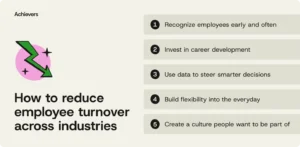
The most effective strategies for reducing employee turnover are rarely about quick fixes or superficial perks. Instead, they center on intentional culture building, genuine investment in people, and creating an environment where employees feel valued, empowered, and have a clear path for growth. Great employees do not leave because they feel overly appreciated, excessively supported, or profoundly fulfilled. Reducing turnover is an outcome of strategic foresight and consistent effort.
Fostering a Culture of Appreciation and Belonging
At the heart of a resilient organization is a culture that intrinsically feels good to be a part of. This necessitates moving beyond sporadic acknowledgments to embed appreciation into the daily fabric of the workplace. Robust employee recognition programs are not merely "nice-to-have" amenities; they are foundational to boosting morale, reinforcing desired behaviors, and signaling to employees that their contributions are genuinely valued. When executed effectively, these programs create a positive feedback loop that makes employees pause before considering external opportunities.
Beyond recognition, a sense of belonging is paramount. This involves cultivating an inclusive environment where diversity is celebrated, and every employee feels psychologically safe to express ideas, ask questions, and be their authentic self without fear of retribution. Regular, open communication, transparent decision-making, and opportunities for cross-functional collaboration all contribute to this vital sense of community.
Furthermore, a genuine commitment to employee wellness is critical. Offering comprehensive support for physical, mental, and emotional health—ranging from gym memberships and mental health days to flexible work arrangements and resources for work-life balance—sends an unequivocal message: the company values its employees as whole individuals, not just as productive units. This holistic approach builds trust and loyalty, forming a strong emotional connection between the employee and the organization.
Investing in Employee Growth and Development
A forward-thinking organization understands that if employees can envision and achieve their career aspirations internally, the impetus to seek external opportunities diminishes significantly. Therefore, a robust investment in professional development is not merely a perk but a proven retention tool. This includes:
- Clear Career Pathways: Articulating transparent routes for advancement within the company, showing employees what their future could look like.
- Learning and Development Programs: Providing access to continuous learning opportunities, including upskilling (enhancing current skills) and reskilling (learning new skills for different roles). This could be through workshops, online courses, certifications, or internal training modules.
- Mentorship and Coaching: Establishing programs that pair employees with experienced mentors or coaches who can guide their professional journey, offer insights, and provide constructive feedback.
- Stretch Assignments and Rotational Programs: Giving employees opportunities to take on new challenges, work on diverse projects, or rotate through different departments to broaden their experience and skill set.
Such investments demonstrate a company’s commitment to its employees’ long-term success. This not only prepares the internal talent pipeline for future leadership roles and reduces reliance on costly external hires but also significantly reinforces trust. When employees perceive that their organization is actively investing in their growth, they are far more likely to reciprocate with enhanced commitment, loyalty, and sustained high performance.
Competitive Compensation and Holistic Well-being
While not the only factor, competitive compensation remains a cornerstone of retention. Organizations must regularly benchmark salaries and benefits against industry standards to ensure they are offering fair and attractive packages. This includes not just base salary but also bonuses, equity, and a comprehensive benefits suite (health, dental, vision, retirement plans, parental leave, etc.). Beyond direct financial compensation, a focus on holistic well-being, including flexible work options (remote, hybrid, flexible hours), generous paid time off, and mental health support, reinforces a company’s commitment to employee welfare.
Effective Leadership and Continuous Feedback
Managers are the direct link between employees and the organization’s strategic vision. Investing in leadership development, training managers to be empathetic, communicative, and skilled coaches, is paramount. Empowering managers to provide regular, constructive feedback and to actively listen to their team members creates an environment of psychological safety and growth. Implementing continuous feedback loops, such as regular one-on-ones, stay interviews, and pulse surveys, allows organizations to proactively identify and address potential issues before they escalate into turnover.
The Role of Technology in Modern Retention Strategies
In today’s data-driven world, technology plays an increasingly critical role in supporting retention strategies. Human Resources Information Systems (HRIS) and dedicated employee engagement platforms offer powerful tools for tracking turnover metrics, identifying trends, and implementing proactive solutions. These platforms can facilitate:
- Data Analytics: Analyze demographic turnover, identify high-risk departments or roles, and predict potential future attrition.
- Personalized Recognition: Enable peer-to-peer and top-down recognition programs, ensuring timely and meaningful appreciation.
- Feedback Collection: Deploy pulse surveys, eNPS, and sentiment analysis tools to gather real-time employee feedback and identify areas for improvement.
- Learning Management Systems (LMS): Provide structured access to professional development courses and track employee progress.
- Wellness Platforms: Offer resources and programs to support employee physical and mental health.
By leveraging these technological advancements, organizations can move beyond anecdotal evidence, making data-informed decisions that strengthen their retention efforts and create a more responsive, adaptive workplace.
Conclusion: The Future of Employee Commitment
Building a workplace where individuals not only choose to stay but are also inspired to grow is inextricably linked to cultivating a robust and nurturing culture. When employees consistently feel recognized for their contributions, supported in their endeavors, and genuinely heard in their concerns, they respond with heightened engagement and a long-term commitment to the business’s success. It is precisely in this critical intersection of culture and commitment that platforms like Achievers demonstrate their transformative impact.
Achievers empowers organizations to forge enduring cultures of appreciation by seamlessly transforming everyday interactions into profoundly meaningful recognition moments. Moreover, by simplifying the process of collecting and responding to employee feedback, Achievers equips leaders with the agility to act decisively on the issues that matter most to their workforce. The tangible outcome of such integrated strategies is a workforce that is not only valued and energized but also resolutely prepared to commit to the organization for the long haul, thereby transforming the challenge of employee turnover into a powerful catalyst for sustained organizational flourishing.