The healthcare industry stands at a critical juncture, grappling with an unprecedented crisis characterized by soaring burnout rates, alarming staff turnover, and a pervasive sense of undervaluation among its dedicated professionals. According to the Achievers Workforce Institute (AWI), a staggering 82% of healthcare employees do not feel meaningfully recognized, a statistic that underscores a profound disconnect in an environment where the stakes are inherently life-and-death. Working demanding 12-hour shifts, healthcare professionals meticulously balance patient care, intricate paperwork, and the constant readiness for emergencies. In such high-pressure scenarios, feeling invisible or unappreciated is not merely demotivating; it is an unsustainable condition that directly threatens the quality and stability of care delivery. Effective recognition, when implemented thoughtfully and consistently, transcends simple gestures; it acts as a fundamental catalyst, transforming a workforce teetering on exhaustion into one invigorated by purpose, deeply rooted connections, and the powerful affirmation of a well-earned "thank you" that genuinely resonates.
The Pervasive Challenge of Burnout and Turnover in Healthcare
The challenges facing the healthcare workforce are not new, but they have been exacerbated dramatically in recent years. The COVID-19 pandemic shone an unforgiving spotlight on systemic vulnerabilities, pushing frontline workers to their physical and psychological limits. Even prior to the pandemic, burnout rates among physicians and nurses were alarmingly high, often exceeding 40-50% in various specialties. Post-pandemic, these figures have only intensified, with many professionals reporting symptoms of moral injury, compassion fatigue, and profound exhaustion. The American Medical Association (AMA) and the American Nurses Association (ANA) have consistently highlighted the critical need for systemic changes to support healthcare workers’ well-being, with recognition frequently cited as a key component.
The economic implications of this crisis are equally staggering. The average cost to replace a registered nurse, for instance, can range from $37,700 to $58,400, factoring in recruitment, onboarding, and training expenses. When multiplied across thousands of departing staff annually, these costs represent a significant drain on hospital budgets and operational efficiency. Furthermore, high turnover disrupts team cohesion, impacts institutional knowledge, and can lead to a decline in patient satisfaction and safety outcomes. A stable, engaged workforce is directly correlated with higher HCAHPS scores (Hospital Consumer Assessment of Healthcare Providers and Systems) and reduced medical errors, underscoring recognition as not just a morale booster, but a strategic imperative for organizational health and patient welfare.
Evolution of Recognition in Healthcare: A Brief Chronology
Historically, recognition in healthcare often manifested through informal gestures or annual awards. While well-intentioned, these sporadic efforts frequently fell short of creating a pervasive culture of appreciation. The mid-2000s saw a growing awareness of employee engagement, with some organizations beginning to implement more structured recognition programs. However, these often remained siloed or lacked integration into daily workflows.
The digital transformation era, particularly over the last decade, brought about the rise of specialized employee recognition platforms. These technologies offered the promise of making recognition more frequent, visible, and accessible. The post-pandemic period has accelerated this shift, as healthcare systems realized that traditional methods were insufficient to combat the scale of burnout and turnover. The focus has moved from transactional rewards to meaningful, values-aligned recognition that fosters psychological safety and belonging. Organizations are now seeking comprehensive solutions that integrate recognition into the very fabric of their operational and cultural strategies, understanding it as a continuous process rather than an episodic event.

Key Strategies for Cultivating a Culture of Meaningful Recognition
Creating an effective recognition culture in healthcare requires a multi-faceted approach that goes beyond simple "thank you" notes. It demands intentionality, strategic planning, and consistent execution. The following best practices provide a blueprint for healthcare organizations aiming to genuinely uplift and retain their invaluable workforce:
1. Integrate Recognition as a Core Element of Employee Experience:
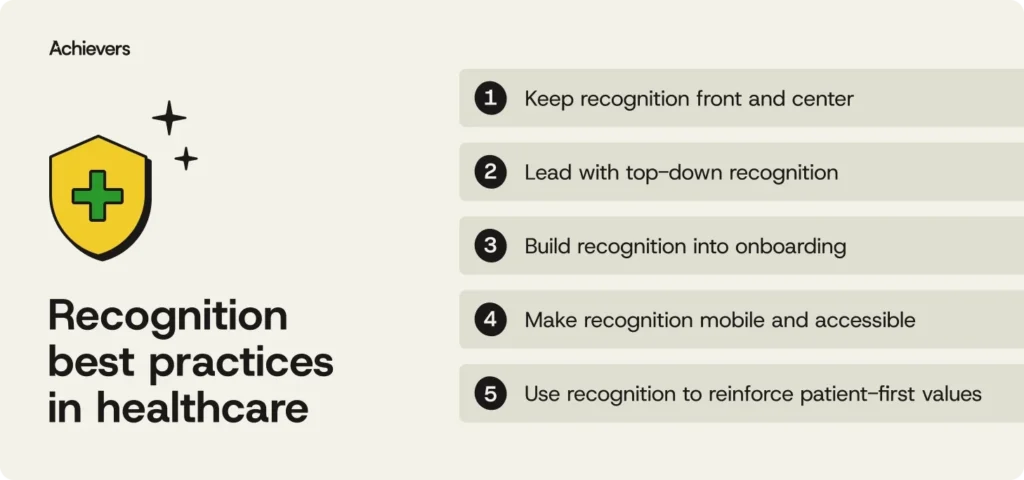
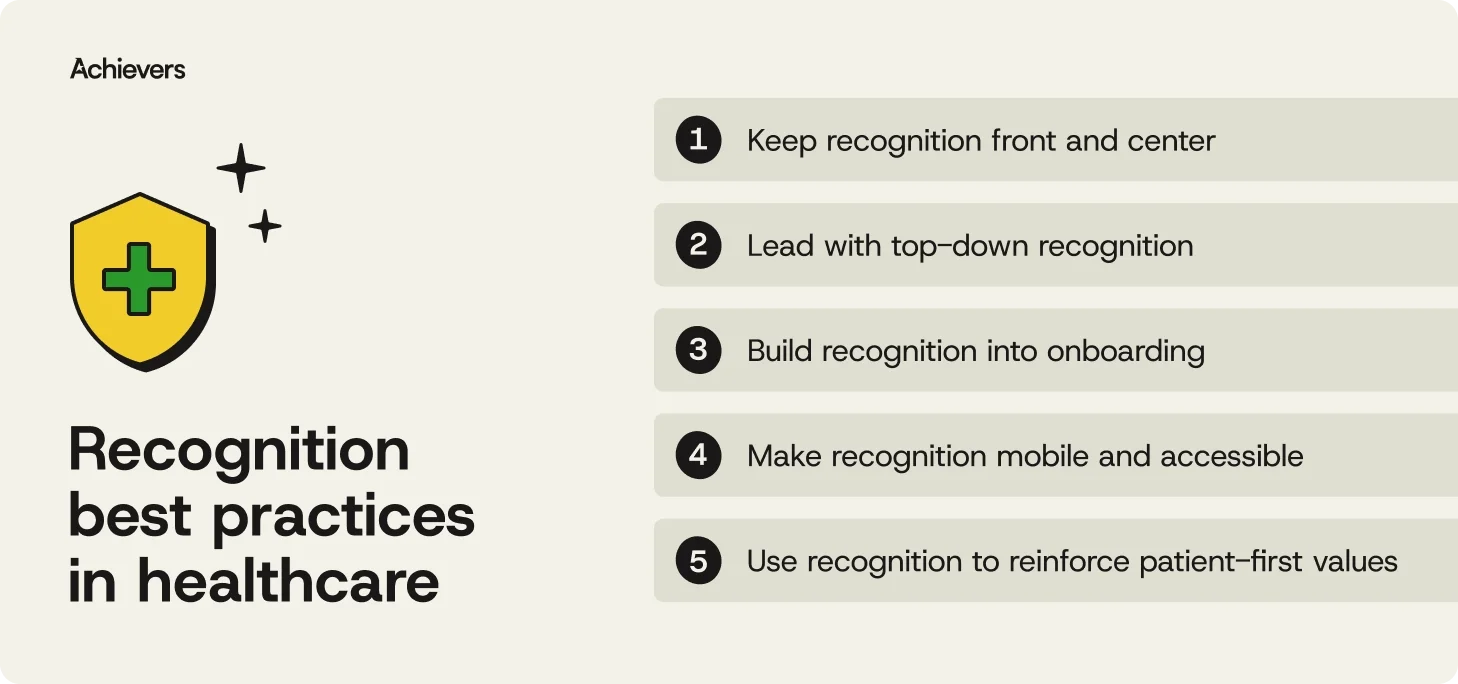
Recognition must transition from an optional add-on to an indispensable component of the daily employee experience. This means keeping it "front and center" through continuous campaigns tailored to the unique rhythms of healthcare, such as Nurses Week, Hospital Week, or even spontaneous mid-shift spotlights. Utilizing every available communication channel – from internal newsletters and manager huddles to intranet banners, quick video shout-outs, and even external recognition programs – helps embed the habit of appreciation. In an environment where long shifts often blur into one another, a timely and specific acknowledgment can cut through the noise, making a profound impact on an individual’s sense of value. Consistent visibility ensures that recognition becomes a shared organizational value, not just a departmental initiative.
2. Drive Recognition from the Top Down:
Leadership plays an instrumental role in shaping organizational culture. When managers and senior leaders actively engage in and champion recognition, they set a powerful tone that permeates throughout the entire institution. This commitment signals to employees that their contributions are genuinely valued at every level. The case of CHRISTUS St. Michael Health System exemplifies this principle; by building manager accountability for recognition, the organization observed tangible improvements, including stronger communication channels, a notable 2.9% reduction in nurse turnover, and a sixfold increase in near-miss reporting. This outcome underscores a crucial link: when leaders prioritize and model recognition, a positive shift in culture, safety, and employee retention naturally follows.
3. Weave Recognition into Onboarding Processes:
The journey of an employee begins on day one, and this is the opportune moment to introduce and normalize a culture of recognition. Best-in-class recognition platforms facilitate this by integrating into the onboarding process. New hires should be educated on how to utilize the recognition program, and it should be an explicit item on their onboarding checklist. When new team members are immediately empowered to give and receive appreciation, it fosters an authentic culture of mutual respect and support, rather than a top-down mandate. In healthcare, peer-to-peer appreciation carries particular weight; it’s one clinician affirming to another, "I understand your challenges, I see your efforts, and your work truly matters." This early immersion helps cultivate a sense of belonging and psychological safety from the outset.
4. Ensure Mobile and Accessible Recognition:
Given the predominantly "deskless" nature of much of the healthcare workforce, recognition must be highly mobile and easily accessible. Staff should be able to send and receive appreciation seamlessly from anywhere within the facility or even remotely. Whether it’s during a brief pause between patient rounds, a quick coffee break, or while commuting home after a demanding night shift, the ability to engage with recognition in the moment is paramount. The simpler and more convenient the process, the more frequently it will be utilized, allowing it to naturally integrate into the daily operational flow and become an ingrained aspect of the organizational culture. This meets employees where they are, rather than requiring them to seek out a recognition opportunity.
5. Align Recognition with Patient-First Values:
Recognition offers a powerful opportunity to reinforce an organization’s core values, especially those centered around patient care. By specifically highlighting actions that exemplify exceptional patient care – whether it’s a nurse’s quick thinking in an emergency, a technician’s meticulous attention to detail, or a support staff member’s small act of kindness that comforts an anxious family – organizations create a living blueprint for desired behaviors. This approach not only celebrates the individual but also publicly reinforces the standards and values that define outstanding care, inspiring others to emulate these actions. It transforms recognition into a tool for continuous quality improvement and cultural alignment.
6. Link Recognition to Career Development and Growth:
Burnout often flourishes in environments perceived as dead-ends. Tying recognition to skill development, advanced certifications, mentorship opportunities, or leadership potential signals to employees that the organization invests in their future. It communicates, "We value your contributions today, and we are committed to supporting your growth trajectory." In an industry where skilled talent is highly mobile and in demand, such future-focused recognition can be a decisive factor in retaining staff. It shows a commitment to their long-term professional journey, making them more likely to envision a sustained career within the organization.
7. Foster a Culture of Listening as Much as Celebrating:
Effective recognition is a two-way street, integrating celebration with genuine conversation. Pairing praise with robust feedback channels, such as voice of employee platforms, allows staff to articulate what is working well and identify areas for improvement. When leaders not only listen to this feedback but also visibly act upon it, they demonstrate that recognition is part of a broader, respectful dialogue. This reinforces trust and shows employees that their perspectives are valued and contribute to organizational evolution, making the celebratory aspects of recognition even more impactful. It builds psychological safety, where employees feel safe to voice concerns and contribute ideas.
8. Prioritize Personal and Specific Recognition:
Generic praise, such as "great job, team," quickly loses its impact. In healthcare, where individual actions often have profound consequences, recognition must be personal and highly specific to be truly meaningful. Acknowledging, "Your rapid diagnosis prevented significant complications for that patient," or "The empathy and calm you displayed with that anxious family made all the difference," carries far more weight. Tailoring the recognition style and any associated rewards to the individual, their role, and their personal motivators ensures that the appreciation resonates deeply. What motivates a nurse after a demanding 12-hour shift might differ significantly from what inspires an administrator or a lab technician, necessitating a nuanced approach.
9. Recognize Efforts to Support Well-being and Mental Health:
In an industry where the World Health Organization (WHO) reports that only 42% of surveyed countries provide mental health support for nurses, protecting employee well-being is not a luxury but a fundamental necessity for survival. Recognition can play a crucial role by highlighting individuals who model healthy boundaries, champion wellness initiatives, or actively step in to ensure a colleague can take a much-needed break. Even seemingly minor acknowledgments, such as commending a manager for ensuring their team takes lunch breaks away from the ward, reinforce that employee balance and mental health are prioritized. Over time, this deliberate recognition helps shift the organizational culture from one that tacitly accepts "burnout as part of the job" to one that actively proclaims, "We care for our people so they can optimally care for our patients." This is vital for combating moral injury and fostering a sustainable workforce.
The Role of Technology in Scaling Healthcare Recognition
While the principles of recognition are timeless, the scale and complexity of modern healthcare organizations demand robust technological solutions. Specialized employee recognition software is not just a convenience; it is a strategic tool designed to meet the unique operational challenges of the healthcare sector.
Platforms like Achievers are engineered to address the specific needs of healthcare organizations striving to improve retention, mitigate burnout, and strengthen communication across diverse clinical and administrative teams. Traditional recognition methods often falter when confronted with deskless workforces, fragmented shifts, and the inherent exhaustion that characterizes healthcare environments. A purpose-built platform must overcome these hurdles.
Built for the Frontline and Deskless Workforce: Healthcare is a 24/7 operation, with many employees rarely at a desk. Effective recognition software must be mobile-first, offering native app access, offline capabilities, and integration points like kiosks, QR codes, and digital displays. This ensures that employees can easily give and receive recognition, access critical communications, celebrate milestones, and redeem rewards whether they are at a workstation, on a patient floor, or transitioning between shifts. This omnipresent accessibility is crucial for embedding recognition into the daily workflow.
Integrating Patient Recognition: The ultimate goal of healthcare is exceptional patient care. A comprehensive recognition platform should provide dedicated tools that enable patients and their families to directly acknowledge healthcare employees. Mechanisms such as QR codes, seamless integrations with patient feedback systems, and external recognition channels allow appreciation from those receiving care to reach nurses, clinicians, and support staff whose vital contributions might otherwise remain unacknowledged. This closes the loop, directly connecting employee efforts to patient satisfaction.
Unified Platform for Recognition, Communication, and Feedback: Disparate systems create silos and inefficiencies. The most effective solutions integrate recognition with broader communication and feedback functionalities. This allows leaders to pair acknowledgments with important announcements, conduct pulse surveys to gauge employee sentiment, leverage employee feedback tools, and share critical company resources. This holistic approach ensures employees are not only recognized but also informed and heard, fostering a cohesive and responsive organizational environment without relying on multiple, disconnected systems.
Scalability for Complex Healthcare Ecosystems: Large healthcare systems often comprise multiple hospitals, clinics, departments, and geographic locations. A robust recognition platform must offer centralized management capabilities, configurable programs to suit diverse departmental needs, and powerful workforce insights. Seamless integrations with existing HR and payroll systems are essential to ensure consistent recognition across the enterprise while providing a unified, equitable experience for all employees, regardless of their specific work location or role.
Learning from Real-World Successes: The efficacy of strategic recognition is not theoretical. Resources like Achievers’ healthcare recognition playbook provide invaluable insights into real-world strategies adopted by leading organizations. These case studies demonstrate tangible outcomes, such as significant reductions in clinical turnover (up to 33%), marked improvements in employee engagement, and impressive returns on investment, sometimes exceeding 250% on recognition programs. Stories from institutions like CHRISTUS Health and Bayhealth offer practical tools, checklists, and leadership tips that other organizations can adapt and implement.
Making Recognition a Cornerstone of Healthcare’s Future
The imperative to make recognition an integral part of the healthcare experience is undeniable. From large healthcare conglomerates like Bon Secours Mercy Health to specialized pediatric medical centers such as Seattle Children’s Hospital, the understanding is clear: burnout, chronic staffing shortages, and the relentless demands of long hours are not self-correcting problems. However, thoughtfully implemented and consistently applied recognition can serve as a potent antidote, sustaining the engagement, motivation, and resilience of the individuals who form the backbone of patient care.
With advanced platforms, recognition can seamlessly integrate into the daily rhythm of healthcare operations, moving beyond isolated "healthcare recognition days" to a continuous flow of appreciation. Whether it’s celebrating a nurse’s quick intervention that saves a life, acknowledging a scheduler’s meticulous coordination that optimizes patient flow, or recognizing an environmental services team member’s dedication to maintaining a sterile environment, every act of appreciation fuels stronger teams, enhances patient care outcomes, and cultivates a workplace culture that not only attracts but also retains the most compassionate and skilled professionals. In an era where the well-being of the care provider is intrinsically linked to the quality of care provided, meaningful recognition is no longer optional; it is the strategic bedrock upon which a resilient and thriving healthcare future must be built.