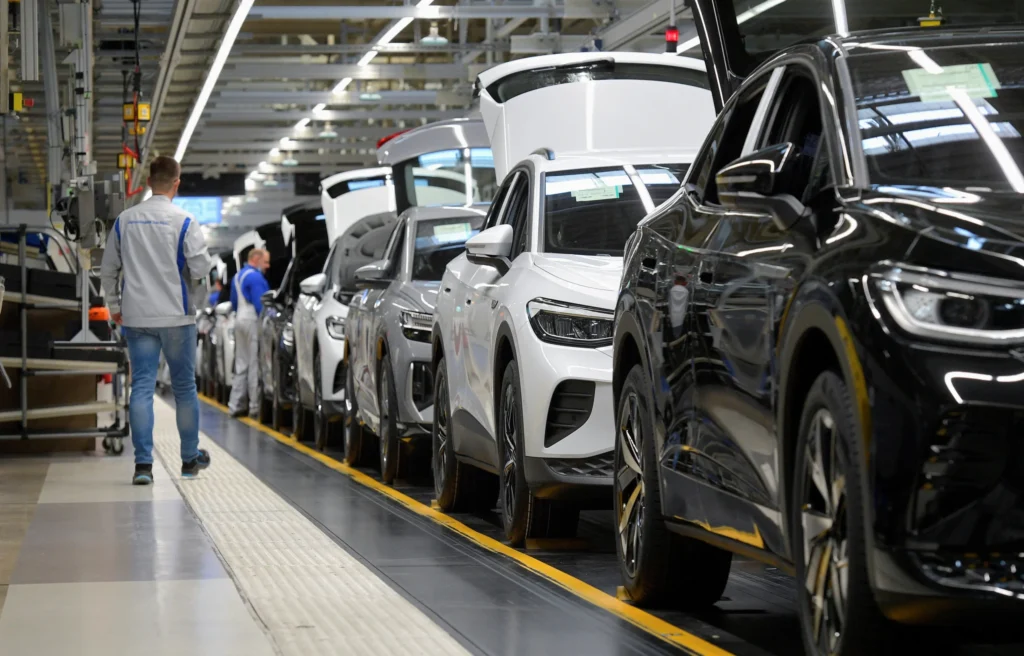
Volkswagen’s supervisory board has given the green light to a comprehensive transformation plan aimed at bolstering the automotive giant’s competitiveness against escalating global challenges. The ambitious strategy, described as the most extensive overhaul in the company’s 89-year history, includes a significant reduction of approximately 50,000 jobs worldwide, alongside a re-evaluation of four German plant operations facing future model shortages. This pivotal decision comes at a critical juncture for Volkswagen, as it navigates a complex landscape marked by rising import tariffs, persistent overcapacity within the industry, and intensifying competition from aggressive Chinese automakers.
The approval marks a crucial moment, averting a potentially damaging confrontation between management and powerful labor unions, as well as with Lower Saxony, the German state and Volkswagen’s second-largest shareholder. A scenario involving an extraordinary general meeting, which could have seen management attempt to push through its plans against the will of workers and the state government, has been placed on hold. This move is expected to streamline Volkswagen’s intricate conglomerate structure and diminish the influence of the supervisory board—where unions and Lower Saxony hold a majority—on key strategic decisions.
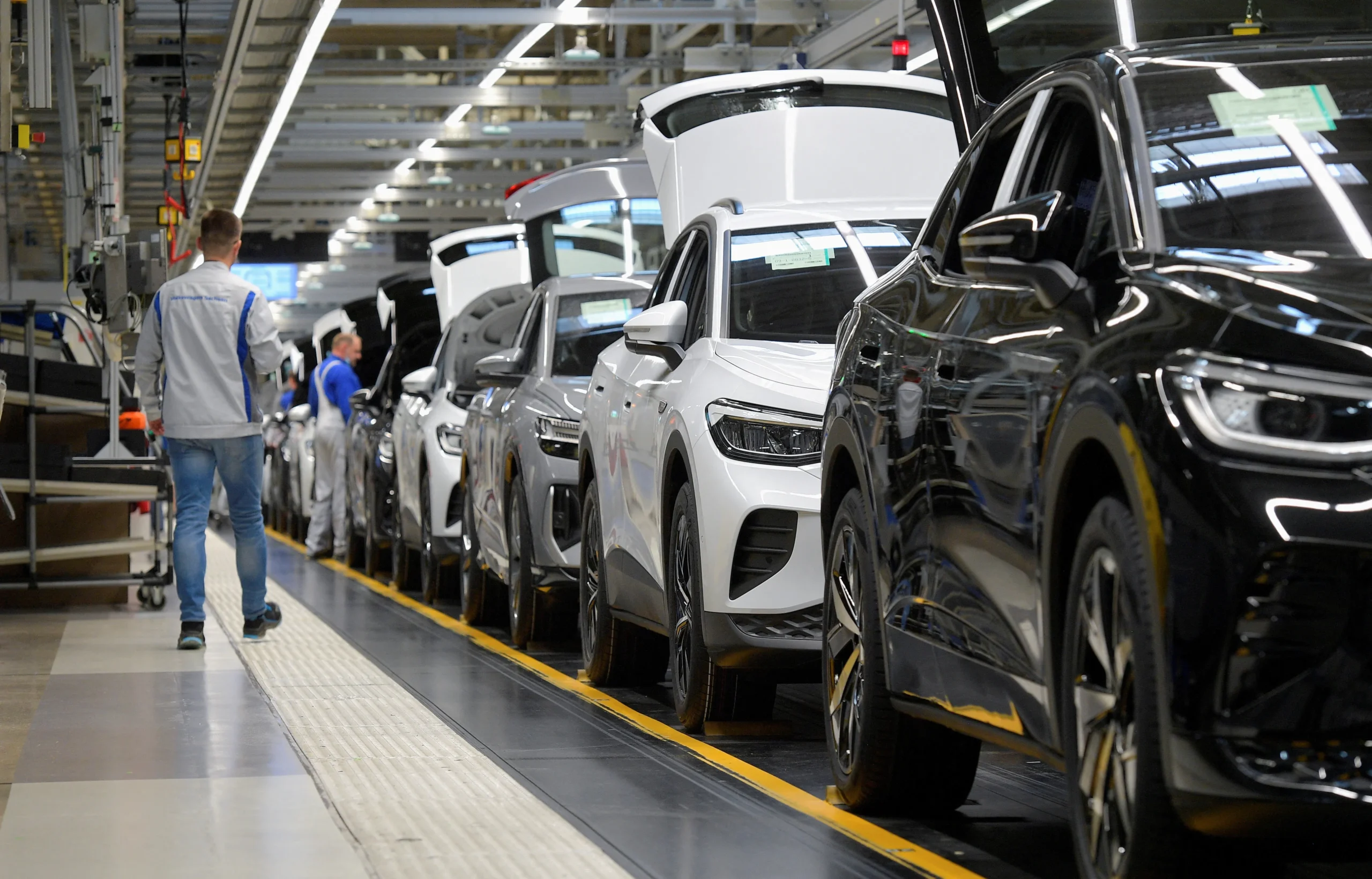
CEO Oliver Blume expressed confidence in the approved "Future Plan," stating in a released statement, "This is a strong signal for the future of the Volkswagen Group. We are taking responsibility for our entire workforce, for our partners and for industrial jobs worldwide." The positive reception of the news was evident in the Frankfurt stock market, where Volkswagen shares surged by 7.9% following the announcement, signaling investor relief over what sources had indicated could have escalated into an unprecedented crisis for Europe’s largest automaker.
Navigating a Challenging Global Automotive Landscape
The transformative plan is a direct response to a confluence of external pressures that have significantly impacted Volkswagen’s profitability and market position. The automotive industry, a cornerstone of global manufacturing, is undergoing a seismic shift driven by electrification, autonomous driving technologies, and evolving consumer preferences. Volkswagen, a behemoth with a vast portfolio of brands and a global manufacturing footprint, finds itself particularly exposed to these dynamics.
Key challenges driving the restructuring include:

- Rising Import Tariffs: Geopolitical tensions and protectionist trade policies in various regions have led to increased costs for imported vehicles and components, impacting Volkswagen’s global supply chain and sales strategies. The United States’ imposition of tariffs on certain goods, including automotive products, has been a persistent concern.
- Industry Overcapacity: The global automotive market, particularly in certain segments and regions, is grappling with an excess of production capacity. This leads to intense price competition and reduced profit margins for manufacturers. Volkswagen, with its extensive production facilities, is not immune to this issue.
- Intensifying Chinese Competition: China, the world’s largest automotive market and historically a vital revenue stream for Volkswagen, is now witnessing the meteoric rise of its domestic automakers. Companies like BYD, NIO, and XPeng are not only dominating their home market but are also increasingly looking to expand internationally, posing a significant competitive threat to established global players. These Chinese brands often offer technologically advanced vehicles at competitive price points, putting pressure on traditional manufacturers.
- Shift to Electric Vehicles (EVs): While Volkswagen has invested heavily in its EV transition, the pace of adoption and the competitive landscape in the EV sector are rapidly evolving. The company faces fierce competition from both established automakers and agile EV startups.
A Deep Dive into the "Future Plan"
The core of Volkswagen’s approved strategy revolves around optimizing its global workforce and manufacturing footprint. The reduction of 50,000 jobs is in addition to an ongoing reduction of a similar magnitude, underscoring the scale of the operational adjustments being undertaken. The company has indicated that this "further fundamental adjustment of the global workforce capacity" is necessary to adapt to the evolving market conditions.
Key components of the plan include:
- Workforce Reduction: The primary objective is to align staffing levels with current and future production needs and market demands. The exact timing and geographical distribution of these cuts across Volkswagen’s numerous brands and regions have not yet been detailed, but the scale of the reduction signals a significant impact on its global workforce.
- Plant Re-evaluation: A critical aspect of the plan involves exploring strategic alternatives for four German plants: Emden, Zwickau, Neckarsulm, and Hannover. These facilities are anticipated to face a gradual phase-out of current models from 2031 onwards. This necessitates a proactive approach to securing their long-term viability, potentially through the introduction of new vehicle architectures, the production of different vehicle types, or other strategic realignments. Industry analyst Ferdinand Dudenhoeffer highlighted that discussions regarding the future of these plants will be a focal point over the next ten months.
- Structural Simplification: The restructuring aims to simplify Volkswagen’s complex corporate structure. This could involve consolidating divisions, streamlining decision-making processes, and enhancing operational efficiency across the group’s diverse brands, which include Volkswagen Passenger Cars, Audi, Skoda, SEAT, Porsche, and commercial vehicle brands.
- Rebalancing Board Influence: The agreement to defer an extraordinary general meeting signifies a compromise that limits the immediate influence of the supervisory board on critical strategic decisions. This allows for a more focused execution of the transformation plan by the management board, while still respecting the long-standing stakeholder model in Germany.
A Timeline of Tense Negotiations
The approval of the "Future Plan" is the culmination of weeks of intense and often fraught negotiations. The discussions pitted the company’s board and majority owner, Porsche SE, against the powerful forces of labor unions and the German state of Lower Saxony. At various points, the prospect of a significant corporate restructuring, including the potential spin-off of Volkswagen’s passenger car and components businesses, loomed large.

The initial proposals, particularly those that might have bypassed the traditional stakeholder consensus, generated considerable apprehension. The unions, representing the interests of Volkswagen’s extensive workforce, voiced concerns about job security and the potential erosion of workers’ rights. Lower Saxony, as a significant shareholder and employer in the region, also sought to ensure the long-term stability of the company and its contribution to the regional economy.
The delicate balance of power on Volkswagen’s supervisory board, where employee representatives and state officials hold significant sway, played a crucial role in shaping the negotiation process. The eventual compromise, while involving substantial job reductions, appears to have found a path that avoids outright conflict and allows for a more collaborative approach to implementing the necessary changes.
Industry analyst Ferdinand Dudenhoeffer characterized the outcome as a "ceasefire" rather than complete "peace." He noted, "A certain sense of calm is returning, but it is far from ‘peace.’ In politics, one would call it a ‘ceasefire.’ That’s a good thing, because now the focus can be on the business." This perspective underscores the ongoing challenges and the need for sustained effort to achieve long-term success.

Broader Implications and Future Outlook
The implications of Volkswagen’s restructuring plan extend beyond the company’s immediate operational adjustments. The automotive industry as a whole is under immense pressure to adapt to a rapidly changing technological and geopolitical landscape. Volkswagen’s actions serve as a bellwether for the challenges and strategic responses likely to be adopted by other major global automakers.
Analysis of the implications:
- Industry Consolidation: The need for efficiency and scale in the face of intense competition could drive further consolidation within the automotive sector. Companies that are unable to adapt their business models or optimize their operations may become targets for acquisition or face significant difficulties.
- Shifting Global Manufacturing Footprints: As companies reassess their global operations in light of trade policies and market dynamics, there could be a recalibration of manufacturing footprints. This might involve shifting production to markets with lower tariffs or greater strategic importance.
- Technological Acceleration: The drive to remain competitive will likely accelerate investment in research and development, particularly in areas such as electric mobility, autonomous driving, and digital services. Companies that fail to innovate risk falling behind.
- Impact on Supplier Networks: Significant job cuts at a major automaker like Volkswagen will inevitably have a ripple effect on its extensive network of suppliers. These suppliers will also need to adapt to changing demand and potentially reorient their own operations.
- The Future of Traditional Automotive Jobs: The transition to electric vehicles and the increasing automation of manufacturing processes raise questions about the long-term future of traditional automotive jobs. Retraining and upskilling initiatives will be crucial to support the workforce through this transition.
Volkswagen’s CEO, Oliver Blume, articulated the company’s commitment to navigating these challenges. The "Future Plan" represents a significant step in its long-term strategy to remain a leading force in the global automotive industry. The company’s ability to successfully implement these deep-seated changes, while balancing the interests of its diverse stakeholders, will be closely watched by industry observers and financial markets alike. The coming months and years will be critical in determining the efficacy of this ambitious overhaul and Volkswagen’s enduring position in the evolving automotive landscape.