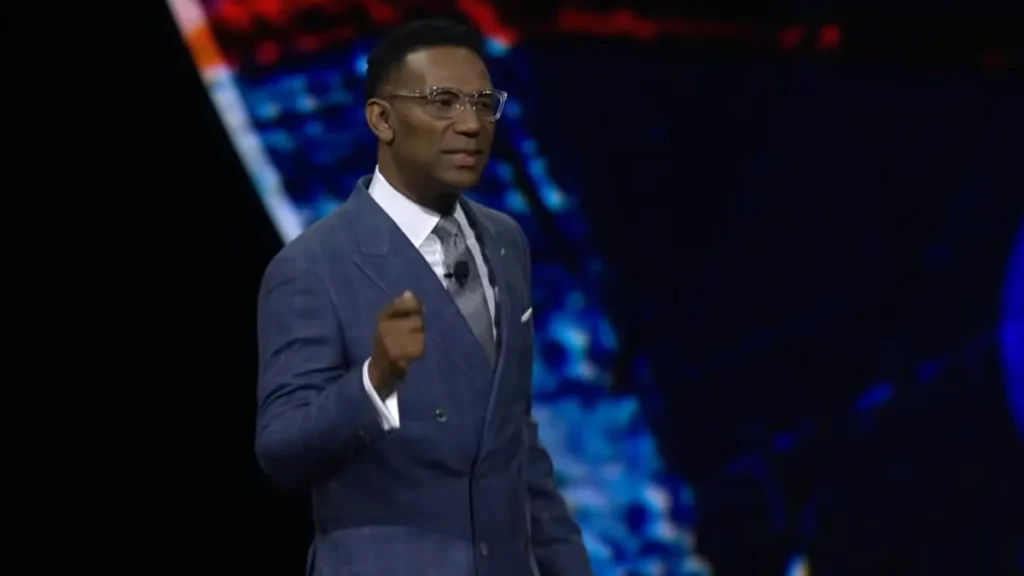
The landscape of human resources is undergoing a seismic transformation, characterized by the accelerating integration of artificial intelligence, a widening soft skills gap among younger professionals, and a radical rethinking of employee onboarding. These critical themes dominated discussions last week, drawing sharp warnings from industry leaders and highlighting the urgent need for HR departments to evolve or risk becoming obsolete. The Society for Human Resource Management’s (SHRM) annual conference, SHRM26, held in Orlando, Florida, served as a pivotal platform for these discussions, with its President and CEO, Johnny C. Taylor Jr., delivering a stark keynote address that challenged the very relevance of contemporary HR practices. Concurrently, new data underscored significant deficiencies in critical thinking skills among the emerging workforce, while leading HR professionals advocated for a continuous, pre-employment approach to onboarding.
SHRM CEO Delivers Wake-Up Call: HR at a Crossroads
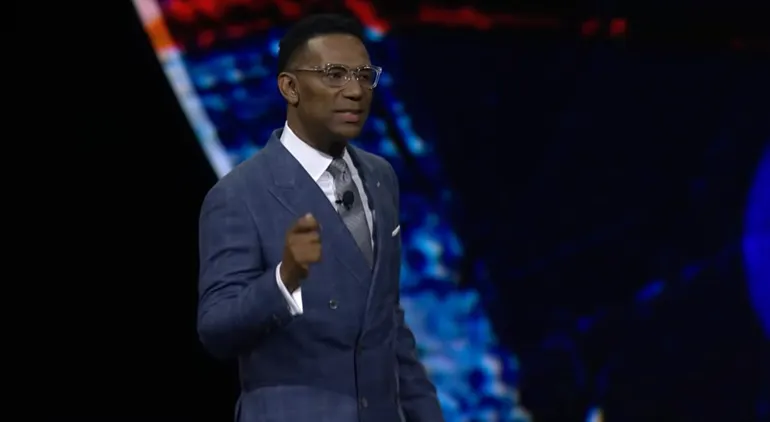
On June 18, 2026, during his highly anticipated keynote at SHRM26, Johnny C. Taylor Jr., the influential President and CEO of SHRM, issued a provocative warning that resonated deeply across the HR community. Taylor asserted that many HR departments might have "lost the plot" when it comes to demonstrating tangible business relevance, especially in an era rapidly being reshaped by artificial intelligence. His address, delivered to thousands of HR professionals, served as a clarion call, suggesting that the very existence of traditional HR functions is at stake unless proactive and strategic adaptation occurs. The image of Taylor speaking on stage, emphasizing the delicate balance a new Chief Human Resources Officer (CHRO) must strike between robots, AI, and human capital, encapsulated the conference’s central tension: how to leverage technological advancements without diminishing the human element of work.
Taylor’s critique was not merely an abstract observation; it stemmed from a perceived disconnect between HR’s internal priorities and the strategic objectives of company leadership. He highlighted that senior executives often struggle to perceive the true value proposition of HR, viewing it perhaps as a cost center or an administrative necessity rather than a strategic partner driving organizational success. This perception gap is exacerbated by the rapid ascent of AI, which is increasingly automating routine tasks traditionally handled by HR, from initial candidate screening and benefits administration to payroll processing and even basic employee queries.
The historical trajectory of HR has seen it evolve from mere personnel management in the mid-20th century, primarily focused on administrative tasks and compliance, to a more strategic role in the late 20th and early 21st centuries, encompassing talent management, organizational development, and cultural stewardship. However, the current wave of technological disruption, particularly generative AI and advanced automation, presents an unprecedented challenge. Taylor emphasized that if HR fails to demonstrate its unique, irreplaceable value – particularly in championing and developing the human workforce amidst an AI-dominated landscape – it risks being marginalized or even rendered obsolete. His call for HR to "fight for its human workers" implies a renewed focus on complex human-centric issues: fostering employee well-being, cultivating unique human skills that AI cannot replicate, navigating ethical AI deployment, and ensuring a just transition for employees whose roles may be impacted by automation. The future CHRO, according to Taylor, must be a visionary leader capable of integrating advanced technology while simultaneously nurturing a thriving human workforce, a delicate balancing act requiring profound strategic insight and empathy.
The reactions within the HR community to Taylor’s address have been mixed but largely introspective. Many seasoned HR professionals echoed the sentiment, acknowledging the need for HR to elevate its strategic influence and embrace data-driven decision-making. Analysts from leading HR tech consultancies like Gartner and Forrester have consistently highlighted the need for HR to pivot towards more analytical, strategic, and proactive roles, moving beyond transactional processes. According to a recent survey by Deloitte, only 28% of CEOs believe their HR function is "very effective" at driving business strategy, a statistic that underscores Taylor’s concerns about HR’s perceived relevance. This evolving dynamic places immense pressure on HR leaders to not only understand emerging technologies but also to articulate their impact on the workforce and the organization’s bottom line in a language that resonates with the C-suite.
The Soft Skills Deficit: A Critical Hurdle for Younger Workers
Further compounding the challenges facing the modern workforce and HR departments is an alarming revelation regarding the soft skills proficiency of younger workers. A recent report from Cangrade, an AI candidate screening platform, highlighted that younger workers measured 18% below average in critical thinking skills. This finding is particularly concerning given that critical thinking is identified as one of five crucial soft skills increasingly sought after in AI-related job postings, alongside communication, strategic thinking, attention to detail, and problem-solving.
The growing importance of soft skills in the age of automation cannot be overstated. As AI and machine learning algorithms increasingly handle repetitive, data-intensive, and rule-based tasks, the uniquely human attributes—such as creativity, emotional intelligence, complex problem-solving, and adaptive thinking—become paramount. These are the skills that enable individuals to innovate, collaborate effectively, navigate ambiguity, and make nuanced judgments that AI systems, for all their sophistication, still struggle to replicate. The World Economic Forum’s "Future of Jobs Report" consistently ranks complex problem-solving, critical thinking, creativity, and emotional intelligence among the top skills required for the workforce of tomorrow, underscoring their increasing value as automation proliferates.
The Cangrade report’s methodology, leveraging AI to assess candidate competencies, provides a data-driven perspective on a long-debated issue. While the specific sample size and demographic breakdown of "younger workers" were not detailed in the summary, the 18% deficit in critical thinking suggests a significant gap that employers must address. This deficit could stem from various factors, including educational approaches that may not adequately emphasize critical analysis and independent thought, increased reliance on digital tools for information retrieval rather than deep analytical processing, or even generational differences in communication styles and problem-solving strategies. For instance, some educational experts suggest that an overemphasis on standardized testing and rote memorization in earlier schooling may inadvertently stifle the development of robust critical thinking skills. Furthermore, the constant bombardment of information in the digital age can make it challenging for individuals to discern reliable sources, evaluate arguments logically, and form independent conclusions.
The implications of this soft skills gap are far-reaching. For organizations, it translates into potential productivity losses, difficulties in fostering innovation, and challenges in building agile and adaptable teams capable of navigating rapid technological change. For younger workers themselves, it could hinder career progression and limit their ability to thrive in roles that demand complex cognitive abilities and interpersonal finesse. HR departments, therefore, face the imperative of designing and implementing targeted training and development programs to bridge this gap. This includes fostering environments where critical thinking, open communication, and collaborative problem-solving are actively encouraged and rewarded. It also requires a re-evaluation of hiring practices to identify and prioritize candidates who demonstrate strong foundational soft skills, even if their technical expertise is still developing. Educational institutions also bear a significant responsibility in integrating these essential skills into their curricula, preparing students not just for specific jobs but for a dynamic future of work.

Onboarding Redefined: A Continuous Journey from First Contact
Beyond the strategic imperative of HR and the critical skills gap, the fundamental process of integrating new talent into an organization is also undergoing a profound transformation. Lindsay Gainor, Vice President of HR and talent management at ServiceMaster Brands, articulated a contemporary view on onboarding that challenges traditional notions, stating, "It’s one of those things where you’re truly never done. You can design it, implement it, test it, get feedback and refine it, and then that loop just starts right over again." Her perspective underscores a shift from a transactional, time-bound process to a continuous, iterative journey that begins even before a candidate’s formal employment.
Gainor’s assertion that onboarding truly begins with a company’s first point of contact with a recruiter highlights the critical role of the candidate experience in shaping an employee’s long-term engagement and commitment. The initial interactions, the clarity of job descriptions, the efficiency of the application process, and the professionalism of interviews all contribute to a candidate’s perception of the organization. A positive early experience sets the stage for successful integration, building trust and enthusiasm from the outset. Conversely, a disjointed or negative pre-boarding experience can deter top talent or foster early disengagement. This holistic view emphasizes that employer branding, recruitment, and onboarding are inextricably linked, forming a seamless continuum of the employee journey.
The traditional model of onboarding often focused on the first few days or weeks, primarily covering administrative tasks, basic training, and introductions. However, modern best practices, championed by experts like Gainor, advocate for a much broader scope. This expanded view includes pre-boarding activities (providing resources, answering questions before day one), structured initial training, mentorship programs, regular check-ins, performance feedback, and ongoing professional development. The "never truly ends" aspect means that onboarding evolves into continuous employee development, career pathing, and cultural assimilation throughout an employee’s tenure. This ongoing support helps maintain engagement, fosters loyalty, and ensures employees remain aligned with organizational goals and values as both they and the company evolve.
To maintain relevance and effectiveness, Gainor stressed that the formal aspects of onboarding programs must be on regular maintenance schedules. This involves periodic reviews of content to ensure it is up-to-date, reflects current company policies, technologies, and cultural nuances, and remains engaging. Feedback loops—gathering insights from new hires, managers, and HR business partners—are essential for identifying areas for improvement and refining the program iteratively. For example, as new software is adopted, or company values are re-articulated, onboarding materials must be updated to reflect these changes. The rapid pace of technological and organizational change makes this continuous refinement imperative.
The benefits of a comprehensive, continuous onboarding process are well-documented. Studies by organizations like the Aberdeen Group have shown that companies with strong onboarding processes experience significantly higher employee retention rates (up to 50% more) and faster time-to-productivity for new hires. Furthermore, effective onboarding contributes to stronger company culture, increased employee satisfaction, and improved employer brand reputation, making it easier to attract future talent. In an era of fierce competition for skilled workers and high rates of employee turnover, investing in a robust and dynamic onboarding strategy is not merely an HR best practice; it is a critical business imperative.

Broader Implications and the Future of HR
The converging narratives from SHRM26—Johnny C. Taylor Jr.’s urgent call for HR to reclaim its strategic relevance amidst AI’s rise, the startling revelation of a soft skills gap among younger workers, and the redefinition of onboarding as a continuous, holistic journey—paint a vivid picture of the profound challenges and opportunities confronting human resources professionals. These are not isolated issues but interconnected facets of a rapidly evolving world of work.
The core implication is that HR must fundamentally transform its role. It can no longer afford to be merely an administrative or compliance-focused department. Instead, HR must embrace its position as a strategic innovation hub, driving organizational agility, fostering a culture of continuous learning, and championing the human element in an increasingly automated environment. This necessitates a new breed of HR leader—the "new CHRO" envisioned by Taylor—who possesses a deep understanding of technology, data analytics, behavioral psychology, and business strategy. This leader must be adept at leveraging AI for operational efficiency while simultaneously nurturing the unique human capabilities that give an organization its competitive edge.
To effectively navigate this future, HR departments must prioritize several key strategic imperatives. First, proactive talent development is crucial. Addressing the soft skills gap, particularly in critical thinking, requires innovative learning and development programs that integrate experiential learning, mentorship, and opportunities for applied problem-solving. Second, HR must become proficient in leveraging AI not just as a tool for automation but as a strategic partner in talent acquisition, performance management, and workforce planning. This involves understanding AI’s capabilities and limitations, ensuring ethical deployment, and using its insights to make more informed, data-driven decisions. Third, the continuous refinement of the employee journey, as articulated by Lindsay Gainor, becomes paramount for attracting, retaining, and developing top talent. From the first touchpoint with a recruiter to ongoing career development, every stage must be thoughtfully designed and regularly evaluated.
Ultimately, the future success of HR, and indeed the organizations it serves, hinges on its ability to embrace change, invest in new capabilities, and reposition itself as an indispensable strategic partner. By demonstrating quantifiable business value, championing the development of essential human skills, and meticulously crafting an unparalleled employee experience, HR can not only avoid the "extinction" warned by Taylor but can also lead the way in shaping a more resilient, human-centric, and prosperous future of work. The insights from SHRM26 and leading industry reports serve as a powerful reminder that the time for HR to redefine its plot is now.