New York, NY – April 30, 2026 – WeWork, a prominent global flexible workspace provider, has been honored with a coveted spot on TIME magazine’s prestigious TIME100 Most Influential Companies of 2026 list. This annual compilation celebrates organizations that are demonstrating exceptional impact and shaping the global landscape across various sectors. WeWork’s inclusion, specifically within the "Disruptors" category, underscores its significant resurgence and innovative approach to the modern real estate paradigm.
The recognition by TIME highlights WeWork’s remarkable journey and its strategic repositioning within the commercial real estate market. The publication specifically cited the company’s "masterful turnaround," acknowledging its success in attracting a strong membership base among Fortune 100 companies. Furthermore, TIME recognized WeWork’s evolution from a pure co-working provider to a comprehensive real estate platform, capable of advising major corporations on optimizing their office portfolios. This includes guiding them on strategically balancing their real estate needs between owned properties, long-term leases, and flexible workspace solutions, a critical consideration in today’s dynamic business environment.
This latest accolade from TIME follows closely on the heels of another significant recognition. Earlier in the week, WeWork was also named to the 2026 TIME100 Companies: Industry Leaders, specifically within the "Design and Build" category. This separate list, an expansion of the main TIME100, honors companies that are setting new benchmarks and driving progress through innovative approaches to real estate development, architectural design, and construction. WeWork’s presence on both lists signifies a dual recognition of its influence as a disruptor in business strategy and as a leader in shaping the physical environments where work takes place. The Industry Leaders lists comprise 20 sector-specific compilations, celebrating 200 businesses that are redefining industry standards and propelling their respective fields forward.
A Narrative of Resilience and Strategic Realignment
WeWork’s journey to this point has been a compelling study in corporate resilience. Founded in 2010 by Adam Neumann and Miguel McKelvey, the company rapidly ascended to become a symbol of the burgeoning "sharing economy" and a disruptor of traditional office leasing models. Its rapid growth, fueled by substantial venture capital, was characterized by a distinctive culture, community-building focus, and a vision of transforming commercial real estate into a service. However, the company faced significant challenges in the late 2010s, including intense scrutiny over its business model, profitability concerns, and a highly publicized failed initial public offering (IPO) attempt in 2019.
The period following these challenges marked a critical juncture for WeWork. Under new leadership, the company embarked on a rigorous restructuring and strategic realignment. This involved streamlining operations, focusing on core business functions, and prioritizing profitability and sustainable growth. The COVID-19 pandemic further reshaped the corporate real estate landscape, accelerating the demand for flexible work arrangements and hybrid models, areas where WeWork’s foundational offerings proved prescient. The company’s ability to adapt and pivot in response to these evolving market dynamics has been central to its impressive recovery.
WeWork’s Evolving Role in the Modern Workplace
TIME’s acknowledgment of WeWork’s "masterful turnaround" is supported by tangible evidence of its renewed market strength. The company has demonstrably increased its appeal to large enterprises, a segment that was once less of a focus. The mention of strong membership among Fortune 100 companies is particularly noteworthy. These large corporations, historically committed to long-term, owned office spaces, are now increasingly exploring flexible solutions to manage costs, enhance employee experience, and adapt to fluctuating workforce needs. WeWork’s platform, which offers not just physical space but also integrated technology, amenities, and community services, has become an attractive proposition for these organizations.
The ability to advise companies on portfolio diversification – balancing owned assets, traditional leases, and flexible spaces – positions WeWork as more than just a landlord. It is emerging as a strategic partner in corporate real estate planning. In an era where the definition of "the office" is continuously being redefined, companies are seeking expert guidance to navigate the complexities of optimizing their physical footprints. WeWork’s expertise in managing a diverse portfolio of flexible workspaces allows it to offer insights and solutions tailored to these evolving corporate strategies. This includes providing data-driven recommendations on space utilization, employee engagement, and cost efficiency across different real estate models.
Industry Leaders: Shaping Physical Environments
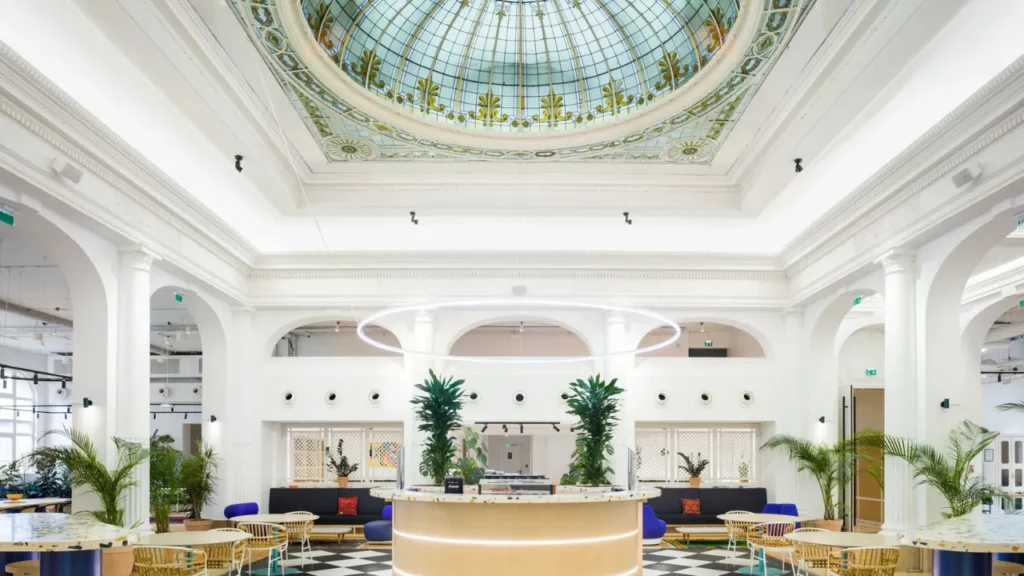
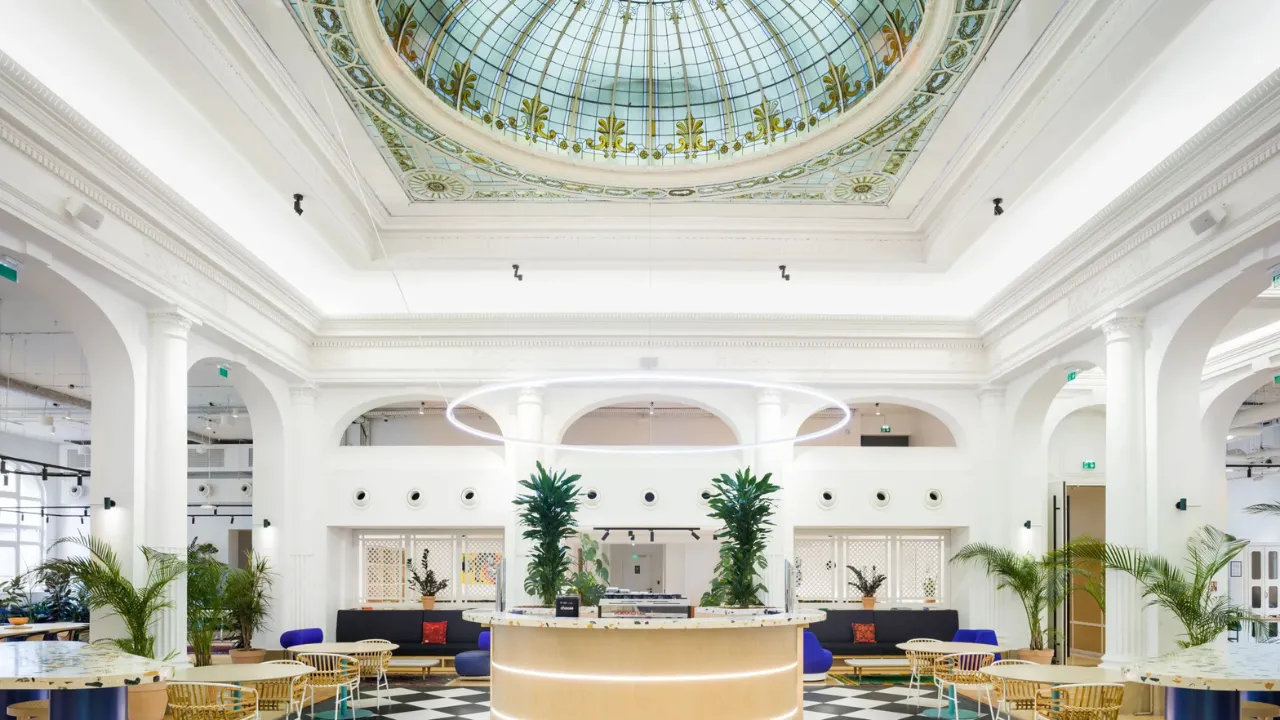
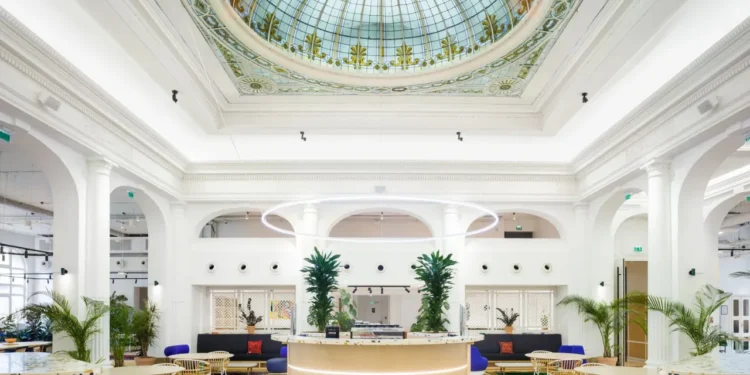
The recognition within the "Design and Build" category further solidifies WeWork’s influence beyond just its service offerings. It speaks to the company’s impact on the very design and functionality of workspaces. WeWork has consistently been at the forefront of creating dynamic, collaborative, and aesthetically pleasing environments that cater to a wide range of professional needs. This involves innovative space planning, incorporating technology to enhance collaboration and productivity, and creating amenities that foster a sense of community and well-being. Their approach has influenced how many companies, both large and small, envision their own office spaces, pushing the boundaries of traditional corporate design.
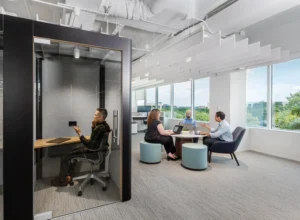
This aspect of WeWork’s influence is crucial in the context of the future of work. As companies grapple with hybrid work models, the office is being reimagined not just as a place for individual task completion, but as a hub for collaboration, innovation, and culture building. WeWork’s design philosophy, which emphasizes flexibility, adaptability, and human-centric design, aligns perfectly with these emerging priorities. Their spaces are often characterized by a blend of private offices, collaborative zones, quiet areas, and social hubs, offering a spectrum of environments to suit diverse work styles and activities.
Official Response and Strategic Vision
John Santora, CEO of WeWork, expressed his enthusiasm and pride regarding the TIME recognitions. "This recognition by TIME marks a significant milestone in WeWork’s transformation," Santora stated. "It reflects the meaningful progress we’ve made in building a stronger, more disciplined business, while also underscoring our role as a partner to organizations navigating a rapidly evolving workplace. Our vertically integrated platform brings together space, services, and technology to help companies operate with greater flexibility and efficiency."
Santora’s statement encapsulates the company’s current strategic focus. The emphasis on a "stronger, more disciplined business" points to the financial and operational prudence that has characterized its turnaround. The acknowledgment of its role as a "partner" highlights the shift from a transactional relationship with members to a more consultative and collaborative approach with corporate clients. The mention of a "vertically integrated platform" underscores WeWork’s comprehensive offering, which extends beyond mere desk space to encompass a full suite of solutions designed to optimize the employee experience and operational efficiency for businesses of all sizes.

The Rigorous Selection Process
TIME’s methodology for compiling the TIME100 Most Influential Companies list is a robust and multi-faceted process. The magazine solicits nominations from a wide array of sources across diverse sectors. This is followed by extensive research and input from TIME’s global network of esteemed contributors, seasoned correspondents, and independent industry experts. The final selection is made by TIME editors, who meticulously evaluate each nominated company based on a set of critical criteria. These criteria include the company’s demonstrable impact on its industry and society, its capacity for innovation, the ambition of its strategic goals, and its track record of success. The result is a curated list that represents a broad spectrum of businesses that are actively shaping the global economic and cultural landscape.
The inclusion of the "Industry Leaders" lists further refines this evaluation by allowing for deeper dives into specific sectors. For the "Design and Build" category, this means identifying companies that are not only influential in their business operations but also in their tangible contributions to the built environment and the evolution of architectural and construction practices.
Broader Implications and the Future of Work
WeWork’s dual recognition by TIME holds significant implications for the broader commercial real estate market and the ongoing discourse surrounding the future of work. Firstly, it validates the growing importance of flexible workspace solutions. As more companies embrace hybrid models, the demand for agile, adaptable, and amenity-rich office environments is likely to continue its upward trajectory. WeWork’s success demonstrates that flexible workspace providers are no longer niche players but integral components of corporate real estate strategies.
Secondly, the acknowledgement of WeWork’s advisory role signals a maturation of the flexible workspace industry. It suggests that companies are increasingly seeking expertise beyond just securing space, looking for partners who can help them optimize their entire real estate portfolio for maximum efficiency, employee satisfaction, and cost-effectiveness. This positions WeWork and similar companies as strategic consultants in the evolving world of work.

Thirdly, the "Design and Build" recognition underscores the symbiotic relationship between physical space and workplace culture. WeWork’s influence in shaping innovative and engaging office designs suggests that the physical environment plays a crucial role in attracting talent, fostering collaboration, and driving innovation. As companies continue to re-evaluate their office needs, the design principles championed by companies like WeWork will likely become even more influential.
The TIME100 list serves as a barometer of global influence, and WeWork’s presence on it, particularly in multiple influential categories, indicates its enduring impact and its successful navigation of a challenging market. The company’s narrative of transformation from a high-growth disruptor facing significant headwinds to a recognized leader in flexible real estate and workplace innovation offers valuable insights into the dynamics of business adaptation and strategic evolution in the 21st century. As the world of work continues to evolve, WeWork’s influence and its role in shaping the future of office environments are poised to remain significant.
The full TIME100 Most Influential Companies list can be accessed on TIME’s official website, along with the specific "Design & Build" Industry Leaders compilation, offering further insights into the companies setting new standards across various global sectors.