A significant proportion of the American workforce operates under a pervasive culture of fear, with a new report revealing that a substantial number of employees witness illegal or unethical conduct in the workplace but remain silent due to apprehension of repercussions. A recent survey commissioned by the law firm Outten & Golden, specializing in whistleblower and retaliation cases, found that 22% of U.S. workers have observed illicit or unethical activities, yet a staggering one-third of all American employees are hesitant to report such misconduct, highlighting a critical systemic failure within corporate environments.
The findings, based on responses from over 1,000 U.S. employees, underscore a concerning disconnect between widely held ethical values and the practical realities of many workplaces. This chasm not only poses significant risks for organizations but also erodes employee trust and morale, potentially hindering long-term success and accountability. The report, published in May 2026, by Lara Ewen, a contributor to HR Dive, sheds light on the urgent need for companies to cultivate environments where employees feel secure in speaking up without fear of professional or personal reprisal.
The Pervasive Silence: A Deep Dive into Outten & Golden’s Findings
The Outten & Golden report was specifically designed to illuminate the glaring disparities between what employees value in terms of ethical conduct and the challenging realities they often face within their professional settings. The statistic that 22% of workers surveyed have personally witnessed illegal or unethical behavior is particularly alarming, suggesting that misconduct is not an isolated incident but a relatively common occurrence across various industries. This figure alone should serve as a wake-up call for organizations to scrutinize their internal controls and ethical frameworks.
Adding to this concern is the revelation that roughly one-third of American workers admit to fearing the consequences of reporting misconduct. Tammy Marzigliano, a partner and co-chair of Outten & Golden’s whistleblower and retaliation practice, articulated the gravity of this situation in a statement: "When one-third of American workers fear reporting misconduct, that’s not just a red flag – it’s a systemic failure. If employees believe that speaking up at work comes with a personal cost, employers should be worried. Companies that fail to build cultures of trust and accountability are not only risking legal exposure – they are undermining their own long-term success." Her strong words emphasize that the problem extends beyond individual incidents of misconduct, pointing to a foundational flaw in corporate governance and culture.
The implications of such widespread silence are profound. When employees are unwilling or afraid to report wrongdoing, illegal activities, fraud, safety violations, and unethical practices can fester unchecked, leading to escalated problems that eventually cause far greater damage to the company, its stakeholders, and potentially the public. This can manifest as financial fraud, environmental damage, product safety failures, or systemic discrimination, all of which carry severe legal, financial, and reputational consequences.
Understanding Whistleblower Protections: A Critical Awareness Gap
Further exacerbating the issue of silence is a significant lack of awareness regarding existing whistleblower protections. The survey indicated that more than 40% of respondents were unaware of government whistleblower programs and the crucial protections they offer. This knowledge gap is critical, as these programs are often designed as a last resort when internal reporting mechanisms fail or are deemed unsafe.
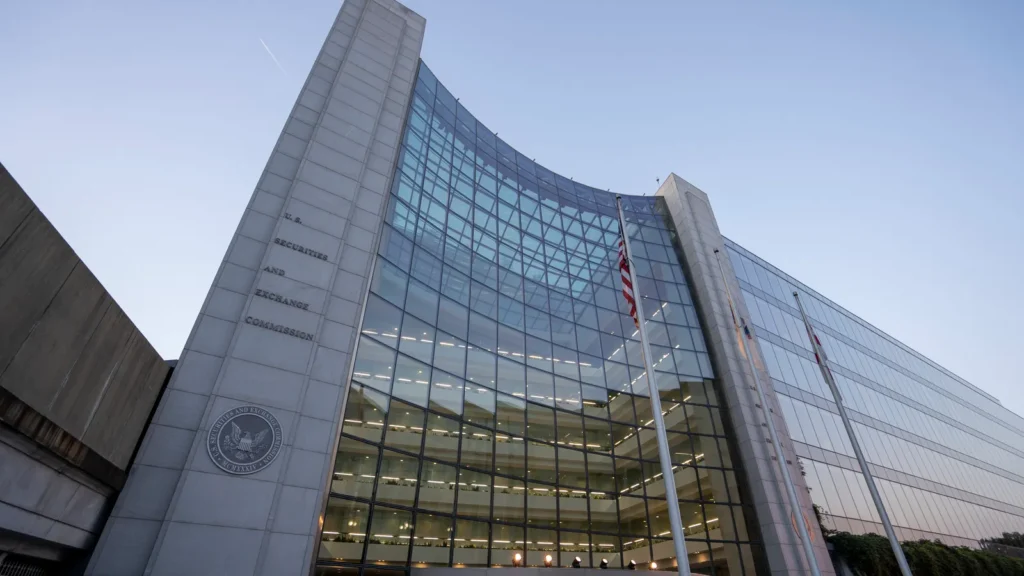
Government whistleblower programs, such as those administered by the Securities and Exchange Commission (SEC), the Occupational Safety and Health Administration (OSHA), the Internal Revenue Service (IRS), and various other federal agencies, provide avenues for employees to report violations of specific laws and regulations. Crucially, these programs often include robust anti-retaliation provisions, making it illegal for employers to fire, demote, harass, or discriminate against employees for reporting protected information. The image accompanying the original article, depicting the SEC building in Washington, D.C., serves as a poignant reminder of the regulatory bodies tasked with overseeing these protections.
Dave Jochnowitz, co-chair of Outten & Golden’s whistleblower and retaliation practice, highlighted the vital role these external channels play. "Government whistleblower programs give employees something many workplaces still fail to provide: a safe path to speak the truth," Jochnowitz stated. "Internal systems often fail. When they do, these programs help restore balance and ensure misconduct does not go unchecked." This perspective underscores the necessity of robust external mechanisms when internal corporate structures prove inadequate or untrustworthy.
The historical context of whistleblower protection laws further illustrates their importance. Landmark legislation such as the Sarbanes-Oxley Act of 2002 (SOX), enacted in response to major corporate accounting scandals like Enron and WorldCom, introduced new protections for whistleblowers reporting corporate fraud. The Dodd-Frank Wall Street Reform and Consumer Protection Act of 2010 significantly expanded these protections, offering monetary awards to whistleblowers who provide original information leading to successful enforcement actions by the SEC or Commodity Futures Trading Commission (CFTC). Despite these legal advancements, the persistent lack of awareness remains a formidable barrier to their effective utilization.
The High Cost of Silence: Impact on Organizations and Employees
The silence surrounding workplace misconduct carries a multifaceted cost, impacting both individual employees and the organizations they serve. For employees, the fear of reprisal is not unfounded. Whistleblowers frequently face professional ostracism, demotion, termination, or other forms of retaliation, even with legal protections in place. This personal cost can be devastating, leading to job loss, financial hardship, and significant psychological distress. The dilemma of choosing between one’s ethical compass and job security creates an unbearable burden for many.
For organizations, the consequences of unchecked misconduct are severe and far-reaching. Legally, companies can face hefty fines, civil penalties, and criminal charges. Reputational damage can be catastrophic, leading to a loss of customer trust, investor confidence, and difficulty in attracting and retaining top talent. The financial fallout extends beyond legal penalties, encompassing decreased stock value, boycotts, and increased regulatory scrutiny. Furthermore, a culture where misconduct thrives silently can lead to systemic failures, decreased productivity, and a toxic work environment, ultimately undermining the company’s long-term viability.

A 2025 report from Resume Now further underscored the link between ethics and employee retention. It found that nearly half of workers (47%) had considered leaving their jobs due to ethical inconsistencies within their companies. Additionally, 36% admitted to remaining silent about unethical practices specifically to protect their employment. These figures highlight a critical dimension of the problem: ethical failures are not just legal or reputational risks, but also significant drivers of employee turnover and disengagement, directly impacting human capital and organizational stability.
Addressing the Root Causes: Fostering a Culture of Trust
Bridging the gap between awareness and action requires a multi-pronged approach focused on transforming workplace culture. The Outten & Golden report emphasizes several key strategies: stronger leadership accountability, transparent communication, and the creation of a workplace environment where employees feel psychologically safe to speak up.
Stronger Leadership Accountability: Ethical conduct must originate at the top. Leaders must not only adhere to the highest ethical standards themselves but also actively promote and enforce them throughout the organization. This includes holding senior management accountable for fostering an ethical culture and ensuring that no one is above the rules. When leaders demonstrate a genuine commitment to ethics, it sends a powerful message that filters down through all levels of the company.
Transparent Communication: Organizations need to establish clear, accessible, and well-publicized channels for reporting misconduct. This includes anonymous hotlines, dedicated ethics officers, and clear policies outlining the reporting process. Crucially, companies must communicate how reported issues will be investigated and what actions will be taken, ensuring transparency in the process, even if specific outcomes cannot always be shared due to privacy concerns. Regular communication about the company’s commitment to ethics and anti-retaliation policies can build trust.
Fostering Psychological Safety: This concept, popularized by organizational psychologist Amy Edmondson, refers to a shared belief that the team is safe for interpersonal risk-taking. In an ethically sound workplace, psychological safety means employees feel comfortable expressing concerns, admitting mistakes, and challenging the status quo without fear of embarrassment, punishment, or career damage. Companies can build this by actively soliciting feedback, training managers to respond constructively to bad news, and consistently demonstrating that speaking up is valued, not penalized. Implementing clear anti-retaliation policies and enforcing them rigorously is paramount.
Supporting Data and Broader Context
The findings of the Outten & Golden report align with broader trends observed in ethics and compliance research. The Ethics & Compliance Initiative (ECI), for instance, consistently reports on the state of ethics in the workplace through its Global Business Ethics Survey (GBES). Recent GBES findings have often shown that while reporting rates for observed misconduct can be high, so too can be the rates of retaliation against reporters. For example, some ECI surveys have indicated that retaliation rates can hover around 75% for those who report misconduct, further validating the fears expressed by employees in the Outten & Golden study. This external data underscores that the problem of whistleblower retaliation is not isolated to a few companies but is a pervasive challenge across industries.

The role of whistleblowers in safeguarding public interest cannot be overstated. From exposing financial scandals that threaten market stability to revealing public health hazards or environmental pollution, whistleblowers often serve as the last line of defense when internal controls fail. Their willingness to come forward, often at great personal risk, is crucial for maintaining corporate integrity, upholding regulatory frameworks, and protecting broader societal interests. Without a safe and trusted pathway for reporting, many critical issues would remain hidden, leading to potentially catastrophic consequences.
Implications for Human Resources and Compliance
The implications of these findings are particularly significant for human resources (HR) departments and compliance officers. HR professionals are often on the front lines of fostering workplace culture, managing employee relations, and developing training programs. Their role is pivotal in creating an environment where ethical behavior is not only encouraged but actively rewarded, and where reporting mechanisms are perceived as trustworthy and effective. This involves designing and implementing robust ethics training, ensuring managers are equipped to handle sensitive reports, and advocating for strong anti-retaliation policies.
Compliance officers, on the other hand, are responsible for developing, implementing, and monitoring the company’s adherence to laws, regulations, and internal policies. The report highlights the urgent need for compliance functions to ensure that internal reporting systems are not merely symbolic but are genuinely effective, confidential, and protected. This includes regular audits of compliance programs, assessing the effectiveness of whistleblower hotlines, and ensuring prompt and impartial investigations into all allegations of misconduct. The collaboration between HR and compliance is essential to creating a cohesive and effective ethical infrastructure.
Conclusion
The Outten & Golden report serves as a stark reminder of the ethical challenges confronting American workplaces in 2026. With nearly a quarter of employees witnessing misconduct and a third fearing to report it, the imperative for change is undeniable. The silence surrounding unethical practices not only jeopardizes individual employees but also poses existential threats to organizations through legal exposure, reputational damage, and erosion of trust.
The path forward requires a concerted effort to cultivate cultures of psychological safety, where transparent communication and strong leadership accountability are paramount. Enhancing awareness of government whistleblower programs, coupled with robust internal mechanisms, is critical to empowering employees to speak truth to power. Only by proactively addressing these systemic failures can companies truly safeguard their integrity, foster a genuinely ethical environment, and ensure their long-term success in an increasingly scrutinized corporate landscape. The findings call for immediate and decisive action from employers to transform fear into trust, thereby unlocking the collective conscience of their workforce to build more ethical and resilient organizations.