A federal judge has determined that California’s robust anti-discrimination statute, the Fair Employment and Housing Act (FEHA), can be applied to Workday, Inc.’s artificial intelligence (AI) powered applicant screening technology, even in cases involving non-California residents. This landmark decision, rendered on June 23, 2026, posits that a "sufficient nexus" exists between Workday’s California headquarters and its allegedly discriminatory AI tools to warrant the application of state law across a potentially vast national applicant pool. The ruling by Judge Rita F. Lin underscores the growing legal challenges faced by technology companies developing and deploying AI-driven solutions in human resources, particularly concerning issues of bias and accountability in hiring processes.
The Genesis of the Litigation: Allegations of Algorithmic Bias
The legal battle against Workday commenced in February 2023, with a proposed class action lawsuit that has since garnered significant attention from legal scholars, HR professionals, and civil rights advocates. The initial complaint alleged that Workday’s applicant screening technology systematically discriminated against job candidates on the basis of age, race, and disability. These allegations claimed violations of several federal statutes, including the Age Discrimination in Employment Act (ADEA), Title VII of the Civil Rights Act of 1964, and the Americans with Disabilities Act (ADA). Subsequent amended complaints introduced claims under California’s FEHA, setting the stage for the recent pivotal ruling on its extraterritorial applicability.
The lead plaintiff in the case, who has since been joined by several co-plaintiffs, presented compelling evidence of potential algorithmic discrimination. Beginning in 2017, the plaintiff reported applying for more than 100 positions at various companies that utilize Workday’s tools for their recruiting processes. In every instance, the plaintiff was rejected. The suspicious nature of these rejections—often instantaneous or occurring in the middle of the night—led the plaintiff to infer that the decisions were automated, rather than the result of human review. This pattern of rejection, coupled with the plaintiff’s protected characteristics, formed the core of the algorithmic bias claims. The sheer volume of applications and rejections highlighted the pervasive nature of AI in modern hiring and the potential for widespread impact if such systems contain inherent biases.
Chronology of a Landmark Case
The legal proceedings have unfolded over several years, marking significant milestones:
- February 2023: The initial lawsuit is filed as a proposed class action, alleging discriminatory practices by Workday’s AI screening tools. The complaint cites violations of federal anti-discrimination laws.
- Late 2023/Early 2024: Amended complaints are filed, introducing claims under the California Fair Employment and Housing Act (FEHA), broadening the scope of the legal challenge.
- May 2025: Judge Lin grants approval for the collective action to proceed. This decision was made despite Workday’s concerns regarding the potentially massive scope of the class, which the company speculated could involve "hundreds of millions" of individuals. Judge Lin notably stated, "If the collective is in the ‘hundreds of millions’ of people, as Workday speculates, that is because Workday has been plausibly accused of discriminating against a broad swath of applicants. Allegedly widespread discrimination is not a basis for denying notice." This ruling signaled the court’s readiness to address the scale of alleged algorithmic harm.
- Prior Rulings on Specific Claims: Before the latest decision, Judge Lin had previously dismissed an ADA claim brought by a plaintiff alleging discrimination based on asthma and cancer survivorship. However, in a subsequent review, the judge allowed this specific ADA claim to proceed, along with others similarly situated. The third amended complaint in Mobley v. Workday (the case name, though not explicitly stated in the brief, is commonly associated with this type of action) strengthened the plaintiff’s argument by more directly connecting her rejections to screening criteria that potentially flagged medical-related leave, treatment, and recovery patterns.
- June 23, 2026: The federal judge issues the crucial ruling affirming the applicability of California’s FEHA to Workday’s conduct, even for non-California residents. This decision also granted Workday’s motion to dismiss a race-based disparate impact claim and a claim that Workday is liable as an employer for using the challenged procedures in its own hiring.
The "Sufficient Nexus": Extending California’s Reach
The core of Judge Lin’s recent decision centered on the legal principle of "sufficient nexus." Workday had argued that FEHA should not apply to the claims of many class members who are not residents of California. However, the court found that FEHA can indeed apply if a participating actor residing in California—Workday, in this instance—allegedly violated the law in its dealings with a nonresident, provided there are "sufficient factual allegations in the complaint to show a nexus between California and the allegedly unlawful conduct."
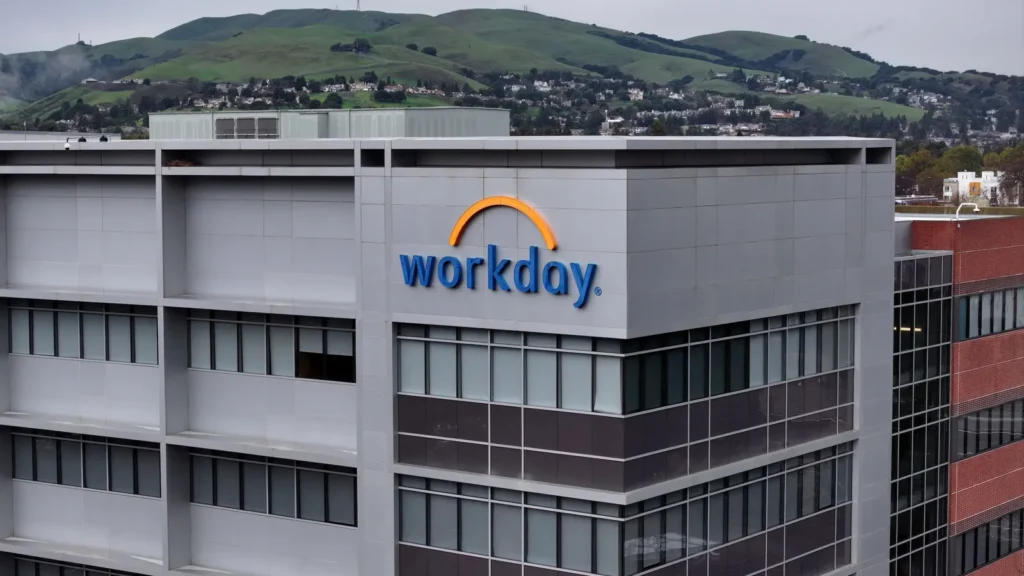
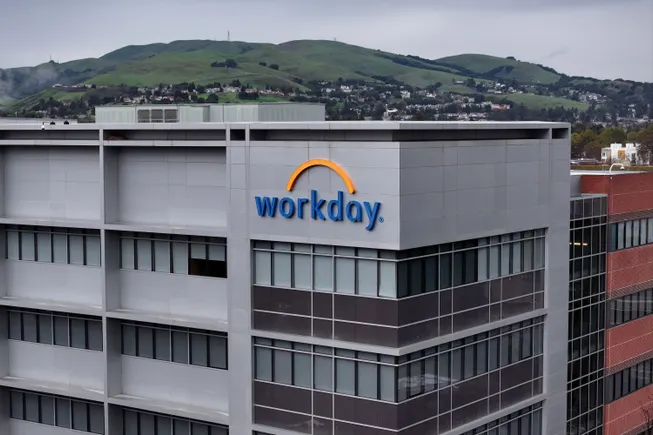
The judge’s reasoning was largely based on Workday’s operational footprint and the uncontested assertions regarding its AI tools. Workday did not challenge the plaintiffs’ assertion that its AI tools were "designed, developed, maintained, and controlled" from its California headquarters. Furthermore, the company did not dispute that it "train[ed] and operate[d]" these tools in California, and that the alleged discriminatory screening and rejection decisions originated within the state. This concentration of development, operation, and control within California established the necessary link for the state’s robust anti-discrimination laws to apply, regardless of where the job applicant resided.
This ruling holds significant implications for companies headquartered in states with strong consumer protection or anti-discrimination laws, especially those operating in the digital realm where services transcend geographical boundaries effortlessly. It sets a precedent that the physical location of technological development and operational control can establish legal jurisdiction, even when the impact is felt nationwide.
Workday’s Role in the Evolving HR Technology Landscape

Workday, Inc. is a leading provider of enterprise cloud applications for finance and human resources. Its suite of products, including Human Capital Management (HCM) and Financial Management software, is utilized by thousands of organizations worldwide, ranging from mid-sized businesses to Fortune 500 companies. The company’s platforms are integral to various HR functions, including recruitment, payroll, talent management, and analytics.
The adoption of AI and machine learning (ML) in human resources has surged in recent years. AI-powered tools promise to streamline recruitment processes, reduce time-to-hire, and enhance candidate experience by automating tasks such as resume screening, interview scheduling, and even preliminary candidate assessments. Proponents argue that AI can help overcome human biases by focusing purely on qualifications and skills. For instance, a 2024 survey by Gartner indicated that over 60% of large enterprises were either piloting or had fully implemented AI solutions in their HR functions, with recruitment being a primary area of application. The global market for AI in HR technology was valued at approximately $1.5 billion in 2023 and is projected to grow substantially, reflecting the industry’s widespread embrace of these technologies.
However, the rapid proliferation of AI in HR has also ignited concerns about algorithmic bias. Research from organizations like the AI Now Institute and numerous academic studies have demonstrated that AI algorithms, if trained on biased historical data or designed with flawed parameters, can perpetuate and even amplify existing societal biases related to gender, race, age, and other protected characteristics. For example, if an AI system is trained on historical hiring data where certain demographic groups were historically underrepresented in specific roles, the algorithm might inadvertently learn to de-prioritize candidates from those groups, even if they are qualified. This "black box" nature of some complex AI models makes it challenging to pinpoint the exact source of bias, complicating both detection and remediation efforts.
Workday’s Defense and "Responsible AI" Program
In response to the ongoing litigation and the judge’s latest ruling, Workday has firmly reiterated its position. A company spokesperson stated, "The claims in the suit are false. Workday’s AI recruiting tools don’t make hiring decisions in California or anywhere else. Our customers maintain full control of their hiring processes and our tools are designed with human oversight at their core."
Workday emphasizes that its technology is designed to focus exclusively on job qualifications, rather than protected traits such as race, age, or disability. The company also highlighted its "Responsible AI program," asserting that it rigorously tests its products to confirm that its tools do not harm protected groups. This program is a cornerstone of Workday’s defense, aimed at demonstrating a proactive commitment to ethical AI development and deployment. Many tech companies have similarly invested in Responsible AI frameworks, which typically involve principles like fairness, transparency, accountability, and privacy in AI design.

The company’s defense rests on the distinction between providing tools and making ultimate hiring decisions, placing the onus on its customers for the final judgment. However, the lawsuit’s premise is that the tools themselves, by their design and operation, can inherently create discriminatory outcomes even before human oversight is applied, especially in the context of automated rejections. This distinction will be a key battleground in future court proceedings.
Broader Implications and the Evolving Legal Landscape for AI
Judge Lin’s ruling is a significant development with wide-ranging implications for the technology sector, human resources practices, and the evolving legal framework governing artificial intelligence.
- For HR Technology Providers: The decision sends a clear message to all developers of AI-powered HR tools: the location of a company’s development and operational hubs can dictate the legal standards to which their products are held, irrespective of their users’ or applicants’ locations. This could compel companies to re-evaluate their compliance strategies, potentially leading to a patchwork of state-specific AI regulations that must be adhered to. It also highlights the critical need for robust bias auditing, transparency in algorithm design, and clear documentation of AI decision-making processes. Companies may need to invest more heavily in "explainable AI" (XAI) to demonstrate fairness.
- For Employers Utilizing AI in Hiring: Organizations that rely on third-party AI recruitment tools will need to conduct even more rigorous due diligence when selecting vendors. They will need to understand not only the functionality of these tools but also the legal liabilities that may arise from their use, especially concerning state-specific anti-discrimination laws. This could lead to demands for greater transparency from AI vendors regarding their bias mitigation efforts and compliance with various regulatory frameworks. Employers might also face increased pressure to ensure human oversight is not merely a theoretical safeguard but an active and effective part of their hiring workflow.
- For Job Applicants: The ruling offers a potential avenue for greater protection against algorithmic discrimination. It empowers a broader group of applicants, regardless of their state of residence, to seek recourse under stringent laws like California’s FEHA if they believe they have been unfairly screened out by AI tools whose development or operation is tied to states with strong protective statutes. This could lead to an increase in similar lawsuits as awareness of algorithmic bias and legal precedents grows.
- The Intersection of State and Federal Law: This case exemplifies the complex interplay between state and federal anti-discrimination laws in the digital age. As federal regulation of AI lags behind technological advancements, state laws are increasingly stepping into the void, creating a dynamic and often challenging legal environment for businesses operating nationally. New York City, for example, has already implemented Local Law 144, which requires independent bias audits for automated employment decision tools used by employers in the city, underscoring a trend towards localized AI regulation.
- Defining Liability: The partial dismissal of the claim that Workday is liable as an employer for its own hiring practices, while allowing claims against its tools as a vendor, highlights the nuanced legal challenge of assigning responsibility in the AI ecosystem. This distinction is crucial for understanding where accountability lies—with the developer of the tool, the user of the tool, or both.
- The Scope of "Hundreds of Millions": Judge Lin’s earlier observation about the potential size of the class—"hundreds of millions" of people—underscores the unprecedented scale of impact that AI in hiring can have. If this estimate holds, the financial implications and the required legal remedies, should the plaintiffs prevail, could be staggering, setting a new benchmark for liability in algorithmic discrimination cases. This potential scale could drive a more urgent and widespread re-evaluation of AI ethics and compliance across the industry.
The Mobley v. Workday case is more than just a dispute between a software vendor and job applicants; it is a critical bellwether for the future of AI regulation and corporate accountability in an increasingly automated world. As AI continues to permeate every aspect of professional life, this ruling emphasizes that technological innovation must proceed hand-in-hand with robust legal and ethical safeguards to ensure fairness and prevent systemic discrimination. The legal battles ahead will undoubtedly shape how AI is developed, deployed, and governed, influencing the future of work for millions.