The digital edition of issue 20 of Works magazine is now available for readers to explore, presenting a comprehensive look at a workplace sector that is demonstrating growing confidence in its future trajectory, even as it navigates a period of significant technological, social, and economic transformation. This latest edition meticulously curates major workplace projects, delves into critical design debates, and offers insightful industry commentary, all converging around a central theme: the persistent and profound value of connection, community, and shared experience in an era marked by inherent uncertainty. The issue underscores a fundamental shift in how workplaces are conceived and implemented, moving beyond mere functional spaces to become holistic environments that foster human interaction and collective well-being.
LinkedIn’s Munich Headquarters: A Village for a Million
A cornerstone of this exploration is the in-depth examination of LinkedIn’s new Munich headquarters. This project signifies a pivotal evolution in workplace design, moving away from rigid, traditional office planning towards more fluid and adaptable environments. The focus is on creating spaces that actively support learning, cultivate a strong organizational culture, and foster a profound sense of belonging among employees. The design, masterfully executed by Gensler, draws deep inspiration from the unique character and essence of Munich itself. This approach has resulted in what LinkedIn articulates as a "village for a million people," establishing a compelling blueprint for how global corporations can imbue their workspaces with a distinct and authentic local identity. This strategy acknowledges the growing desire for employees to feel connected to their physical workspace and the community it represents, transcending the generic corporate aesthetic. The design philosophy emphasizes flexibility, enabling the space to adapt to the dynamic needs of a global workforce while remaining grounded in local context.
Deutsche Bank’s City Hub: Connectivity and Regeneration
Further demonstrating the transformative power of workplace development, the issue features Deutsche Bank’s new headquarters at 21 Moorfields in the City of London. This project vividly illustrates how strategic placement and integration with major transport infrastructure can act as a powerful catalyst for urban regeneration, attract significant investment, and drive workplace innovation. The development’s prime location, situated directly above the Elizabeth Line, underscores the escalating importance of seamless connectivity, robust sustainability initiatives, and a dedicated focus on employee well-being in the execution of large-scale corporate projects. This integration with public transport not only enhances accessibility for employees and visitors but also contributes to broader urban development goals, reducing reliance on private vehicles and promoting greener commuting options. The architectural design and internal planning of 21 Moorfields are testament to a forward-thinking approach, prioritizing the health and productivity of its occupants while contributing positively to the surrounding urban fabric.
PolyAI’s London Headquarters: Human Connection in the Age of AI
Unsurprisingly, the pervasive influence of artificial intelligence (AI) emerges as a recurring and critical theme throughout the magazine. A detailed exploration of PolyAI’s London headquarters offers a compelling case study. This project examines how a company at the forefront of shaping the future of AI has deliberately designed its workspace to remain resolutely centered on human interaction. The PolyAI headquarters exemplifies a growing industry recognition that despite the transformative power of technology, genuine innovation and progress remain fundamentally dependent on robust collaboration, a vibrant organizational culture, and meaningful face-to-face engagement. This deliberate focus on human interaction within an AI-centric organization highlights a sophisticated understanding of the evolving nature of work, where technology serves as an enabler rather than a replacement for human ingenuity and connection. The physical space is designed to encourage spontaneous encounters, facilitate deep collaborative work, and foster a sense of community, essential elements for creative problem-solving.
Navigating the International Design Arena
Industry luminary Theresa Dowling contributes a thought-provoking discussion, convening a panel of the world’s leading architects and designers to dissect the complexities and realities of operating within an increasingly international marketplace. The debate spans a wide spectrum of critical topics, from navigating diverse cultural identities and understanding varying planning systems to addressing ethical considerations and identifying emerging opportunities, particularly within regions such as the Middle East. This segment provides invaluable insights into the global trends shaping the built environment and the strategic approaches required for success in a borderless professional landscape. The dialogue acknowledges that a one-size-fits-all approach to design is no longer viable, necessitating a nuanced understanding of local contexts, regulatory frameworks, and cultural sensitivities.
The Psychology of Distraction: Reclaiming Attention
In a world saturated with stimuli, the magazine delves into the critical issue of workplace distraction. A feature revisits the seminal "cocktail party effect" to explore why sustained attention has become one of the most coveted and scarce resources in contemporary professional environments. This article masterfully bridges advances in neuroscience with the practical challenges faced in designing offices that effectively support concentration, foster collaboration, and promote overall employee well-being. The findings suggest that office design can play a significant role in mitigating distractions and enhancing cognitive performance. Strategies such as acoustic design, zoning of workspaces, and the provision of quiet areas are highlighted as crucial elements in creating environments conducive to deep work and focused engagement.
Showcasing Innovation and Sustainability
Issue 20 also dedicates significant space to celebrating the products, materials, and ideas that are actively shaping the future of the sector. A substantial showroom section spotlights cutting-edge innovations from esteemed manufacturers including Bisley, Flokk, KI, Sedus, and Herman Miller, showcasing their latest offerings designed to enhance workplace functionality and aesthetics. Furthermore, a dedicated focus on materials delves into advancements in sustainable design practices and the principles of the circular economy, highlighting materials that are eco-friendly, recyclable, and contribute to a reduced environmental footprint. This emphasis on sustainable materials and manufacturing processes reflects a growing industry commitment to environmental responsibility and resource efficiency.
Clerkenwell Design Week: A Thriving Hub for Exchange
The magazine provides a comprehensive review of Clerkenwell Design Week, an event that has now reached its 15th year and continues to demonstrate remarkable growth and impact. The assessment posits that the enduring success of the event stems not only from the exceptional quality of the products on display but also from its vital role as a nexus for designers, manufacturers, and workplace professionals. Clerkenwell Design Week serves as an invaluable platform for the exchange of ideas, the fostering of new relationships, and the cultivation of a vibrant professional community, all within a tangible, real-time environment. The event’s continued evolution underscores the importance of physical interaction and networking in an increasingly digital world.
A Holistic Vision for the Future Workplace
Beyond these core features, readers will encounter a rich tapestry of discussions addressing critical contemporary themes. These include in-depth analyses of sustainability in design, the nuances of fostering positive workplace culture, the imperative of designing for neurodiversity, the growing trend of hospitality-inspired workplace design, and the increasingly vital relationship between the physical environment and the human experience. Collectively, the diverse array of features presented in Works magazine issue 20 paints a compelling picture of an industry that is not merely focused on the creation of superior workspaces, but on a broader mission to cultivate enhanced conditions for individuals to connect, collaborate, and ultimately, to thrive. The overarching message is one of human-centric design, recognizing that the most successful workplaces are those that prioritize the well-being, engagement, and fulfillment of their occupants.
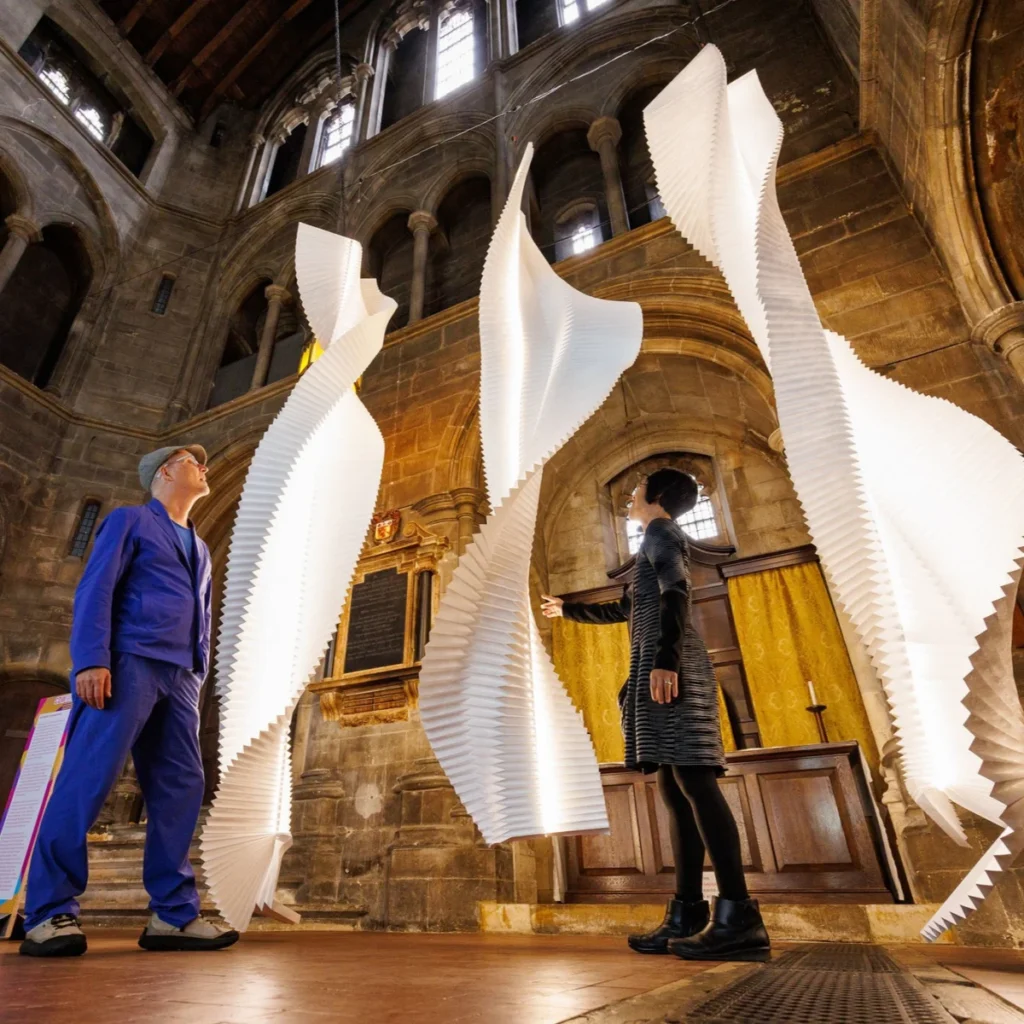
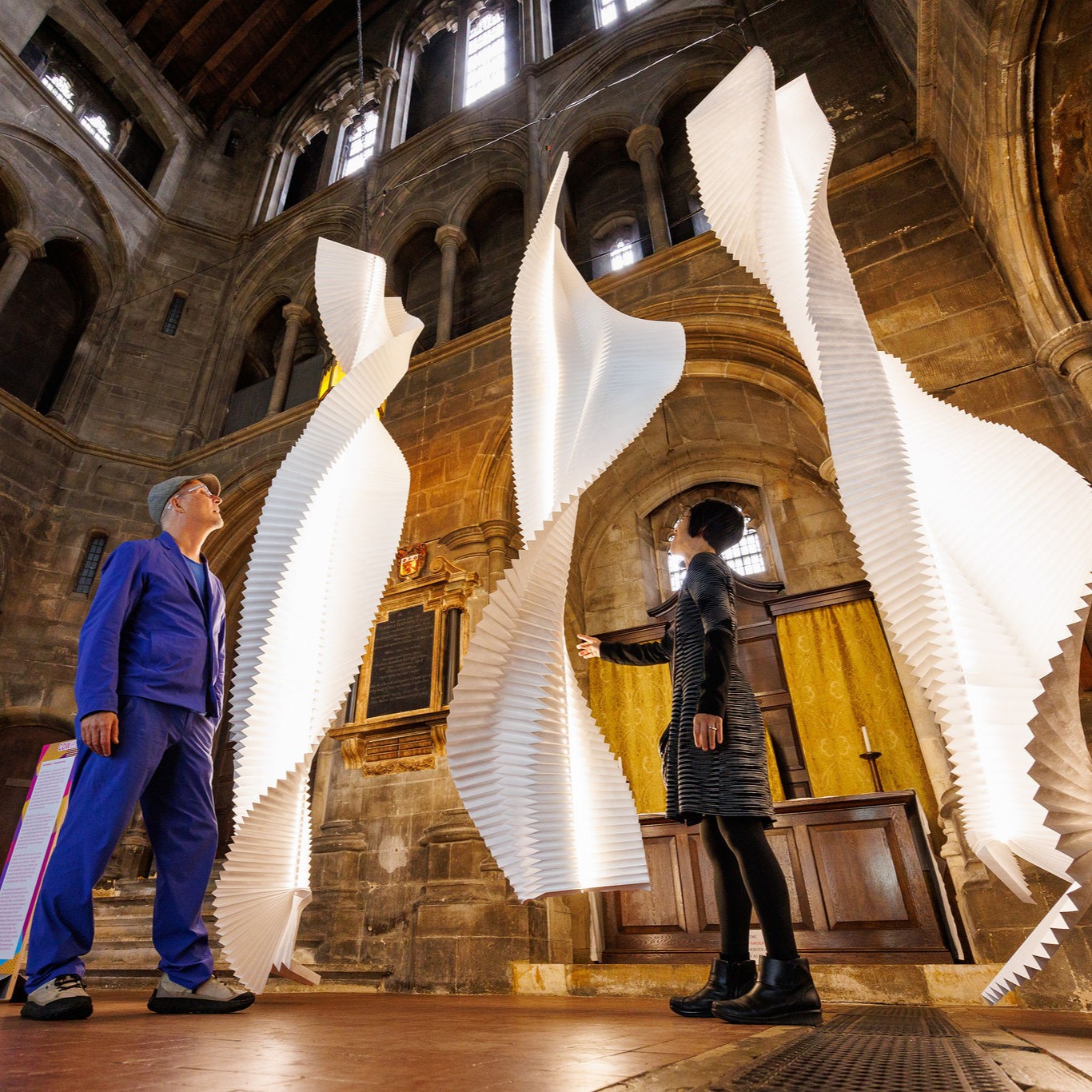
The main image accompanying this report features the Fung+Bedford Resonance installation at Clerkenwell Design Week, a visual testament to the innovative spirit and creative energy that defines the contemporary workplace design sector. The photograph was captured by renowned photographer Sam Frost, whose work consistently highlights the intersection of design, space, and human experience.