
The global landscape of early talent acquisition has undergone a profound transformation, marked by unprecedented volatility in the job market, economic uncertainty, and escalating expectations from candidates. Employers, particularly those focusing on entry-level and internship programs, report a significant shift in candidate behavior, characterized by increased wariness during job searches, heightened competition among organizations, and a notable decline in candidate engagement throughout the hiring lifecycle. This challenging environment has made the attraction and retention of early career talent more complex than ever, prompting innovative solutions from industry leaders.
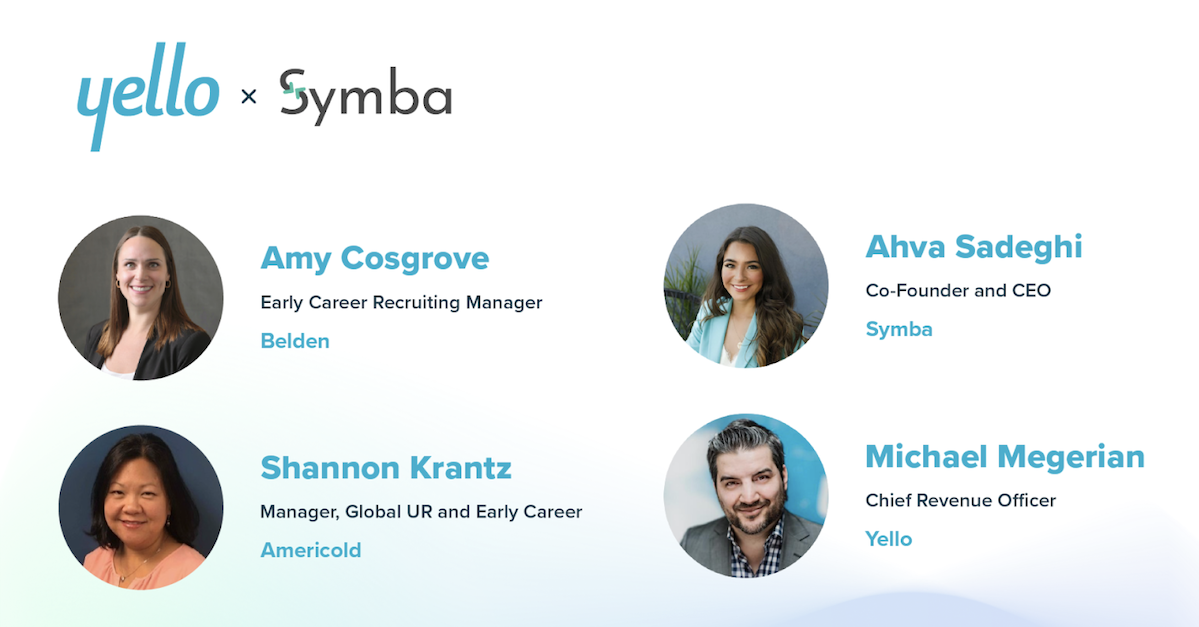
In a significant strategic move designed to address these critical issues, Yello, a leading provider of early talent recruitment software, has announced its acquisition of Symba, an innovative platform specializing in internship and new graduate program management. This acquisition, unveiled during a recent expert panel discussion, signals a concerted effort to bridge the persistent gaps in current recruiting strategies and foster stronger, more enduring connections with early talent, from the initial contact through to their first day on the job and beyond. The integration of Yello’s robust recruitment capabilities with Symba’s specialized engagement and program management tools aims to deliver the industry’s first truly end-to-end solution for the early career journey.
The Evolving Landscape of Early Talent Recruitment
For many organizations, the recruitment of early talent has historically been compartmentalized, often seen as a seasonal activity confined primarily to the fall academic calendar. While fall remains a peak period for initial outreach and offer extensions, the reality of building a resilient talent pipeline, cultivating meaningful candidate relationships, and ensuring high offer acceptance rates is a continuous, year-round endeavor. The modern early talent landscape demands a more holistic and sustained approach, acknowledging that candidate engagement is not a one-off event but a delicate continuum that requires consistent nurturing.
The current economic climate, coupled with a highly competitive talent market, has amplified the stakes. Generation Z, now entering the workforce, brings with it a distinct set of expectations regarding workplace culture, career development, and communication from prospective employers. They are digital natives who expect seamless, personalized, and frequent interaction, and any perceived silence or disinterest from a company can quickly lead them to explore other options. This shift has placed immense pressure on recruiting teams to rethink traditional methods and adopt more proactive, technology-driven engagement strategies.
Mapping the Early Career Journey: Uncovering Engagement Gaps
To fully comprehend the strategic importance of the Yello-Symba acquisition, it is crucial to analyze the typical early career hiring journey and identify where engagement commonly falters. This journey can generally be segmented into four distinct phases, with a critical "candidate engagement gap" often emerging between the offer acceptance and the actual start date.

-
Phase 1: Fall Recruiting Intensification
This period is traditionally the most active and visible phase of early talent acquisition. Universities buzz with career fairs, networking events, and company presentations. Employers invest heavily in showcasing their brand, connecting with potential hires, and extending offers. Success in this phase is often measured by the number of offers extended and accepted, securing a new cohort of interns or entry-level professionals. Recruiters and candidates alike experience high levels of excitement and momentum as relationships are forged and future opportunities solidified. -
Phase 2: The Critical Post-Offer Engagement Gap (November to May)
This phase represents the most significant vulnerability in the early career journey. Following the intense fall recruiting season and offer acceptances, a prolonged period of silence often ensues, stretching from November until the summer internship or start date in May or June. As Ahva Sadeghi, Co-Founder and CEO of Symba, recounted from her own experience, "At the beginning of my career, I had six different internships. For most, I didn’t get any emails from my employer until the week before my internship started. That’s a lot of silence."This "engagement gap" is detrimental. From the candidate’s perspective, the initial excitement can wane, replaced by feelings of being overlooked or undervalued. During these crucial months, top talent remains highly sought after and may actively continue exploring other opportunities. Without a structured, consistent communication plan, organizations risk losing these hard-won hires to competitors who maintain more proactive engagement. This period is not merely a waiting game; it is a critical window for reinforcing the employer brand, building anticipation, and solidifying commitment.
-
Phase 3: Maximizing the Internship/New Grad Experience (Summer/Start Date)
Upon arrival, new hires enter the full swing of their internship or new graduate program. This phase is characterized by onboarding, project work, mentorship, and cultural integration. The goal here is to deliver a high-quality experience that validates the candidate’s decision to join the company and prepares them for potential full-time roles. Successful execution in this phase is vital for converting interns into future employees and ensuring a positive start for new graduates.
-
Phase 4: Post-Internship Nurturing and Conversion
For many organizations, the ultimate goal of an internship program is to cultivate a pipeline of qualified early talent for permanent positions. This requires a robust post-internship strategy, including follow-ups with high-performing interns, maintaining connections, and extending full-time offers. While many early recruiting teams have established some form of post-internship communication, there are often opportunities to enhance the structure, frequency, and personalization of this outreach to maximize re-engagement and conversion rates. The goal is to continuously remind past interns why the organization remains a valuable place for their long-term career growth.
The High Cost of Disengagement: A Mounting Industry Challenge
The assumption that "work is done" once an offer is accepted is a perilous one in today’s talent market. The eight-month period between an accepted offer and an internship start date is a fertile ground for attrition. Data highlights a troubling trend: a significant portion of candidates continue their job search even after accepting an offer. A report cited by Yello indicates that 52% of candidates are still applying for jobs post-acceptance. This statistic underscores the precarious nature of passive engagement during the post-offer period.
The consequences of this disengagement are stark. Industry data reveals a dramatic increase in "renege rates," where candidates rescind their acceptance before their start date. Since 2021, there has been a +100% increase in renege rates, with a specific 10% increase in intern reneges. These figures represent not just a loss of talent but a significant financial drain. Research suggests that organizations lose an average of $4,700 or more per reneged offer when factoring in recruitment costs, administrative overhead, and lost productivity.

Amy Cosgrove, Early Career Recruiting Manager at Belden, highlighted this challenge: "I noticed a lot of reneges from new hires throughout the process up until the start date. With that occasional but consistent drip of losing talent, we couldn’t track where folks were falling off in our old Excel spreadsheets. When we started a more consistent communication strategy post-offer and connected new hires with internal stakeholders, we started to see those renege rates go down." This illustrates the direct link between proactive engagement and reduced attrition.
Yello’s Strategic Vision: Symba Acquisition to Close the Gap
Recognizing the escalating complexity and disjointed nature of early talent hiring, Yello’s acquisition of Symba marks a pivotal moment. The combined entity aims to deliver an integrated, automated solution that streamlines the most intricate aspects of early career hiring and onboarding, fundamentally transforming candidate engagement and conversion rates.
"Yello’s leadership is incredibly visionary. They’re thinking many steps ahead about what the market needs," stated Ahva Sadeghi, Symba’s Co-Founder and CEO. "This partnership introduces the first end-to-end early career solution in the market, and I’m excited for what’s to come." This sentiment underscores the strategic alignment between the two companies and their shared vision for a more connected and efficient early talent ecosystem.

The integration of Symba’s capabilities means employers can now automate manual tasks associated with running internship and new graduate programs, from pre-program communication to post-program follow-up. This automation frees up recruiting teams to focus on strategic planning and personalized interactions, rather than being bogged down by administrative burdens. As Shannon Krantz, Manager, Global UR and Early Career at Americold, noted, managing high volumes of outreach manually is unsustainable: "We’re sending out 40 emails every week for months on end. It’s impossible to manage without a tool like Symba, which can personalize our messaging and automate those activities so that we have more time to focus on strategic planning and reform our overall hiring structure."
Strategies for Bridging the Engagement Gap: Expert Insights
Addressing the early talent engagement gap requires a deliberate and structured approach. Recruiting professionals offer several best practices to diagnose and mitigate disengagement:
- Map Out Every Touchpoint: Organizations should meticulously document every interaction a new hire has from offer acceptance to their start date. This visual representation helps identify communication frequency and channels. Amy Cosgrove of Belden emphasized the value of a unified platform: "We were using several different tools during hiring and onboarding, so it’s a gamechanger to have Symba which is a one-stop-shop throughout the entire process. It’s also a more sophisticated and consistent approach to our communications strategy, instead of sending candidates emails through Outlook or our personal phone numbers."
- Flag Silent Periods: Once touchpoints are mapped, identify any prolonged gaps where new hires are left without communication. These silent periods are prime opportunities for disengagement and should be targeted for additional, meaningful interactions.
- Gather Feedback: Candidates and hiring managers possess invaluable insights into the effectiveness of communication strategies. Surveys and anecdotal feedback can pinpoint specific areas where outreach is lacking or ineffective, enabling continuous improvement.
- Diagnose the Impact: Quantify the problems created by engagement gaps, such as increased renege rates or reduced acceptance rates. Understanding the tangible impact allows recruiting teams to prioritize interventions and demonstrate the ROI of improved engagement strategies.
Building a Consistent New Hire Communication Strategy

Once gaps are identified, building a consistent and effective communication strategy becomes paramount. Experts recommend several key tactics:
- Prioritize Gaps and Focus Areas: Define what a "5-star" new hire experience looks like and identify the most impactful areas for intervention. Focus on messages that reinforce the employer brand and excite new team members.
- Add Intentional Touchpoints: Communication doesn’t need to be daily but should be regular and purposeful. Identify 3-5 core messages about company culture, career development, or networking opportunities, and ensure these are consistently reinforced through scheduled outreach. Shannon Krantz noted her proactive approach: "I’ll send out a communication every month up until a new hire’s start date, and track how quickly they respond. When folks respond immediately, we know that they’re very on board and are excited to start working with us. If it’s taken five days and we still haven’t heard back, we know it’s time to pick up the phone or dig a bit deeper about why they’re not engaging with us."
- Build Human Connections: Facilitate connections between incoming interns and current employees, perhaps through alumni networks or peer-to-peer matching. Create social media groups or virtual touch-bases for interns to meet each other and their managers before their official start date. Shannon Krantz highlighted creative ways to foster this: "We keep the conversation going by asking interns fun questions via email that make them excited to respond, and so that they can get to know other interns. It can be something silly like ‘Who’s your favorite superhero,’ which is light but drives engagement and helps us gauge response rates."
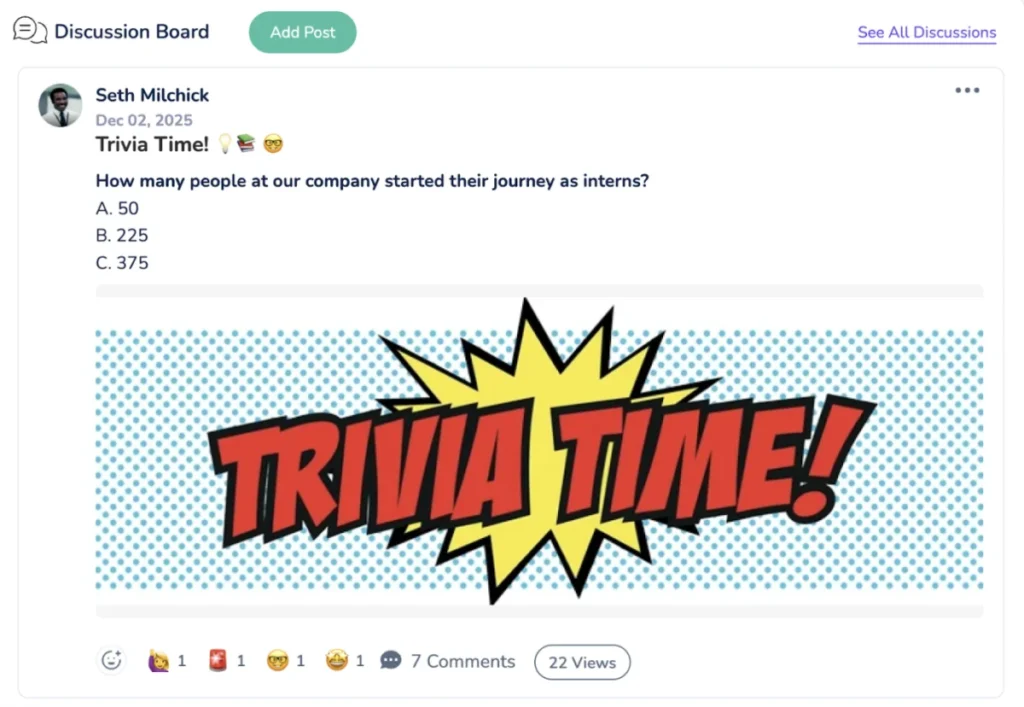
- Add Value Before Day One: Beyond simple check-ins, offer tangible value. This could include company swag, exclusive panel discussions with leadership, or virtual networking events that provide career insights. Amy Cosgrove shared an example: "We post ongoing discussion starters in Symba, like trivia questions where folks can enter for a raffle prize. It’s low-stakes and fun, so that it’s easy to participate and drive engagement."
- Lean on Technology: Implementing the right technology is crucial for scaling personalized communication. Platforms like the newly integrated Yello and Symba solution enable automated, yet personalized, outreach across various channels, ensuring no candidate falls through the cracks.
Broader Impact and Implications for the Industry
The acquisition of Symba by Yello is poised to have significant implications for the early talent recruitment technology market. It signals a move towards more integrated, comprehensive platforms that can manage the entire candidate lifecycle, rather than fragmented point solutions. This consolidation offers employers a single source of truth for candidate data, improved analytics on engagement and conversion, and a streamlined workflow that reduces administrative burden.
For Yello, the acquisition strengthens its position as a market leader, expanding its offering to include robust post-offer and program management capabilities that were previously underserved. For Symba, it provides access to Yello’s extensive client base and resources, accelerating its mission to enhance internship experiences globally. Ultimately, this partnership is a win for employers seeking to optimize their early talent pipelines and for candidates desiring a more connected and supportive journey into their careers.

Conclusion: Stronger Connections Start Long Before Day One
The era of passive early talent recruiting is over. Organizations that thrive in this evolving landscape will be those that understand that attracting great candidates in the fall is only the first step. The true competitive advantage lies in maintaining consistent engagement, fostering excitement, and building confidence in their decision every step of the way. The data unequivocally demonstrates that silence carries a heavy cost in terms of lost talent, wasted time, and financial repercussions.
With a thoughtful engagement strategy, intentional communication, and the sophisticated tools offered by the combined Yello and Symba platform, companies can transform current disengagement challenges into a formidable competitive edge. This integrated approach simplifies candidate management, fortifies critical touchpoints, and significantly improves the conversion of early talent into committed, long-term hires. The organizations that will succeed are those that not only recruit early talent but actively nurture, support, and consistently demonstrate to them why they are an invaluable part of the team, long before their first official day.






