Banksying is not a sudden departure; it is a deliberate, gradual withdrawal that leaves a profound and damaging void in its wake. Unlike ghosting, where an individual abruptly vanishes, banksying is characterized by a slow diminishment of presence, care, and connection, all while maintaining the outward appearance of normalcy. This subtle disengagement, where someone pulls away while projecting an image of stability, erodes relationships and undermines organizational effectiveness. The term draws a parallel to the provocative art of Banksy, whose work often challenges perceptions and reveals hidden truths, much like this insidious leadership behavior that appears to maintain the status quo while fundamentally dismantling it.
The phenomenon of banksying, at its core, is a manifestation of conflict avoidance. Leaders who engage in this behavior sidestep direct engagement with challenging issues, opting instead for a slow retreat. This avoidance stems from a desire to circumvent discomfort, postpone difficult conversations, and shield themselves from tension. However, this strategy comes at a steep price: the sacrifice of clarity and genuine connection. Rather than resolving conflict, banksying merely defers and amplifies it, creating a festering problem that becomes exponentially harder to address and repair over time.
In the professional arena, the indicators of banksying are often subtle but deeply felt. A leader may continue to attend meetings, approve decisions, and fulfill their basic duties. Yet, their voice becomes more distant, their feedback arrives with increasing delays, and the team begins to sense an emotional or psychological absence, as if the leader has already mentally departed the room.
Decades of executive coaching have illuminated banksying as one of the most detrimental leadership habits. Instances abound of CEOs and senior managers gradually withdrawing from struggling team members. This withdrawal manifests as fewer informal check-ins, delayed or superficial feedback, and a discernible shift towards a colder, more detached demeanor. While physically present, the leader’s engagement becomes perfunctory, lacking the vital element of true presence.
The pattern often unfolds predictably. When a significant challenge arises, instead of confronting it head-on, the leader begins to incrementally disengage. The justifications offered are frequently plausible, citing an overwhelming workload or promising to address the issue at a later date, such as "Let’s talk next week." However, each postponement creates a tangible distance, weakening the relationship and the team’s trust in a quiet, almost imperceptible manner, devoid of direct confrontation or clear communication.
This creates a disorienting environment for the team member or subordinate. They sense a fundamental shift but struggle to articulate its nature. This uncertainty breeds anxiety and self-doubt, leading them to overanalyze every word and gesture. Their attempts to rectify the situation by trying harder or overcompensating are often misdirected, as they are reacting to a leader’s retreat that has already subtly positioned them for potential failure.
The Amplifying Impact of Evasive Silence
Banksying’s insidious nature lies in its ability to catch individuals off guard. The perceptible shift in a leader’s engagement is often felt before it is understood, leading to a pervasive sense of unease. The ensuing uncertainty fuels anxiety and erodes confidence. When words and underlying energy become contradictory, trust disintegrates far more rapidly than through direct criticism. The unspoken message of withdrawal, masked by superficial engagement, creates a fertile ground for misinterpretation and mistrust.
The Misconception of Conflict Aversion as Leadership
The practice of banksying fundamentally exposes a lack of emotional maturity in leadership. It represents an avoidance of necessary tension in favor of superficial comfort, a retreat that is mistakenly equated with effective management. However, teams depend on their leaders to be present and engaged, especially during challenging times. When leaders withdraw without explanation, they implicitly teach their teams that problems are to be ignored and that individuals facing difficulties will be left behind. This creates a culture of fear and disengagement, where proactive problem-solving is discouraged.
The Fragility of Trust in the Face of Withdrawal
The impact of a leader’s withdrawal is not lost on their team. Employees often recognize the pattern, having witnessed it before, and begin to anticipate their own potential marginalization. This realization prompts self-preservation, leading them to suppress questions, avoid offering innovative ideas, and generally play it safe. The most proactive and vocal members of a team are often the first to depart. They recognize the signs of impending disengagement and choose to leave on their own terms rather than be subjected to a slow, silent sidelining.

The imperative for leaders is clear: when an employee’s performance is unsatisfactory, direct communication is essential. Similarly, if a leader must step back from certain responsibilities, transparency and explanation are paramount. Directness and presence are not merely desirable traits; they are fundamental requirements of effective leadership. Allowing relationships and organizational cohesion to decay in silence is a failure of leadership, a testament to a lack of courage to confront difficult realities. True leadership demands sustained engagement, unwavering clarity, and the fortitude to address challenges directly. Anything less constitutes a passive abdication of responsibility.
Data-Driven Insights into Leadership Disengagement
The impact of leadership withdrawal can be quantified through various organizational metrics. Studies by leading HR analytics firms have indicated that companies experiencing high rates of employee disengagement often exhibit a correlation with leadership styles characterized by low visibility and delayed decision-making. For instance, a 2023 report by Gallup found that teams with actively disengaged managers reported 59% higher turnover rates. Furthermore, a survey by the Center for Creative Leadership revealed that 70% of employees consider a leader’s communication style to be the most critical factor in their overall job satisfaction. When leaders engage in banksying, they inadvertently undermine these critical pillars of employee morale and organizational productivity.
The subtle erosion of trust caused by banksying can have long-term repercussions. Research published in the Harvard Business Review suggests that it takes an average of three to five instances of perceived inconsistency or withdrawal for employees to significantly alter their perception of a leader’s trustworthiness. This prolonged period of uncertainty can lead to decreased innovation, reduced collaboration, and a general decline in the organization’s ability to adapt and thrive in a dynamic market.
Case Studies Illustrating the Pitfalls of Banksying
Examining historical business events provides tangible examples of the consequences of leadership withdrawal. During the dot-com bubble burst of the early 2000s, many tech companies faced significant market downturns. Leaders who responded by becoming less accessible, delaying crucial strategic decisions, and avoiding difficult conversations with their teams often saw their companies suffer more acutely. Conversely, leaders who maintained open communication channels, provided clear guidance, and demonstrated resilience during uncertainty were more likely to navigate their organizations through the crisis.
A notable, albeit anonymized, example from the financial sector involved a prominent investment bank where a senior executive, facing pressure from regulators and market volatility, began to exhibit classic signs of banksying. He reduced his direct interactions with his division, delegated critical decision-making to subordinates without adequate oversight, and became increasingly difficult to reach. Within eighteen months, his division experienced a significant drop in morale, a surge in employee departures to competitor firms, and a substantial decline in deal origination. The bank eventually had to restructure the division, incurring significant costs and reputational damage, directly attributable to the executive’s prolonged disengagement.
Expert Perspectives on Addressing Banksying
Leading organizational psychologists and leadership consultants consistently advocate for proactive and direct approaches to leadership challenges. Dr. Anya Sharma, a renowned expert in organizational behavior, states, "Banksying is a form of passive aggression that creates a toxic work environment. It signals a lack of courage and a disregard for the human element of leadership. Organizations must foster a culture where direct feedback and open dialogue are not only encouraged but expected."
Similarly, former CEO and leadership advisor, Marcus Thorne, emphasizes the role of accountability. "Leaders must understand that their presence and their actions have a ripple effect throughout the organization. When they withdraw, they create a vacuum that can be filled with anxiety, speculation, and ultimately, a breakdown in performance. Holding leaders accountable for their engagement and communication is as critical as holding them accountable for financial targets."
The Path Forward: Cultivating Authentic Leadership
The antidote to banksying lies in cultivating authentic leadership, characterized by presence, clarity, and courage. This involves:
- Embracing Direct Communication: Leaders must commit to open, honest, and timely communication, even when the messages are difficult. This includes providing constructive feedback, addressing concerns directly, and clearly articulating expectations.
- Active Listening and Empathy: Truly being present means actively listening to the concerns and perspectives of team members. Demonstrating empathy builds trust and fosters a sense of psychological safety.
- Proactive Problem-Solving: Instead of avoiding conflict, leaders should proactively identify and address challenges. This requires a willingness to engage in difficult conversations and to make tough decisions.
- Accountability and Transparency: Leaders must hold themselves accountable for their actions and communications. Transparency about decisions, challenges, and personal limitations builds credibility.
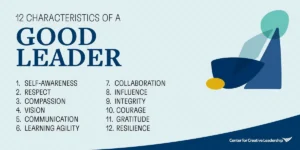
- Continuous Self-Awareness: Understanding one’s own triggers for avoidance and developing strategies to overcome them is crucial. This often involves seeking feedback from trusted mentors or coaches.
Conclusion: The Imperative of Engaged Leadership
In an era where organizational agility and employee engagement are paramount, the subtle yet destructive practice of banksying represents a significant threat to leadership effectiveness. It is a quiet erosion that undermines trust, stifles innovation, and ultimately leads to organizational decay. The path to overcoming this challenge requires a collective commitment to cultivating leadership that is not only present but also courageous, clear, and consistently engaged. Real leaders do not fade out; they lean in, stay alert, communicate with purpose, and confront conflict directly, thereby building resilient teams and enduring organizations.
Lolly Daskal is a recognized authority in leadership development and the author of the national bestseller, "The Leadership Gap: What Gets Between You and Your Greatness." Her work emphasizes the importance of authentic leadership, direct communication, and courageous action in navigating complex organizational challenges. Daskal’s extensive experience coaching executives across diverse global industries provides a unique perspective on the subtle yet impactful behaviors that define effective leadership.