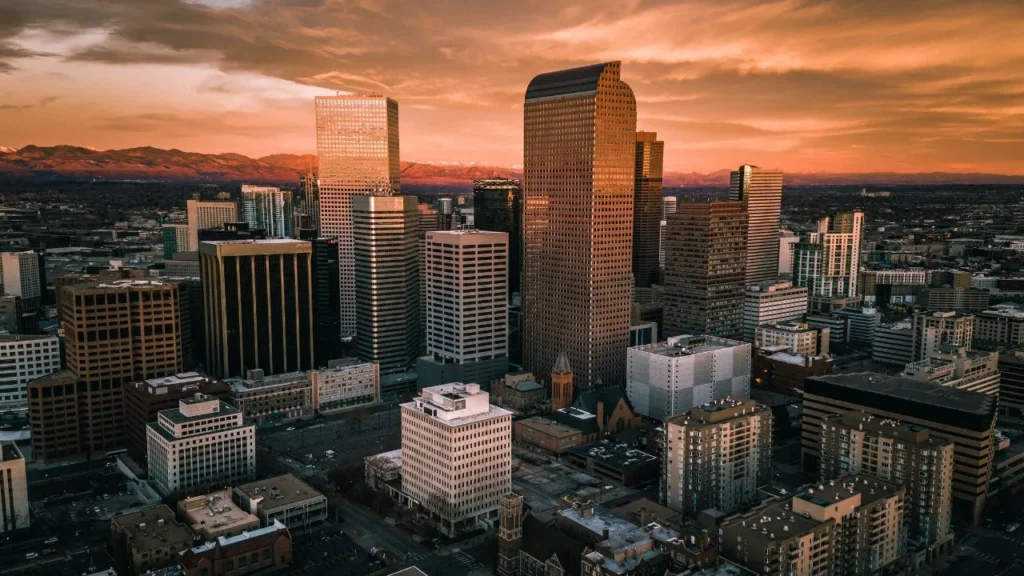
Denver’s office market recorded its strongest quarter in four years as tenants occupied 119,700 more square feet than they vacated in Q2 2026. This significant gain marks the market’s best quarterly performance since Q1 2022, when Denver registered nearly 282,000 square feet of positive net absorption, according to BisNow. This positive shift in net absorption, a key indicator of office space demand, suggests a potential stabilization and even a nascent recovery in Denver’s commercial real estate sector, which has been navigating a challenging post-pandemic landscape.
Leasing Gains Outpace Major Move-Outs Amid Shifting Dynamics
The robust Q2 performance was achieved despite a substantial move-out by Schlumberger, which vacated over 50,000 square feet at the Denver Energy Center. This significant reduction in space by a major energy firm underscores the ongoing transformations within certain industries, particularly those historically tied to the region’s energy sector. However, the market demonstrated resilience, as new leases effectively offset these losses.
Among the notable leasing successes was Industrious, a prominent flexible workspace provider, which secured a 25,200-square-foot lease at 2420 17th St. This expansion by a co-working operator is particularly significant, as it indicates a growing demand for flexible and on-demand office solutions, a trend that has gained considerable traction in recent years. The ability of such providers to expand suggests a broader market appetite for adaptable workspace models that can cater to diverse employee needs and evolving work arrangements.
Other significant move-ins that contributed to the positive net absorption in Q2 2026 included Merrick & Co. at Lincoln Crossing Tower I and Intrepid Potash at Republic Plaza. These transactions highlight a diversified base of leasing activity across different sectors and locations within the Denver metropolitan area. The successful occupation of these spaces by established companies signals a continued confidence in Denver as a business hub.
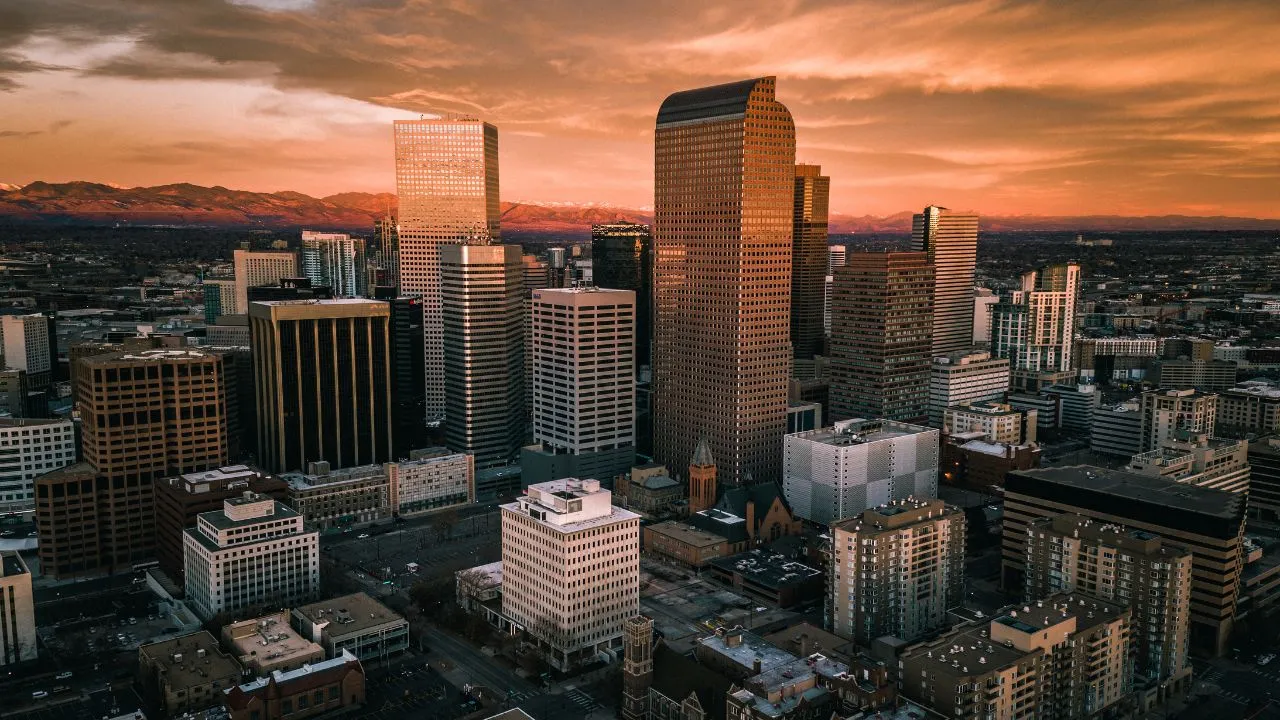
However, the overall picture is not without its complexities. Industry analysts point to persistent headwinds that continue to temper the pace of recovery. Downsizing by existing tenants and a pattern of delayed occupancies are still weighing on overall leasing activity. This suggests that while new demand is emerging, the market is also grappling with a recalcitrant legacy of space rationalization and strategic re-evaluation by many businesses. The phenomenon of companies reducing their overall office footprint, even as they engage in new leasing, highlights a fundamental shift in how businesses perceive and utilize office space.
Vacancy Rates Remain Elevated but Show Signs of Stratification
Despite the positive net absorption, Denver’s overall office vacancy rate remained elevated in Q2 2026, with reports from major commercial real estate firms placing it within a range of 26.6% to 28.7%. This indicates that a substantial amount of office space remains available across the market.
CBRE’s Q2 2026 report indicated a slight decline in the overall vacancy rate during the quarter, a positive sign suggesting a modest improvement in market conditions. Conversely, Cushman & Wakefield reported a small increase in vacancy over the same period, highlighting a degree of divergence in market assessments and potentially reflecting different methodologies or geographic focuses. This disparity underscores the nuanced nature of the current market, where broad trends can mask localized variations.
Crucially, vacancy conditions vary widely by submarket, reflecting a significant degree of stratification within Denver’s office landscape. Downtown Denver and the River North (RiNo) Art District continued to experience the highest vacancy rates, recorded at 38.6% and 42.3%, respectively. These figures are considerably higher than the market average, indicating persistent challenges in these core urban areas. The high vacancy in downtown and RiNo may be attributed to a combination of factors, including a higher concentration of older office stock, a more pronounced impact of remote work trends on traditional office environments, and increased competition from newer, more amenity-rich buildings.
In contrast, the Cherry Creek neighborhood maintained its position as one of the strongest submarkets, boasting a significantly lower vacancy rate of 12.8%. This demonstrates the enduring appeal of prime locations offering a high quality of life, vibrant retail, and a desirable business environment. The Southeast market, which encompasses the Denver Tech Center (DTC), recorded a vacancy rate of 26.4%. While still above pre-pandemic levels, this figure suggests a more stable or recovering market compared to the downtown core, potentially benefiting from its established business infrastructure and accessibility.

Factors Driving Recovery and Future Outlook
Analysts widely expect Denver’s office market recovery to continue its gradual trajectory, with demand increasingly concentrated in higher-quality buildings and select, desirable neighborhoods. The flight-to-quality trend, where tenants prioritize modern, well-appointed, and amenity-rich spaces, is a dominant theme shaping the market’s future. This trend favors newer constructions and recently renovated buildings that can offer compelling environments conducive to collaboration, employee well-being, and a strong company culture.
JLL’s analysis of the market suggests that a confluence of positive indicators points towards a turning point. The firm highlighted improving leasing activity, a notable decline in sublease inventory, and a limited pipeline of new office supply as key factors indicating that the market has moved past its steepest declines. The reduction in sublease space, in particular, is a strong signal of renewed confidence, as it implies that companies are less likely to shed excess space and are more inclined to commit to direct leases.
However, JLL also emphasized that sustained improvement hinges on companies committing to long-term occupancy rather than merely engaging in short-term relocation or subleasing. The true measure of a robust recovery will be the addition of new jobs and businesses that require net new office space, rather than simply shuffling existing demand within the market. This distinction is critical; a market characterized by internal shuffling may see positive net absorption figures, but it does not necessarily translate to organic growth or a fundamental expansion of the office-using economy.
Background and Historical Context
The Q2 2026 performance represents a significant milestone in Denver’s office market recovery. Following the onset of the COVID-19 pandemic in early 2020, the commercial office sector globally, and in Denver, experienced a sharp downturn. The widespread adoption of remote and hybrid work models led to a significant reduction in office space utilization, increased vacancy rates, and a decline in rental rates.
In Denver, the market had been a strong performer in the years leading up to the pandemic, driven by robust job growth and corporate relocations. However, the shift in work paradigms presented unprecedented challenges. By late 2020 and through 2021, vacancy rates climbed, and net absorption turned negative as companies grappled with uncertainty about their future space needs.
The Q1 2022 period, which saw nearly 282,000 square feet of positive net absorption, represented a brief surge of optimism. This was largely attributed to a backlog of deals that were delayed during the initial phases of the pandemic and a temporary return to office mandates by some firms. However, this momentum proved difficult to sustain, and the market subsequently faced renewed headwinds as hybrid work models became more entrenched and economic uncertainties persisted.
The Q2 2026 results, therefore, are particularly noteworthy as they signal a potentially more durable shift. The fact that positive net absorption has reached its highest level in over four years suggests that the market is absorbing available space at a pace that outstrips new vacancies. This is a crucial development, as it indicates that the supply-demand imbalance, which has been a defining characteristic of the market in recent years, may be beginning to correct itself.
Broader Implications and Future Trends
The positive trends observed in Denver’s office market have broader implications for the city’s economic landscape and the future of commercial real estate. A strengthening office market can contribute to increased economic activity, support ancillary businesses that rely on office worker foot traffic, and bolster property tax revenues.
The continued emphasis on higher-quality buildings suggests that landlords will need to invest in modernizing their portfolios to remain competitive. This includes upgrades to building systems, enhanced amenities, and a focus on sustainability and employee well-being. The divergence in submarket performance also highlights the importance of location and property type in determining an asset’s success. Submarkets with strong transit access, a vibrant mix of retail and dining, and a desirable quality of life are likely to outperform those that lack these attributes.
The sustained demand for flexible workspace solutions, as evidenced by Industrious’s lease, points to a permanent shift in how many companies approach office space. This trend may lead to a more dynamic and adaptable office market, where businesses can scale their space requirements up or down more readily. It also suggests that traditional landlords may need to incorporate flexible workspace offerings or partner with co-working providers to cater to this growing segment of the market.

Furthermore, the limited new supply projected for the coming years, coupled with improving leasing activity, could eventually lead to increased rental rates, particularly for prime office spaces. However, the pace of any rental rate appreciation will likely be gradual and heavily dependent on continued economic growth and a sustained increase in tenant demand for net new space.
In conclusion, Denver’s office market in Q2 2026 has demonstrated a significant positive development with its strongest quarterly net absorption in four years. While challenges such as high overall vacancy rates and submarket disparities persist, the leasing gains, particularly in high-quality spaces and flexible work solutions, signal a potential turning point. The market’s trajectory will continue to be shaped by evolving work trends, economic conditions, and the strategic investments made by property owners to adapt to the changing demands of businesses and their employees. The coming quarters will be crucial in determining whether this positive momentum can be sustained and translate into a more comprehensive recovery for Denver’s commercial office sector.