
A critical investigation has been initiated by Members of Parliament from the House of Commons Transport Committee into the profound impact of inadequate transport access, particularly in rural and underserved areas, on youth unemployment and access to training. The inquiry seeks to meticulously examine how limited mobility acts as a significant impediment to young people securing and retaining employment, and to identify actionable strategies for improvement. This comes at a time when Westminster is navigating the early stages of the new Burnham administration, yet the vital work of parliamentary committees continues unabated, addressing pressing social and economic challenges across the nation.
The House of Commons Transport Committee formally launched its inquiry, titled "Getting to Work: Transport Connecting Young People to Jobs and Training," on 21 July 2026. The move underscores a growing recognition within parliamentary circles that transport infrastructure is not merely a matter of convenience but a fundamental pillar supporting economic opportunity and social equity, especially for the younger generation. The inquiry will delve into the multifaceted challenges faced by young individuals, particularly those without personal vehicles or driving licenses, in reaching educational institutions, vocational training centres, and workplaces, often located considerable distances from their homes.
The Context: Persistent Youth Unemployment and Regional Disparities
The launch of this inquiry is not an isolated event but rather the culmination of increasing concern over persistent pockets of youth unemployment and underemployment, exacerbated by geographical inequalities. While national unemployment figures may fluctuate, specific demographics and regions consistently face greater hurdles. Young people, defined as those aged 16-24, often bear the brunt of economic downturns and structural shifts in the labour market. Data from various economic think tanks and government reports over the past decade consistently highlight that youth unemployment rates can be significantly higher in rural, coastal, and former industrial areas compared to metropolitan centres. For instance, recent analyses suggest that in some remote regions, youth unemployment can be up to 50% higher than the national average, with a substantial proportion of these young individuals citing transport as a primary barrier to accessing available job opportunities or vital skills training.
The economic implications of this are far-reaching. A lack of access to early career opportunities can lead to long-term scarring effects on individuals’ earning potential and career progression, contributing to cycles of deprivation. For the national economy, it represents a significant waste of human capital, reducing productivity, innovation, and tax revenues, while increasing welfare dependency. Estimates from organisations like the Resolution Foundation have previously suggested that the long-term economic cost of youth unemployment runs into billions of pounds annually, factoring in lost output, increased public services demand, and reduced social mobility.
A Chronology of Growing Concern: From Milburn to Buses Connecting Communities
The current parliamentary investigation builds upon a foundation of previous reports and inquiries that have progressively illuminated the critical nexus between transport and youth opportunity.
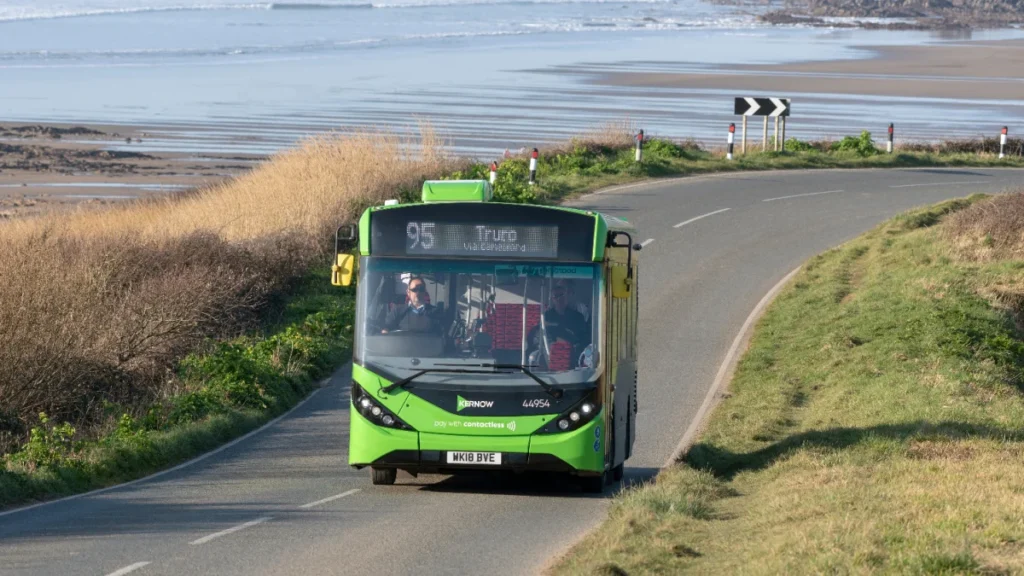
2025: The Buses Connecting Communities Inquiry: Just a year prior to the current investigation, the Transport Committee itself concluded a significant inquiry into "Buses Connecting Communities." Published in late 2025, this report delivered stark findings, asserting that public transport, particularly bus services, remained a major impediment to employment for young people. It highlighted how dwindling services and increasingly prohibitive fares in underserved areas made it exceptionally difficult for young individuals to commute to colleges, apprenticeship schemes, entry-level positions, or shift-based work that often falls outside conventional operating hours. The report called for a strategic overhaul of bus funding and route planning, emphasising the need for services to be designed around the actual needs of communities and potential employees, rather than solely commercial viability. It identified a worrying trend of declining bus routes, with some rural areas experiencing cuts of over 30% in the past decade, leaving many young people effectively stranded.
The Interim Report by Alan Milburn: Preceding the 2025 bus inquiry, former health secretary Alan Milburn published an interim report focusing specifically on young people and work. This influential report unequivocally concluded that transport presented a "significant practical barrier" for young people in accessing both employment and training. Milburn’s findings resonated particularly with those without a driving licence or access to a car – a demographic that disproportionately includes younger individuals and those from lower-income households. His report drew particular attention to the acute challenges faced by young people residing in rural, coastal, and former industrial areas, where public transport infrastructure has historically been neglected or severely diminished following decades of deregulation and funding cuts. The Milburn report served as a clarion call, advocating for a more integrated approach to youth employment strategies that explicitly addressed the transport dimension.
These prior investigations have laid crucial groundwork, providing the current inquiry with a robust evidence base and a clear mandate to "dig into the detail" of the issue, as articulated by Committee Chair Ruth Cadbury.
Voices from the Frontline: Stakeholder Perspectives
The Transport Committee’s call for evidence seeks to gather insights from a wide array of stakeholders, reflecting the multifaceted nature of the problem. Beyond formal submissions, the anticipated reactions from various sectors underscore the widespread impact of transport barriers.
Ruth Cadbury, Committee Chair: In launching the inquiry, Ms. Cadbury stated, "Both the Transport Committee’s inquiry into England’s buses and Alan Milburn’s report into young people and work were clear – transport is often a major obstacle faced by young people looking to find jobs and hold them down. Our new inquiry will dig into the detail of this. We will examine the issue of transport as a barrier to young people finding and taking up employment and training opportunities, and we will consider what can be done to make things better. As we do so, the Committee looks forward to engaging with transport providers, employers and further education providers, and we are very keen to hear the real-world experiences of a wide range of young people up and down the country." Her emphasis on "real-world experiences" highlights the committee’s commitment to hearing directly from those most affected.

Youth Advocacy Groups: Organisations like the Youth Employment UK or The Prince’s Trust are expected to welcome the inquiry. A representative from a leading youth charity might state, "For too long, the ‘last mile’ problem – or often, the ‘first 20 miles’ problem – has been overlooked in youth employment policy. Our young people are eager to learn and work, but if they cannot physically get to an interview, a college, or a job site, their ambition is cruelly thwarted. This inquiry is a vital step towards ensuring that talent and potential are not wasted simply because of a postcode lottery of transport access." They would likely advocate for subsidised travel, demand-responsive transport solutions, and better integration of transport planning with educational and employment strategies.
Employer Federations: The Confederation of British Industry (CBI) or the Federation of Small Businesses (FSB) would likely offer their strong support. A spokesperson for an employer’s group might comment, "Employers across various sectors, particularly in manufacturing, hospitality, and care, consistently report difficulties in recruiting young talent, especially outside major urban centres. There’s a mismatch between available jobs and an accessible workforce. Improving transport links for young people isn’t just a social imperative; it’s an economic necessity that will help businesses fill critical skills gaps and boost local economies." They would likely highlight the need for reliable, affordable transport options, especially for shift work that often falls outside standard public transport operating hours.
Rural Transport Charities: Organisations like Community Transport Association would undoubtedly stress the urgent need for investment. A representative might argue, "Rural communities have been systematically underserved by public transport for decades. Young people in these areas are effectively marooned, unable to access opportunities that are readily available to their urban peers. We need innovative, flexible, and adequately funded transport solutions – be it community-run schemes, ride-sharing initiatives, or better subsidised bus routes – that truly connect people, not just places." They would likely provide data on the severe decline in rural bus services and the resulting social isolation.
Local Government Associations: Representatives from the Local Government Association (LGA) would likely highlight the funding challenges faced by councils. A spokesperson might say, "Local authorities are on the front line of delivering public services, but successive cuts to local government funding have severely impacted our ability to maintain comprehensive transport networks. While we understand the need for fiscal prudence, the long-term costs of youth unemployment far outweigh the investment required to create viable transport links. We need a sustainable, long-term funding settlement for local transport that empowers councils to tailor solutions to their unique local needs." They would advocate for greater devolution of transport funding and decision-making.
Economic and Social Toll: A Deeper Analysis of Implications
The implications of transport-related youth unemployment extend far beyond individual hardship. Economically, it represents a substantial drag on national productivity and growth. Young people unable to enter the workforce or access training are less likely to contribute to the tax base, more likely to rely on welfare support, and less likely to engage in consumer spending, thereby dampening local economic activity. This creates a vicious cycle, where a lack of investment in infrastructure exacerbates unemployment, which in turn reduces the economic capacity to fund improvements.
Socially, the issue contributes to widening inequalities and can foster a sense of disenfranchisement among young people. Being unable to pursue education or career paths due to geographical constraints can lead to feelings of hopelessness, mental health challenges, and social exclusion. It also impacts community cohesion, as talented young people may be forced to leave their hometowns in search of opportunities elsewhere, leading to brain drain in rural and deprived areas. The erosion of local services, including public transport, contributes to a perception that these areas are being left behind, undermining social trust and regional development efforts.
Furthermore, the environmental implications of this reliance on private vehicles are significant. If public transport is not a viable option, young people who eventually gain employment may be compelled to purchase cars, contributing to increased carbon emissions, traffic congestion, and air pollution. Investing in sustainable public transport solutions that cater to the needs of young job seekers could therefore yield dual benefits: fostering economic opportunity and advancing environmental goals.
Policy Pathways and Future Outlook
The inquiry’s ultimate goal is to propose concrete recommendations to improve the situation. Potential policy pathways could include:
- Targeted Transport Subsidies: Direct financial support for young people to cover the costs of public transport to work or training, potentially administered through local authorities or educational institutions.
- Enhanced Public Transport Networks: Strategic investment in expanding and improving bus routes, particularly in rural and underserved areas, ensuring services operate during early morning, late evening, and weekend hours to accommodate shift workers.
- Demand-Responsive Transport (DRT): Greater deployment of flexible, on-demand transport services, often using smaller vehicles, that can be booked via apps or phone, providing a more tailored solution for low-density areas.
- Integrated Planning: A requirement for local authorities and regional development bodies to integrate transport planning with education and employment strategies, ensuring new job creation zones or training centres are accessible by public transport.
- Driver Training and Car Sharing Initiatives: Support for young people to obtain driving licenses where public transport is genuinely unfeasible, alongside the promotion of car-sharing schemes and community-based transport networks.
- Digital Connectivity: Improving digital infrastructure to facilitate remote working and online learning, reducing the absolute necessity for physical travel in some instances, although this cannot fully replace the need for physical presence in many sectors.
The new Burnham administration will be closely watching the outcome of this inquiry. With a mandate focused on "levelling up" opportunities across the country, addressing fundamental barriers like transport access for young people could be a key plank of their domestic policy agenda. The recommendations from the Transport Committee could therefore significantly influence future government spending decisions, transport policy reforms, and cross-departmental initiatives aimed at tackling youth unemployment and fostering regional prosperity.
Call for Evidence and Public Engagement
The Transport Committee has extended an open invitation for individuals and organisations to contribute their perspectives through an online call for evidence. This mechanism allows a broad spectrum of voices, from young people directly affected by transport issues to transport providers, employers, educational institutions, and local authorities, to submit their experiences and proposed solutions. The deadline for submissions is 16 October 2026. The committee’s emphasis on hearing "real-world experiences" underscores the importance of this public engagement in shaping practical and effective recommendations. The outcome of this inquiry is anticipated to be a landmark report that could redefine how the UK approaches the critical intersection of transport policy, youth opportunity, and regional economic development for years to come.








