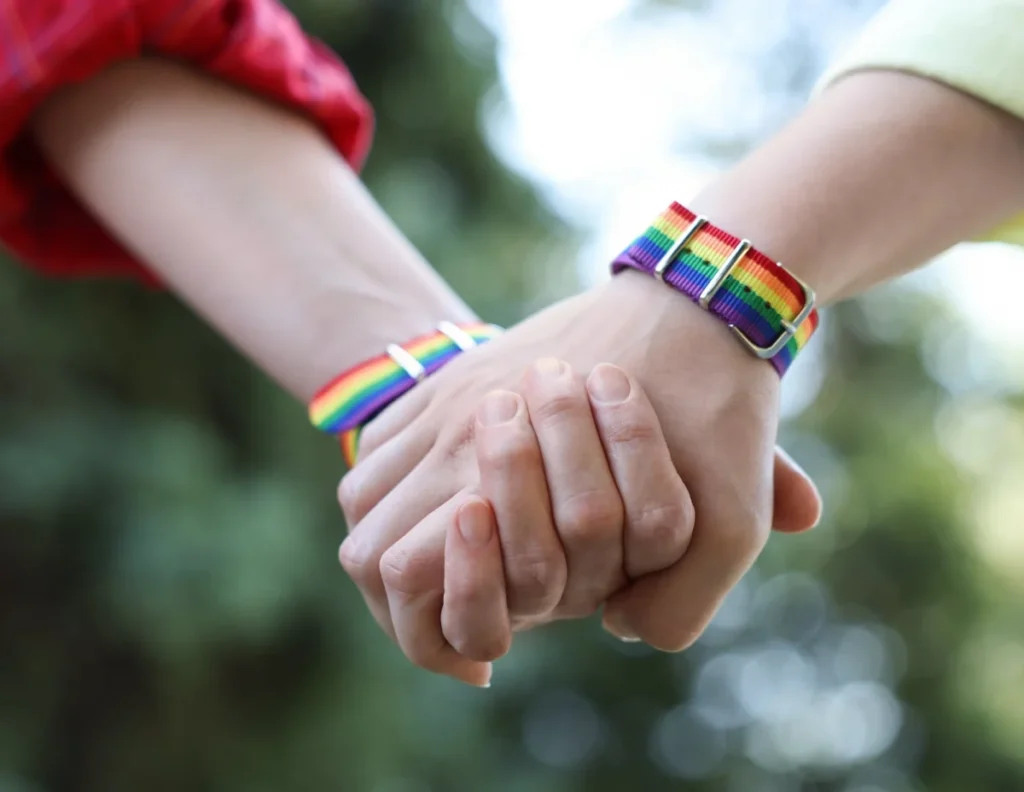
June marks Pride Month, a globally recognized period dedicated to celebrating LGBTQIA+ (Lesbian, Gay, Bisexual, Transgender, Queer, Intersex, Asexual, and others) individuals and their rights. While for many, Pride is a vibrant and anticipated time of joy and solidarity, for others, it can be a source of unfamiliarity or even discomfort. This article aims to provide a comprehensive understanding of the significance of Pride Month, particularly for those who may have limited exposure or knowledge of its origins and ongoing importance.
The Vital Importance of Pride Month: Saving Lives Through Acceptance
The fundamental reason for Pride Month’s existence lies in its profound impact on the well-being and safety of LGBTQIA+ individuals, particularly youth. Sobering statistics from organizations like The Trevor Project highlight the critical need for acceptance. According to their 2023 National Survey on LGBTQ Youth Mental Health, a significant percentage of LGBTQIA+ youth have considered suicide, with many reporting experiencing discrimination. These findings underscore a crucial point: the mental health challenges faced by LGBTQIA+ youth are not inherent to their identity but are often a direct consequence of living in unaccepting environments.
The data consistently reveals a strong correlation between societal acceptance and improved mental health outcomes for LGBTQIA+ individuals. When communities embrace and affirm diverse sexual orientations and gender identities, they literally save lives. Pride celebrations serve as powerful, visible demonstrations of this acceptance. They create safe spaces, foster a sense of belonging, and send a clear message to LGBTQIA+ individuals, regardless of age, that they are valued and not alone. This validation is essential for building self-esteem, reducing feelings of isolation, and mitigating the psychological toll of societal stigma and discrimination. For parents, educators, and community leaders, understanding and supporting Pride Month is a critical step towards creating a more inclusive and life-affirming world for all young people.
Historical Roots of Pride: From Protest to Celebration
The origins of Pride Month are deeply rooted in activism and the fight for civil rights. The modern LGBTQIA+ rights movement gained significant momentum following the Stonewall Uprising, a series of spontaneous demonstrations by members of the gay community in response to a police raid that occurred in the early morning hours of June 28, 1969, at the Stonewall Inn in Greenwich Village, New York City. This pivotal event is widely considered the catalyst for the gay rights movement in the United States.
In the years following Stonewall, activists organized marches and protests to demand equal rights and an end to discrimination. The first "Gay Pride" marches were held on June 28, 1970, marking the one-year anniversary of the Stonewall Uprising. These early events were not merely celebrations; they were potent acts of defiance and calls for visibility. Over time, these commemorations evolved into the widespread Pride parades and festivals we see today, expanding from local events to global phenomena.
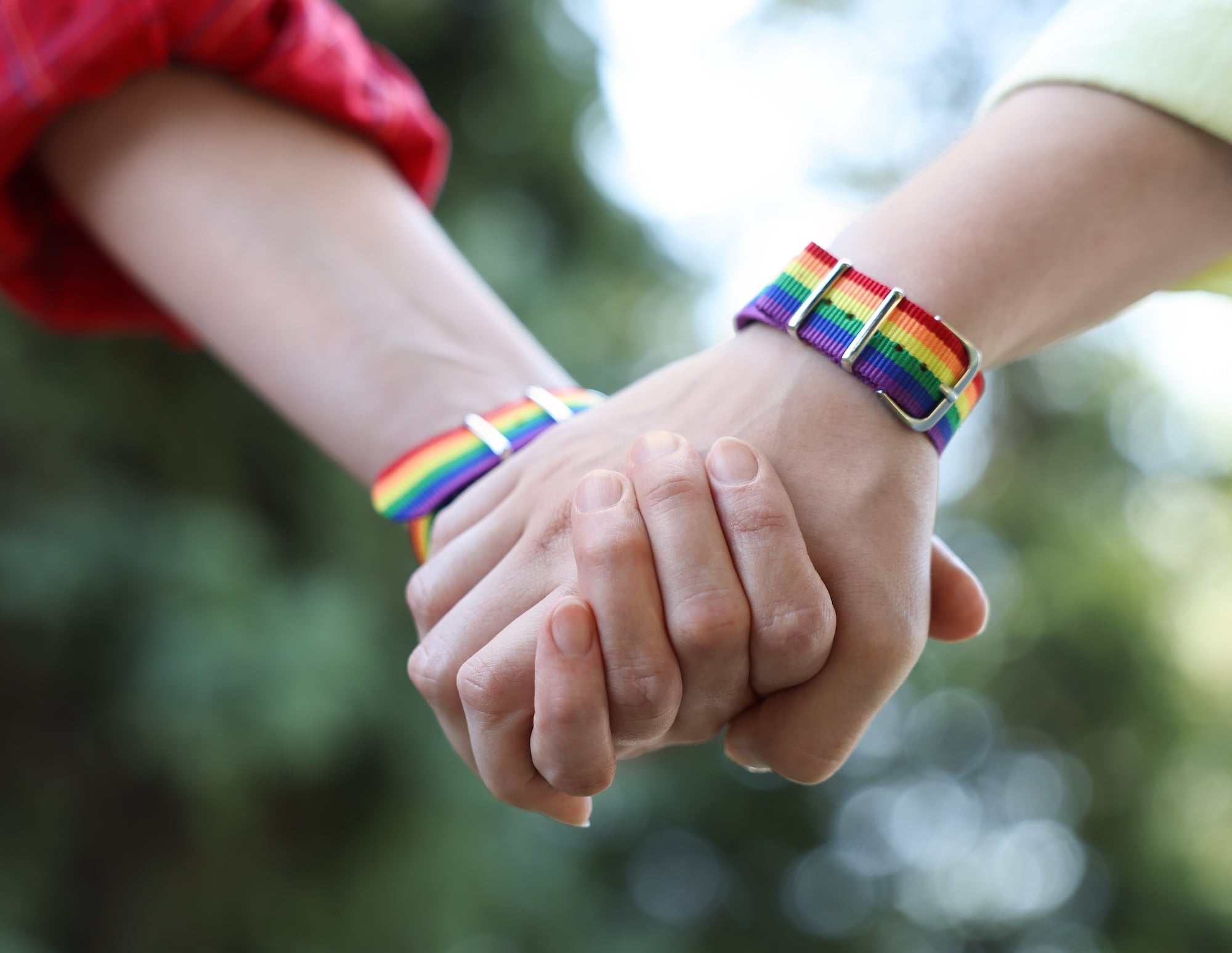
The symbolism of the rainbow flag, first flown in San Francisco in 1978, designed by artist Gilbert Baker, has become synonymous with LGBTQIA+ pride. Each color in the original eight-color flag represented a different aspect of life: hot pink for sex, red for life, orange for healing, yellow for sunlight, green for nature, turquoise for magic/art, indigo for serenity, and violet for spirit. While the flag has since been simplified to six stripes (red, orange, yellow, green, blue, and violet) for practical reasons, its message of diversity and unity remains powerful.
Navigating Unfamiliarity: Understanding Potential Discomfort
For some individuals, particularly those from older generations or those who grew up in less inclusive social environments, the visibility and expressions associated with Pride Month might evoke feelings of discomfort or unfamiliarity. This reaction often stems from a lack of prior exposure to diverse gender identities and sexual orientations within their upbringing or societal context. For instance, individuals who came of age before widespread public discourse on these topics may not have encountered LGBTQIA+ individuals or had their worldviews shaped by the evolving understanding of human identity.
The rapid societal shifts in understanding gender and sexuality can feel disorienting when they represent a departure from deeply ingrained societal norms. However, it is crucial to recognize that increased awareness and acceptance of diverse identities do not signify their recent emergence. Historical and anthropological evidence, as noted by the American Psychological Association, points to the existence of same-sex relationships and diverse gender expressions across numerous documented cultures throughout history, including ancient Israel, ancient Greece, and among various Native American peoples.
Therefore, any discomfort experienced by some individuals regarding Pride is less a reflection of an issue within the LGBTQIA+ community and more indicative of historical gaps in education and societal narratives. These shifts represent a broader societal evolution towards greater inclusivity and a more accurate understanding of the full spectrum of human experience.
The Evolution of Pride: Beyond Parades and Celebrations
While vibrant parades and festive gatherings are hallmarks of Pride Month, the significance extends far beyond these visible celebrations. Pride Month encompasses a wide array of activities aimed at education, advocacy, and community building. These include:
- Educational Workshops and Seminars: Many organizations host events designed to inform the public about LGBTQIA+ history, terminology, challenges, and triumphs. These sessions provide valuable opportunities for learning and fostering understanding.
- Advocacy and Policy Initiatives: Pride Month often serves as a focal point for advocating for LGBTQIA+ rights, including marriage equality, non-discrimination laws, and protections against violence and hate crimes. Activists use this period to lobby lawmakers and raise public awareness about ongoing legislative battles.
- Community Support and Resources: Pride events often highlight the work of LGBTQIA+ community centers, support groups, and mental health services. These organizations provide vital resources for individuals seeking assistance, guidance, or connection.
- Artistic and Cultural Expressions: Museums, theaters, and artists often feature exhibitions, performances, and films that explore LGBTQIA+ themes, offering diverse perspectives and enriching cultural understanding.
- Corporate Engagement: Increasingly, corporations participate in Pride Month by sponsoring events, offering employee resource groups, and making public statements of support. This engagement, while sometimes met with scrutiny, can contribute to greater visibility and acceptance.
Data-Driven Insights: The Impact of Inclusivity
The positive impact of inclusive environments on the well-being of LGBTQIA+ individuals is consistently supported by data. Research indicates that:
- Reduced Mental Health Disparities: Studies consistently show that LGBTQIA+ individuals who experience acceptance and support from family, friends, and their communities report lower rates of depression, anxiety, and suicidal ideation compared to those who face stigma and rejection.
- Improved Physical Health Outcomes: A supportive environment can lead to increased access to healthcare, better adherence to medical advice, and reduced engagement in high-risk behaviors that may be adopted as coping mechanisms for stress and discrimination.
- Enhanced Social and Economic Participation: When LGBTQIA+ individuals feel safe and accepted, they are more likely to thrive in educational settings, participate fully in the workforce, and contribute to their communities without fear of prejudice.
- Legal and Policy Progress: The visibility and advocacy surrounding Pride Month have been instrumental in driving legislative changes that protect LGBTQIA+ rights, such as the legalization of same-sex marriage in many countries and the implementation of non-discrimination policies in employment and housing.
Official Responses and Societal Implications
Governments and international bodies often issue statements and proclamations in recognition of Pride Month, acknowledging its importance in promoting human rights and equality. These official acknowledgments can signal a commitment to inclusivity and serve as a catalyst for policy reform.
The broader societal implications of Pride Month are far-reaching. It challenges traditional notions of identity, family, and societal norms, encouraging a more nuanced and compassionate understanding of human diversity. By bringing LGBTQIA+ issues into public discourse, Pride Month contributes to the ongoing process of dismantling prejudice and fostering a more equitable society for all. The continued celebration and advocacy during Pride Month are essential for reinforcing the progress made and for addressing the persistent challenges that LGBTQIA+ individuals continue to face globally.
Pathways to Education and Allyship
For individuals seeking to deepen their understanding and become more effective allies to the LGBTQIA+ community, various resources are available:
- Reputable LGBTQIA+ Organizations: Websites and publications from organizations like GLAAD, The Trevor Project, Human Rights Campaign, PFLAG, and local LGBTQIA+ centers offer a wealth of information, educational materials, and support networks.
- Academic Research and Literature: Academic journals, books, and university courses dedicated to gender studies, sexuality studies, and sociology provide in-depth analyses of LGBTQIA+ experiences and history.
- Personal Narratives and Testimonials: Reading memoirs, watching documentaries, and listening to the lived experiences of LGBTQIA+ individuals can foster empathy and a deeper personal connection to the issues.
- Inclusive Media and Entertainment: Engaging with films, television shows, and literature that authentically represent LGBTQIA+ characters and stories can broaden perspectives and challenge stereotypes.
- Open Dialogue and Active Listening: Engaging in respectful conversations with LGBTQIA+ friends, family members, and colleagues, and being open to learning from their experiences, is a powerful way to build understanding and trust.
From all of us at Reward Gateway | Edenred, we extend our wishes for a meaningful and insightful Pride Month to you and yours. The journey towards full equality and acceptance is ongoing, and education, empathy, and visible support are crucial components of this vital endeavor.