The modern recruitment landscape is a battlefield, and for many organizations, the candidate experience has become an unfortunate casualty, relegated to the sidelines by the relentless demands of daily operations. This oversight is not born of malice but rather a pragmatic response to an increasingly overwhelming influx of online applications. As digital platforms have democratized job seeking, the sheer volume of applicants has skyrocketed, making the crucial task of identifying exceptional talent feel akin to finding a needle in an ever-expanding haystack. Compounding this challenge is the intensified competition for these coveted individuals, creating an uphill struggle for talent acquisition teams and hiring managers alike. Their natural inclination, therefore, is to "circle the wagons," focusing internally on managing the deluge of resumes rather than extending their gaze outward to cultivate a positive candidate journey. However, this inward-looking strategy, while seemingly practical, represents a significant misstep with far-reaching consequences.
The current state of corporate career sites and the operational realities faced by recruitment professionals create a perfect storm that alienates potential hires. This article delves into the core issues plaguing the candidate experience, examines the systemic factors contributing to this crisis, and explores how a robust employer brand can emerge as the ultimate solution, transforming recruitment from a transactional chore into a strategic advantage.
The Broken Gateway: Why Corporate Career Sites Fail
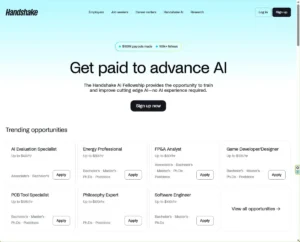
A critical juncture where many candidates first interact with an organization is its career website. Yet, for a multitude of companies, these digital portals are a significant point of failure. They often present a daunting array of job listings, frequently characterized by overlapping qualifications and similar titles. This ambiguity encourages mass applications, where individuals cast a wide net, hoping to stumble upon a suitable opportunity. Consequently, hiring organizations are inundated with a broad spectrum of candidates, leading them to divert resources towards outbound recruiting efforts, leaving junior staff to sift through an overwhelming digital resume graveyard.
The underlying technology powering many corporate career sites is often rudimentary. Relying on basic keyword matching and unsophisticated databases, these systems struggle to facilitate genuine connections between applicants and relevant roles. The chance of a successful match using such simplistic technology is, at best, remote. For prospective employees, navigating these platforms can be an exercise in frustration, requiring them to wade through dozens of irrelevant listings in pursuit of a single promising opportunity. This arduous process can quickly sour their initial impression of an organization, transforming potential enthusiasm into disengagement.
The diminished importance of cover letters serves as a stark indicator of this impersonal experience. While recruiters of yesteryear might have meticulously reviewed cover letters to glean insights into a candidate’s motivation and fit, today’s reality is starkly different. Many candid recruiters will admit that applicants should forgo the effort of writing a cover letter, as it is unlikely to be read. This abandonment of personalized communication signals a fundamental disconnect between employers and potential employees, reinforcing the notion that candidates are merely data points in a high-volume process. According to a 2023 report by Aptitude Research, 60% of job seekers report having a negative candidate experience, with poor communication being the leading cause. This statistic underscores the widespread nature of the problem and its significant impact on a company’s ability to attract top talent.
The Time Crunch: Recruiters Under Siege
The relentless pressure on recruiters, hiring managers, and HR staff to manage an ever-increasing volume of applications leaves them with precious little time to engage with candidates on an individual level. The result is a transactional approach where resumes are viewed as mere stacks of paper rather than representations of unique individuals. This operational bottleneck inevitably leads to a widespread breakdown in communication. Too many candidates receive no feedback after submitting an application, or are met with generic, automated responses. Even after interviews, silence often prevails, with follow-ups delayed for months, if they occur at all.
This lack of communication is not merely an inconvenience; it can be perceived as deeply insulting by job seekers. Why would a talented individual aspire to join an organization that demonstrates such a lack of regard for their time and effort? The situation is further exacerbated by the common practice of holding onto "second and third favorites" in the hope that their primary candidates will eventually accept an offer. This strategy, while perhaps pragmatic from a risk-management perspective, leaves these "silver medalists" in a state of limbo, often receiving even less attention than those who have been outright rejected.
Recruiters are, by definition, meant to recruit – to actively sell open positions to qualified candidates. However, the sheer weight of administrative tasks often consumes their time, leaving them with insufficient bandwidth for effective, personalized communication. A recent study by The Society for Human Resource Management (SHRM) found that recruiters spend, on average, only 20% of their time on core recruiting activities, with the remaining 80% dedicated to administrative tasks and compliance. This staggering statistic highlights a systemic inefficiency that directly undermines the effectiveness of talent acquisition efforts.
The Disconnect: Job Descriptions Detached from Reality
A third significant contributor to the poor candidate experience lies in the often-inaccurate or misleading nature of job descriptions. Organizations tend to approach this critical document with either a degree of laziness or a peculiar form of silliness. The "lazy" approach is understandable; few individuals are recognized or rewarded for crafting exceptional job descriptions. This leads to a pervasive practice of copying and pasting from online listings, with minimal customization. Even well-intentioned organizations often recycle job description text for years without questioning its continued accuracy or relevance.
The "silly" aspect arises when job posts, while perhaps attention-grabbing, fail to accurately reflect the actual requirements of the role, the nuances of the work environment, or genuine opportunities for career advancement. When a candidate arrives for an interview only to discover that the reality of the position or the company culture diverges significantly from the published description, it results in another negative mark against the organization and a missed opportunity to foster excitement and enthusiasm. This misalignment breeds distrust and can lead to a high rate of offer rejection or early employee attrition. A survey by Glassdoor revealed that 72% of job seekers consider company culture and values when looking for a job, and inaccurate job descriptions can severely misrepresent these crucial elements.
Employer Branding: The Secret Weapon for Talent Acquisition
In the arduous and often stressful journey of job searching, any organization that can transform this process into a positive experience gains a significant competitive advantage, particularly in attracting high-caliber talent. This is precisely where the power of employer branding comes into play. A strong employer brand acts as a beacon, attracting candidates who align with the company’s values and culture.
When a hiring team is equipped with the right technology and processes to efficiently identify suitable candidates, they gain the invaluable resource of time. This allows them to dedicate more attention to interviewees, fostering more meaningful interactions. Accurate job descriptions, as previously discussed, pave the way for discussions that genuinely explore how a candidate can find a fulfilling role within the organization. Consistent, transparent communication throughout the recruitment lifecycle builds trust and sets realistic expectations, cultivating strong relationships even with candidates who may not be an immediate fit. These interactions, when managed effectively, are not just transactional exchanges; they are the embodiment of an organization’s employer brand – its unique identity and value proposition as a place to work.
Without the necessary technological infrastructure to translate a high volume of applications into substantive hiring conversations, organizations will struggle to articulate their employer brand and the compelling cultural attributes that make their company a rewarding place to be. This deficiency hinders their ability to connect with the best potential hires and secure them before competitors do. The inevitable consequence is a tarnished reputation, making future recruitment efforts even more challenging.
Reimagining the Candidate Journey: A Call to Action
The solution to this pervasive problem lies in empathy and strategic investment. Organizations must place themselves in the shoes of their applicants and candidates, recognizing the stress and uncertainty inherent in the job search. This realization should drive investment in systems that foster personalization, extending even to the granular level of job descriptions. The ideal recruitment process should be relevant to both applicants and hiring managers, incorporating interactive tools that expedite the discovery of mutual fit. Furthermore, the hiring process itself must be streamlined and as rapid as possible to capitalize on the candidate’s initial excitement and enthusiasm.
Treating applicants with respect and candidates as if they are already valued members of the team is not merely a matter of good manners; it is a strategic imperative. When organizations prioritize the candidate experience, they unlock the potential for genuine connection, transforming the recruitment process from a burdensome obligation into a powerful engine for acquiring and retaining exceptional talent. The magic that happens when this approach is embraced is not serendipitous; it is the direct result of a commitment to building a recruitment ecosystem that values people, fosters transparency, and ultimately, delivers on its promise.
The implications of neglecting the candidate experience are profound. Beyond the immediate challenge of filling open roles, a consistently poor candidate journey can lead to a damaged employer brand, increased time-to-hire, higher recruitment costs, and ultimately, a diminished ability to attract the innovative thinkers and skilled professionals that drive organizational success. In an era where talent is a critical differentiator, investing in a positive and efficient candidate experience is no longer a nice-to-have; it is an absolute necessity for long-term organizational health and competitiveness.