
A recent survey by Kahoot! has illuminated a stark reality within the modern workforce: a significant portion of office workers are experiencing feelings of disconnection and isolation. The findings reveal that 39% of these professionals report feeling disconnected on the job, with a concerning nearly one-third admitting to going an entire workday without speaking to a colleague. This pervasive sense of loneliness, extending beyond mere physical proximity, is emerging as a critical challenge for organizations aiming to foster productive, innovative, and retentive work environments.
The research, published in conjunction with broader discussions on workplace dynamics in 2025, indicates that Millennials are the generation most susceptible to workplace loneliness. This demographic, often characterized by their desire for meaningful connections and purpose-driven work, is finding themselves increasingly isolated. The survey further highlights the tangible consequences of this disconnection, with one in five men and one in eight women reporting they have left a job specifically due to feeling estranged from their colleagues.

Adding another layer to this complex issue, research from the Harvard Graduate School of Education’s "Loneliness in America 2024" report suggests a correlation between socioeconomic status and loneliness. Individuals earning lower incomes are more likely to report feelings of isolation than their higher-earning counterparts. This insight underscores the importance of paying close attention to frontline teams and hourly workers, who may be disproportionately affected by workplace disconnect.
It is crucial to understand that workplace loneliness is not solely defined by an absence of physical presence. As noted in the findings, true loneliness stems from a lack of quality relationships. An employee working physically in an office or on the retail floor can still experience profound isolation if they do not feel a sense of belonging, comfort, or welcome among their peers. This nuanced understanding shifts the focus from simply bringing people together physically to cultivating genuine human connection within the workplace.
The Ripple Effect: Loneliness Beyond the Individual
The implications of widespread workplace loneliness extend far beyond the individual employee, impacting entire communities and societies. While the Kahoot! survey primarily focuses on the workplace, the broader societal trend of increasing loneliness, as documented by various research institutions, suggests a interconnected crisis. Communities grappling with higher levels of loneliness often exhibit a decline in social cohesion, a rise in mental health challenges, and a diminished sense of collective well-being. This societal backdrop exacerbates the challenges faced by organizations striving to create supportive and connected workplaces.

Workplace Ramifications: A Threat to Organizational Health
Within the organizational sphere, the consequences of employee loneliness are equally profound and multifaceted. When individuals feel disconnected, their capacity for trust and collaboration diminishes. This erosion of interpersonal bonds directly stifles innovation, as the free exchange of ideas and constructive feedback becomes more difficult. Furthermore, reduced collaboration can lead to inefficiencies and a missed opportunity to unlock creative solutions.
Beyond these impacts on team dynamics, lonely employees are also more susceptible to negative health outcomes. Increased instances of illness, burnout, and absenteeism can be directly linked to chronic feelings of isolation. A report by Gallup reinforces this, finding that lonely employees are demonstrably less motivated and engaged in their work. This decline in engagement translates into lower productivity and a less dynamic workforce.
The survey specifically points out that Millennials and managers are experiencing higher levels of loneliness compared to other demographics. This is particularly concerning for managers, who are often tasked with leading teams and fostering a positive work environment. Their own feelings of isolation can create a detrimental feedback loop, impacting their ability to effectively support their teams.

The Return-to-Work Debate: A Complex Equation
The rising tide of workplace loneliness has inevitably reignited discussions around return-to-work policies. While some argue that a physical presence in the office can combat isolation, the data presents a more nuanced picture. Gallup’s research indicates that fully remote employees are lonelier (25%) than the average (16%). However, employees who work fully on-site report higher levels of burnout (29%) compared to their fully remote counterparts (24%). This suggests that neither a purely on-site nor a purely remote model inherently guarantees an antidote to loneliness or its associated negative impacts on mental health. The key appears to lie not in the location of work, but in the quality of connections fostered within it, regardless of the work arrangement.
Strategies for Cultivating Connection: Building Human Workplaces
Recognizing the escalating "epidemic of loneliness," organizations are being urged to take proactive measures to foster stronger connections among their employees. Managers themselves acknowledge their role in employee well-being, with 71% reporting a sense of responsibility for their team’s welfare, according to Reward Gateway’s "Building Human Workplaces" report. This shared understanding provides a fertile ground for implementing strategies that promote engagement and connection.
Enhancing Social Interaction in Meetings
One accessible approach is to infuse meetings with opportunities for social interaction. Dedicating the first few minutes of regular meetings to informal conversation or incorporating icebreaker questions into one-on-one discussions can provide employees with the permission and space to connect on a personal level. For example, Ulteig, a client mentioned in a recent webinar, has implemented a system of pairing employees for casual chats to build rapport and mutual understanding. This can be formalized through structured programs or simply encouraged by scheduling "connection" meetings with colleagues one might not interact with regularly.
Integrating Social Elements into Digital Communication
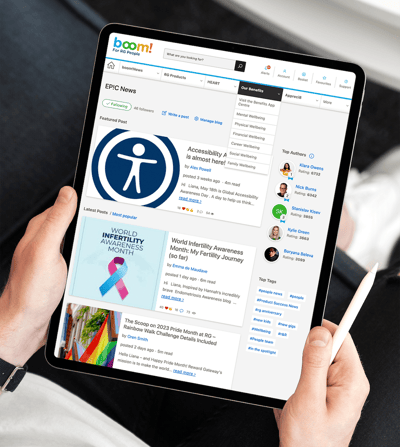
In today’s digitally connected world, a significant portion of daily interactions occurs through work chat platforms. Integrating social elements into these channels can significantly boost connection. This can range from posing lighthearted questions about pop culture, such as upcoming blockbuster movies, to implementing themed days like "Would You Rather Wednesday," as practiced by the Reward Gateway team, where employees engage with hypothetical scenarios. Leading these initiatives can fall to managers to ensure consistency, or be delegated to team members with a flair for creative engagement.
Promoting Employee Resource Groups (ERGs)
Employee Resource Groups (ERGs) offer a powerful avenue for individuals to connect with colleagues who share common interests, backgrounds, or passions, extending beyond their immediate functional teams. Reward Gateway hosts a variety of ERGs, including those focused on Accessibility, Multiculturalism, Social Mobility, LGBTQIA+, Women’s issues, and Wellbeing. Many organizations also support ERGs centered around hobbies and activities like running, crafting, baking, or reading. These groups, often employee-led, provide a sense of community and belonging, helping to combat feelings of isolation by fostering relationships based on shared enthusiasms.
Encouraging Commuter and Carpool Networks
For employees who share common commutes or live in the same neighborhoods, encouraging carpools or commuter groups can foster both sustainability goals and interpersonal connections. Even for those utilizing public transport, coordinating travel to have a familiar face on the journey can make the daily commute more pleasant and less isolating. For individuals who bike to work, having a colleague along can also provide a sense of safety and support in case of unforeseen mechanical issues.
Implementing Quarterly Challenges and Contests
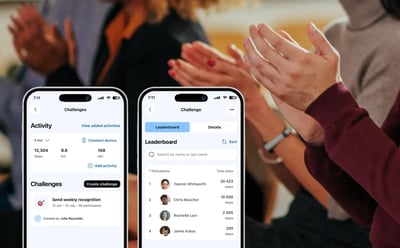
Organizing quarterly challenges or contests can inject fun and camaraderie into the workplace. Whether it’s a fantasy sports league, an NCAA bracket pool, or a well-being challenge facilitated through a corporate app, these activities provide common ground for employees to engage, compete, and banter outside of their day-to-day work responsibilities. Such initiatives can foster deeper connections and inject a sense of playfulness into the work environment.
Streamlining and Encouraging Recognition
A fundamental aspect of building strong workplace connections is ensuring employees feel appreciated and valued. Recognition, whether public or private, plays a crucial role in this. The "Workplace Wellbeing 2025" report by Reward Gateway revealed that 69% of employees believe their workplace well-being would improve if they received more thanks. Encouraging employees to acknowledge and praise great work, both in person and through public social feeds, can significantly boost morale and strengthen bonds. Public recognition not only validates individual contributions but also provides a passive, positive insight into the organization’s activities, helping to rebuild trust among those who may feel disconnected. When positive stories of contributions and team efforts are elevated, it can shift perceptions, transforming potential sentiments of neglect, such as "IT never responds to me," into an understanding of collective effort, like, "Our IT team is handling a lot, and it’s understandable that it might take a day for them to respond."
The pervasive issue of workplace loneliness presents a significant challenge for contemporary organizations. By understanding its multifaceted nature and implementing targeted strategies, businesses can cultivate environments where employees feel connected, valued, and engaged, ultimately leading to enhanced productivity, greater innovation, and improved retention. The path forward involves a conscious effort to prioritize human connection, recognizing it not as a soft benefit, but as a critical component of organizational health and success.