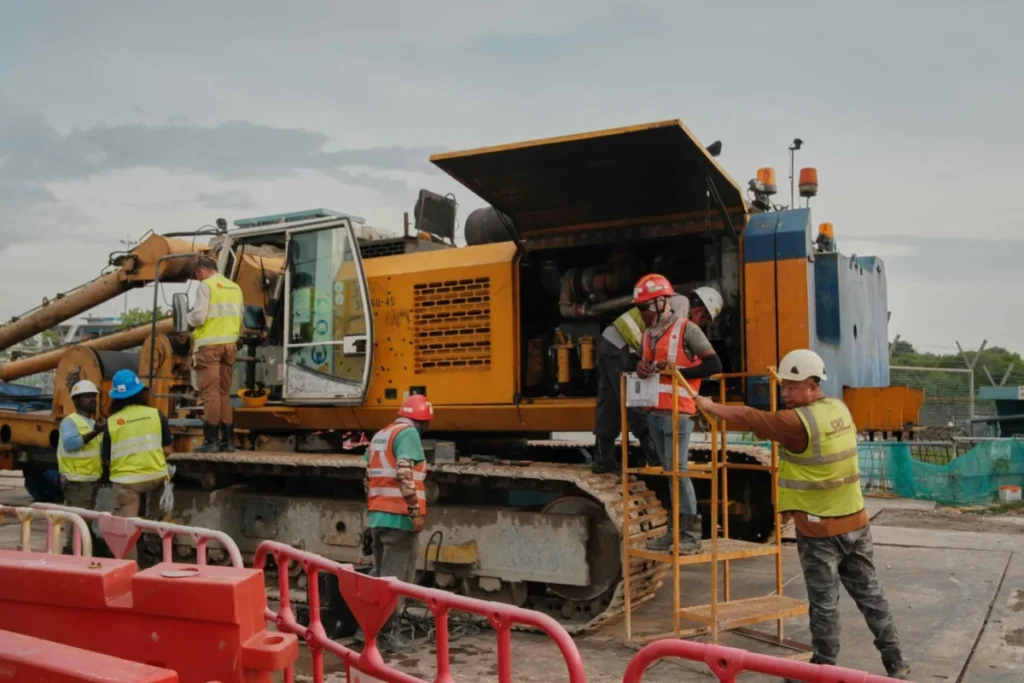
The construction industry, a cornerstone of global infrastructure and economic development, operates under unique and often demanding hiring conditions. Characterized by high-volume recruitment, the imperative for speed, and complex geographical requirements, the sector faces persistent challenges in attracting and retaining skilled labor. Project loads fluctuate, necessitating agile workforce scaling, while a chronic shortage of specialized tradespeople complicates talent acquisition. Furthermore, expanding into new markets often means restarting the entire recruitment cycle – from job postings and candidate screening to interview scheduling. Amidst these complexities, Applicant Tracking Systems (ATS) have emerged as critical tools for modernization, with Workable demonstrating a significant track record in empowering leading construction firms. Companies such as Consigli Construction, Valard Construction, Elite Construction Solutions, and Hoffmann Brothers have successfully leveraged Workable’s platform to streamline their hiring processes, yielding measurable improvements in efficiency and cost-effectiveness. This analysis delves into the transformative impact of Workable through the experiences of three of these prominent industry players, highlighting the tangible benefits realized in their respective operations.
The Evolving Landscape of Construction Labor: A Persistent Challenge
For decades, the construction industry has grappled with an aging workforce and a dwindling pipeline of new talent entering skilled trades. Reports from organizations like the Associated General Contractors of America (AGC) consistently highlight a severe labor shortage, with a significant percentage of firms reporting difficulties in filling positions. This shortage is exacerbated by an aging demographic, as experienced workers retire faster than new ones join, leading to a critical skills gap. The U.S. Bureau of Labor Statistics projects continued growth in construction employment, further intensifying the demand for qualified workers. This context underscores the critical need for sophisticated, efficient hiring solutions that can not only attract candidates but also manage the complexities of project-based employment, which often involves rapid mobilization and demobilization of large teams across diverse locations.
Traditional recruitment methods, heavily reliant on manual processes, local job boards, and word-of-mouth, often prove insufficient for the scale and pace required. These methods frequently lead to prolonged time-to-hire, increased recruitment costs, and a suboptimal candidate experience, contributing to phenomena like "candidate ghosting"—where applicants disengage from the hiring process. Modern ATS platforms, like Workable, are designed to address these pain points by automating repetitive tasks, centralizing candidate data, and providing tools for enhanced communication and employer branding. Their adoption represents a strategic pivot for construction firms aiming to future-proof their workforce and maintain competitive advantage.
Valard Construction: A Decade of Scalable Hiring Innovation
Valard Construction, a prominent Canadian utility contractor specializing in power line infrastructure, exemplifies the long-term benefits of a robust ATS. For a full decade, Valard has entrusted its entire hiring workflow to Workable, navigating significant workforce fluctuations from 1,100 to 2,000 employees and managing an average of 200 to 250 new hires annually. This sustained partnership highlights Workable’s capacity to support large-scale, dynamic recruitment needs inherent to critical infrastructure projects, which often demand rapid expansion and contraction of teams based on project lifecycles and seasonal demands.
Prior to implementing Workable, Valard’s hiring process, like many in the industry, faced challenges that hindered efficiency and candidate engagement. "Our previous job site was, frankly, archaic," stated a senior HR representative from Valard Construction, reflecting on the pre-Workable era. "It was difficult for candidates to navigate, didn’t reflect our company’s modern approach, and created bottlenecks in our ability to attract top talent." The transition to a modernized careers page powered by Workable fundamentally transformed their employer branding and candidate attraction strategy. This new platform provided a seamless, intuitive experience for applicants, allowing Valard to showcase its company culture and career opportunities effectively.
Crucially, the introduction of automated candidate communication within Workable proved to be a game-changer in combating candidate ghosting, a prevalent issue in skilled-trade hiring where applicants frequently disengage without notice. By automating confirmations, reminders, and status updates, Valard ensured a consistent, professional communication stream, keeping candidates informed and engaged throughout their application journey. "Reducing ghosting wasn’t just about efficiency; it was about respecting candidates’ time and improving our reputation as an employer," the Valard representative added. This strategic shift not only improved the candidate experience but also contributed to a more reliable talent pipeline, allowing Valard to maintain a high volume of quality hires necessary for their expansive projects across Canada. The decade-long relationship underscores Workable’s adaptability and enduring value in a highly competitive and fluctuating labor market.
Elite Construction Solutions: Accelerating Growth and Optimizing Costs
Elite Construction Solutions, a rapidly expanding commercial roofing and general contracting company operating across eight U.S. markets, provides a compelling case study in rapid deployment and immediate, measurable returns on investment. The company went live on Workable in less than a week, a testament to the platform’s user-friendliness and streamlined implementation process. This quick adoption enabled Elite to swiftly address its burgeoning hiring needs driven by multi-market expansion.
The impact of Workable on Elite’s recruitment metrics was profound. The company reported an impressive 78% increase in annual hires, growing from 129 to over 230 new employees. This significant scaling was achieved without increasing the size of their recruiting team, illustrating a dramatic boost in recruiter productivity and efficiency. Furthermore, Elite Construction Solutions saw a substantial 41% reduction in cost per hire, dropping from an average of $3,400 to $2,000. This saving is critical for companies operating on tight margins, directly impacting profitability and resource allocation. "Our rapid growth demanded a hiring solution that could keep pace without ballooning our overhead," commented the CEO of Elite Construction Solutions. "Workable not only allowed us to accelerate our hiring but also to do so more efficiently and cost-effectively than we ever thought possible."
Beyond raw hiring numbers and cost reductions, Workable also contributed to a 20% improvement in new-hire retention. This metric is particularly vital in construction, where high turnover can lead to significant project delays and increased training costs. Improved retention suggests that Workable helped Elite not only hire more people but also hire the right people who were a better fit for the company culture and long-term roles. The ability to achieve such robust results with the same recruiting team underscores the power of automation and intelligent system design in amplifying human effort. This case demonstrates how a strategic investment in an ATS can directly support aggressive business expansion goals by optimizing the entire talent acquisition lifecycle from initial attraction to post-hire success.
Hoffmann Brothers: Diversifying Sourcing and Building Talent Pools
Hoffmann Brothers, a comprehensive residential and commercial contractor offering HVAC, plumbing, and electrical services with over 500 employees, illustrates the strategic advantages of diversifying recruitment channels and building an internal talent database. Before implementing Workable, Hoffmann Brothers relied heavily on a single sponsored Indeed post for the majority of its hiring needs. While Indeed is a powerful platform, an over-reliance on a single source can lead to limited candidate pools, higher per-candidate costs due to sponsorship, and a reactive approach to recruitment.
The transition to Workable, which saw the platform go live within days, immediately opened up new avenues for candidate sourcing. The team now posts to more than 20 job boards simultaneously, significantly broadening their reach and attracting a more diverse pool of applicants. This diversification strategy had a direct and positive impact on their recruitment budget. By spreading their listings across multiple free and paid channels, Hoffmann Brothers was able to cut what they spent on sponsoring listings. "Relying on one source meant we were putting all our eggs in one basket, and often paying a premium for it," explained the Director of Talent Acquisition at Hoffmann Brothers. "Workable allowed us to strategically cast a wider net, reaching more qualified candidates while simultaneously reducing our overall sponsorship spend."
Perhaps one of the most transformative features for Hoffmann Brothers was the ability to build a searchable resume database for the first time. This feature is a cornerstone of modern talent acquisition, enabling companies to proactively search for candidates, re-engage past applicants, and cultivate a pipeline for future roles. Instead of starting from scratch with every new vacancy, Hoffmann Brothers now possesses a valuable, proprietary talent pool that can be mined for specific skills and experience. This capability shifts recruitment from a purely reactive function to a more strategic, proactive one, reducing time-to-hire and enhancing the quality of placements. The integration of HVAC, plumbing, and electrical services under one roof necessitates a broad range of specialized skills, making a robust and searchable talent database an invaluable asset for sustained growth and service excellence.
Workable’s Broader Impact and Implications for the Construction Sector
The success stories of Valard Construction, Elite Construction Solutions, and Hoffmann Brothers are not isolated incidents but rather reflective of a broader trend in the construction industry’s embrace of advanced HR technology. The core challenges—volume, speed, and geography—are intrinsically linked to the project-based nature of construction. Workable’s design directly addresses these by offering centralized management of vast candidate pools, automated workflows that accelerate the hiring cycle, and flexible tools that adapt to multi-location recruitment.
From Workable’s perspective, these partnerships underscore the platform’s versatility and specialized fit for complex industries. "The construction sector represents a critical area where efficient talent acquisition directly impacts project delivery and economic growth," states a spokesperson for Workable. "Our platform is engineered to meet the unique demands of these firms, empowering them to build resilient workforces that can adapt to changing market conditions and project requirements. We are committed to providing intuitive, powerful tools that not only save time and money but also elevate the entire candidate experience."
The implications of such technological adoption extend beyond individual company benefits. On an industry-wide scale, the increased efficiency and reduced cost per hire facilitated by platforms like Workable contribute to healthier balance sheets for construction firms, allowing for greater investment in training, safety, and innovation. Improved new-hire retention rates also foster a more stable and experienced workforce, which can lead to higher quality workmanship and fewer project delays. Furthermore, by modernizing the application process and improving communication, these platforms enhance the construction industry’s appeal to a younger, tech-savvy generation of workers, critical for addressing the long-term labor shortage. The ability to diversify candidate sourcing and build robust internal talent databases positions companies to be more resilient against economic downturns and sudden surges in project demand.
The Future of Construction Recruitment: Data-Driven and Proactive
As the construction industry continues to evolve, the role of data analytics and predictive hiring will become even more pronounced. ATS platforms like Workable, with their ability to collect and analyze vast amounts of recruitment data, provide invaluable insights into hiring trends, candidate sources, and recruiter performance. This data-driven approach allows companies to refine their strategies continuously, optimize their recruitment spend, and make more informed decisions about workforce planning. The shift from reactive hiring to proactive talent pooling, enabled by searchable resume databases and talent network functionalities, represents a fundamental change in how construction firms approach human capital.
In an industry where margins can be tight and project deadlines unforgiving, the strategic advantage offered by an optimized recruitment process is immense. Workable’s proven ability to deliver tangible results—from scaling workforces and cutting costs to improving retention and diversifying talent pools—positions it as an indispensable partner for construction companies striving for operational excellence and sustainable growth in the 21st century. As the demand for infrastructure and development continues globally, the firms that master the art and science of talent acquisition through advanced technological solutions will undoubtedly be the ones to build the future.
For companies seeking to emulate these successes, exploring Workable’s platform through a 15-day free trial or requesting a personalized demo offers a direct pathway to understanding how its features can be tailored to specific hiring needs. The imperative to optimize hiring in construction is no longer a matter of competitive advantage; it is a fundamental requirement for survival and growth in a challenging yet vital global industry.