The escalating costs of fuel, transportation, housing, and food are outpacing wage growth, leading to a national crisis of affordability. This pervasive issue, far from being an isolated episodic event, reflects a deeper, systemic shift in the U.S. economy that has been developing for decades. The disconnect between rising living expenses and stagnant wages is impacting workers, families, and retirees alike, forcing a re-evaluation of economic policies and corporate responsibilities.

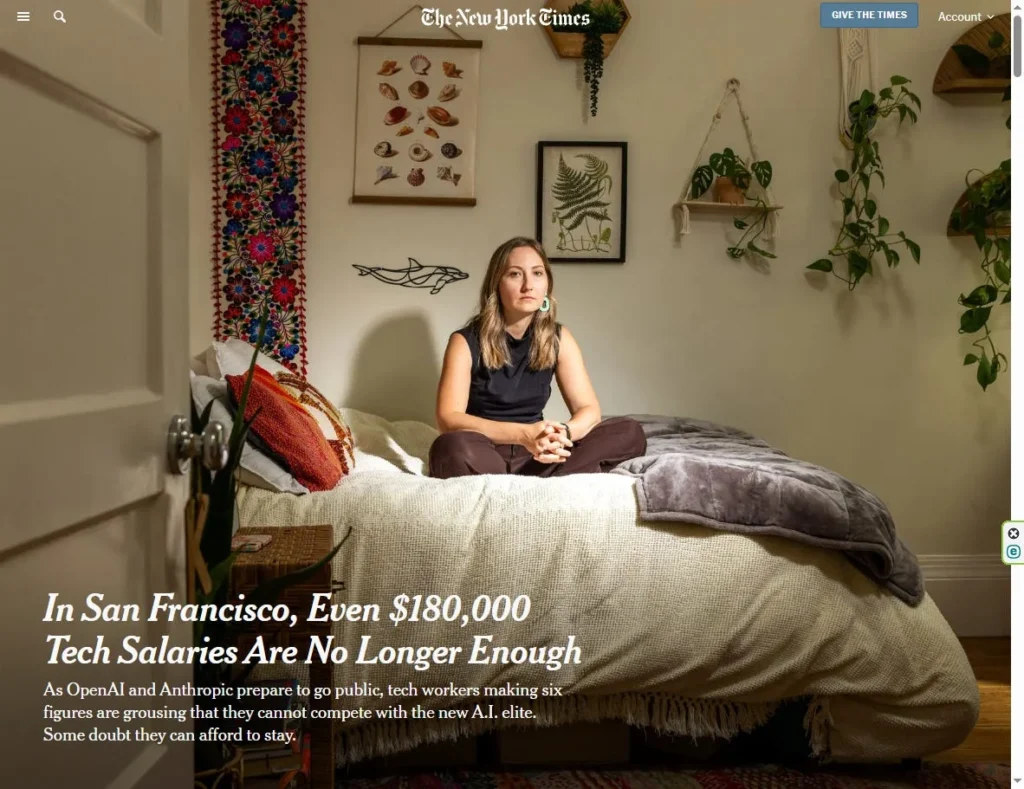
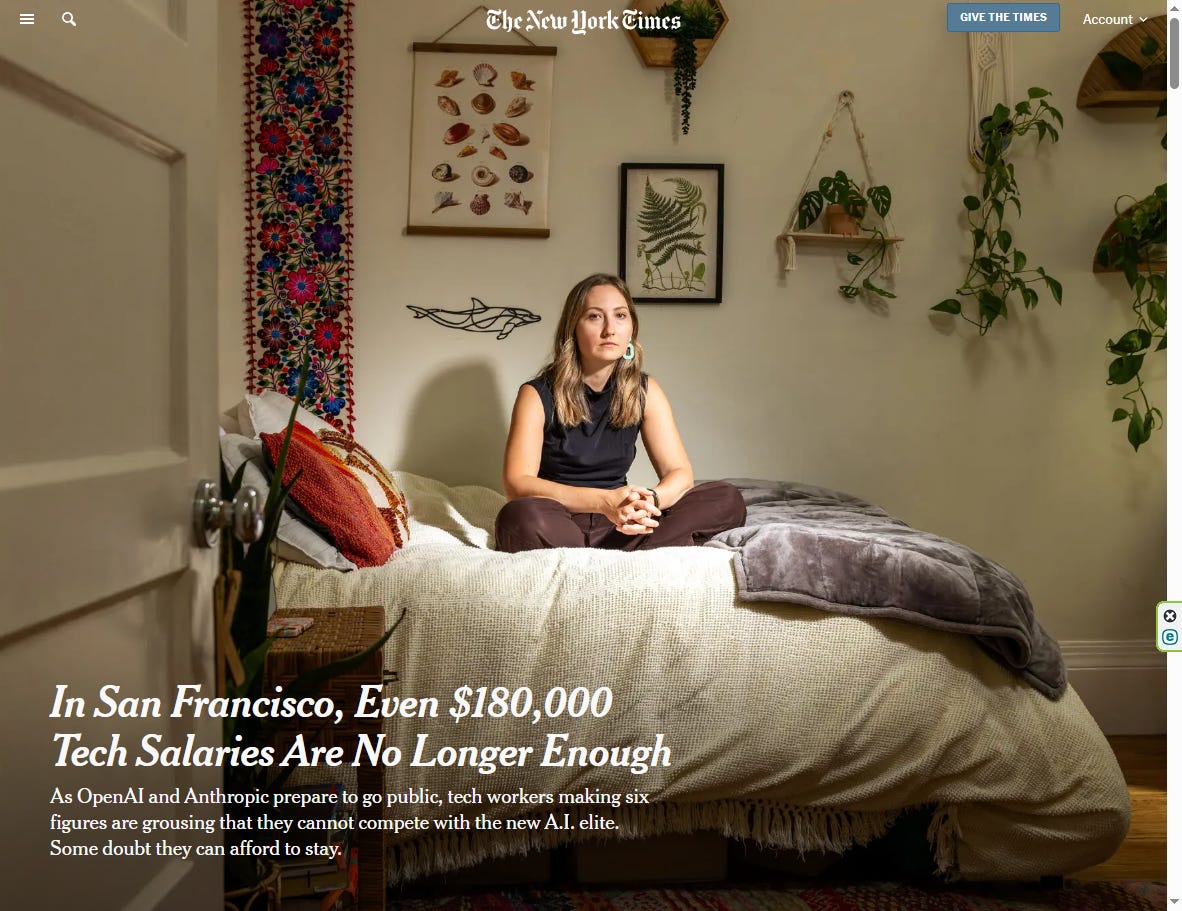
A stark illustration of this affordability gap comes from San Francisco, a city often at the forefront of technological innovation and high salaries. A recent New York Times article highlighted that even a combined household income of $370,000 is no longer sufficient to secure a comfortable apartment in the city. This is not a localized anomaly; it is a nationwide predicament. As of 2026, year-to-date data reveals significant price increases across essential goods and services: gas prices have surged by 24%, energy by 27%, airline fares by 26%, and fruits and vegetables by 5%. In stark contrast, average private sector wages have only risen by a modest 3.5%.
The consequences of this widening disparity are profound. For many, particularly those on fixed incomes, the rising cost of living has become an insurmountable hurdle. AARP reports a notable trend of "unretirement," with 7% of retirees actively returning to the workforce and another 12% of seniors re-entering employment in 2026. The primary driver behind this phenomenon is the inability to afford basic necessities like healthcare, food, and energy on retirement savings alone. This indicates a systemic failure to adequately prepare citizens for their post-work years, a direct result of decades of eroding purchasing power.
The Erosion of Purchasing Power: A Decades-Long Trend
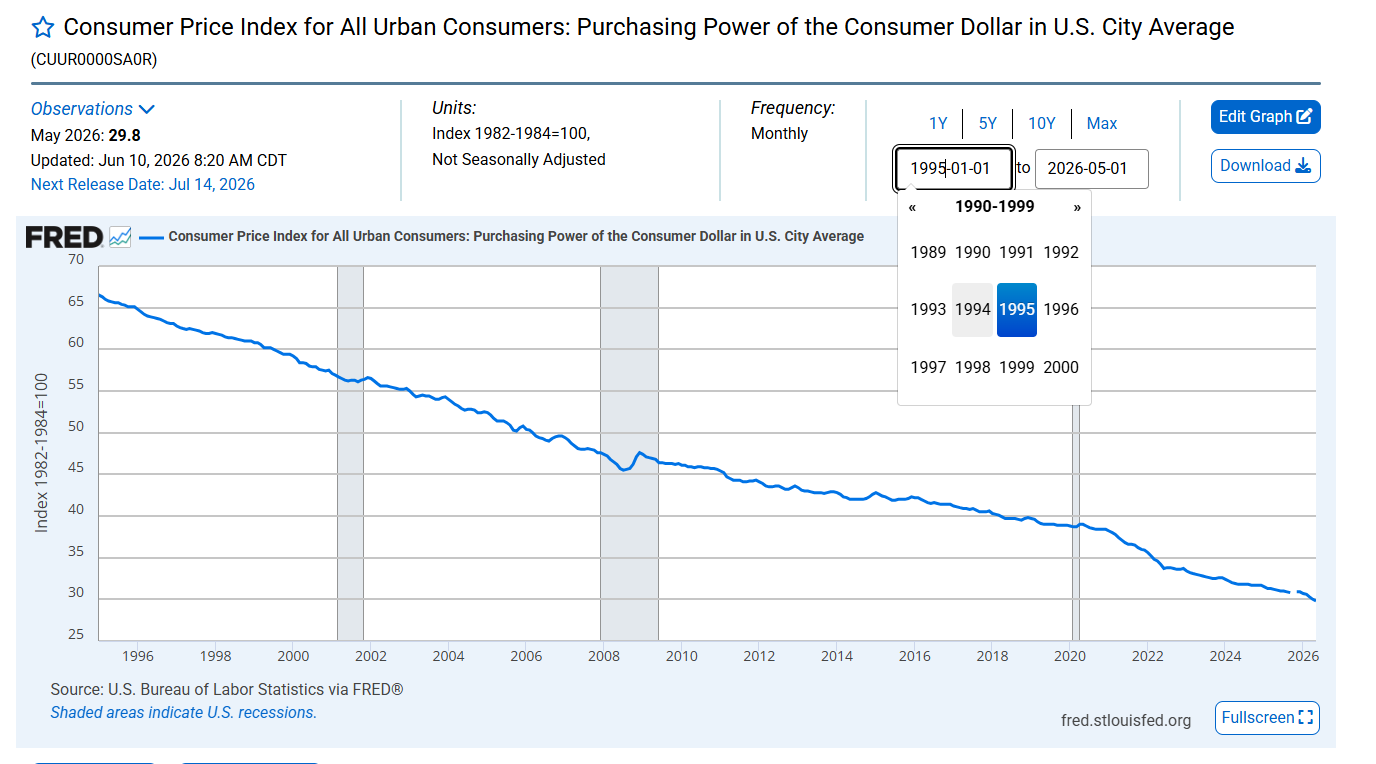
To understand the current economic climate, it is crucial to examine the historical trajectory of wages and inflation in the United States. Over the past two to three decades, real wages, which account for inflation, have experienced a significant decline. While nominal wages may show some increase, the rapid pace of inflation has consistently outstripped these gains, leading to a substantial drop in purchasing power. Data from various economic sources, including the St. Louis Federal Reserve, paints a clear picture: a chart tracking "Purchasing Power" over a comparable period shows a steep decline, approaching nearly 40% reduction. This sustained erosion means that the average American worker can afford less today than they could in previous generations, despite technological advancements and increased economic output.
Productivity Gains Not Reaching the Workforce
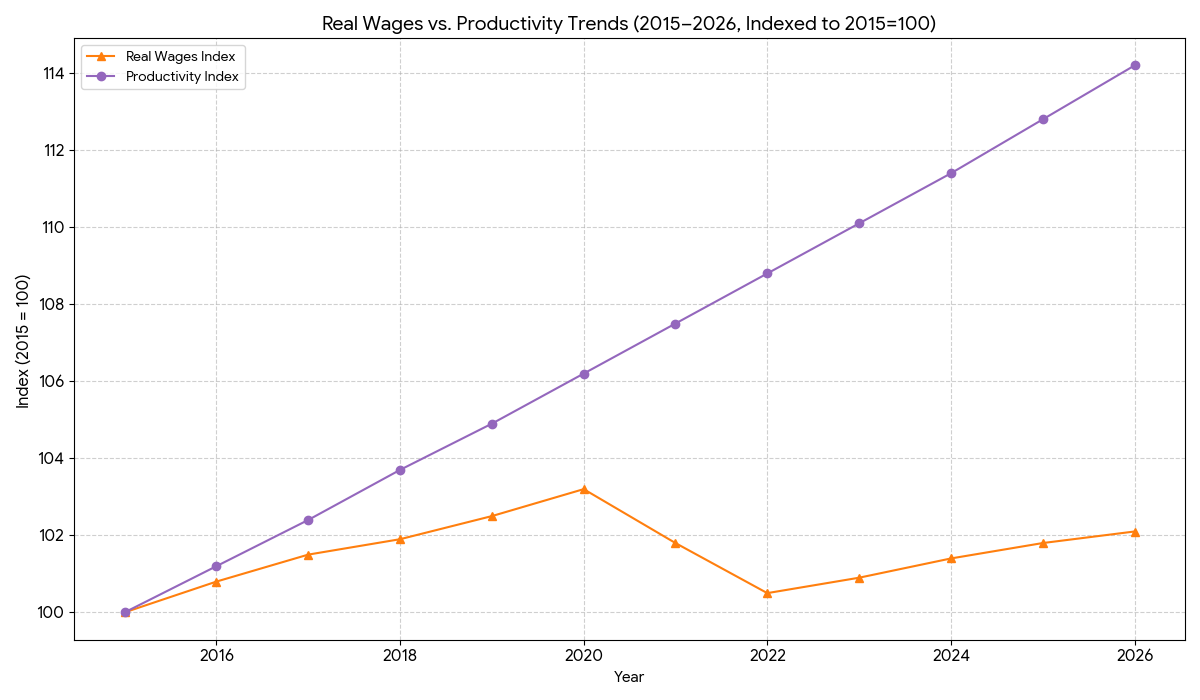
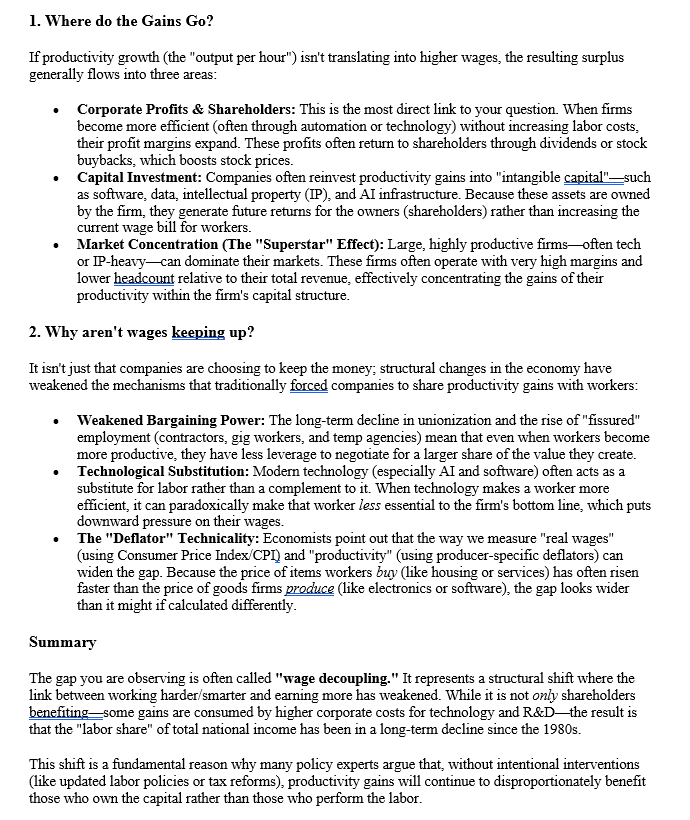
The persistent stagnation of wages, despite significant advancements in productivity, raises critical questions about the distribution of economic gains. Over the last 30 years, the technological revolution, particularly within sectors like tech, has led to unprecedented increases in efficiency and output. However, the benefits of this enhanced productivity appear to have been largely concentrated among corporate leadership and shareholders, rather than being shared with the workforce.
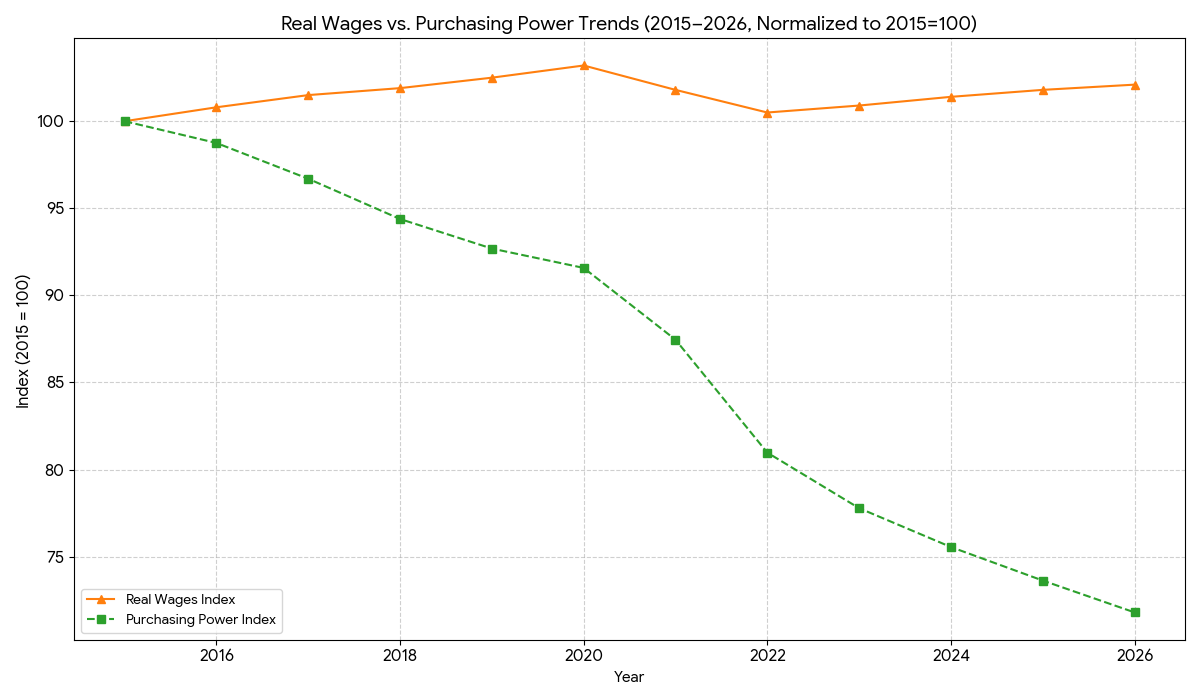
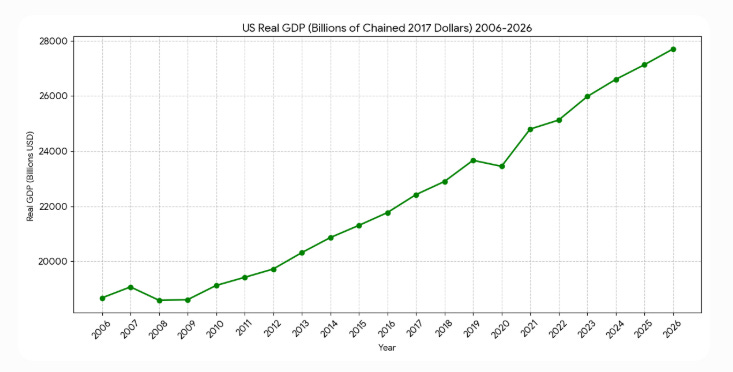
One analysis indicates that while productivity has increased by approximately 14% over a recent period, wages have only grown by about 2%. This leaves a substantial gap of around 12% of economic productivity that has not translated into higher compensation for employees. This disparity is further evidenced by the consistent rise in Gross Domestic Product (GDP) over the same period.
The Divergence: Shareholders Over Employees
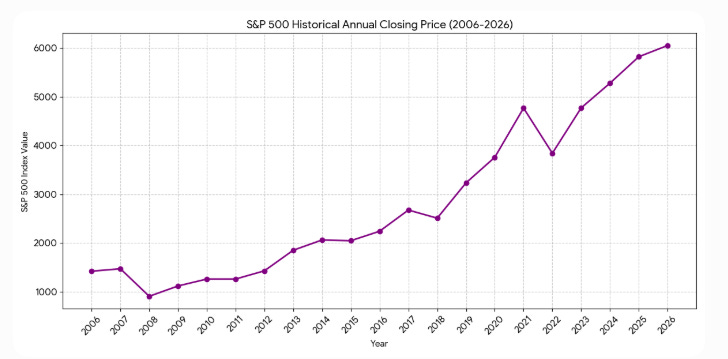
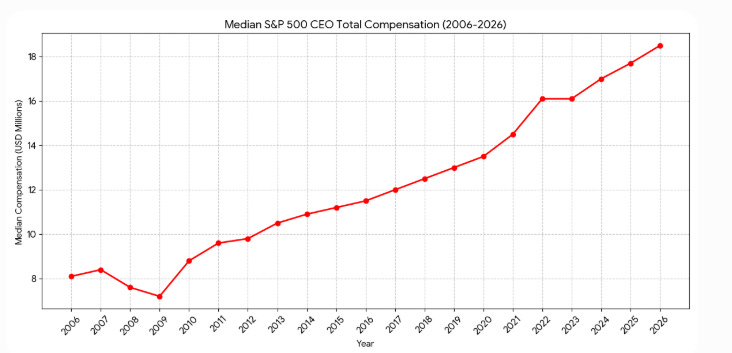
The question then becomes: where has this substantial portion of economic productivity gone? The data strongly suggests that these gains have primarily flowed to shareholders and corporate owners. This has manifested in soaring stock market valuations, increased dividends, and substantial payouts to those who own equity in corporations. This strategic prioritization of capital over labor reflects a fundamental shift in corporate philosophy, often driven by the pursuit of maximizing shareholder value.
This trend has been amplified by the increasing influence of business schools and financial incentives that prioritize short-term profit maximization. The focus has shifted from nurturing a loyal and well-compensated workforce to optimizing for capital returns, often through automation and cost-cutting measures.
The Stagnation of the Federal Minimum Wage
Adding to the pressure on low-wage workers, the federal minimum wage has remained largely stagnant for decades. Currently hovering around $7.50 per hour, it has failed to keep pace with inflation, rendering it virtually ineffective in providing a living wage. This stands in stark contrast to the period before 1980, when the minimum wage saw consistent increases. The policy shift, often attributed to the economic philosophies of the Reagan administration, aimed at curbing inflation but inadvertently contributed to wage stagnation and widened the income gap. The argument that raising the minimum wage leads to significant job losses has been largely debunked by economic studies, yet the political will to enact meaningful increases remains elusive.
The Decline of Labor Unions and Collective Bargaining
Parallel to the stagnation of the minimum wage, the influence of labor unions has dramatically diminished over the same period. From the 1980s onwards, there was a concerted effort to weaken union power, often justified by the need to reduce inflation and increase corporate competitiveness. While this may have contributed to certain economic efficiencies for businesses, it also removed a crucial mechanism for workers to negotiate for better wages, benefits, and working conditions. The shift towards individualistic "self-management" of wealth through programs like 401(k)s, while offering some benefits, has not compensated for the collective bargaining power lost.
Inflationary Expectations and the New Normal
The current economic landscape is further complicated by entrenched inflation expectations. While various factors, including supply chain disruptions, geopolitical events, and increased government spending, have contributed to price hikes, a prolonged period of inflation exceeding the Federal Reserve’s target of 2% since 2021 has normalized higher prices for consumers. The pandemic’s disruption to global supply chains, coupled with increased demand and significant capital investment in areas like artificial intelligence (AI), has further exacerbated cost increases.
The average consumer now expects continuous price increases for everyday essentials like groceries, gasoline, and housing. This has led to a sense of economic precariousness, driving individuals towards speculative investments in assets like cryptocurrency and gold in a desperate attempt to preserve or grow their diminishing purchasing power.
The Role of Employers: A Call to Action
While external factors like government policy and global events play a significant role, the article emphasizes that employers bear a substantial responsibility in addressing the affordability crisis. As business leaders and HR professionals, a paradigm shift is necessary.
1. Reframe Labor as an Investment, Not an Expense: The traditional view of labor as a cost to be minimized is fundamentally flawed. Instead, employees should be recognized as the primary "appreciating asset" of any organization. Investing in employee training, development, and fair compensation leads to increased capabilities, enhanced customer service, and ultimately, superior business performance. Research, including that presented in the book "Irresistible," demonstrates a strong correlation between employee-focused organizations and outperformance in growth and profitability.
2. Prioritize Internal Development and Upskilling: In an era of rapid technological change, including the rise of AI, the focus should shift from headcount reduction to enhancing the capabilities of the existing workforce. AI’s true value lies not in replacing workers but in augmenting their productivity, enabling them to achieve greater speed and scale. Companies should leverage these productivity gains to invest in their employees, fostering a culture of "talent density" where each individual is viewed as a highly skilled, continuously learning asset. The "4R model"—recruit, retain, reskill, and redesign—provides a framework for achieving this, moving towards an "enablement for growth" model where wages can steadily increase.
3. Recognize the Economic Advantages of Fair Compensation: Paying employees a fair, above-average wage is not merely a philanthropic gesture; it is a sound business strategy. Companies that offer competitive compensation packages attract and retain top talent, reducing the significant costs associated with employee turnover. The expense of replacing an employee—including recruitment, onboarding, lost knowledge, and damaged client relationships—can often be two to three times their annual salary. By retaining experienced staff and incentivizing them to reskill and adapt, companies can foster a more dynamic and productive workforce.
4. Foster Internal Mobility for Organizational Dynamism: High employee turnover is costly and disruptive. Companies that cultivate a culture of internal mobility, where employees are encouraged and supported to move into new roles, experience greater engagement and retain valuable institutional knowledge. Studies, such as PwC’s 2026 CEO study, indicate that companies with high internal talent redeployment rates (20% or more of the workforce annually) demonstrate significantly higher long-term profitability. This practice builds organizational resilience and frees up capital that can be reinvested in employee compensation and development.
The Path Forward: A Shared Responsibility
The current economic climate, characterized by soaring costs and stagnant wages, is not an insurmountable problem but a symptom of systemic policy choices and corporate priorities. The article concludes by reiterating the responsibility of employers to contribute to affordability. Companies that prioritize fair compensation, like Costco, have demonstrably outperformed their peers and fostered employee loyalty and prosperity, as evidenced by numerous success stories of their employees achieving millionaire status.
The prevailing economic narrative, focused on minimizing labor costs for the benefit of shareholders, is proving unsustainable. A return to principles, perhaps echoing Henry Ford’s early 20th-century strategy of paying wages that enabled workers to afford the products they produced, may be necessary. Ultimately, addressing the wage-price disparity requires a multifaceted approach, involving both enlightened corporate practices and a broader societal commitment to ensuring that economic growth benefits all, not just a select few. The choices made today by employers will significantly shape the economic future and the ability of American families to thrive.