Workable, a prominent provider of recruiting and HR software, has unveiled a significant enhancement to its platform: the introduction of HRIS roles with defined scopes. This new functionality directly addresses a critical challenge faced by multi-entity, multi-brand, or multi-country organizations: the intricate balance between granting necessary access to human resources data and maintaining stringent data privacy, security, and compliance standards. The update allows companies to precisely tailor access permissions within their HR information system, ensuring that local HR teams can operate efficiently without compromising the integrity and confidentiality of sensitive employee data across diverse operational landscapes.
The Intricate Landscape of Global HR Management
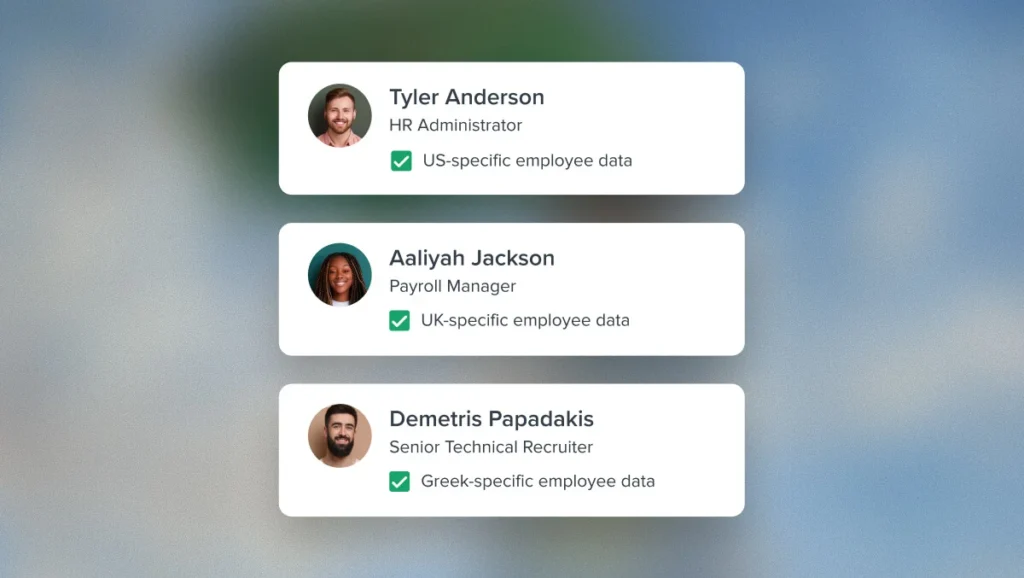
For organizations operating across multiple legal entities, diverse brands, or international borders, the traditional model of centralized HR administration often presents an insurmountable hurdle. Human Resources responsibilities, by their very nature, are frequently distributed among local teams. For instance, an HR manager in Athens is typically responsible for Greek employees, while a people operations lead in Boston manages the U.S. entity. Similarly, a payroll manager in the UK requires specific access to bank details and pay rates for the London team. Until this recent update, Workable’s system, like many legacy HR platforms, provided a more generalized administrative access model. Granting an individual admin privileges meant granting them access to virtually every employee record, every document, and every HR setting across the entire corporate account.
This broad access presented a dilemma for growing organizations. They were forced into an uncomfortable choice: either over-provision access, thereby accepting significant privacy and compliance risks, or centralize all HR administration through a small core team, which inevitably led to operational bottlenecks. Neither scenario was conducive to efficient, secure, or scalable HR operations. Over-provisioning access carries the inherent risk of exposing sensitive information—such as salary data, personal documents, and private details—to individuals who have no legitimate business need to view it. This not only poses a severe privacy risk but also opens the door to potential data breaches and non-compliance with regional and international data protection regulations. Conversely, centralizing control, while seemingly safer, inevitably slows down critical HR processes. It burdens a small central team with an overwhelming volume of requests that local teams are perfectly capable of handling themselves, leading to delayed responses, frustrated employees, and diminished HR service delivery quality.
Workable’s Strategic Solution: Precision Access Control
The new Workable feature directly resolves this long-standing issue by allowing organizations to assign HRIS roles with a meticulously defined scope. When inviting a new account member or modifying an existing one, administrators can now select their role and precisely specify the scope of its application. For example, an HR administrator can be assigned to manage only employees and HR settings pertaining to the U.S. entity, with no visibility or access to data from other regions or entities. This granular control is a paradigm shift for distributed HR functions.
The implementation of scoped roles leverages the existing segmentation capabilities within Workable accounts, ensuring a seamless integration rather than introducing complex, arduous permission sets. This design choice means that administrators can set the scope in a matter of seconds directly within the account member management interface. Consider a multinational corporation operating three distinct legal entities across three different countries. With this update, the central HR team can now assign each local HR lead an "HR Admin" role, scoped specifically to their respective entity. This empowers each local administrator to independently manage onboarding processes, maintain employee profiles, handle country-specific documents, and adjust relevant HR settings for their designated employee population. Simultaneously, the central HR team retains an overarching, account-wide view, enabling strategic oversight without getting bogged down in localized administrative tasks. Crucially, employee data remains segregated between entities, a vital requirement given the disparate privacy and compliance regulations prevalent across different jurisdictions.
Operational Benefits and Strategic Implications
The implications of this enhancement extend far beyond mere administrative convenience; they touch upon fundamental aspects of organizational governance, risk management, and operational efficiency.
Enhanced Data Privacy and Security: The most immediate benefit is a substantial uplift in data privacy and security. By limiting access to sensitive employee data only to those with a legitimate need, the risk of internal data breaches and unauthorized access is drastically reduced. In an era where data breaches are increasingly common and costly, proactive measures like granular access control are indispensable.
Streamlined Compliance: Compliance with a patchwork of global data protection laws—such as GDPR in Europe, CCPA in California, and numerous other country-specific regulations—is a monumental task for multinational enterprises. These regulations often stipulate strict requirements regarding data access, storage, and processing. Scoped roles enable organizations to align their HR system permissions precisely with these legal mandates, significantly simplifying compliance efforts and mitigating the risk of hefty fines and reputational damage. According to a 2023 report by IBM Security, the average cost of a data breach globally reached an all-time high of $4.45 million, with non-compliance penalties often adding millions more.
Boosting Local HR Agility and Efficiency: Empowering local HR teams with the appropriate level of access allows them to operate with greater autonomy and efficiency. They can respond faster to local employee needs, manage region-specific HR processes without delays, and ultimately provide a superior employee experience. This decentralization of administrative tasks eliminates the central HR bottleneck, transforming HR from a reactive administrative function into a proactive, strategic partner for local business units.
Freeing Central HR for Strategic Initiatives: With local teams managing their day-to-day HR operations, the central HR function can shift its focus from transactional administration to more strategic initiatives. This includes developing global HR policies, talent management strategies, compensation frameworks, and fostering a cohesive organizational culture across diverse geographies. This strategic pivot is vital for businesses seeking to leverage HR as a competitive advantage.
The Evolving Landscape of HR Technology and Workable’s Position
The journey of HR technology has seen a profound evolution, from basic personnel record-keeping systems in the mid-20th century to integrated Human Resources Information Systems (HRIS), Human Capital Management (HCM) suites, and comprehensive talent management platforms today. Early HR systems were largely administrative, focusing on payroll and basic employee data. As organizations grew and regulations became more complex, the need for more sophisticated systems that could handle recruitment, performance management, learning and development, and global compliance became apparent. Modern HRIS platforms are now expected to be agile, scalable, and secure, providing a unified view of the workforce while accommodating diverse local requirements.
The introduction of granular access control is a natural and necessary progression in this evolution. Industry trends consistently point towards a greater emphasis on data security, privacy-by-design principles, and user experience in enterprise software. Workable, having started as an Applicant Tracking System (ATS), has steadily expanded its capabilities to offer a broader suite of HR functionalities. This latest update solidifies its commitment to serving the complex needs of growing, distributed organizations, aligning its platform with the best practices in enterprise security and data governance. It demonstrates an understanding that an HRIS is not merely a data repository, but a critical infrastructure component that enables efficient and compliant global operations.
Industry Perspectives and Expert Reactions
While Workable has not released specific official statements beyond the product announcement, the implications of this feature resonate strongly within the HR technology and corporate governance sectors.
A hypothetical statement from Workable’s Chief Product Officer, Alexiades Papas, could emphasize: "Our mission at Workable is to empower HR teams to build and manage exceptional workforces efficiently and securely. The introduction of scoped HRIS roles is a direct response to the evolving needs of our global clients. It’s about giving our users the confidence to delegate responsibilities to their local teams, knowing that sensitive employee data is protected by precise access controls. This feature will not only enhance operational efficiency but also significantly bolster data privacy and compliance efforts for our Premier and Enterprise plan customers."
An inferred reaction from an industry analyst, Dr. Eleanor Vance, specializing in HR Technology at Global Tech Insights, might be: "Workable’s move to implement granular HRIS scoped roles is a highly commendable and strategic development. In today’s globalized business environment, robust access control isn’t just a ‘nice-to-have’; it’s a fundamental requirement for risk mitigation and compliance. This feature positions Workable strongly against competitors by directly addressing a critical pain point for multinational enterprises, enabling them to scale their HR operations securely and efficiently without falling foul of diverse regulatory mandates. It’s a clear signal of Workable’s maturity as a comprehensive HR platform."
Furthermore, the benefit for a hypothetical user, such as Maria Rodriguez, HR Director for a multinational manufacturing firm, "GlobalTech Solutions," could be articulated: "Managing HR across our operations in five different countries was a constant tightrope walk. We needed to empower our local HR teams, but the risk of broad access to sensitive data from other regions was always a concern. Workable’s new scoped roles are a game-changer. Our Greek HR team can now manage their employees with full autonomy, without ever seeing data from our U.S. or UK entities. This has dramatically improved our operational speed, reduced our compliance anxieties, and freed up my central team to focus on strategic workforce planning."
Broader Implications for Enterprise HR and IT Governance
The introduction of granular access control in HRIS platforms like Workable’s has profound implications for broader enterprise IT governance, risk, and compliance (GRC) frameworks. IT departments are increasingly responsible for ensuring that all software solutions adhere to corporate security policies and regulatory requirements. A system that inherently allows for precise access definition simplifies the audit process and strengthens an organization’s overall security posture.
From a GRC perspective, this feature contributes to:
- Improved Auditability: Clearer trails of who accessed what data and when, facilitating internal and external audits.
- Reduced Insider Threat Risk: Limiting access reduces the potential for malicious or accidental data exposure by internal employees.
- Enhanced Regulatory Compliance: Directly supports compliance with "least privilege" principles advocated by many data protection regulations.
- Stronger Vendor Security Posture: Workable’s commitment to sophisticated access control signals its dedication to robust security, which is a key factor for enterprises selecting HR technology vendors.
Ultimately, the strategic value of an HRIS extends beyond simple record-keeping; it is a critical business enabler. By allowing businesses to confidently delegate HR responsibilities to local teams, Workable’s new feature helps transform HR from a potential administrative bottleneck into an agile, strategic partner that can support rapid global expansion and ensure consistent, compliant HR service delivery across diverse operational footprints. This type of innovation sets a higher standard for the industry, encouraging other HR tech vendors to prioritize and develop similar robust access management capabilities.
Availability and Getting Started
Workable’s HRIS scoped roles are now available to customers on their Premier and Enterprise plans. Existing users on these plans can begin configuring entity or department-scoped roles by navigating to their account members settings within the Workable platform. For a detailed, step-by-step guide on how to assign specific HR access, Workable has provided comprehensive documentation in its help center. This phased rollout ensures that the most complex organizations, those with the greatest need for this functionality, can immediately benefit from enhanced security, compliance, and operational agility.
In conclusion, Workable’s introduction of granular HRIS scoped roles marks a pivotal moment for organizations striving to balance global expansion with stringent data protection mandates. By empowering local HR teams with precise, secure access to relevant employee data, the platform not only enhances operational efficiency and compliance but also reinforces the strategic role of HR in navigating the complexities of the modern, distributed workforce. This development reflects a maturing HR technology landscape where security, scalability, and user empowerment are no longer optional but fundamental requirements for success.