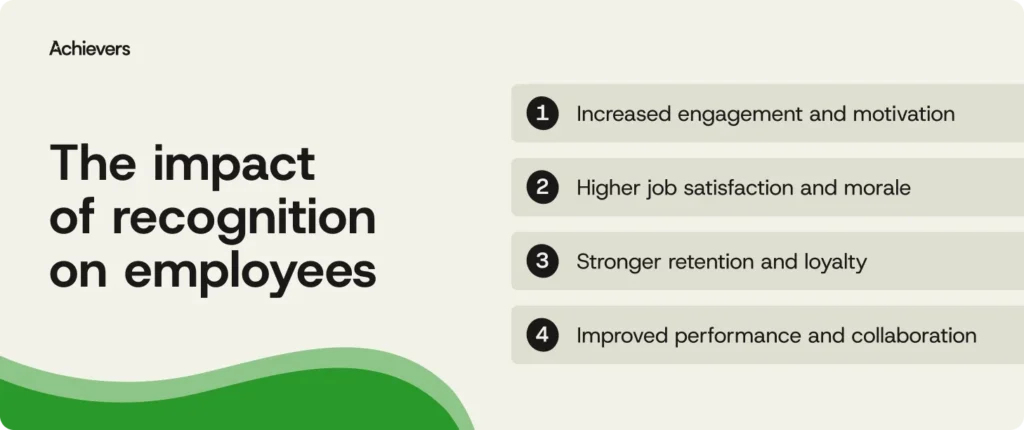
The ripple effect of employee recognition extends far beyond individual performance metrics, influencing team morale, fostering a positive workplace culture, and directly impacting an organization’s bottom line. From the newest hires to seasoned executives, the deliberate acknowledgment of effort and achievement fundamentally alters how individuals engage with their work, their colleagues, and their employer. For Human Resources departments and C-suite leadership, recognizing employees represents a strategic, cost-effective method for driving engagement, cultivating loyalty, and crucially, retaining top talent. For the workforce, the message is clear: when contributions are valued, motivation and commitment naturally follow. For managers, recognition is not merely a desirable leadership trait but an essential tool. Research from Gallup consistently highlights the profound impact of manager recognition, with a significant percentage of employees valuing it above other forms of appreciation. This article delves into the tangible effects of recognition across all levels of an organization, exploring its multifaceted benefits and implications.
The Transformative Impact of Recognition on Employees
The bedrock of an engaged, loyal, and high-performing workforce is built upon a foundation of genuine appreciation. When employees feel their contributions are acknowledged and valued, their approach to their roles, their interactions with teammates, and their commitment to organizational goals undergoes a positive transformation. This impact is not confined to celebratory moments but permeates the daily work experience.
Amplifying Engagement and Motivation
Engaged employees are not merely more productive; they exhibit greater resilience in the face of challenges, demonstrate enhanced collaboration, and are more deeply invested in achieving successful outcomes. Recognition stands out as one of the most potent and rapid catalysts for boosting this crucial engagement. Recent surveys, such as PwC’s Global Workforce Hopes and Fears Survey, have indicated a significant percentage of employees contemplating leaving their current roles within the next year. Meaningful recognition emerges as a powerful intervention, capable of re-engaging disillusioned employees and significantly improving retention rates. This translates into a workforce that is more proactive, willing to go the extra mile, and more invested in the collective success of the company.
Cultivating Higher Job Satisfaction and Morale
A fundamental human need is the sense of belonging. Employees who feel an intrinsic connection to their workplace are demonstrably more likely to remain with their employer long-term. In this context, recognition emerges as an exceptionally cost-effective retention strategy. Industry reports, including those from Forbes, highlight a growing trend among HR leaders who are incorporating recognition and rewards programs as a vital component of their overall compensation strategies. This approach acknowledges that while salary is important, the feeling of being appreciated for both significant achievements and consistent, everyday efforts is equally, if not more, impactful in fostering a positive work environment. Recognition helps solidify this sense of belonging by validating the often-unseen efforts that keep an organization functioning smoothly.
Forging Stronger Retention and Loyalty
The impact of recognition extends beyond immediate satisfaction, acting as a crucial driver of long-term loyalty. When individuals feel seen, supported, and recognized as integral contributors rather than mere cogs in a machine, their propensity to remain with the organization increases substantially. Research indicates that a strong sense of belonging, often cultivated through consistent recognition, can lead to significant boosts in retention rates and an extended average tenure. This underscores the profound impact that simple, yet sincere, acknowledgments can have on an employee’s commitment.
Enhancing Performance and Collaboration
Recognition plays a vital role in clarifying expectations and defining what constitutes excellent work, thereby inspiring others to strive for similar levels of achievement. However, with a considerable portion of the workforce reporting feeling disengaged, there exists a substantial opportunity to bridge this gap through more frequent and timely recognition. When employees understand that their efforts are noticed and appreciated, they are more likely to perform at their best and actively contribute to a collaborative environment. Recognition can illuminate successful strategies, reinforce desired behaviors, and foster a culture where excellence is both expected and celebrated.
Beyond individual morale, the strategic collection and analysis of recognition data can provide invaluable insights into organizational dynamics. Trends in recognition can reveal patterns in collaboration, highlight adherence to company values, and identify emerging performance benchmarks. This data-driven approach empowers business leaders with actionable intelligence to further refine engagement strategies and foster a more effective and supportive workplace.
The Empowering Impact of Recognition on Managers
Managing a team is an inherently complex endeavor, requiring a delicate balance of strategic oversight, performance coaching, and morale cultivation. In this demanding environment, recognition emerges as one of the most effective, albeit often underestimated, tools at a manager’s disposal. By integrating recognition into their leadership approach, managers can significantly ease their workload and amplify their positive impact on their teams.

Driving Superior Team Performance
A direct correlation exists between the frequency and quality of managerial recognition and the performance output of their teams. Studies consistently show that teams where recognition is a regular occurrence exhibit higher levels of productivity. Employees who receive weekly recognition are demonstrably more likely to report peak productivity compared to those who receive it less frequently or not at all. The data is clear: recognition acts as a powerful motivator, prompting employees to invest additional effort and contribute at higher levels.
Building Higher Trust and Stronger Relationships
Effective managers are not solely focused on task completion; they are instrumental in building trust within their teams. This trust is not an abstract concept but is meticulously constructed through consistent, small, yet meaningful actions, such as acknowledging effort when it is most needed. Research consistently indicates that employees who receive recognition from their direct managers exhibit significantly higher levels of trust in those leaders. This elevated trust creates a more conducive environment for open communication, constructive feedback, and seamless collaboration, ultimately leading to more effective team dynamics.
Elevating Leadership Effectiveness
While good managers achieve results, great managers cultivate trust, inspire discretionary effort, and lead with unwavering clarity. Recognition plays a pivotal role in this transition from good to great. Employees who feel positively about their managers are far more likely to be engaged in their work, signifying that the impact of recognition extends beyond immediate appreciation to foster a lasting positive impression. This suggests that recognition is not just a pleasant gesture but a fundamental component of effective leadership that contributes to employee retention and overall organizational health.
Streamlining Performance Management
Performance conversations need not be adversarial or daunting. By shifting the focus from identifying shortcomings to acknowledging and celebrating successes, recognition transforms the entire performance management paradigm. When employees are aware that their efforts are being observed and appreciated, they are more likely to remain motivated, proactively address areas for improvement, and take greater ownership of their professional development. This proactive approach fosters a culture of continuous improvement and empowers individuals to actively contribute to their own growth and the company’s objectives.
The Strategic Impact of Recognition on HR Teams
Human Resources professionals are tasked with a multitude of critical responsibilities, including cultivating organizational culture, developing retention strategies, analyzing workforce data, and safeguarding the employer brand. Employee recognition serves as a powerful enabler across all these domains, making each job more manageable and significantly more effective. It transforms abstract company values into tangible, everyday actions, provides real-time insights into employee sentiment, and allows for the quantifiable measurement of appreciation. This leads to a reduction in guesswork and a maximization of impact, ultimately contributing to a workplace environment that employees genuinely want to be a part of.
Fortifying Company Culture
Authentic organizational culture is not merely a set of stated principles; it is lived and breathed in the daily interactions and practices within a company. Recognition is instrumental in bringing these values to life by translating them into observable and celebrated actions. It communicates to employees what is truly valued within the organization and underscores the significance of their individual contributions to the broader mission. By consistently recognizing behaviors that align with core values, HR teams can actively shape and reinforce a desired culture.
Enhancing Employee Retention Metrics
Employees are significantly less likely to depart from organizations where they feel genuinely seen, supported, and appreciated. Recognition plays a pivotal role in fostering this sentiment, contributing directly to a stronger sense of belonging and providing compelling reasons for individuals to remain with the company. By integrating recognition into retention strategies, HR departments can proactively address potential flight risks and cultivate a more stable and committed workforce.
Deriving Data-Driven Insights on Engagement
While recognition undoubtedly fosters positive feelings, it also generates valuable data. Each instance of acknowledgment—whether a thank-you note, a positive comment, or a formal reward—provides a snapshot of employee sentiment and engagement levels. For HR professionals, this data offers deeper insights, enabling faster and more informed decision-making, and reducing the likelihood of unforeseen engagement challenges. Analyzing recognition patterns can reveal areas of strength and opportunities for improvement within teams and across the organization.
Elevating the Employer Brand
An organization’s employer brand is fundamentally shaped by the experiences and perceptions of its current and former employees. Recognition provides employees with compelling narratives and positive experiences to share, thereby enhancing the company’s reputation as an employer of choice. It demonstrates that appreciation is a consistent practice, extending beyond leadership circles or annual surveys, and is embedded in the daily fabric of the workplace. This outward projection of a valued workforce can attract higher-quality talent and strengthen the organization’s competitive position in the labor market.
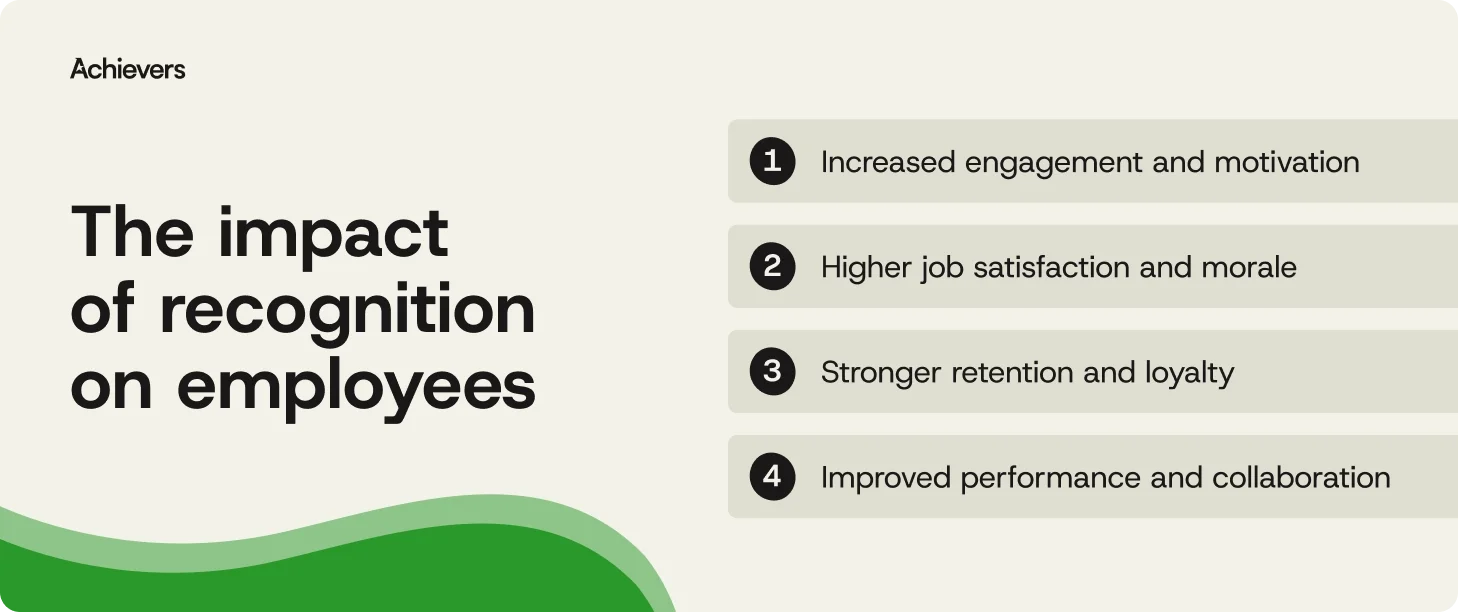
The Strategic Impact of Recognition on Executives
For executives, the role extends beyond strategic formulation to setting the overarching tone and culture of the organization. When recognition is integrated into the leadership philosophy, its impact resonates throughout every level of the company. From boosting overall organizational performance and ensuring alignment with strategic objectives to fostering trust and enhancing retention, recognition empowers leadership to authentically embody the values they espouse, clearly communicating what is important, what is valued, and the direction in which the company is heading.
Driving Higher Organizational Performance
Recognition is a direct catalyst for improved organizational performance. Companies that implement robust recognition programs consistently outperform those that do not, demonstrating higher profitability and stronger financial results. When employees feel recognized by leadership, their productivity and commitment see a notable increase. This direct link between recognition and tangible business outcomes makes it an indispensable element of executive strategy for driving success.
Enhancing Alignment with Business Goals
A clearly articulated strategic vision is essential, but its effectiveness hinges on employees understanding how their daily contributions directly support these overarching objectives. Recognition bridges this gap by highlighting and reinforcing the specific behaviors and actions that drive the business forward. By acknowledging employees who embody strategic priorities and contribute to key initiatives, executives can effectively translate abstract goals into concrete, observable actions across the organization.
Improving Employee Experience and Culture
A thriving organizational culture does not develop passively; it requires deliberate cultivation, attention, and, crucially, recognition. When recognition emanates from leadership, its impact is amplified, fostering a more positive and engaging employee experience. Employees who feel genuinely recognized by their leaders are significantly more likely to dedicate greater effort to their roles, demonstrating a powerful connection between leadership appreciation and employee motivation. This virtuous cycle enhances overall job satisfaction and strengthens the organizational culture.
Strengthening Leadership Reputation
Employees retain a strong memory of how their leaders make them feel. When individuals feel genuinely valued, the trust established with leadership is enduring. Organizations led by trusted leadership consistently outperform their peers, experiencing enhanced employee loyalty, a reduced likelihood of employees seeking alternative employment, and a greater willingness among employees to publicly endorse their company. Recognition signals empathy, transparency, and confidence—qualities that are foundational to building robust and credible leadership reputations.
The Profound Effects of Employee Recognition Done Right
When employee recognition is implemented thoughtfully and strategically, its effects are transformative. It serves to elevate performance, forge deeper connections among team members, and cultivate a workplace culture that individuals genuinely desire to be a part of. Employees experience heightened engagement, managers lead with greater effectiveness, HR departments gain critical insights to inform strategic decisions, and executives witness improved alignment and demonstrably stronger results.
By leveraging appropriate platforms and methodologies, recognition can transcend being a mere program and become an ingrained habit within an organization’s DNA. Utilizing flexible, points-based systems and offering personalized rewards that resonate across diverse teams, regions, and roles can facilitate this cultural shift. Furthermore, employing tools that allow for the quantification of recognition’s return on investment (ROI) provides executives and HR leaders with concrete data to track its financial and strategic benefits. Experiencing the positive impact of recognition firsthand is essential for any organization aiming to enhance performance and foster a more motivated and committed workforce at every level.