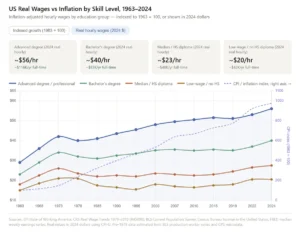
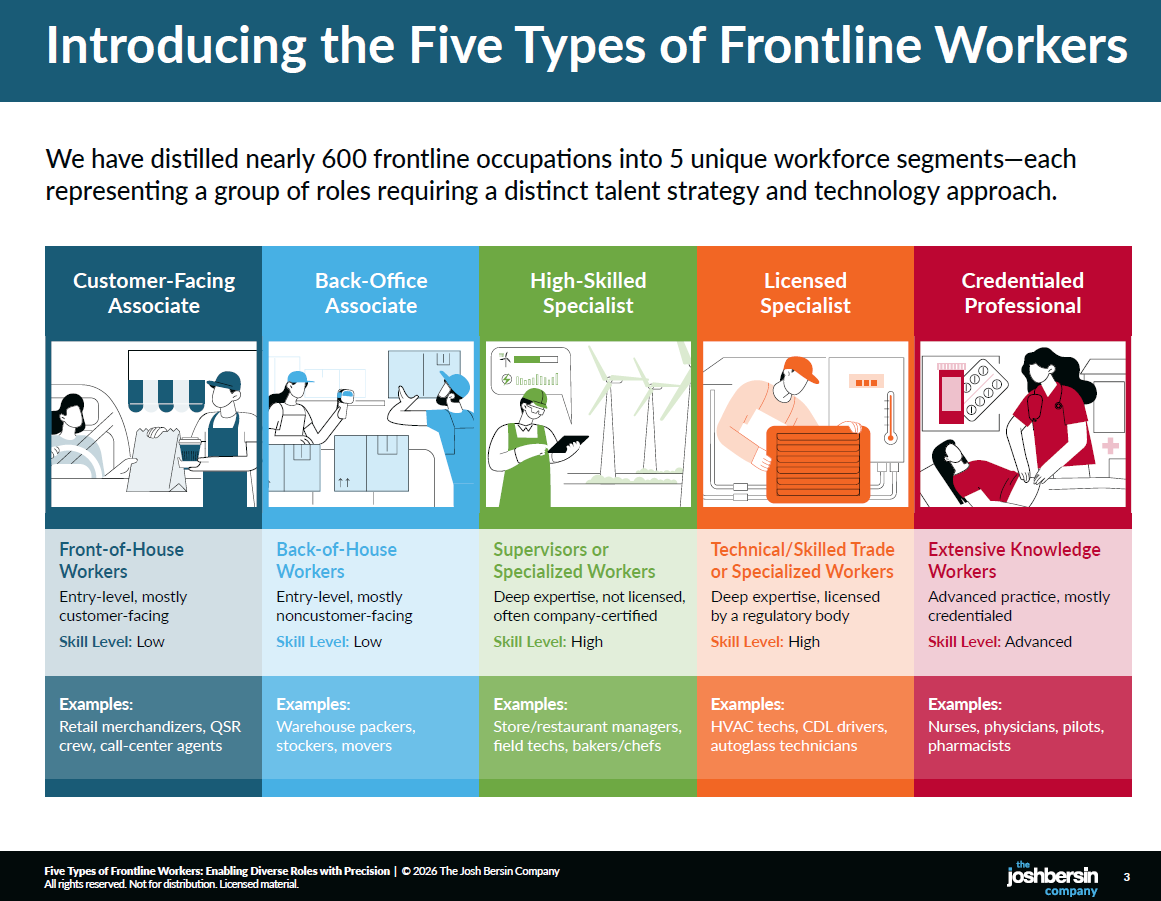
Wages are a cornerstone of frontline work, influencing the stability and satisfaction of a significant portion of the workforce. Over 70% of employees operate in these roles, often navigating a landscape of frequent job changes in pursuit of incremental hourly wage increases. This dynamic is particularly pronounced in sectors like retail, hospitality, service industries, and transportation, where roles typically demand minimal specialized pre-requisite skills. As a result, applicants for these positions often apply to numerous openings simultaneously, making the speed of response and, crucially, the offered compensation, decisive factors in their employment decisions.
The recruitment process in these high-volume sectors is a race against time. Employers frequently receive hundreds of applications, requiring rapid screening, interviewing, and background checks to avoid overwhelming store managers and to make timely job offers. The candidate might accept an offer on a Friday, only to fail to show up on Monday because they accepted a position elsewhere that offered a mere $5 per hour more, secured over the weekend. This phenomenon is not an anomaly but a recurring challenge for businesses reliant on frontline labor.
The situation is further complicated by the proliferation of automated job application tools. Websites like jobhire.ai, jackandjill.ai, aiapply.co, and applyblast.com, along with numerous others, enable candidates to mass-apply for jobs. These "apply-bots" continuously scan for opportunities, and when a worker receives an automated notification of approval for a position offering a significantly higher wage—potentially $10 more per hour—they are likely to depart their current role. This underscores a fundamental principle: in lower-skilled positions, compensation is a primary driver, acting as a foundational necessity, even when other factors like the job itself, company brand, hours, and working conditions are considered.

A New Dynamic: The Influence of IRS Regulations on Tipped Workers
The landscape of frontline compensation is undergoing a significant shift, particularly influenced by recent IRS regulations pertaining to tip income. Companies can broadly be categorized into those that actively collect tips and those that do not. In the United States, the Internal Revenue Service (IRS) treats tips collected by employers as an employee liability rather than company revenue or expense, meaning they do not directly impact a company’s profit, revenue, or capital requirements. This often positions them as a cost-neutral benefit for employers, theoretically encouraging employees to provide superior service.
This distinction creates a competitive advantage for "tipping" companies, such as popular coffee chains and ride-sharing services, over "non-tipping" companies like large retailers and logistics providers. The former can offer higher effective compensation to employees at a lower direct cost to the business. The magnitude of this advantage has become substantial, particularly following new IRS guidance.
Analysis of IRS Data Reveals Significant Wage Subsidies
Recent data from the IRS highlights the profound financial implications of these regulations. In the first half of 2026, a legislative change aimed at providing tax relief on tip income resulted in 3.5 million filings, with an average tax refund or reduction of $1,300 per individual. This translates to a staggering total government subsidy of approximately $4.5 billion within that initial period.
This substantial subsidy raises critical questions about its distribution: does the benefit primarily accrue to employees or employers? If the IRS figures are accurate, this implies that 2.1% of all U.S. workers who filed under this provision received tip amounts equivalent to $7 to $11 or more per hour. Considering the Bureau of Labor Statistics (BLS) reports an average non-managerial hourly wage of approximately $32 for many frontline roles, this tip income could represent an increase of nearly one-third to their overall earnings.
Calculating the precise impact involves understanding the average tax burden of hourly workers. While the overall U.S. worker tax rate hovers around 14.5%, a significant portion of low-wage hourly workers pay little to no federal taxes. However, assuming an average federal tax rate of 8-10% for those who do pay, the $1,300 tax benefit suggests annual tip incomes ranging from $13,000 to $16,000. While these figures are substantial and prompt some to question potential IRS data inflation, they offer a compelling glimpse into the economic realities.
Factoring in average annual work hours, estimated between 1,500 and 2,000, with a mean around 1,700 hours, this annual tip income translates to an additional $6 to $10 per hour. When combined with the $1,300 tax return, the effective tip income per hour escalates to between $7 and $11. This effectively creates a significant wage differential between companies that benefit from these tip structures and those that do not.

Disparities in Frontline Wages: A Comparative View
The average hourly wages for frontline positions vary considerably based on geographic location, specific job duties, and local minimum wage laws, such as state-mandated minimums for fast-food workers. For instance, in some regions, a fast-food worker might earn $15-$18 per hour, while a retail associate could see similar wages. However, in a service role where tips are customary, the base wage might be significantly lower, such as $10-$12 per hour, but the substantial tip income can elevate the overall compensation to levels comparable to or exceeding those in non-tipped roles.
This disparity suggests that companies operating within a tipping model, facilitated by government subsidies, can secure a workforce at a substantially lower direct labor cost. The analysis indicates that "tipped worker" companies may achieve a nearly 35% lower effective labor cost compared to "non-tipped" companies when considering the total compensation package and associated employer expenses.
Implications and Broader Impacts: A Shifting Employment Paradigm
The implications of this evolving compensation structure are multifaceted and raise important questions about fairness, economic sustainability, and consumer behavior.
Employer Strategy and Profitability
One of the most immediate implications is how employers can leverage this tax benefit. Companies that do not collect tips face higher labor costs to attract and retain hourly workers. Conversely, those that facilitate tip collection can potentially pay lower base wages while still offering competitive total compensation. This suggests that the federal benefit, intended to support workers, may instead enhance the profitability of "tipping" companies by enabling them to reduce their direct wage expenditures. This raises concerns that the intended uplift in overall worker earnings might not fully materialize if employers absorb a significant portion of the subsidy.
Consumer Experience and the Expansion of Tipping Culture
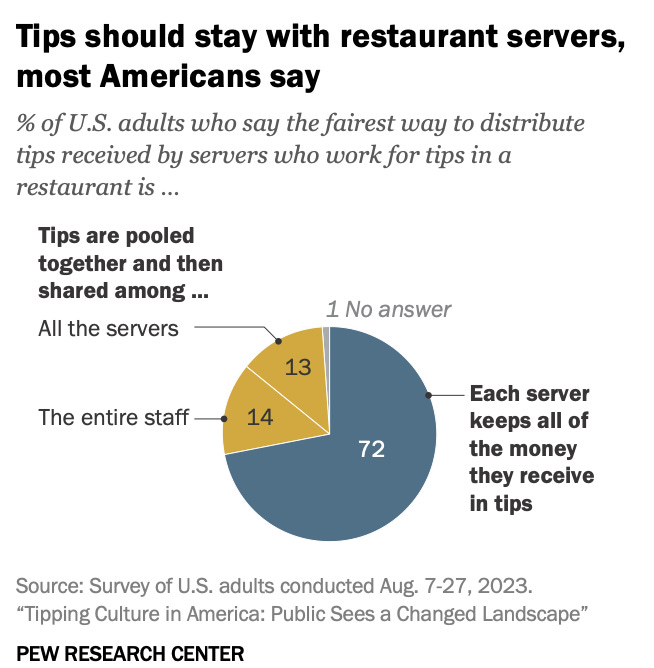
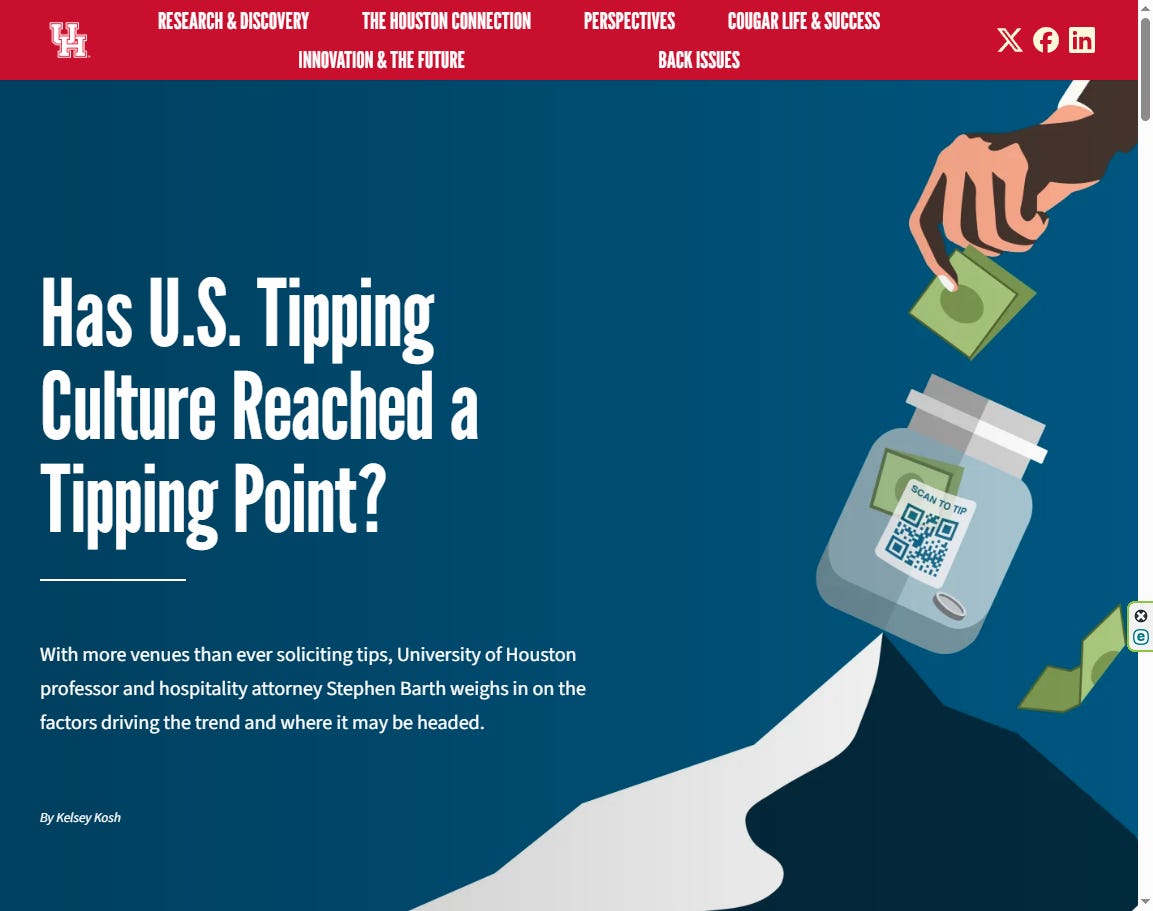
The widespread adoption of tipping prompts a significant shift in the consumer experience. Nearly every digital transaction, from ride-sharing apps to online purchases, now prominently features a tipping prompt. Services like Uber and DoorDash have removed the option to bypass tipping, while drivers report declining base pay. This pervasive expectation of tipping, coupled with the visual cues on payment terminals and apps, creates a sense of obligation for consumers. While many individuals feel compelled to tip to support workers they perceive as earning low wages, there is growing apprehension that this practice inadvertently enables employers to maintain lower wage structures.
Data from research organizations indicates a growing sentiment among the public regarding the perceived excess of tipping requests. A significant percentage of Americans express concern that tipping culture has become excessive, with tip requests appearing in contexts where they were not previously customary. This consumer fatigue and potential backlash could influence future business models and regulatory approaches.
Income Inequality and Government Subsidies
The allocation of $4.5 billion in government subsidies through tax relief on tip income raises questions about equity and the most effective use of public funds. The policy, while politically framed as a recognition of hourly workers, prompts contemplation on whether it disproportionately benefits employers in the tipping sector by lowering their labor costs. The substantial figures released by the IRS suggest that the scale of this subsidy might have surprised policymakers, leading to a re-evaluation of its intended and actual outcomes.
Societal Impact and the "Gig" Economy Model
The increasing reliance on tips and the incentivization of tip-based compensation models contribute to a broader societal trend towards a "work for hire" employment paradigm. This aligns with the concept of the "Great Decoupling," where the traditional employer-employee relationship is increasingly fragmented. While tips can indeed motivate employees to focus on customer satisfaction, the employer’s role in providing a stable wage structure is subtly diminished. The long-term societal ramifications of this shift are still unfolding, with predictions pointing towards an even more pervasive presence of tipping prompts across a wider array of services and consumer interactions.
The future trajectory of tipping culture remains uncertain, but its expanding influence suggests a continued evolution in how frontline work is compensated and perceived. The interplay between government policy, employer strategy, consumer behavior, and worker welfare will undoubtedly shape the future of this significant segment of the economy. As the lines between traditional employment and the gig economy continue to blur, understanding the intricate dynamics of wages and tipping is crucial for navigating the evolving landscape of frontline labor.