
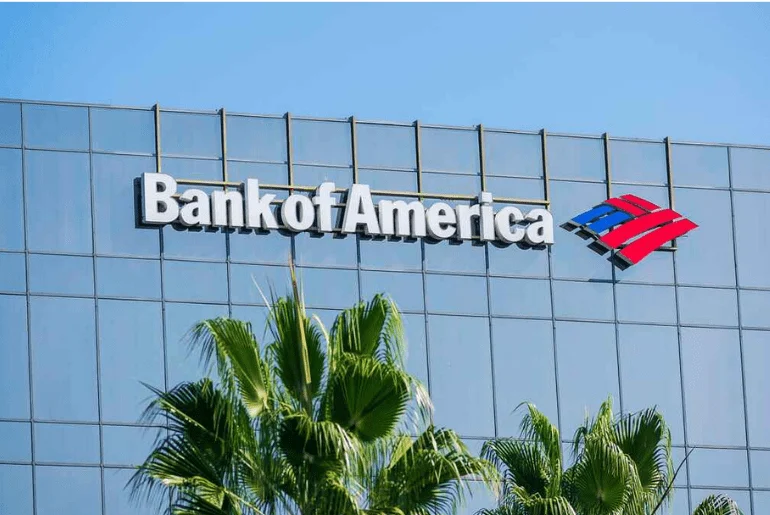
Bank of America, one of the world’s largest financial institutions, has initiated a significant recalibration of its hybrid work framework, mandating that eligible employees who work remotely two days a week must separate those remote days. This updated policy, confirmed by the Charlotte-based financial firm, aims to achieve a more balanced office occupancy throughout the week and foster enhanced in-person collaboration. The new guidelines are set to take effect companywide in mid-September, following the Labor Day holiday.
Under the refined policy, employees assigned to hybrid roles will maintain their allowance of three in-office days and two work-from-home days per week. The critical alteration lies in the scheduling of the two remote days, which can no longer be consecutive. This means combinations such as Monday and Tuesday or Thursday and Friday will no longer be permissible. Instead, employees will be required to structure their remote workdays with an intervening in-office day, for example, pairing Monday with Wednesday, or Tuesday with Friday. This strategic adjustment applies across all Bank of America locations globally, not solely the uptown Charlotte headquarters, though the bank has not disclosed the precise number of employees who will be directly impacted by this specific change.
Rationale Behind the Policy Shift: Balancing Occupancy and Fostering Culture
The impetus for this policy update stems from a comprehensive review of post-pandemic work patterns observed within the bank’s vast operational footprint. Leadership at Bank of America identified a persistent challenge: office attendance has consistently peaked from Tuesday through Thursday, leading to potential crowding and strain on resources during these mid-week periods. Conversely, Mondays and Fridays frequently experienced notably lower attendance, creating an imbalance in office utilization and potentially hindering the consistent benefits of in-person interaction. By enforcing non-consecutive remote days, the bank seeks to more evenly distribute employee presence across the entire workweek, thereby optimizing the use of its physical office spaces and ensuring a more consistent environment for collaboration.
Beyond logistical considerations, a central objective of the revised policy is to strengthen several critical aspects of corporate culture and professional development. The bank emphasizes the importance of increased face-to-face interaction for fostering robust teamwork, facilitating effective mentoring relationships, expanding professional networking opportunities, and supporting career development pathways. Proponents of increased office presence often argue that spontaneous interactions, informal learning, and a stronger sense of camaraderie are more readily cultivated in a shared physical environment, which can be challenging to replicate consistently in a fully remote or loosely structured hybrid model.
A spokesperson for Bank of America affirmed that the updated policy was shaped by a confluence of factors, including internal employee feedback, the inherent operational requirements of the banking industry, and the evolving needs of its diverse customer base. It is noteworthy that certain client-facing roles, such as branch bankers and traders, have already been operating on-site five days a week, underscoring the bank’s differentiated approach based on role function and client interaction imperatives.
A Chronology of Bank of America’s Evolving Work Models
Bank of America’s journey through remote and hybrid work models reflects the broader corporate adaptation to the seismic shifts brought about by the global COVID-19 pandemic. Prior to March 2020, like most major financial institutions, Bank of America primarily operated under a traditional, fully in-office model, with remote work being an exception rather than a rule, typically reserved for specific situations or emergencies.
- Early 2020 – The Pandemic Shift: With the onset of the COVID-19 pandemic, Bank of America, alongside countless other organizations worldwide, rapidly transitioned a vast majority of its workforce to full-time remote work. This unprecedented shift demonstrated the feasibility of remote operations for many roles, even within a highly regulated industry like finance.
- October 2022 – Initial Hybrid Restructuring: As the immediate crisis subsided and vaccination rates increased, Bank of America began its strategic return-to-office planning. In October 2022, the bank formalized its approach by categorizing its staff into four distinct work models:
- On-site: Employees required to work in the office five days a week (e.g., branch staff, traders, critical infrastructure personnel).
- Hybrid: Employees working a combination of in-office and remote days, typically up to two days remotely per week.
- Flex Office: Roles with a set monthly allowance for working from home, offering a degree of flexibility but still requiring significant office presence.
- Full Remote: A very limited number of roles designated for entirely remote work, often specialized or geographically dispersed positions.
This initial restructuring allowed for a degree of flexibility while signaling a clear intent to bring employees back into physical office spaces, recognizing the benefits of in-person collaboration.
- Mid-September (Post-Labor Day) 2023 – The Latest Refinement: The current policy requiring non-consecutive remote days represents a further refinement of the "hybrid" category, demonstrating the bank’s ongoing efforts to optimize its operational model based on observed trends and strategic objectives. This evolution highlights a dynamic and iterative process of adapting to new realities while striving to maintain core organizational values and efficiencies.
The Broader Landscape: A Financial Sector Trend Towards Increased Office Presence
Bank of America’s decision is not an isolated event but rather indicative of a broader trend sweeping across the financial services industry. Major banks, often characterized by their deeply ingrained corporate cultures, complex operational requirements, and high-stakes trading environments, have been among the most proactive in guiding their workforces back to physical offices. The rationale frequently cited includes the need for enhanced security, improved client engagement, accelerated career development for junior staff, and the preservation of distinct corporate identities.
- Truist Financial: Another prominent Charlotte-based financial institution, Truist, took an even more definitive stance earlier in the year, mandating a full five-day return to the office for its entire workforce starting in January 2023. This move positioned Truist among the most stringent in the industry regarding post-pandemic office presence.
- Wells Fargo: While generally allowing most of its staff to work remotely two days a week, Wells Fargo has also imposed stricter requirements for certain segments of its employee base. Senior leaders and customer-facing teams, similar to Bank of America’s client-facing roles, are typically expected to be in the office four to five days a week, acknowledging the direct link between physical presence and leadership visibility or client service quality.
- JPMorgan Chase: One of the earliest and most vocal proponents of returning to the office, JPMorgan Chase CEO Jamie Dimon has repeatedly emphasized the importance of in-person work for culture, learning, and productivity. The bank has progressively increased its in-office requirements, with many employees now expected to be in the office three to five days a week, depending on their role and team.
- Goldman Sachs: Known for its intense, competitive culture, Goldman Sachs was also among the first major banks to push for a return to the office, with CEO David Solomon famously calling remote work an "aberration." While some flexibility has been introduced, the prevailing expectation remains a strong physical presence.
- Morgan Stanley and Citigroup: These institutions have also implemented various hybrid models, generally requiring employees to be in the office for a significant portion of the week, typically three to four days, reflecting a sector-wide consensus on the value of physical proximity.
This collective push by major financial institutions underscores a belief that while remote work offered a temporary solution during an unprecedented crisis, the long-term benefits of a predominantly in-office or structured hybrid model outweigh the perceived advantages of extensive remote flexibility for their specific business models.
Implications and Analysis of the Policy Change
The implementation of Bank of America’s new hybrid work policy carries multifaceted implications for its vast workforce, organizational culture, and potentially the broader economic ecosystem of the cities where it operates.
-
For Employees:
- Logistical Adjustments: The requirement for non-consecutive remote days will necessitate a significant re-evaluation of personal schedules for many employees. This could impact childcare arrangements, commute planning, and the establishment of consistent daily routines. For those who previously grouped their remote days for personal convenience or efficiency (e.g., a long weekend), this flexibility will be curtailed.
- Perceived Flexibility vs. Structure: While the policy still offers two remote days, the added structural constraint might be perceived by some as a reduction in overall flexibility. This could lead to varying levels of employee satisfaction, particularly among those who valued the autonomy of scheduling their remote days.
- Work-Life Balance: The distributed nature of remote days might alter the perception of work-life balance. While some might find it helps break up the week, others might feel it fragments their ability to fully disconnect or engage in personal activities on what would have been a consecutive remote period.
- Talent Attraction and Retention: In a competitive talent market where flexibility remains a highly prized benefit, Bank of America’s stricter stance could influence its appeal to potential hires who prioritize more extensive remote options. Conversely, it might appeal to individuals who prefer a more structured environment and clearer boundaries between work and home.
-
For Bank Operations and Culture:
- Optimized Office Utilization: The primary goal of balancing occupancy is likely to be met, leading to more consistent use of office amenities, meeting rooms, and collaborative spaces across the week. This could result in a more vibrant and evenly distributed office environment.
- Enhanced Collaboration and Innovation: By increasing the probability of in-person interaction, the bank anticipates fostering stronger teamwork, spontaneous idea generation, and quicker problem-solving. Studies on organizational dynamics often highlight the role of serendipitous encounters and non-verbal cues in effective collaboration, which are more prevalent in physical settings.
- Mentorship and Career Development: Junior employees, in particular, often benefit significantly from direct observation, informal coaching, and immediate feedback from senior colleagues. A more consistent office presence is expected to bolster these mentorship opportunities, accelerating professional growth and skill development.
- Corporate Culture Reinforcement: For large organizations like Bank of America, maintaining a strong, cohesive corporate culture is paramount. Regular in-person interaction helps to embed shared values, build a collective identity, and reinforce the company’s mission, which can be challenging to sustain purely through virtual means.
- Real Estate Strategy: A more predictable and balanced office attendance could inform future real estate decisions, potentially optimizing space requirements and investment in office infrastructure.
-
Broader Economic Impact:
- Urban Economic Activity: A consistent distribution of employees in offices throughout the week could provide a more stable boost to local economies in major urban centers. Restaurants, cafes, public transportation, and retail businesses located near corporate offices benefit significantly from increased weekday foot traffic.
- Commercial Real Estate: For the commercial real estate sector, policies that encourage more regular and balanced office presence are generally positive, contributing to stability in occupancy rates and demand for prime office spaces.
While Bank of America cites employee feedback as a driver for the policy, the interpretation of such feedback can be complex. Employee preferences for flexibility often coexist with an acknowledgment of the benefits of in-person collaboration. The bank’s decision represents an attempt to strike a balance, prioritizing the perceived organizational benefits of structured in-person interaction while still offering a degree of remote flexibility.
In conclusion, Bank of America’s new hybrid work policy, mandating non-consecutive remote days, marks a significant step in its post-pandemic operational evolution. It underscores the financial sector’s ongoing commitment to leveraging physical office spaces for enhanced collaboration, cultural reinforcement, and strategic business objectives. As companies continue to navigate the complexities of modern work, this move by a global banking giant will undoubtedly be closely watched by peers and employees alike, contributing to the evolving dialogue on the optimal future of work.







