
The landscape of enterprise Artificial Intelligence is undergoing a profound transformation, moving beyond traditional software paradigms to embrace dynamic, learning agents that are increasingly becoming extensions of the corporate identity. At the forefront of this evolution, Microsoft has announced significant advancements in its AI capabilities, particularly through the introduction of "Frontier Tuning" for Microsoft Copilot and the launch of seven new, optimized AI models. These developments signal a strategic shift towards empowering organizations to deeply customize AI to their unique operational needs, enhancing efficiency, and safeguarding intellectual property.
The core of this disruption lies in the nature of AI Agents and Superagents. Unlike conventional systems or applications, these intelligent entities are designed to learn, adapt, and grow within an organization. They absorb the implicit knowledge, historical context, policies, and unique cultural nuances that define a company’s competitive advantage. This means an AI agent tasked with recruitment, employee training, or service delivery doesn’t just execute tasks; it becomes increasingly sophisticated in understanding and operating within the specific framework of its host enterprise.
This concept was powerfully demonstrated through an integration with Microsoft’s HR 2030 architecture. By embedding its Galileo intelligence into Microsoft Copilot, the system was able to ingest and retrain itself on proprietary intellectual property. Early testing by Microsoft’s HR team yielded astoundingly useful and detailed results, with inquiries consistently citing knowledgeable sources. This effectively transformed the Microsoft Copilot into a world-class HR business partner and consultant, capable of providing nuanced and contextually relevant guidance.
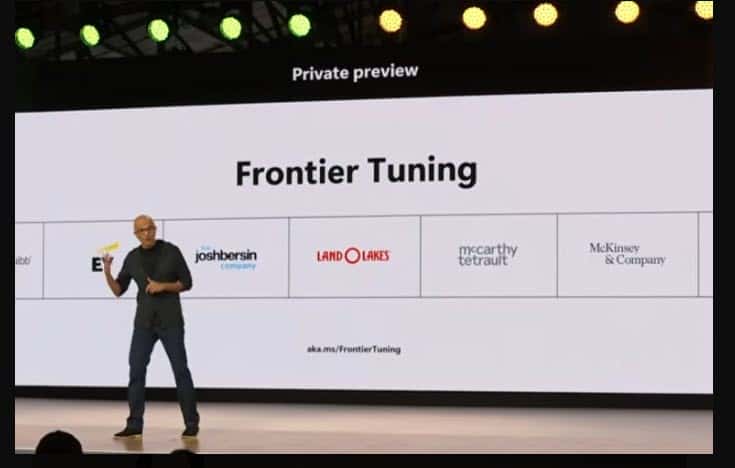
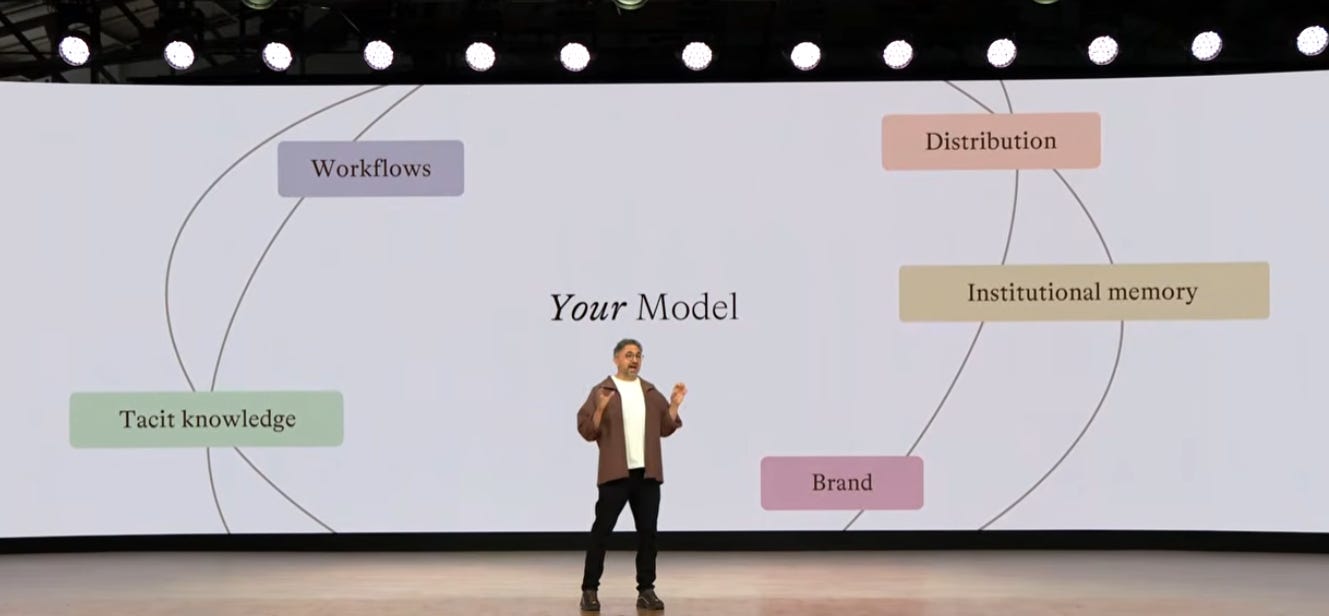
Microsoft’s recent productization of this capability, allowing organizations to "fine-tune" their own Copilots, marks a pivotal moment. This feature empowers IT and HR departments to directly input company policies, hiring guides, compensation practices, onboarding protocols, and any other critical operational data. The result is an "institutionalized" AI system, deeply embedded and aligned with the organization’s operational fabric. This move directly addresses a key challenge in enterprise AI adoption: ensuring that AI solutions are not generic but are tailored to the specific operational realities and strategic goals of each business.
Further innovation comes in the form of Microsoft’s "Reinforcement Learning Environment," also referred to as "Frontier Tuning." This system distinguishes itself from Retrieval-Augmented Generation (RAG) implementations by enabling AI agents to learn autonomously. Through real-world feedback from users, these agents can continuously update and improve their performance, mirroring human learning processes. This capability is crucial for maintaining the relevance and effectiveness of AI in rapidly evolving business environments.
Frontier Tuning and Autonomous Learning: The Future of Enterprise AI
The concept of Frontier Tuning was prominently showcased at the Build 2024 conference in San Francisco. This event provided a platform to demonstrate how organizations can leverage this technology to embed not only third-party intelligence like Galileo but also their own proprietary operational practices. Microsoft CEO Satya Nadella, in his keynote address, underscored the strategic importance of this direction, emphasizing that the true value of an AI model lies in its customization and uniqueness to a specific company, rather than its broad, undifferentiated availability.
The "harness" layer of MS Copilot, a term defined to encompass the management of various AI models, allows for the integration of multiple AI engines, including those from OpenAI, Anthropic, Microsoft’s own models, and crucially, custom fine-tuned models. This architecture opens up possibilities for specialized AI agents within different departments. For instance, R&D teams could utilize fine-tuned models trained on confidential internal data, ensuring both innovation and data security.
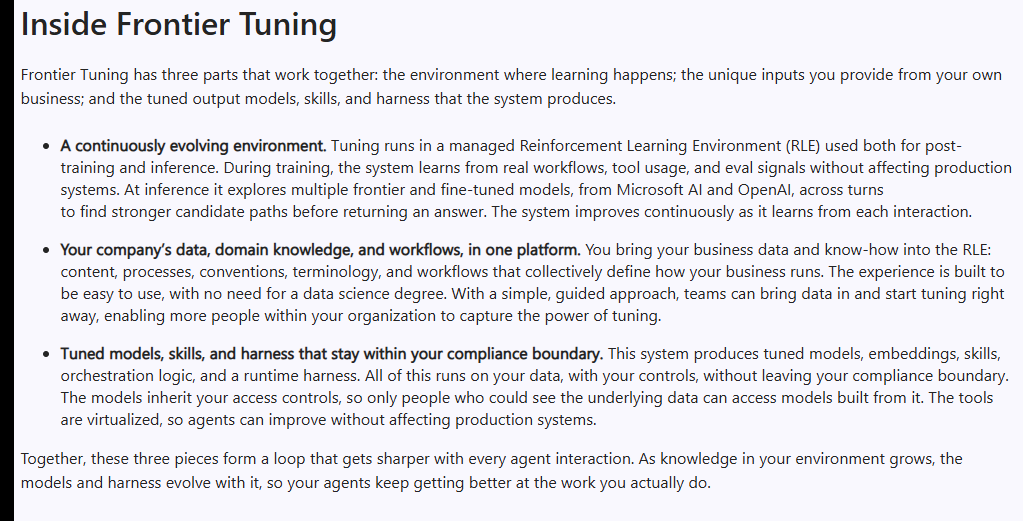
The underlying technology powering this self-improvement is autonomous reinforcement learning. Microsoft’s "Agent Lightning" project, which facilitates this process, allows AI agents to learn from the utility of their actions over time. By activating this reinforcement learning capability, organizations can enable their AI models to continuously adapt and enhance their performance based on user interactions and outcomes.
A compelling real-world example cited by Microsoft involves an internal crisis management agent. Initially effective, the agent required updates to address new challenges arising from geopolitical events like the war in Ukraine and subsequent conflicts. The reinforcement learning feature allowed this agent to autonomously update itself with new policies and procedures necessary to manage unprecedented employee scenarios, such as those involving lack of internet access, communication disruptions, and the urgent need for family relocation. This demonstrates the resilience and adaptability that autonomous learning brings to enterprise AI.
While other methods exist for "training" MS Copilot, such as the Microsoft Graph Connector, which integrates data from SharePoint, PowerPoint, Word, Outlook, and other Microsoft 365 applications, Frontier Tuning with reinforcement learning offers a more deeply integrated and adaptive learning mechanism. These alternative methods provide Copilot with access to vast amounts of organizational data but may not achieve the same level of ingrained operational learning as the reinforcement learning environment.
Microsoft’s Strategic Leap with New AI Models
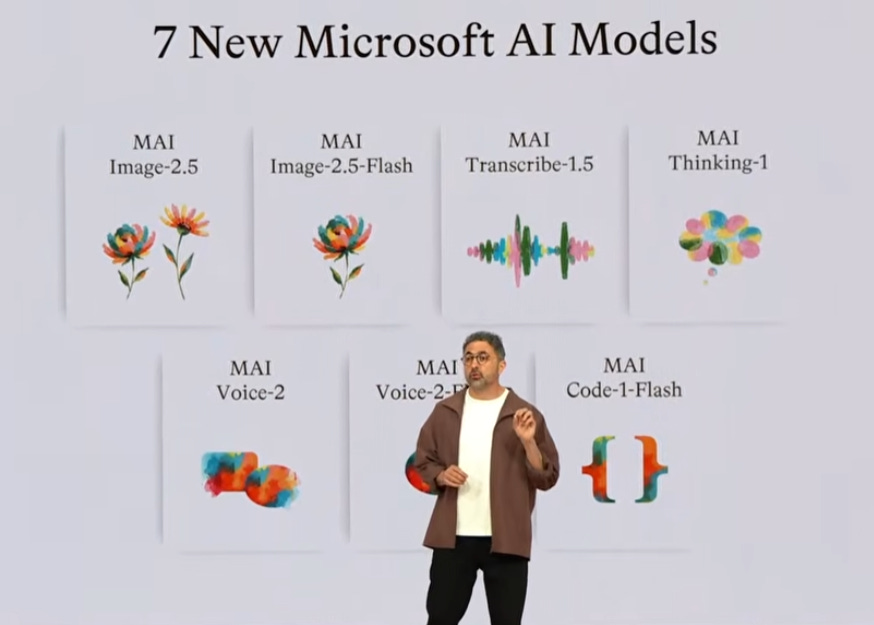
Beyond the advancements in AI customization, Microsoft has also made significant strides in developing its own suite of AI models. Announcing the launch of seven new models, optimized for specific business use-cases, marks a strategic pivot. This initiative, spearheaded by Mustafa Suleyman, aims to provide organizations with efficient, cost-effective, and ethically sourced AI solutions.
Historically, Microsoft’s reliance on partnerships, particularly with OpenAI, constrained its ability to develop cutting-edge proprietary models. However, with this new development, Microsoft is actively building rivals to established models like Anthropic’s Claude and OpenAI’s GPT series. This move is driven by both strategic ambition and economic considerations. By offering its own models, Microsoft can significantly reduce its operational costs, as noted by Suleyman, who stated the goal is to "reduce and ultimately eliminate" the substantial payments made to third-party AI providers.
These new Microsoft-developed models are designed for high efficiency and are built with clean, licensed data, avoiding the ethical and legal complexities associated with models trained on broadly scraped internet content. This approach is particularly attractive to businesses concerned about intellectual property and data provenance.
A key differentiator highlighted is the data privacy aspect. Unlike some third-party models where user data can be used for further training and shared with other customers (unless specific opt-outs are configured), Microsoft’s new models are engineered to keep organizational data proprietary. This is crucial for enterprises that handle sensitive information and require assurances that their intellectual property will not be inadvertently exposed.
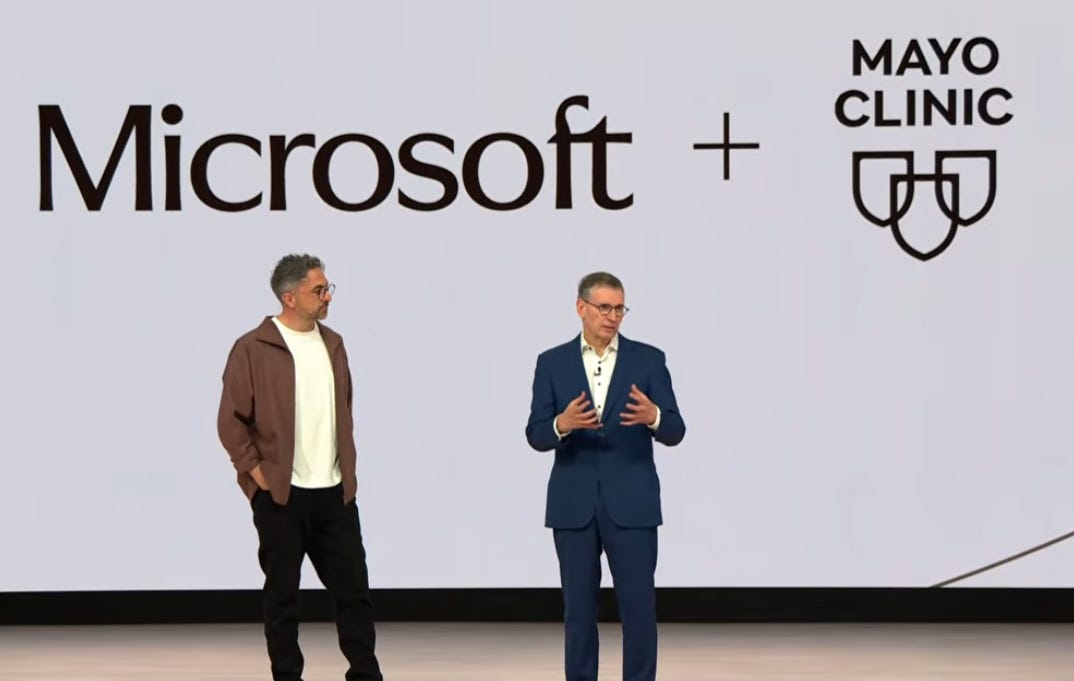
The implications for businesses are substantial. For instance, Mayo Clinic is collaborating with Microsoft to develop a "New Frontier Model for Healthcare." This specialized model is intended to assist clinicians by providing deep insights into effective clinical practices, mirroring the approach taken in developing HR and management best practices. This specialization underscores the trend toward domain-specific AI solutions that deliver highly relevant and actionable intelligence.
Another notable example is Land-O-Lakes, which has been testing Microsoft’s MAI-Thinking-1 reasoning model. By fine-tuning this model with thousands of internal documents, Microsoft Teams messages, and Outlook emails related to its butter formulation process, the company achieved remarkable results. According to Microsoft senior product manager Tanaya Yadav, the customized MAI-Thinking-1 model proved to be more accurate and ten times more cost-efficient than OpenAI’s GPT-4.5, demonstrating the tangible benefits of enterprise-specific AI tuning.
These advancements were further elaborated upon through demonstrations at Build 2024, showcasing the practical application of these fine-tuned Copilots, particularly for HR onboarding processes. This hands-on evidence reinforces Microsoft’s commitment to providing tangible solutions for enterprise AI challenges.
Broader Impact and Future Outlook
The strategic direction Microsoft is taking with its Enterprise AI offerings appears robust, driven by a clear understanding of the evolving needs of businesses. The combination of Frontier Tuning, enabling deep customization and autonomous learning, with the development of proprietary, efficient, and secure AI models, positions Microsoft as a formidable player in the enterprise AI market.
The company’s emphasis on creating an open "harness" for AI models, allowing for the integration of various providers alongside Microsoft’s own, suggests a commitment to flexibility and choice for its enterprise customers. This approach acknowledges that different use cases may benefit from specialized models, and it provides a unified platform for managing these diverse AI resources.
The implications extend beyond just efficiency gains. By making AI agents more intelligent, adaptable, and aligned with specific corporate identities, Microsoft is paving the way for a future where AI is not merely a tool but an integral, evolving component of business operations. This could lead to significant shifts in workforce dynamics, operational workflows, and the very definition of competitive advantage in the digital age.
The journey towards fully realizing the potential of enterprise AI is ongoing, but Microsoft’s recent announcements indicate a clear and compelling path forward. The company’s investment in customizability, autonomous learning, and proprietary model development signals a long-term strategy aimed at empowering businesses to harness the full transformative power of artificial intelligence in a secure, efficient, and uniquely tailored manner. As organizations continue to navigate the complexities of digital transformation, these advancements offer a promising framework for integrating AI as a core strategic asset.







