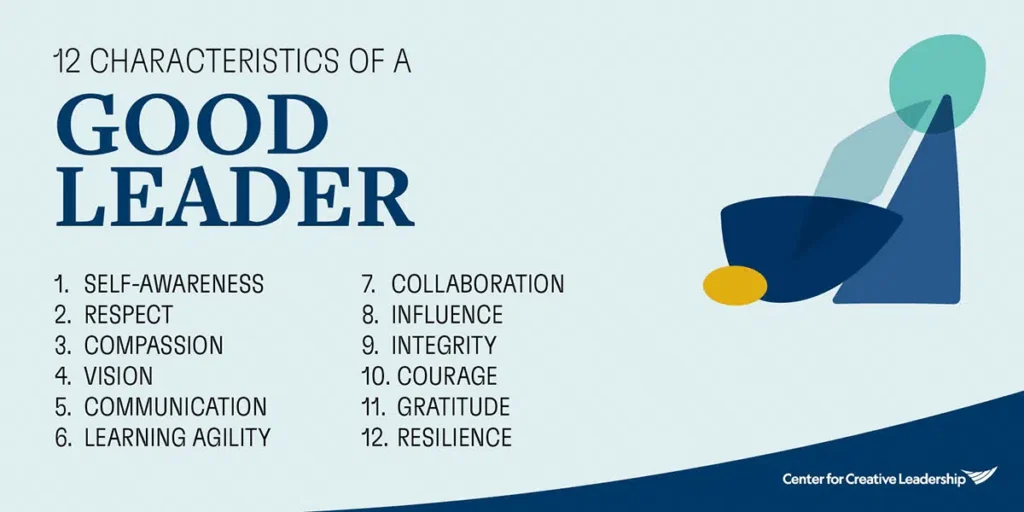
Leaders are the architects of our teams, organizations, communities, and indeed, the world. They are instrumental in navigating complex challenges, guiding collective efforts, and making the crucial decisions, both monumental and mundane, that propel progress forward. While society often possesses a keen ability to identify detrimental leadership, pinpointing the hallmarks of an exceptional leader requires a deeper examination. Drawing upon decades of extensive research and practical engagement with leaders across thousands of organizations globally, the Center for Creative Leadership (CCL) has identified a core set of fundamental qualities and skills that consistently distinguish outstanding leadership.
The Pillars of Exemplary Leadership
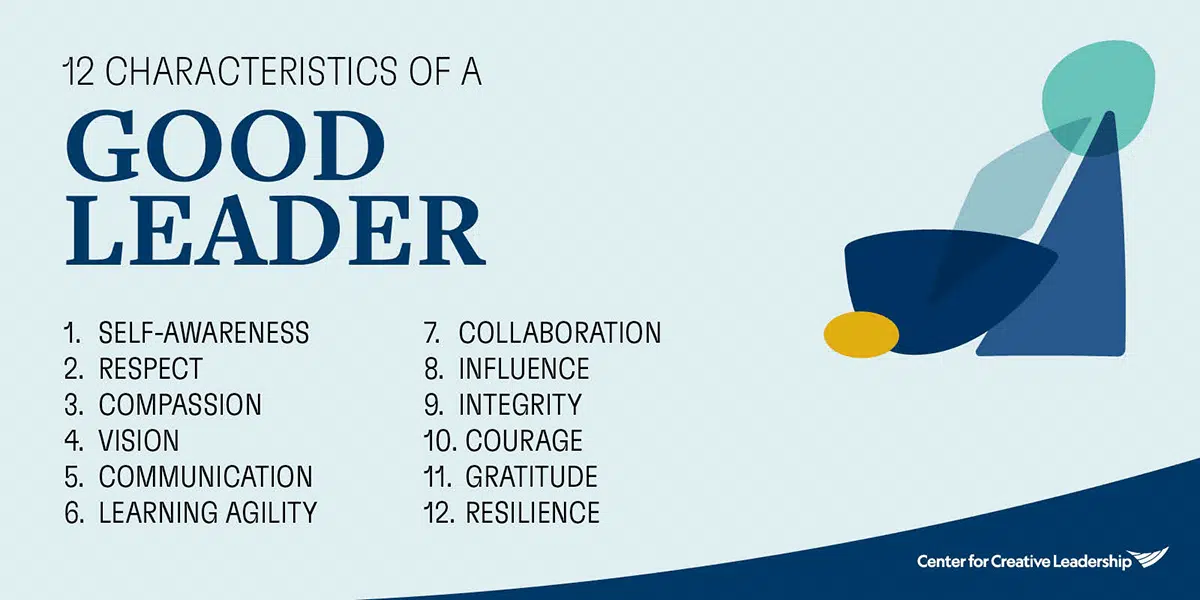
These twelve essential leadership traits form the bedrock of effective guidance and organizational success. They are not innate talents possessed by a select few, but rather developable competencies that can be cultivated through conscious effort and strategic development.
1. Self-Awareness: The Foundation of Effective Leadership
At the core of impactful leadership lies self-awareness—a profound understanding of one’s own personality, behaviors, emotional responses, and inherent anxieties. This introspective quality, coupled with humility, is paramount. The more acutely a leader comprehends their strengths and weaknesses, the more adept they become at navigating their role. This involves understanding how one is perceived by others and how their presence impacts professional and personal environments. Research indicates that dedicating time to explore the multifaceted aspects of self-awareness can significantly enhance leadership efficacy. For instance, a study by Deloitte found that self-aware leaders are 11% more likely to be high performers and are 15% more likely to have high retention rates within their teams.
2. Respect: Cultivating Trust and Belonging
Demonstrating consistent respect is arguably one of the most critical contributions a leader can make. It serves to de-escalate tensions, foster robust trust, and amplify overall effectiveness. Creating a culture where respect is the norm extends beyond the mere absence of disrespect; it involves actively valuing diverse perspectives and making concerted efforts to build a sense of belonging within the workplace. This inclusive environment is a critical component of a healthy organizational culture. According to a 2021 study by McKinsey, companies with a strong sense of belonging are 2.3 times more likely to report higher levels of employee engagement and innovation.
3. Compassion: Action-Oriented Empathy
Compassion in leadership transcends mere empathy or active listening; it demands action. When individuals share concerns or raise issues, they expect their leaders to respond meaningfully. Researchers at CCL have found that a lack of subsequent action can leave individuals feeling unheard. Compassionate leadership, therefore, involves translating understanding into tangible steps, which in turn builds trust, enhances collaboration, and demonstrably reduces employee turnover. Companies that prioritize compassionate leadership often report lower attrition rates, with some studies showing a reduction of up to 10% in voluntary turnover.
4. Vision: Charting the Course for the Future
Vision represents a leader’s aspiration for what lies ahead. The ability to articulate this future state in a compelling manner and to inspire commitment from others is fundamental. Connecting daily tasks and individual values to the overarching organizational direction is crucial for fostering a sense of purpose among team members. This connection imbues work with meaning, leading to increased engagement, reinforced trust, and a clearer prioritization of efforts. Effective communication of this vision is key, ensuring it is understood, remembered, and ultimately championed by the team. Organizations with a clear, communicated vision often outperform their peers by as much as 30% in revenue growth, according to research by the Harvard Business Review.
5. Communication: The Art of Connection and Clarity
Communication manifests in numerous forms, from disseminating information and crafting compelling narratives to actively soliciting feedback and employing active listening techniques. Exceptional leaders are adept communicators across various mediums—oral and written—and can effectively engage with individuals from diverse backgrounds, roles, and hierarchical levels. The intricate link between leadership and communication directly impacts the success of business strategies. A breakdown in communication can lead to significant project delays and financial losses. Conversely, clear and consistent communication can improve project success rates by up to 25%.

6. Learning Agility: Navigating the Unknown
Learning agility is the critical capacity to know what to do when faced with unfamiliar situations. Individuals who are quick learners and thrive in novel circumstances often exhibit this trait. However, learning agility is a skill that can be cultivated through deliberate practice and dedication. As the adage suggests, great leaders are fundamentally great learners. In a rapidly evolving business landscape, companies that foster learning agility within their workforce are better positioned to adapt to market shifts and technological advancements. A study by Korn Ferry indicated that organizations with highly agile workforces are 2.5 times more likely to outperform their competitors financially.
7. Collaboration: The Power of Collective Action
Collaboration is characterized by a leader’s ability to work effectively with a diverse range of colleagues, irrespective of their social identities, geographical locations, roles, or experiences. In an increasingly interconnected and complex world, effective leaders adeptly span boundaries and bridge divides, dismantling organizational silos. Valuing and actively promoting collaboration, whether within immediate teams or across departments, yields numerous benefits, including enhanced workplace connection, increased innovation, deeper trust, higher-performing teams, and improved employee engagement and motivation. A report by the HBR Ascend highlighted that collaborative teams are 50% more likely to achieve higher innovation outcomes.
8. Influence: Persuasion Through Authenticity
Influence, the ability to persuade others through thoughtful means, is a vital trait for inspiring and effective leaders. While the term "influence" might sometimes carry negative connotations, leaders are inherently required to influence their teams to achieve objectives, as they cannot accomplish everything single-handedly. True influence, distinct from manipulation, must be executed with authenticity and transparency, demanding high levels of emotional intelligence and trust. Leaders who cultivate strong influence can drive initiatives more effectively, leading to an estimated 20% improvement in project completion rates.
9. Integrity: The Bedrock of Trust
Integrity—characterized by consistency, honesty, morality, and trustworthiness—is an indispensable leadership trait for both individuals and the organizations they lead. This is particularly crucial for senior executives tasked with charting organizational direction and navigating complex decision-making processes. Research has identified leader integrity as a potential blind spot for organizations, underscoring the importance of reinforcing honesty and ethical conduct at all organizational levels. A study published in the Journal of Business Ethics found that high integrity in leadership is directly correlated with increased employee loyalty and reduced instances of unethical behavior.
10. Courage: Embracing Bold Action
Courage empowers both team members and leaders to take bold, decisive actions that drive progress. Speaking up in the workplace—whether to propose a new idea, offer feedback, or raise a concern—often requires significant bravery. Courage is therefore a key leadership trait, enabling individuals to do what is right. Leaders who foster psychological safety create an environment where team members feel empowered to voice their opinions and concerns freely, without fear of reprisal. This cultivates a culture of courage and candid communication, leading to more robust problem-solving and a more resilient organization. Companies with high psychological safety report 21% higher profitability.
11. Gratitude: The Uplifting Emotion
Gratitude, the emotion experienced upon receiving something of value, offers significant benefits, including enhanced self-esteem, reduced feelings of depression and anxiety, and improved sleep quality. Sincere gratitude can profoundly impact leadership effectiveness. Despite its benefits, expressions of thankfulness are often infrequent in professional settings, even though most individuals express a willingness to work harder for an appreciative boss. Leaders who consistently demonstrate gratitude in the workplace foster a more positive and motivating environment. A Gallup poll indicated that employees who feel recognized are twice as likely to report being engaged.
12. Resilience: Adaptive Strength in the Face of Adversity
Resilience is not merely the ability to bounce back from setbacks; it is the capacity to respond adaptively to challenges. Resilient leaders project a positive outlook, bolstering their teams’ emotional fortitude and their collective commitment to shared visions. This resilience also fuels the courage needed to move forward and overcome obstacles. Effective leaders prioritize their own well-being and that of their teams, recognizing that resilience is integral to sustained performance. Organizations that invest in employee well-being and resilience training often experience a significant decrease in stress-related absenteeism and an increase in overall productivity, with some reports indicating a 15-20% boost in performance.
Three Foundational Truths About Effective Leaders
The Center for Creative Leadership’s nearly six decades of research have solidified three core beliefs about the nature of effective leadership.
1. Leaders are Developed, Not Born
A fundamental tenet of CCL’s philosophy is that leadership is a cultivated skill, not an inherent trait. Exceptional leaders are shaped through a confluence of experiences, continuous learning, deliberate effort, and adaptability. This means that any of the twelve identified characteristics can be strengthened through a commitment to growth, a willingness to learn from experiences, and dedicated self-improvement. Organizations play a pivotal role in this development by providing robust training opportunities, encouraging learning from challenges, and offering access to mentorship and coaching programs. Companies that invest in leadership development programs often see a significant return on investment, with improved employee retention and a stronger talent pipeline.
2. Leadership is a Social Process
Effective leadership is less about the singular charisma of an individual and more about the collective efforts of a group working harmoniously towards shared goals. A leader, however skilled, will struggle to achieve significant organizational objectives without understanding this fundamental principle. While well-liked and respected, an isolated leader will find it challenging to drive team or organizational success. CCL defines leadership as a social process, where the outcomes are measured by the collective Direction, Alignment, and Commitment (DAC) achieved within a group. This collaborative approach fosters greater buy-in and sustainable achievement.
3. Leadership is an Ongoing Journey
Leadership is not a static destination but a continuous journey of growth and adaptation. The core leadership skills remain relevant across all levels, organizations, and industries. Different teams, projects, and circumstances present unique challenges, necessitating a flexible application of leadership qualities and competencies. Therefore, ongoing learning and development are paramount. Individuals who embrace continuous learning and remain adaptable will cultivate a long and successful career as agile leaders.
Cultivating and Nurturing Leadership Qualities
Organizations can significantly enhance leadership capabilities and foster deeper employee engagement by offering diverse on-the-job learning experiences, robust mentorship programs, and formal development opportunities. The Center for Creative Leadership collaborates with organizations worldwide on award-winning leadership development initiatives.
However, individuals need not wait for formal organizational support to begin strengthening their leadership qualities. Proactive development is achievable. By downloading action guides and visual summaries of leadership characteristics, individuals can gain practical tools and reminders. Furthermore, understanding how to effectively advocate for investment in one’s own leadership development can be a crucial step.
Embracing the Path Forward
For those ready to embark on or continue their leadership development journey, a wealth of resources is available. By downloading comprehensive guides on the characteristics of effective leadership, individuals can gain immediate access to actionable insights. Staying informed about exclusive leadership insights and tips through subscribing to newsletters ensures a continuous stream of research-based articles, webinars, resources, and guides delivered directly to one’s inbox. The commitment to ongoing learning and growth is the hallmark of an effective leader, paving the way for sustained impact and career advancement.