
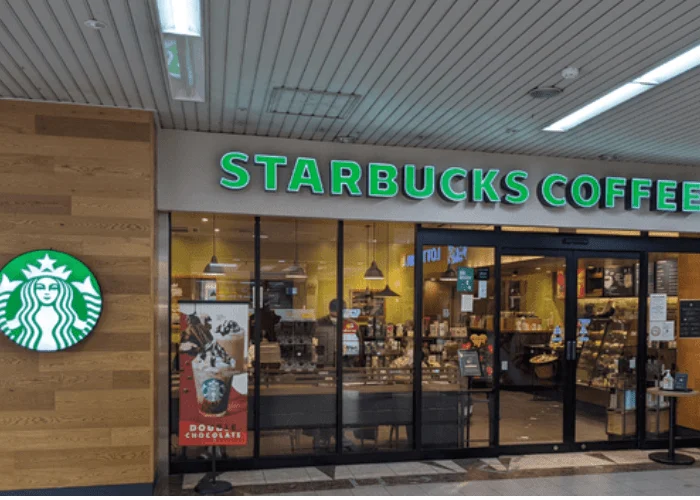
Starbucks, the global coffeehouse giant, has initiated the final phase of a previously announced corporate reorganization, resulting in the layoff of more than 200 employees. The company formally filed a notice detailing these planned job cuts, which are primarily set to impact employees within its corporate operations. The roles most affected are anticipated to be concentrated within the coffeehouse and design teams, signaling a targeted adjustment to internal functions rather than a broad, company-wide downsizing. Starbucks has explicitly stated that these current reductions do not signify a fresh round of restructuring but represent the conclusion of a strategic workforce re-evaluation that has been underway.
The Genesis of Reorganization: A Strategic Imperative
The roots of this corporate reorganization stretch back to earlier strategic shifts aimed at enhancing efficiency, streamlining operations, and adapting to a rapidly evolving consumer landscape. In recent years, Starbucks has navigated a complex environment marked by the lingering effects of the global pandemic, shifts in work-from-home trends, intensifying competition, and inflationary pressures impacting both supply chains and consumer spending. Under the leadership of CEO Laxman Narasimhan, who took the helm in March 2023, the company has emphasized a renewed focus on store operations, partner (employee) experience, and digital innovation to drive profitable growth.
This strategic pivot began taking shape even before Narasimhan’s full transition into the CEO role. Former CEO Howard Schultz, who returned for an interim period, laid the groundwork for a comprehensive "Reinvention Plan" in late 2022. This plan outlined significant investments in partner wages and training, store technology, equipment upgrades, and a more streamlined operational model designed to improve throughput and customer experience. A key component of this reinvention involved reassessing the corporate structure to ensure it was agile enough to support these ambitious goals, leading to the initial announcement of the reorganization. The objective was to create a more responsive and efficient corporate ecosystem that could better support the company’s vast network of retail stores and its evolving product and service offerings.
A Detailed Timeline of Corporate Adjustments
The current layoffs are the culmination of a process that has unfolded over several quarters. While the specific initial announcement date for this particular reorganization phase isn’t detailed in the immediate notice, major companies typically telegraph such strategic shifts well in advance. For Starbucks, the broader "Reinvention Plan" was unveiled in September 2022, detailing multi-year investments totaling approximately $450 million. This plan inherently suggested a re-evaluation of how resources, including human capital, would be allocated across the organization.
Throughout 2023, Starbucks has progressively refined its operational strategies. This has included a renewed focus on core beverage offerings, optimization of its drive-thru and mobile order-and-pay capabilities, and the rollout of new store formats designed for efficiency and convenience. These operational changes often necessitate corresponding adjustments at the corporate level, particularly within teams responsible for store design, product development, supply chain management, and overall operational strategy. The current wave of layoffs, therefore, aligns with a phased implementation of these broader strategic objectives, ensuring that the corporate workforce is aligned with the company’s forward-looking priorities and leaner operating model. This methodical approach aims to minimize disruption while ensuring that the company achieves its long-term strategic goals.
The Relocation Dilemma: Nashville as a Key Hub
A significant aspect of the current workforce reduction involves a corporate relocation strategy. Starbucks had reportedly offered some of the affected employees the option to retain their positions by moving to Nashville, Tennessee. Nashville serves as a crucial hub for Starbucks, housing its Southeast corporate office, which plays an increasingly important role in the company’s regional and national operations. This move to consolidate certain functions in specific geographical locations is a common strategy employed by large corporations seeking to enhance collaboration, reduce overheads associated with distributed teams, and potentially tap into new talent pools or benefit from regional economic incentives.
However, such relocation mandates present a substantial challenge for employees. The decision to move involves significant personal and professional considerations, including family commitments, spousal employment, housing markets, and social networks. For many, uprooting their lives is not a feasible option, regardless of their desire to remain with the company. Consequently, those who either could not or chose not to relocate to Nashville are among the employees now impacted by these layoffs. This highlights the dual nature of corporate centralisation: while it can offer strategic advantages for businesses by bringing functions together, it often comes at the cost of job security for employees unable or unwilling to make the move, irrespective of their performance or tenure. This dynamic underscores the complex human element inherent in large-scale corporate restructuring initiatives.
Impact on Key Functions: Coffeehouse and Design Teams
The particular emphasis on coffeehouse and design teams bearing the largest share of job losses is noteworthy. This suggests a strategic recalibration of how Starbucks approaches its physical store presence and product innovation. In a post-pandemic world, where consumer habits have shifted towards greater convenience, digital ordering, and drive-thru services, the role of traditional coffeehouse design and in-store experience is evolving.
Starbucks has been investing heavily in optimizing its store formats for speed and efficiency, including smaller "pickup" stores and enhanced drive-thru capabilities. This might lead to a reduced need for certain roles within design and development that focused on larger, more traditional café footprints or specific aspects of the in-store experience that are now being streamlined. Similarly, "coffeehouse" functions could refer to teams involved in operational standards, regional management, or specific product development cycles related to the in-store experience. A consolidation or re-prioritization of these functions could lead to redundancy in roles as the company aims for a more unified and efficient approach to its global store portfolio and beverage innovation strategy. The move could indicate a shift towards a more modular, data-driven approach to store design and operational execution, requiring a different set of skills or a leaner team structure at the corporate level.
Supporting Data and Industry Landscape
While the "more than 200" figure represents a significant impact on the individuals affected, it needs to be viewed in the context of Starbucks’ colossal global workforce. As of fiscal year 2023, Starbucks employed approximately 402,000 partners worldwide, with a substantial portion of these being store-level employees. The corporate layoffs represent a relatively small fraction of the overall employee base, indicating a targeted adjustment within the administrative and strategic functions rather than a mass reduction across the entire organization.
Financially, Starbucks has demonstrated resilience, though not without challenges. For its fiscal year 2023, the company reported record revenue of $36.0 billion, a 12% increase from the previous year. Global comparable store sales increased by 8%, driven by a 5% increase in average ticket and a 3% increase in comparable transactions. Despite this growth, the company faces persistent inflationary pressures and a highly competitive market, particularly in North America and China. Maintaining profit margins and delivering shareholder value often necessitates efficiency drives and cost optimizations at the corporate level.
The retail and food service sectors have seen numerous corporate restructurings in recent years. Many companies, from technology giants to traditional retailers, have undertaken similar workforce reductions as they adapt to post-pandemic realities, technological advancements, and economic uncertainties. This trend underscores a broader corporate imperative to operate with greater agility and cost-effectiveness. Starbucks’ actions are thus not isolated but reflect a wider industry movement towards optimizing organizational structures to meet evolving business demands. The decision to consolidate functions and streamline corporate teams is a common playbook for mature companies seeking to enhance their competitive edge and ensure long-term sustainability.
Official Commentary and Stakeholder Reactions
Starbucks has been proactive in clarifying that these layoffs are the conclusion of its existing reorganization efforts, rather than the start of a new round of restructuring. This distinction is crucial for managing internal morale and external perceptions. Such statements are often designed to reassure remaining employees and investors that the company is moving towards stability after a period of adjustment.
It can be logically inferred that Starbucks will offer comprehensive support packages to the affected employees. These typically include severance pay, continuation of benefits for a specified period, and outplacement services to assist individuals in finding new employment. Such measures are standard practice for reputable corporations during workforce reductions, aimed at mitigating the immediate financial and professional impact on departing staff and maintaining a positive brand image.
From an investor perspective, targeted corporate layoffs are often viewed favorably, particularly when presented as part of a broader strategy to enhance efficiency and optimize costs. Analysts generally interpret such moves as a commitment to fiscal discipline and a proactive approach to organizational health, which can positively influence stock performance over the long term. For employees, however, the experience is profoundly personal. While some may appreciate the option to relocate, the decision often comes with significant personal upheaval. For those unable to move, the job loss can be a source of considerable stress and uncertainty, regardless of severance packages.
Broader Implications: Efficiency, Morale, and Future Strategy
The finalization of this corporate reorganization carries several significant implications for Starbucks. Primarily, it is expected to result in a leaner, more agile corporate structure, better equipped to support the company’s strategic priorities. The consolidation of functions, particularly in key hubs like Nashville, aims to foster greater collaboration and operational synergy, potentially leading to faster decision-making and more efficient execution of initiatives.
However, corporate restructurings, even when presented as concluding phases, can have an impact on the morale of the remaining workforce. Employees may experience increased workload, uncertainty, or a sense of unease following colleagues’ departures. Starbucks will need to focus on transparent communication and strong leadership to maintain a positive and productive work environment. The company’s emphasis on its "Reinvention Plan" and its investments in store partners will be crucial in demonstrating its commitment to its overall workforce and future growth.
The decision also underscores the evolving nature of corporate work and the increasing expectation of mobility for certain roles. As companies seek greater efficiencies, the centralization of teams and functions is likely to remain a prevalent strategy. This places a premium on adaptability for employees and highlights the need for companies to balance strategic business needs with a compassionate approach to workforce management.
In conclusion, these final corporate workforce reductions at Starbucks mark the culmination of a deliberate strategy to streamline operations and align its corporate structure with its long-term growth ambitions. While impacting over 200 individuals, the company frames it as an essential step towards enhanced efficiency and a more focused approach to serving its customers and partners globally, positioning itself for continued resilience and success in a dynamic global market.








