
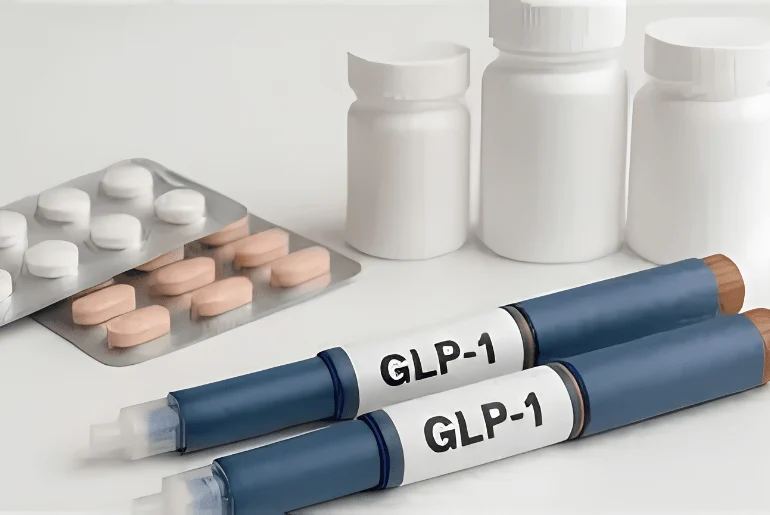
PepsiCo Inc., the global food and beverage giant known for brands like Mountain Dew, Cheetos, and Doritos, has announced a significant change to its employee health benefits, discontinuing insurance coverage for prescription weight-loss medications for a segment of its workforce, effective October. This decision comes as the cost of Glucagon-Like Peptide-1 (GLP-1) receptor agonist drugs, a class of highly effective medications used for chronic weight management, has surged dramatically, placing immense financial strain on employer-sponsored health plans.
Staff members were formally notified of the policy change earlier this week via an email dispatched by Express Scripts, the pharmacy benefits manager (PBM) under Cigna Group. The internal communication, which has since been reviewed by Bloomberg, explicitly stated that weight-loss medications have become "one of the fastest-growing costs in the PepsiCo plans." The company justified its decision by asserting that dropping coverage for these specific drugs would contribute to "maintain a healthcare programme that is sustainable and affordable for all PepsiCo employees."
For employees currently utilizing these medications or those considering them, PepsiCo indicated that continued treatment would necessitate payment outside of the company’s health plans. The email notably highlighted the emergence of new "cash-pay affordability pathways" for commonly prescribed weight-loss drugs, options that were not previously readily available to individual patients seeking to purchase these medications without insurance coverage. This pivot signals a shifting responsibility for healthcare costs directly onto the shoulders of employees, particularly concerning a class of drugs that have garnered both widespread acclaim for their efficacy and significant debate over their price.
The Ascent of GLP-1 Medications and Their Financial Implications
The pharmaceutical landscape has been profoundly reshaped by the advent of GLP-1 receptor agonists. Originally developed and approved for the management of Type 2 diabetes, drugs like Novo Nordisk’s Ozempic quickly demonstrated a potent side effect: significant weight loss. This led to the development and subsequent approval of higher-dose formulations specifically for chronic weight management, such as Wegovy (semaglutide) from Novo Nordisk and Zepbound (tirzepatide) from Eli Lilly.
These "blockbuster" drugs work by mimicking a natural gut hormone, GLP-1, which helps regulate blood sugar, slow gastric emptying, and promote feelings of fullness, thereby reducing appetite. Their clinical trials have shown remarkable results, with patients achieving substantial and sustained weight loss, often exceeding 15% of their body weight, along with improvements in various cardiometabolic markers. This efficacy has fueled unprecedented demand, transforming GLP-1s into some of the most sought-after and prescribed medications globally.
However, this medical breakthrough comes with a hefty price tag. The monthly cost for these medications without insurance can range from approximately $1,000 to over $1,300. For an employer covering thousands of employees, and considering the high prevalence of obesity and overweight individuals in the general population, the potential financial outlay for widespread GLP-1 coverage quickly becomes astronomical. Industry estimates suggest that if all eligible employees within a large corporation were to utilize these drugs, the annual cost could easily run into tens or even hundreds of millions of dollars, representing a significant portion of a company’s total healthcare budget.
A Broader Corporate Pullback: PepsiCo Joins a Growing Trend
PepsiCo’s decision is not an isolated incident but rather indicative of a wider trend sweeping across corporate America. Faced with escalating healthcare expenditures, an increasing number of employers and insurers are re-evaluating their coverage policies for GLP-1 weight-loss drugs. The initial enthusiasm for these transformative medications is now being tempered by mounting budget concerns.
Recent surveys underscore this shift. A comprehensive survey conducted by Mercer, a global consulting firm, revealed that six percent of large employers had already ceased coverage for weight-loss drugs in 2023, with an additional five percent planning to do so in 2024. Another illuminating study by the Business Group on Health, which tracks employer health benefit strategies, found a notable decline in coverage among large employers, falling to 60 percent this year from 72 percent just last year. This rapid contraction in coverage highlights the acute financial pressure these drugs are exerting on employer-sponsored health plans.
Employers are exploring various strategies to manage these costs. Some, like PepsiCo, are opting for outright removal of coverage. Others are implementing stricter eligibility criteria, limiting coverage only to individuals with a Type 2 diabetes diagnosis or those with a very high Body Mass Index (BMI) alongside specific comorbidities, rather than for general weight management. Prior authorization requirements, step therapy protocols, and tiered coverage structures are also becoming more common as companies attempt to control access and expenditure.
The Role of Pharmacy Benefits Managers (PBMs) and Industry Insights
Pharmacy benefits managers like Express Scripts play a pivotal role in the complex ecosystem of prescription drug coverage. They act as intermediaries between drug manufacturers, pharmacies, and health plans, negotiating drug prices, processing claims, and managing formularies—the list of drugs covered by an insurance plan. While PBMs strive to secure the best possible prices for their clients, they are ultimately constrained by the list prices set by pharmaceutical companies and the sheer volume of demand.
Cigna Group CEO Brian Evanko, whose company owns Express Scripts, provided early indications of this trend during a July earnings call. Evanko noted that the growth in GLP-1 prescriptions had begun to moderate, with their pharmacy benefit arm observing declines in employer coverage and a slower utilization rate. This suggests that the market is already responding to the cost pressures, with employers, in consultation with their PBMs, making difficult decisions to manage their financial liabilities. The PBMs, caught between the pharmaceutical industry’s pricing strategies and employers’ budget constraints, are instrumental in advising on and implementing these coverage changes.
Impact and Implications for Employees and the Healthcare Landscape
PepsiCo’s decision, mirrored by a growing number of corporations, carries significant implications for its employees and the broader healthcare landscape.
For affected employees, the immediate impact is financial. Those who have been benefiting from GLP-1 medications for weight management will now face substantial out-of-pocket costs, potentially exceeding $12,000 to $15,000 annually. While the company pointed to "cash-pay affordability pathways," these typically involve manufacturer discount programs or coupons, which may still leave a considerable financial burden or have strict eligibility requirements. This shift could lead to treatment discontinuation for many, raising concerns about potential weight regain and the exacerbation of associated health conditions, such as hypertension, dyslipidemia, and pre-diabetes.
Beyond the individual financial strain, the move highlights a persistent ethical dilemma for employers: how to balance financial sustainability with employee well-being and equitable access to potentially life-changing treatments. While employers provide health benefits to attract and retain talent and maintain a healthy workforce, the escalating costs of advanced medications are forcing difficult trade-offs. This could create a two-tiered system of healthcare access, where those with the financial means can afford continued treatment, while others, equally in need, are left without.
From a broader economic perspective, the corporate pullback on GLP-1 coverage places additional pressure on pharmaceutical companies to justify their pricing strategies. While innovation is costly, the rapid and widespread adoption of these drugs, combined with their high price, has ignited intense debate about drug affordability and the sustainability of the current pharmaceutical pricing model. It may also spur greater scrutiny from policymakers and potentially lead to discussions about government intervention or pricing regulations, particularly as the prevalence of obesity continues to be a major public health concern.
The evolving situation also sheds light on the future of employer-sponsored health insurance. If highly effective, yet expensive, treatments for chronic conditions like obesity become routinely excluded, it could signal a broader trend towards more restrictive benefit designs. This could shift more of the financial responsibility for managing chronic diseases onto individuals, potentially exacerbating health disparities and creating a less comprehensive safety net for employees.
Looking Ahead: An Uncertain Future for GLP-1 Coverage
The landscape of GLP-1 coverage remains dynamic and uncertain. While the current trend suggests a tightening of access, several factors could influence future decisions. Ongoing research into the long-term health benefits of GLP-1s, beyond just weight loss (e.g., cardiovascular outcomes), could strengthen the argument for broader coverage if the long-term cost savings from preventing comorbidities outweigh the drug acquisition costs. Furthermore, the potential introduction of generic versions or biosimilars in the distant future could significantly drive down prices, making these medications more accessible and sustainable for employer plans.
In the immediate term, however, employers like PepsiCo are navigating a challenging environment where the desire to provide comprehensive benefits clashes with the stark realities of rising healthcare costs. The decision to discontinue GLP-1 weight-loss drug coverage is a stark illustration of the profound economic impact of groundbreaking medical innovations and the ongoing societal challenge of ensuring equitable access to effective treatments for chronic diseases. As companies continue to grapple with these complex issues, the balance between innovation, access, and affordability will remain at the forefront of the national healthcare debate.








