The transformative effects of employee recognition are demonstrably evident across all facets of an organization, manifesting in improved performance metrics, elevated morale scores, and a tangible boost in Monday morning motivation. For Human Resources departments and the C-suite, strategic recognition stands as a remarkably cost-effective lever for driving employee engagement and securing the retention of top talent. However, contemporary organizations are increasingly viewing recognition as more than just a mere employee experience initiative; it is a fundamental pillar of business performance and cultural resilience.
A comprehensive 2026 report from Harvard Business Review Analytic Services, drawing insights from 566 members of the Harvard Business Review audience, underscores a critical dichotomy: while a substantial 66% of leaders affirm that reward and recognition are "very important" to overall business performance, a mere 33% rate their existing programs as "very effective" in influencing these outcomes. This significant disparity highlights both the immense, untapped potential of recognition and the persistent execution gap that organizations worldwide are still striving to close. The report serves as a clarion call, signaling that while the awareness of recognition’s value is high, the strategic implementation often falls short, preventing companies from fully realizing its profound benefits.
The Evolving Landscape of Employee Engagement: A Background Context
The concept of employee recognition has evolved significantly from rudimentary annual awards to sophisticated, continuous feedback systems integrated with daily operations. This shift is particularly pertinent in the wake of global disruptions and evolving workforce expectations. The COVID-19 pandemic, for instance, fundamentally reshaped the employer-employee dynamic, accelerating trends such as remote work, flexible schedules, and a heightened demand for psychological safety and a sense of belonging at work. Phenomena like the "Great Resignation" and "Quiet Quitting" have further underscored the imperative for organizations to cultivate environments where employees feel valued, seen, and connected to a larger purpose. In this dynamic environment, employee recognition is no longer a luxury but a strategic necessity, directly impacting an organization’s ability to attract, retain, and motivate its workforce. The HBR report’s findings resonate deeply with this contemporary context, emphasizing that in a competitive talent market, generic appreciation is insufficient; what is needed are robust, effective, and integrated recognition programs.
Deep Dive: The Multi-Faceted Impact of Recognition
The positive ripple effect of meaningful recognition extends across every organizational level, from individual contributors to executive leadership. Its influence is deeply embedded in the psychological contract between an employee and their employer, fostering environments where trust, motivation, and productivity can flourish.
On Employees: Fostering Engagement, Motivation, and Loyalty
At the foundational level, recognition profoundly impacts individual employees, directly enhancing their engagement, motivation, job satisfaction, and long-term loyalty.
-
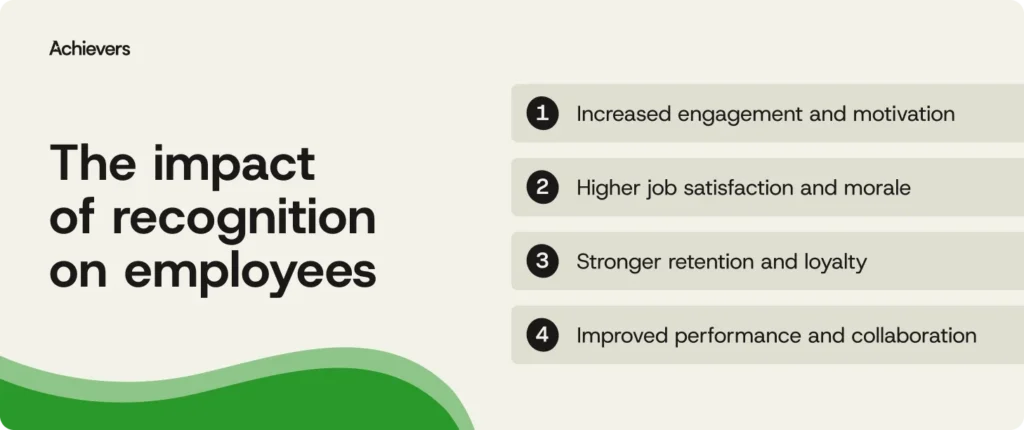
Increased Engagement and Motivation: Engaged employees are the bedrock of any successful organization. They exhibit greater resilience in the face of challenges, are more collaborative in team settings, and demonstrate a deeper investment in achieving organizational outcomes. Recognition serves as one of the most immediate and potent catalysts for boosting this engagement. By consistently highlighting specific contributions and behaviors, recognition clarifies for employees what truly matters to the organization. As Harvard Business School professor Amy Edmondson aptly states, "Nothing is more important than appreciation in shaping organizational culture and delivering on strategy." Frequent, concrete appreciation helps individuals reconnect with the intrinsic importance of their work, simultaneously reinforcing the behaviors and values the organization wishes to see replicated. This positive reinforcement loop is crucial for sustaining high levels of performance. Moreover, in a landscape where PwC’s Global Workforce Hopes and Fears Survey indicates that 26% of employees contemplate leaving their organization within the next year, meaningful recognition emerges as a critical tool for re-engaging and retaining this at-risk talent pool. It transforms abstract corporate values into tangible, daily experiences.
-
Higher Job Satisfaction and Morale: A strong sense of belonging is a primary driver of employee retention. Recognition cultivates this sense of belonging by making employees feel genuinely appreciated, not only for significant, "headline-worthy" achievements but also for the consistent, everyday efforts that keep the business operational. This continuous validation significantly contributes to higher job satisfaction and overall morale. It is no surprise, then, that Forbes reported 38% of HR leaders are strategically leveraging recognition and rewards programs to complement compensation discussions, acknowledging its power as a cost-effective retention tool. When employees feel seen and valued for their daily contributions, their perception of their workplace transforms from a mere job to a community where they are a vital part.
-
Stronger Retention and Loyalty: Recognition is instrumental in converting short-term successes into enduring loyalty. When individuals perceive themselves as more than just cogs in a machine – when they feel seen, supported, and valued for their unique contributions – they are significantly more inclined to commit to their organization long-term. Forbes research indicates that a robust sense of belonging, largely fostered by consistent recognition, can boost employee retention by an impressive 43% and increase estimated tenure by 84%. These figures underscore the powerful, yet often underestimated, impact of a simple "great job" or a more structured acknowledgment. Recognition programs, particularly those that are genuine and timely, reinforce the employee’s decision to stay, transforming transient engagement into deep-seated loyalty.
-
Improved Performance and Collaboration: Recognition provides a clear benchmark for exemplary work, inspiring others to emulate success. It effectively communicates what "good" looks like, encouraging a culture of continuous improvement. While Gallup reports that only 23% of employees currently feel engaged, there exists a significant opportunity to bridge this engagement gap through more frequent, real-time recognition. Such recognition not only motivates the individual being acknowledged but also serves as a learning tool for peers, fostering a collaborative environment where best practices are shared and celebrated. When captured and analyzed systematically, recognition data can unveil meaningful insights into collaboration patterns, values alignment, and emerging performance trends, providing business leaders with actionable intelligence to further optimize organizational dynamics.
On Managers: Empowering Leadership and Team Performance
Managers are the frontline implementers of organizational culture and strategy. Effective recognition empowers them to build stronger teams, foster trust, and enhance their leadership capabilities.
-
Better Team Performance: The correlation between manager recognition and team productivity is direct and significant. According to the State of Recognition Report (SOR), employees who receive weekly recognition are 2.6 times more likely to report peak productivity compared to those who never receive it, with monthly recognition yielding an 1.8 times greater likelihood. This data provides compelling evidence that consistent appreciation from managers directly translates into tangible improvements in team output. With 91% of employees stating that recognition motivates them to exert more effort, the return on investment (ROI) for manager-led recognition is undeniable and substantial.
-
Higher Trust and Stronger Relationships: Exceptional managers are not merely task delegators; they are architects of trust. Trust is painstakingly built through a series of small, meaningful interactions, with acknowledging effort and achievement being paramount. Research indicates that employees recognized by their managers are an astounding 19 times more likely to trust them. This foundational trust is critical for effective feedback, seamless collaboration, and overall team cohesion. When employees feel trusted and valued by their direct supervisors, communication channels open, psychological safety increases, and teams become more resilient and adaptive.
-
Improved Leadership Effectiveness: Effective leadership goes beyond achieving results; it involves earning trust, inspiring effort, and leading with clarity. Recognition plays a pivotal role in this. The Achievers Workforce Institute (AWI) highlights that employees who would recommend their manager are four times more likely to be engaged, suggesting that recognition is not just appreciated in the moment but deeply remembered and foundational to perceptions of leadership quality. Managers who consistently recognize their teams cultivate a positive influence that transcends daily tasks, fostering an environment of respect and mutual understanding.
-
Easier Performance Management: Traditional performance conversations can often be fraught with tension. However, recognition fundamentally shifts the focus from identifying shortcomings to celebrating successes and reinforcing positive behaviors. This simple yet profound shift changes the entire dynamic of performance management. When employees know their efforts are consistently noticed and appreciated, they are more likely to stay motivated, proactively course-correct when necessary, and take greater ownership of their professional development. Recognition transforms performance reviews into more constructive, forward-looking discussions, grounded in a history of acknowledged contributions rather than solely on areas for improvement.

On HR Teams: Strategic Imperatives and Cultural Stewardship
HR departments juggle myriad responsibilities, from culture building and retention strategy to data analysis and employer branding. Recognition streamlines and amplifies the effectiveness of these diverse roles.
-
Stronger Company Culture: A vibrant company culture is forged in the crucible of daily interactions, and recognition is a powerful tool for bringing organizational values to life. It translates abstract corporate ideals into visible, actionable behaviors, clearly communicating what truly matters within the organization and why individual work holds significance. By celebrating actions aligned with core values, HR can actively shape and reinforce the desired cultural fabric, ensuring that the company’s ethos is not merely written on a wall but actively lived and breathed by its employees.
-
Improved Employee Retention Metrics: A fundamental truth in talent management is that people rarely leave organizations where they feel genuinely seen, supported, and appreciated. Recognition is instrumental in creating such an environment. It cultivates a profound sense of belonging among employees, providing them with compelling reasons to commit long-term. By consistently fostering an appreciative atmosphere, HR teams can significantly improve retention rates, thereby reducing the substantial costs associated with employee turnover, including recruitment, onboarding, and lost productivity.
-
Data-Driven Insights on Engagement: Recognition platforms, particularly those integrated with broader HR systems, offer invaluable data-driven insights that traditional performance management systems often miss. The HBR report showcases how organizations like Workday leverage recognition data to surface nuanced information about collaboration patterns, performance trends, and strategically important behaviors across the workforce. Workday’s two-way integration between its recognition platform and its HR system led to a 70% year-on-year increase in employee feedback available to managers, creating a richer, more comprehensive picture of organizational performance. This data allows HR to move beyond guesswork, providing empirical evidence to inform strategic decisions regarding talent development, team structure, and cultural initiatives.
-
Enhanced Employer Brand: An organization’s employer brand is a direct reflection of its employees’ experiences and perceptions. Recognition provides employees with positive narratives to share, signaling to the wider talent market that the company genuinely values its people. This proactive demonstration of appreciation, rather than being confined to leadership or infrequent surveys, becomes a living testament to the company’s culture. A strong, positive employer brand, cultivated through consistent recognition, is a powerful magnet for attracting top talent and differentiating the organization in a competitive hiring landscape.
On Executive Leadership: Driving Strategic Alignment and Profitability
Executives are not merely strategists; they are the primary tone-setters for the entire organization. When recognition is woven into the fabric of executive leadership, its impact resonates powerfully throughout the enterprise, driving performance, alignment, and long-term success.
-
Higher Organizational Performance: Recognition directly correlates with superior organizational performance. Companies with robust recognition programs are 44% more profitable than those without, according to the Incentive Research Foundation. Furthermore, when employees feel genuinely recognized by leadership, their productivity can increase by 17% to 26%. These statistics highlight recognition as a potent driver of the bottom line, demonstrating that investing in appreciation yields significant financial returns by fostering a highly motivated and productive workforce.
-
Better Alignment with Business Goals: While a clear vision is paramount, its efficacy hinges on employees understanding how their daily efforts contribute to the overarching strategy. Recognition bridges this gap by transforming abstract goals into concrete, actionable behaviors. By publicly acknowledging contributions that align with strategic objectives, executives reinforce desired actions and provide clear guidance on priorities. David Bator, Managing Director of AWI, emphasizes this distinction, arguing that recognition achieves its greatest impact when intentionally linked to specific behaviors the business aims to reinforce. This strategic application of recognition ensures that every individual’s effort is channeled towards collective organizational success.
-
Improved Employee Experience and Culture: Culture is not a passive backdrop; it requires deliberate attention, intention, and, critically, recognition. When this recognition emanates from leadership, its impact is exponentially amplified. Research indicates that 77% of employees report working harder when they feel recognized by their leaders, managers, and peers. This top-down validation reinforces a culture of appreciation, creating an environment where employees feel valued, heard, and deeply connected to their work and their colleagues. Executive-led recognition sets a powerful precedent, permeating the entire organization and shaping a positive, inclusive employee experience.
-
Stronger Leadership Reputation: Employees remember how leaders make them feel. When leaders consistently and genuinely value their teams, trust is forged and sustained. Deloitte’s research indicates that companies led by trusted leadership outperform their peers by a staggering 400%. This trust also makes employees 1.5 times more likely to publicly defend their company and 33% less likely to actively seek new employment opportunities. Recognition, particularly from the executive level, signals empathy, transparency, and confidence – all qualities highly sought after in effective leadership. It builds a reputation for integrity and care, enhancing the organization’s standing both internally and externally.
The Recognition Effectiveness Gap: A Call to Action
The findings of the Harvard Business Review Analytic Services report, revealing a significant gap between the perceived importance of recognition and the actual effectiveness of current programs, present a compelling call to action for organizations globally. This "execution gap" suggests that many companies acknowledge the necessity of recognition but struggle with its consistent, strategic implementation. Challenges often include:
- Lack of Consistency: Recognition often remains episodic or tied to annual reviews rather than being a continuous, real-time practice.
- Insufficient Training: Managers may lack the training or tools to deliver effective, specific, and timely recognition.
- Non-Integrated Systems: Recognition efforts may be siloed, failing to integrate with broader HR platforms or strategic objectives.
- Generic Approaches: "One-size-fits-all" recognition programs often fail to resonate with a diverse workforce, neglecting individual preferences for appreciation.
- Measurement Deficiencies: Organizations struggle to effectively measure the ROI and impact of their recognition initiatives.
Best Practices for Effective Recognition Programs
To bridge this effectiveness gap, organizations must move beyond ad-hoc appreciation to implement strategic, integrated recognition programs. Key best practices include:
- Foster a Culture of Continuous Recognition: Encourage peer-to-peer recognition alongside top-down appreciation, making it a daily habit rather than an annual event.
- Provide Timely and Specific Feedback: Recognition is most impactful when delivered promptly and clearly articulates what was done well and why it matters.
- Align Recognition with Company Values and Goals: Ensure that recognition reinforces desired behaviors and contributions that directly support organizational objectives.
- Leverage Technology: Utilize intuitive recognition platforms that make it easy for employees and managers to give and receive appreciation, track efforts, and integrate with existing HR systems.
- Personalize Recognition: Understand that different employees value different forms of recognition. Offer flexible, points-based systems or diverse reward options to cater to individual preferences.
- Measure and Analyze Impact: Regularly track recognition data, analyze trends, and use insights to refine programs and demonstrate their tangible business value.
Conclusion: The Power of Recognition Done Right
When employee recognition is executed strategically and consistently, its impact is truly transformative. It elevates individual performance, strengthens interpersonal connections, and actively shapes a thriving, desirable workplace culture. Employees become more engaged and motivated; managers lead with greater effectiveness and trust; HR teams gain invaluable insights to drive strategic initiatives; and executives observe heightened organizational alignment and superior business results.
The transition from a mere program to an ingrained habit of appreciation is crucial for sustained success. Platforms like Achievers empower organizations of all sizes to make this shift, offering flexible, points-based tools and personalized rewards that seamlessly integrate across diverse teams, regions, and roles. By utilizing ROI calculators, companies can precisely track the tangible returns on their recognition investments. Ultimately, recognizing the profound impact of appreciation is the first step towards unlocking unparalleled performance at every level of the organization, demonstrating that the human element of appreciation remains one of the most powerful engines of business success.