
A recent survey by Kahoot! has illuminated a significant and concerning trend within the modern workforce: a pervasive sense of disconnection. The findings reveal that a staggering 39% of office workers feel disconnected from their jobs, with nearly one-third admitting to going an entire workday without speaking to a colleague. This widespread isolation is not merely a matter of personal discomfort; it carries substantial implications for team performance, organizational innovation, and employee retention.
The Evolving Landscape of Workplace Disconnection
The survey, released in early 2024, underscores a growing challenge that has been exacerbated by evolving work models and societal shifts. While the concept of loneliness has long been recognized as a societal issue, its pervasive presence in professional environments is now demanding urgent attention. The data suggests that this is not an isolated phenomenon but rather a systemic challenge affecting a significant portion of the global workforce.
Further insights from the research highlight specific demographics and their experiences with workplace loneliness. Millennials, in particular, are identified as the generation most likely to report feeling lonely at work. The survey also revealed a concerning trend in employee turnover, with one in five men and one in eight women having previously left a job specifically because they felt disconnected from their colleagues. This statistic alone points to a tangible financial and operational cost for organizations struggling to foster a sense of belonging.

Adding another layer to this complex issue, research from the Harvard Graduate School of Education’s "Loneliness in America" report from 2024 indicates a correlation between income level and feelings of loneliness. Individuals earning lower incomes are more likely to experience loneliness than their higher-earning counterparts. This finding suggests that frontline teams, often comprising individuals in lower-paying roles, may be particularly vulnerable to the detrimental effects of workplace isolation. Organizations must therefore remain vigilant and proactively support these critical segments of their workforce.
It is crucial to understand that workplace loneliness is not solely defined by physical solitude. The quality of relationships and the feeling of being genuinely welcomed and comfortable within an environment are equally, if not more, important. An employee working physically alongside colleagues in a retail setting, for instance, can experience profound loneliness if they do not feel a sense of belonging or psychological safety. Conversely, a remote worker who cultivates strong virtual connections may feel less isolated than their in-office counterpart. This nuanced understanding is vital for developing effective intervention strategies.
The Broader Societal Impact of Loneliness
The ramifications of loneliness extend far beyond the individual and the workplace, permeating societal structures and impacting public well-being. Societies grappling with higher levels of loneliness often exhibit a range of negative trends that affect communities as a whole. While the specific data for societal impacts was not detailed in the provided text, general research in this area has linked increased loneliness to:
- Public Health Concerns: Higher rates of chronic diseases, mental health issues such as depression and anxiety, and even increased mortality rates have been associated with pervasive loneliness.
- Reduced Social Cohesion: A decline in trust, empathy, and civic engagement can be observed in communities where loneliness is prevalent, potentially leading to social fragmentation.
- Economic Strain: Increased healthcare costs, reduced productivity, and a decline in overall economic output can be indirect consequences of widespread loneliness.
Understanding these broader societal trends provides a crucial backdrop for recognizing the urgency of addressing workplace loneliness, as businesses are integral components of society.

The Tangible Impact of Workplace Loneliness on Organizations
The same adverse effects that ripple through society are mirrored and amplified within the workplace. When employees feel disconnected, the fabric of teamwork and collaboration begins to fray, directly impacting an organization’s ability to innovate and operate efficiently.
- Diminished Collaboration and Innovation: Lonely employees are less likely to initiate conversations, share ideas, or engage in collaborative problem-solving. This can stifle creativity, hinder the cross-pollination of diverse perspectives, and ultimately lead to a significant reduction in innovation. The spark of new ideas often ignites through spontaneous interactions and a shared sense of purpose, both of which are casualties of isolation.
- Reduced Efficiency and Productivity: A lack of connection can translate into a lack of trust and psychological safety, making employees hesitant to ask for help or offer support. This can lead to duplicated efforts, missed deadlines, and an overall decline in operational efficiency. Furthermore, the emotional toll of loneliness can manifest as reduced motivation and engagement, as noted by Gallup research, directly impacting an individual’s ability to perform at their best.
- Increased Absenteeism and Burnout: The emotional and psychological burden of loneliness can contribute to increased stress, fatigue, and a higher susceptibility to illness. This can lead to a rise in employee absenteeism and, more critically, burnout. When employees feel unsupported and isolated, they are more prone to feeling overwhelmed and depleted, ultimately impacting their long-term well-being and commitment to their roles.
- Higher Turnover Rates: As the Kahoot! survey clearly indicates, loneliness is a significant driver of employee departures. The cost of recruiting, onboarding, and training new employees is substantial, making retention a critical factor for organizational success. When employees do not feel a sense of belonging, they are more likely to seek opportunities elsewhere, creating a revolving door that erodes institutional knowledge and team stability.
The Hybrid Work Debate: A Complex Equation
The rise of hybrid and remote work models has further complicated the discussion around workplace connection. While these arrangements offer flexibility and potential work-life balance benefits, they also present new challenges in fostering a cohesive and connected workforce.
Gallup’s research indicates that employees who exclusively work from home report higher levels of loneliness (25%) compared to the average (16%). This suggests that a purely remote setup can, for some, increase isolation. However, the picture is not as simple as advocating for a full return to the office. The same research also found that employees working fully onsite report higher levels of burnout (29%) than their fully remote counterparts (24%).

This dichotomy suggests that neither extreme – fully onsite nor fully remote – is a panacea for workplace loneliness. The ideal solution likely lies in finding a nuanced approach that leverages the benefits of both models while actively mitigating their inherent risks to employee connection and well-being. The focus must shift from a rigid mandate on location to a deliberate strategy for building meaningful connections, regardless of where employees are physically situated.
Strategies for Cultivating Connection and Combating Workplace Loneliness
Recognizing the pervasive nature and detrimental impact of workplace loneliness, organizations and team leaders are increasingly seeking proactive solutions. The good news is that fostering a more connected and engaged workforce is achievable through intentional strategies. Managers, in particular, recognize their role in this endeavor; a previous report, "Building Human Workplaces," indicated that 71% of managers feel responsible for their team’s well-being.
Here are several practical strategies that organizations and teams can implement:
Enhancing Social Interaction in Meetings
Traditional work meetings can be repurposed to foster connection beyond task-oriented discussions.
- Dedicated Social Time: Allocating the first five minutes of regular team meetings or the initial questions in one-on-one check-ins for informal conversation can create a safe space for employees to share aspects of their lives outside of work. This simple act can significantly boost day-to-day connection.
- Structured Pairing Programs: Companies like Ulteig have successfully implemented programs where employees are intentionally paired to get to know each other better. This can be formalized through dedicated "connection" meetings scheduled on calendars, encouraging employees to build rapport with colleagues they may not interact with regularly.
Integrating Social Elements into Digital Communication
Workplace chat platforms are central to daily operations, and they can also serve as powerful tools for building connection.
- Non-Work Related Conversations: Injecting topics of general interest into team chats can encourage non-work-related engagement. This could be as simple as asking about anticipated summer blockbusters or initiating themed days like "Would You Rather Wednesday," where employees choose between two often amusing scenarios.
- Managerial or Team Lead Involvement: Consistency is key. A manager can lead these initiatives to set the tone, or a creative and engaged team member can take the reins to ensure these social touchpoints remain a regular and enjoyable part of the workday.
Promoting and Supporting Employee Resource Groups (ERGs)
ERGs offer a valuable avenue for employees to connect with colleagues who share common interests, backgrounds, or passions, extending connections beyond immediate functional teams.
- Diverse Interest Groups: While many companies offer ERGs focused on diversity and inclusion (e.g., Multicultural, Social Mobility, LGBTQIA+, Women’s, Wellbeing, and Accessibility Networks), the concept can be broadened to encompass any shared interest. Groups focused on hobbies like running, crafting, baking, or reading can be equally effective in fostering camaraderie.
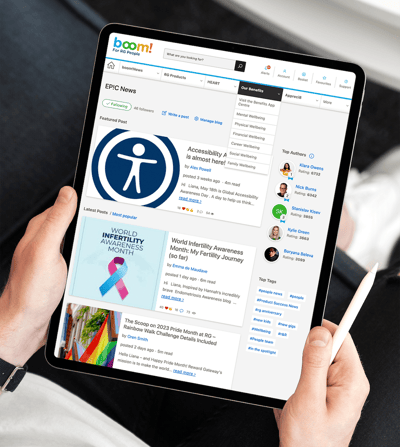
- Employee-Led Initiatives: Empowering employees to establish and run these groups fosters a sense of ownership and ensures that the groups are relevant and engaging. Providing a platform for these groups to connect and share information is crucial for their success.
Encouraging Commuter and Carpool Networks
For organizations with a physical presence, facilitating connections among employees who share commutes can be a simple yet effective strategy.
- Sustainability and CSR Alignment: Encouraging carpooling not only supports environmental goals and Corporate Social Responsibility (CSR) initiatives but also provides a natural opportunity for colleagues to bond.
- Coordinated Public Transport: Even for those utilizing public transport, coordinating travel schedules can ensure a friendly face on the commute, alleviating feelings of isolation.
- Support for Cyclists: For employees who cycle to work, having a colleague along can provide mutual support and safety, particularly in case of unexpected mechanical issues.
Implementing Quarterly Challenges and Contests
Engaging employees in fun, low-stakes challenges can inject a sense of playfulness and shared purpose into the workplace.
- Diverse Competition Formats: These challenges can range from fantasy sports leagues and NCAA bracket competitions to well-being initiatives designed to promote healthy habits. The key is to provide a topic for employees to "smack talk" (or more appropriately, "talk") about outside of their immediate work projects, fostering deeper connections and injecting more fun into the workplace.
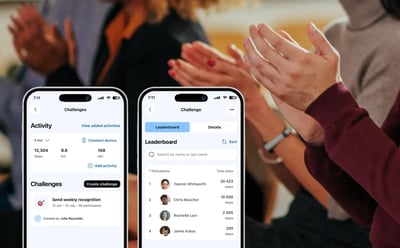
- Leveraging Technology: Platforms like Reward Gateway’s well-being app can facilitate these challenges and include chat features specifically designed for this purpose, making participation seamless and engaging.
Streamlining and Emphasizing Recognition
A culture of appreciation is fundamental to building strong workplace connections and fostering a sense of value.
- The Power of Gratitude: The "Workplace Wellbeing" report highlighted that a significant 69% of employees believe their workplace well-being would improve if they were thanked more often. This underscores the profound impact of simple expressions of gratitude.
- Public Recognition: While in-person acknowledgments are valuable, extending praise to a social feed visible to the entire organization offers broader visibility and reinforces positive behaviors. This passive yet powerful method helps rebuild trust among those who feel disconnected by showcasing the positive contributions and efforts happening across the organization. For instance, a previously unheard-of IT team might gain recognition for their hard work, fostering understanding and empathy from other departments.
Conclusion: Building a Future of Connected Workplaces
The epidemic of loneliness in the workplace is a multifaceted challenge with far-reaching consequences for individuals, organizations, and society. The data clearly indicates that a lack of connection erodes performance, stifles innovation, and drives costly turnover. As work models continue to evolve, the imperative for organizations to prioritize genuine human connection has never been greater.
By implementing thoughtful strategies that foster social interaction, encourage open communication, and celebrate individual contributions, businesses can cultivate environments where employees feel valued, supported, and intrinsically connected. The journey toward building more human workplaces requires a sustained commitment to understanding and addressing the root causes of loneliness, ultimately paving the way for a more engaged, productive, and fulfilling future of work for everyone. Organizations that proactively invest in building community and connection will not only see improved employee well-being but also a significant boost in their overall business success.