
The landscape of talent acquisition is in constant flux, a dynamic environment where job requirements rarely remain static from the initial posting to the final hire. Companies frequently find themselves in situations where, midway through a recruitment drive, previously essential skills or experience levels are re-evaluated, or entirely new competencies become critical due to evolving business needs, market shifts, or strategic pivots. Until recently, AI-driven hiring platforms, while powerful in automating initial candidate screening, often presented limitations when these real-world adjustments became necessary. The Ideal Candidate Profile (ICP), a cornerstone of such systems, typically allowed for re-weighting of existing criteria but not for fundamental changes to the criteria themselves. This rigidity often forced hiring teams into a dilemma: either proceed with an outdated profile, risking misalignment and inefficient sourcing, or revert to manual review, negating the very efficiency benefits the AI was designed to provide.
The Evolving Landscape of Talent Acquisition
The past decade has witnessed a transformative shift in recruitment, largely propelled by advancements in artificial intelligence and machine learning. From automated resume screening to intelligent candidate sourcing, AI tools have promised to revolutionize the speed, scale, and objectivity of hiring processes. At the heart of many of these innovations lies the Ideal Candidate Profile (ICP). An ICP is a meticulously defined set of qualifications, skills, experiences, and attributes that an AI agent uses to identify, score, and manage candidates throughout the recruitment pipeline. For platforms like Workable, the ICP dictates virtually every automated action: which candidates are sourced from various databases, how their applications are scored against predetermined benchmarks, and when they are automatically advanced to the next stage or disqualified.
However, the rapid pace of technological change and market demands means that job roles are not static entities. A recent study by LinkedIn revealed that job skills have changed by around 25% since 2015, and this figure is expected to double by 2027. This fluidity creates significant challenges for traditional, static recruitment models. For instance, a recruiter might initially seek a candidate with five years of experience in a particular software, only to realize later that a candidate with two years of experience combined with specific project exposure is actually a better fit, or that a "must-have" skill can be easily trained on the job. Furthermore, internal organizational shifts, feedback from initial interviews, or new directives from a hiring manager can necessitate a complete overhaul of desired attributes. When the AI’s ICP fails to keep pace with these evolving realities, its utility diminishes rapidly. Recruiters find themselves second-guessing the system’s recommendations, manually reviewing candidates the AI has flagged, and essentially undoing the automation that was meant to streamline their work. This leads to increased time-to-hire, elevated cost-per-hire, and a heightened risk of missing out on suitable candidates who might have been overlooked by an obsolete profile.
Introducing Dynamic ICPs: A Paradigm Shift in AI Hiring
Workable has addressed this critical pain point with a significant enhancement to its AI-powered Agent, introducing the ability for hiring teams to fully edit the Ideal Candidate Profile at any point during the recruitment process. This marks a substantial departure from previous capabilities, which largely confined users to adjusting the weighting of existing criteria (e.g., marking a skill as ‘must-have’ versus ‘nice-to-have’) or setting basic disqualifiers. The new functionality empowers users with unprecedented control, allowing them to fundamentally alter the components of the ICP.
With this update, Workable users can now:
- Add New Criteria: Introduce entirely new skills, experiences, certifications, or educational requirements that weren’t part of the initial profile. For example, if a new project requires proficiency in a specific niche programming language that wasn’t initially foreseen, it can now be added.
- Remove Existing Criteria: Delete requirements that are no longer deemed essential. This could include an outdated software proficiency or a specific industry experience that has become less critical.
- Modify Specific Criteria: Adjust the parameters of existing criteria, such as altering the required years of experience for a role (e.g., from "3+ years" to "1+ year"), changing the level of proficiency expected for a skill, or updating preferred educational backgrounds.
This newfound flexibility ensures that the AI Agent’s evaluation criteria can perpetually mirror the precise and current needs of the hiring team and the organization. The implications extend beyond mere convenience; it is a strategic advantage that allows businesses to remain agile in their talent acquisition strategies, adapting swiftly to market changes and internal demands without sacrificing the efficiency of AI automation.
How the Enhanced Workable Agent Operates: A Seamless Re-evaluation
The implementation of this dynamic ICP editing feature is designed for intuitive use and robust transparency. When a user wishes to modify the ICP for a job managed by the Workable Agent, they simply access the profile from their job dashboard. The editing interface is familiar, mirroring the canvas used during the initial creation of the ICP, ensuring a smooth user experience.
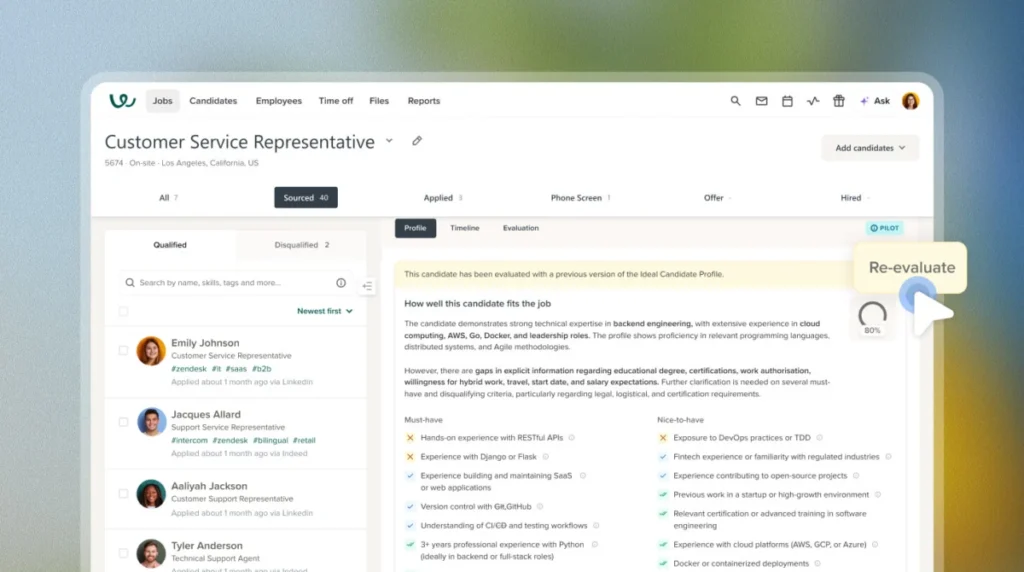
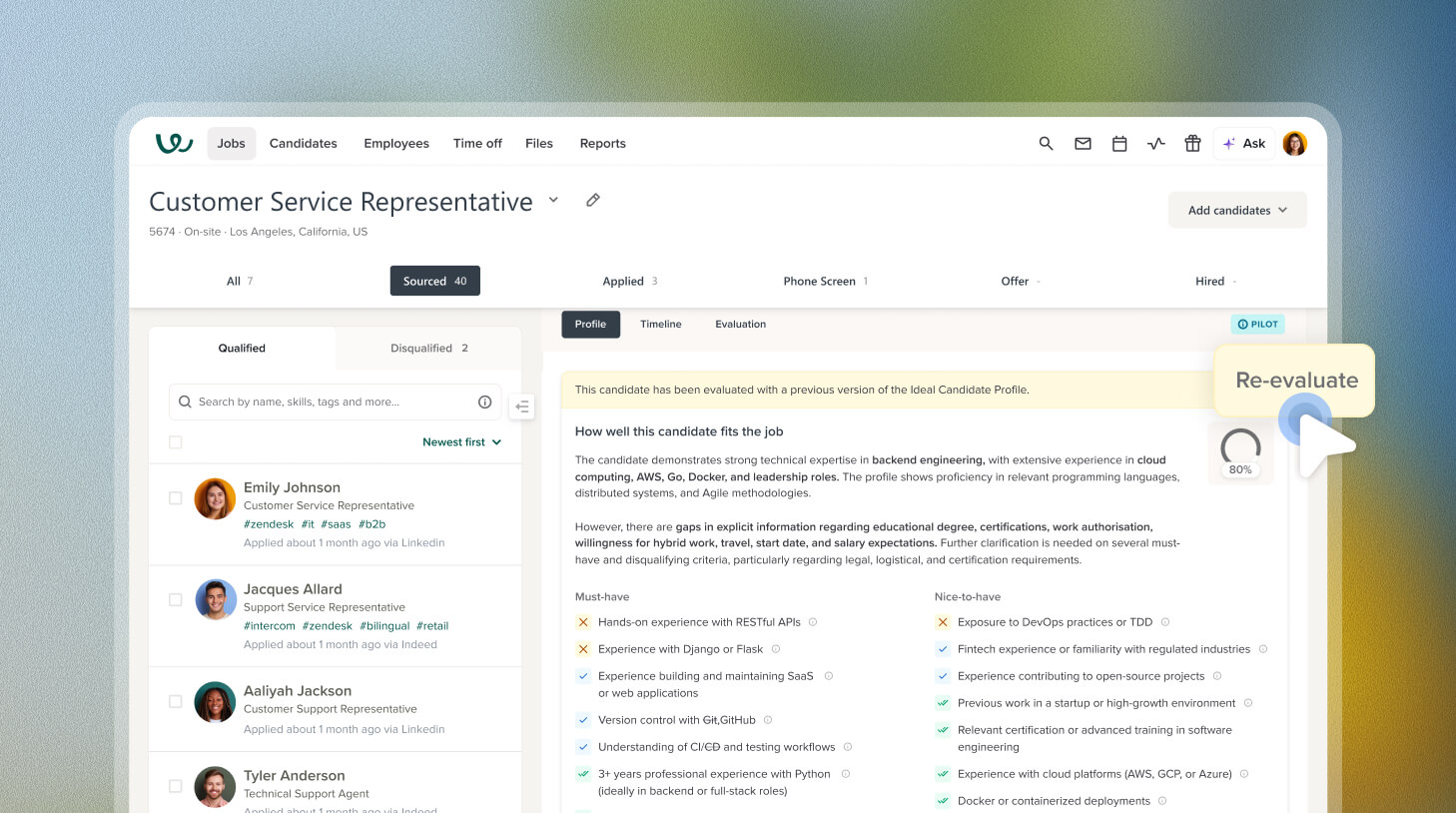
Upon saving changes, the Workable Agent immediately assesses the edits. Any modification deemed "meaningful"—such as a change in experience requirements, the addition of a new critical skill, or the removal of a significant prerequisite—triggers the creation of a new version of the ICP. This versioning system is a crucial element for maintaining a clear audit trail, providing a historical record of what criteria candidates were measured against at different stages of the recruitment process. This transparency is vital for compliance, internal reviews, and understanding the evolution of hiring priorities.
The most impactful aspect of this update, however, lies in its retrospective application. The Workable Agent doesn’t merely apply the newly edited profile to future candidates entering the pipeline. Crucially, it re-scores every candidate already within the pipeline, irrespective of their current stage or whether the Agent had previously completed their processing. This includes candidates who might have been auto-advanced or auto-disqualified under the old ICP. As the re-evaluation process commences, affected candidates are temporarily marked as "under review" within the system, signaling that their status is being re-assessed. Once the evaluation is complete, each re-scored candidate receives an automatic agent comment explaining the outcome of the new assessment. This ensures that there are no "silent changes" and, more importantly, no split standard where early candidates are judged by different criteria than later applicants. This consistent application of the most current ICP across the entire candidate pool is fundamental to ensuring fairness, accuracy, and trust in the AI’s judgment.
Why This Matters: Enhanced Trust, Consistency, and Efficiency
The introduction of dynamic ICPs represents a significant leap forward in making AI-driven hiring more human-centric and effective. The benefits accrue across multiple dimensions of the recruitment process:
1. Building Trust in AI Decisions: For AI tools to be truly adopted and effective, users must trust their outputs. When an ICP is rigid, and hiring needs shift, recruiters often lose faith in the AI’s recommendations, leading to manual overrides and a sense of battling the system rather than collaborating with it. By allowing full editability, Workable ensures that the Agent’s judgment always aligns with the hiring team’s most current understanding of the ideal candidate. This alignment fosters trust, as the AI becomes a true extension of the recruiter’s evolving judgment, expressed through their updated criteria.
2. Ensuring Unwavering Consistency: One of the persistent challenges in recruitment is maintaining consistency across a large pool of candidates, especially over extended hiring periods. Different recruiters might interpret criteria differently, or the understanding of the ideal candidate might subtly shift over time. With the Workable Agent’s ability to re-score the entire pipeline against a unified, updated ICP, consistency is guaranteed. A candidate sourced on day one is held to precisely the same standard as one sourced months later, eliminating potential biases arising from shifting benchmarks and promoting a fairer evaluation process. This consistency is not just an operational advantage but also a crucial factor in upholding ethical hiring practices and mitigating unconscious bias.
3. Boosting Operational Efficiency and Reducing Time-to-Hire: The primary promise of AI in recruitment is efficiency. However, a rigid ICP can undermine this by forcing manual interventions. By allowing dynamic adjustments, the Workable Agent drastically reduces the need for recruiters to manually review candidates who might have been wrongly disqualified or overlooked by an outdated profile. This streamlined process directly translates into a faster time-to-hire. According to a report by the Society for Human Resource Management (SHRM), the average time-to-hire can range from 36 to 42 days. Streamlining the screening process with adaptable AI can shave off critical days, allowing companies to secure top talent more quickly, particularly in competitive markets where delays can mean losing candidates to competitors.
4. Improving Candidate Quality and Reducing Mis-Hires: Ultimately, the goal of recruitment is to hire the best possible candidate. Mis-hires are incredibly costly, with estimates suggesting they can amount to 30% of an employee’s first-year earnings. When the ICP accurately reflects current needs, the AI is far more effective at identifying truly suitable candidates. This precision reduces the likelihood of hiring someone who initially seemed like a good fit but falls short as requirements evolve. By ensuring the pipeline always reflects what is actually needed, companies can significantly improve the quality of their hires and reduce the financial and operational burden of turnover.
Industry Context and Broader Implications for HR Technology
Workable’s move to enable dynamic ICPs positions it at the forefront of a broader trend within HR technology: the shift towards more adaptive, intelligent, and human-empowering AI systems. Early iterations of AI in HR were often criticized for their black-box nature and inflexibility. This update directly addresses those concerns, signaling a maturation of the technology.
This development also has significant implications for the role of the recruiter. Instead of being bogged down by administrative tasks or the frustration of an inflexible system, recruiters can now elevate their role to a more strategic level. They become orchestrators of talent acquisition, using the AI as a highly adaptable and responsive tool to execute their evolving vision. This allows them to focus on high-value activities like candidate engagement, strategic talent mapping, and collaborating more effectively with hiring managers, rather than remedial screening.
Furthermore, the ability to dynamically update ICPs holds potential for improving the candidate experience. Candidates who might have been initially screened out by an outdated requirement could now be re-evaluated and brought back into consideration. This reduces arbitrary rejections and ensures that candidates are judged against the most relevant criteria, fostering a more positive perception of the hiring process.
Workable’s Vision and Market Position
While no direct statements were provided, the introduction of this feature strongly implies Workable’s commitment to continuous innovation and user empowerment. A hypothetical statement from a Workable product lead might emphasize the company’s dedication to building AI tools that enhance human decision-making rather than replacing it. "Our goal has always been to empower hiring teams with intelligent tools that adapt to their real-world challenges," a Workable spokesperson might state. "The ability to dynamically edit the Ideal Candidate Profile is a direct response to the agile nature of modern hiring. It ensures that our AI Agent acts as a true partner, continuously aligning its powerful capabilities with the evolving strategic needs of our customers. This release underscores our commitment to delivering transparency, control, and ultimately, greater trust in AI-driven recruitment." This strategic enhancement solidifies Workable’s position as a leader in the applicant tracking system (ATS) and recruitment software market, differentiating its offering through superior adaptability and user control.
Ethical Considerations and Future Outlook
The ethical implications of AI in hiring are a critical discussion point, particularly concerning bias. Dynamic ICPs can play a positive role here. By allowing hiring teams to refine criteria, they can proactively address and mitigate potential biases that might have inadvertently been built into an initial profile. For instance, if an initial ICP unknowingly favored certain demographic proxies through subtle experience requirements, the ability to edit and test new criteria allows for continuous improvement towards a more equitable and diverse candidate selection process. The transparency offered by versioning and agent comments further enhances accountability.
Looking ahead, this development sets a precedent for more fluid and intelligent AI systems in HR. It paves the way for future enhancements where AI might even proactively suggest ICP modifications based on market data, internal performance metrics, or feedback loops from successful hires. The vision is clear: AI in recruitment is evolving from a rigid automation tool to a dynamic, collaborative intelligence that continuously learns and adapts alongside human expertise.
Conclusion and Availability
The ability to edit the ideal candidate profile is available now for all jobs managed by the Workable Agent. This update represents a significant step forward in making AI-driven recruitment more flexible, accurate, and aligned with the complex realities of modern talent acquisition. By providing hiring teams with unparalleled control and consistency, Workable is empowering organizations to navigate the ever-changing talent landscape with greater confidence and efficiency. Organizations seeking to experience the benefits of this enhanced agility in their hiring processes are encouraged to explore a free demo of Workable.






