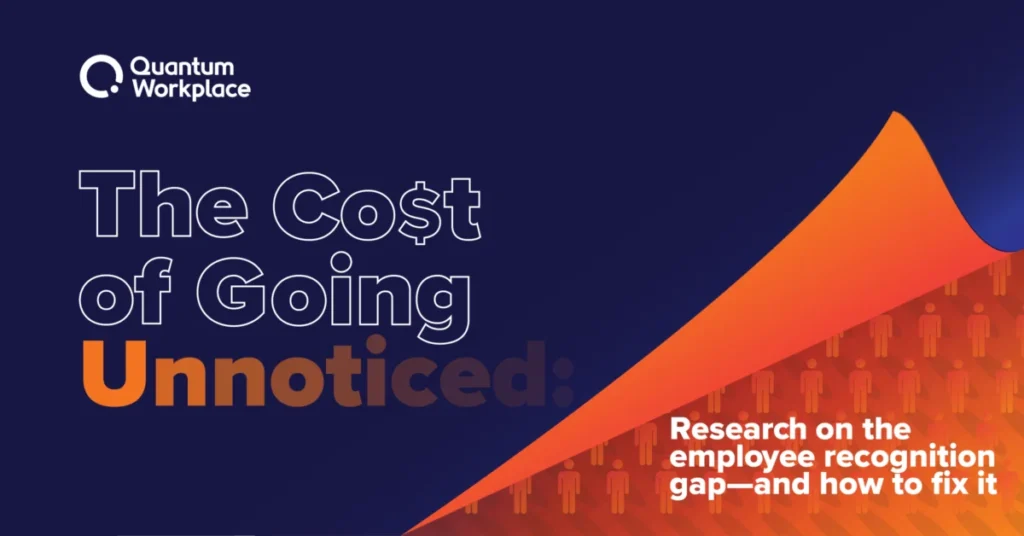
The landscape of employee engagement is at a critical juncture, with a significant disconnect emerging between corporate investments in recognition programs and the actual employee experience. A recent comprehensive study by Quantum Workplace, the "2026 Quantum Workplace Recognition Research Report," reveals a stark reality: a substantial portion of the workforce feels unseen and unappreciated, despite their employers’ efforts. Forty percent of employees surveyed stated that the recognition they receive does not feel meaningful. Furthermore, a mere 55% of respondents believe their organization fosters a strong culture of recognition, while three out of five describe their company’s approach as inconsistent, overly bureaucratic, top-down, or virtually nonexistent. The most alarming finding from the research is that one in five employees reported receiving absolutely no recognition throughout the entire past year. This represents a profound "recognition gap"—the chasm between the recognition programs companies implement and the tangible feeling of being noticed and valued by employees. This gap, the research suggests, is not necessarily born from a lack of care but rather from systemic design and execution flaws that are, fortunately, fixable.
Understanding the Employee Recognition Gap
The employee recognition gap, as defined by Quantum Workplace, is the discrepancy between the resources organizations allocate to recognition initiatives and the actual outcomes these investments yield in terms of employee sentiment, engagement, retention, and motivation. This disconnect manifests in several ways: praise that arrives too late to be impactful, recognition that is limited to a select few, or acknowledgment that feels perfunctory rather than genuine. While most leaders express a genuine desire for their employees to feel valued, the practical implementation of recognition often falters due to issues of timing and program design. For instance, an employee who delivers exceptional work in January might only receive acknowledgment during an April performance review, long after the specifics of their contribution have faded from memory. Similarly, recognition might be confined to infrequent, exclusive quarterly awards, inadvertently excluding a vast majority of the workforce. When HR attempts to channel recognition solely through managers, the inherent workload and limited visibility of busy managers can lead to missed opportunities and inconsistent application. Furthermore, recognition efforts are sometimes diluted by being tied to basic politeness, such as a quick "thank you" for holding a door, rather than being linked to substantive contributions that drive organizational success. This distinction between politeness and meaningful recognition is crucial.
Factors Widening the Recognition Gap
The persistent widening of the recognition gap can be attributed to two primary areas where most existing programs falter: the frequency of recognition and its perceived meaning.
Frequency: The Perils of Rarity
A common misconception among some leaders is that recognizing employees too frequently can diminish the perceived value or specialness of the acknowledgment. However, Quantum Workplace’s data suggests the opposite is true. Frequency and meaningfulness in recognition are not mutually exclusive; they tend to move in tandem. Organizations that implement more frequent recognition programs often experience higher levels of employee engagement and retention. Conversely, when recognition is sporadic, occurring only a few times a year, it is not being effectively preserved; instead, it often gets lost amidst the daily demands of work. This infrequency creates a void that employees readily notice.
Meaningfulness: The Core of Effective Recognition
The second, and often more critical, area where recognition programs falter is in their ability to convey genuine meaning. For recognition to be effective, it must feel personal and specifically tied to an individual’s actions or achievements, rather than being a generic acknowledgment that could apply to anyone. The impact of rewards in enhancing the meaningfulness of recognition is significant. Employees who receive a reward alongside their recognition are 4.8 times more likely to find it meaningful. Moreover, a staggering 87% of employees who had a choice in their reward reported feeling that the recognition was meaningful, compared to just 52% of those who did not have a choice.

This disconnect can be further traced back to five specific design flaws prevalent in many recognition initiatives:
- Random Acts of Recognition: A significant portion of employees (47%) do not believe recognition is linked to actual contributions. Compounding this issue, one in five employees are unsure about what specific behaviors merit recognition. This lack of clarity can lead to recognition that feels arbitrary and unearned.
- Infrequent, High-Friction Recognition: The data indicates that only 5% of employees receive recognition on a weekly basis. The administrative burden or simple forgetfulness associated with recognition processes is a major hurdle, with one in three managers admitting they forget to provide it.
- Impersonal and Intangible Recognition: A substantial 54% of employees receive no tangible reward with their recognition, and half of all employees feel that the recognition they receive lacks a personal touch. This can leave employees feeling that their efforts are not truly seen or appreciated.
- Top-Down and Hidden Recognition: A concerning 19% of employees received zero recognition from their managers throughout an entire year. Paradoxically, research suggests that most employees are not overly concerned about the source of recognition, indicating that a more distributed approach could be highly effective.
- Siloed and Disconnected Recognition Data and Tools: The operational complexity of managing recognition is often exacerbated by fragmented systems. Eighty-four percent of leaders report juggling between three to ten different platforms for talent management, with only 5% having integrated systems for recognition data. This lack of integration hinders comprehensive analysis and strategic deployment of recognition efforts.
Identifying Your Organization’s Recognition Gap
Organizations can begin to assess the presence and extent of their recognition gap by examining their internal data, particularly through employee engagement surveys. Key indicators to scrutinize include employee perceptions of being recognized for their actual work, their belief that their contributions leading to organizational success would be acknowledged, and whether recognition feels genuine rather than merely procedural. These scores should then be correlated with retention intent metrics, such as how likely an employee is to consider leaving the company.
It is crucial to move beyond company-wide averages, as recognition practices can vary significantly across teams and individual managers. A seemingly strong overall score can mask underlying deficiencies within specific departments or teams. Therefore, analyzing survey results by department, manager, tenure, and location is essential to uncover pockets of unrecognized talent. Beyond survey data, observable daily behaviors can also signal a recognition gap. Signs such as decreased employee initiative, a rise in disengagement during meetings, a decline in proactive problem-solving, or an increase in employees working in isolation rather than collaboratively can all be indicators. While no single sign definitively proves a recognition problem, a confluence of these signals, especially when observed across multiple individuals, strongly suggests that employees may not feel their contributions are being acknowledged, a situation that warrants immediate investigation before it escalates to potential attrition.
The Cost of Unnoticed Contributions
Recognition is far from a mere "feel-good" metric; it is a potent lever for retention, one that many organizations are currently underutilizing. A particularly worrying statistic from the Quantum Workplace report is that 45% of employees do not believe they would be recognized even if they significantly contributed to the company’s success. This belief can profoundly impact an employee’s willingness to invest discretionary effort and their commitment to remaining with the organization.
The inverse of this situation highlights the immense value of effective recognition. When recognition programs are thoughtfully designed, employees are 7.2 times more likely to indicate that it would take a significant incentive for them to leave their current role. Furthermore, employees who receive recognition monthly or more frequently exhibit an 80% higher level of engagement. Among those who perceive their recognition as meaningful, 56% state that it increases their desire to stay with the company longer. Collectively, these findings paint a clear picture: recognition is not just about providing a momentary positive experience for an employee; it is a direct and underutilized strategy for retaining valuable talent.
Recognition as a Cornerstone of Thriving Teams
Thriving teams typically share four critical characteristics: alignment around organizational goals, empowerment to make decisions, continuous skill development, and a sense of being valued for their contributions. For a team to truly flourish, all these elements must be present concurrently. A team might be aligned and actively growing, yet still struggle if its members do not feel their work is recognized.

Of these four pillars, the feeling of being valued is where recognition plays its most direct role, and it is often the most neglected aspect in many organizations. An employee can be provided with clear objectives, granted genuine autonomy, and offered ample development opportunities, yet still depart if they feel their efforts have gone unnoticed. Recognition serves to bridge this specific gap, transforming good work into seen work.
The impact of recognition extends beyond immediate satisfaction; it actively shapes future employee behavior. In the weeks following an act of recognition, 65% of employees actively seek out additional ways to contribute, 59% are inclined to put in extra effort, and 54% report a greater willingness to recommend their organization as an excellent place to work.
Strategies for Closing the Recognition Gap
Addressing the recognition gap does not necessitate a substantial budget or a perfect starting point. It requires intentionality and a willingness to critically assess current practices. Five key strategies can help organizations bridge this divide:
- Establish Clear Recognition Criteria: Define what behaviors and contributions merit recognition, ensuring these are directly aligned with organizational values and strategic objectives. This clarity helps employees understand what is valued and guides recognition efforts.
- Promote Frequent and Timely Recognition: Implement mechanisms for recognition that occur regularly and promptly. This could involve leveraging technology for real-time acknowledgments or encouraging managers to provide immediate feedback. The research consistently shows that more frequent recognition leads to higher engagement and retention.
- Personalize and Enhance Recognition with Rewards: Integrate meaningful rewards, offering employees choice where possible, to amplify the impact of recognition. Personalized rewards that resonate with individual preferences can significantly increase the perceived value of the acknowledgment.
- Foster a Culture of Peer-to-Peer Recognition: Empower employees at all levels to recognize one another. This approach broadens the scope of recognition beyond managerial oversight and taps into the collective awareness of contributions happening across teams.
- Integrate Recognition Data into Broader Talent Analytics: Ensure recognition data is captured and analyzed alongside other HR metrics. This integration allows organizations to understand the strategic impact of recognition on engagement, retention, and performance, transforming it from an isolated activity into a valuable leadership signal.
Organizations that successfully implement these five strategies often achieve what Quantum Workplace terms "consistent and embedded" recognition. The impact is profound: employees in such environments are more than twice as likely to remain with their organization compared to those in companies where recognition is rare or absent.
Quantum Workplace’s Approach to Bridging the Gap
Quantum Workplace’s recognition software is specifically designed to address the systemic flaws identified in their research, moving beyond abstract concepts to offer practical solutions. Key features include:
- Seamless Integration: Peer-to-peer recognition capabilities are integrated directly into platforms like Slack and Microsoft Teams, as well as within the Quantum Workplace platform itself, ensuring recognition occurs in the flow of daily work rather than requiring a separate login or process.
- AI-Powered Assistance: Artificial intelligence assists users in crafting specific and genuine recognition messages, overcoming potential hesitations or time constraints that might otherwise lead to generic acknowledgments.
- Meaningful Rewards and Milestone Celebrations: The platform offers real choice in rewards and automates celebrations for anniversaries and other career milestones, adding a personal touch that makes recognition more memorable and impactful.
- Actionable Insights: Recognition data is consolidated into broader reporting dashboards, providing HR and leadership teams with valuable insights into employee sentiment and behavior, enabling them to treat recognition as a strategic leadership tool.
Quantum Workplace emphasizes that effective recognition is not overly complex; it requires intentional design and a commitment to creating a system that works for both employees and the organization.
Frequently Asked Questions About Employee Recognition
What exactly constitutes the employee recognition gap?
The recognition gap refers to the disparity between an organization’s perception of its recognition efforts and the actual feelings of being recognized by its employees.
Why do employees still feel unacknowledged despite formal recognition programs?
Typically, this stems from design flaws rather than a lack of caring. Issues such as delayed acknowledgments, bureaucratic approval processes, manager-centric recognition, and vague praise all contribute to weakening the perceived impact of these programs.
Does recognition truly influence employee retention?
Yes, significantly. Well-designed recognition programs have been shown to make employees 7.2 times more likely to state that it would take a substantial offer to entice them to leave their current position.
Is a reward essential for recognition to be effective?
While not strictly mandatory, rewards greatly enhance the impact. Approximately 82% of employees report that recognition feels more significant when accompanied by a reward.
Should recognition be exclusively dispensed by managers?
No. Managers have limited visibility into all team activities, and most employees are not particular about the source of their recognition. A distributed approach is often more effective.
How frequently should recognition be administered?
Recognition should occur more often than it currently does. Only 5% of employees report receiving weekly recognition, despite a majority expressing a desire for more frequent acknowledgment.