In the corporate landscape, the concept of gratitude might initially be perceived as a soft, intangible sentiment. However, a growing body of evidence and practical application reveals that cultivating a culture of appreciation within organizations yields significant, measurable business results. Far from being merely a feel-good initiative, workplace gratitude is emerging as a strategic imperative for HR leaders aiming to enhance employee engagement, boost wellbeing, improve retention, and ultimately, drive day-to-day performance. Personalized recognition, a key component of a gratitude-driven culture, is consistently linked to stronger feelings of appreciation, deeper connection, improved wellbeing, and a greater intent to remain with the company. This underscores that workplace gratitude is not simply about being nice; it’s a research-backed, practical approach to fostering a healthier work environment and a more robust employee experience without necessitating a complete overhaul of existing people strategies.
Defining Workplace Gratitude: Beyond a Fleeting "Thank You"
At its core, workplace gratitude is the deliberate and consistent practice of recognizing, acknowledging, and valuing individuals for their contributions, efforts, and the impact they make. This extends beyond celebrating major achievements or confined to annual performance reviews. Instead, it is integrated into the fabric of how employees experience their organization on a daily basis. This distinction is crucial, setting genuine workplace gratitude apart from casual, one-off acknowledgments or generic praise. While a spontaneous "thank you" can offer momentary warmth, true gratitude is specific, consistent, and rooted in a deep appreciation for both an employee’s work and their presence as a team member.
When cultivated effectively, gratitude transforms into a habitual practice rather than an occasional event. Managers proactively acknowledge progress, colleagues actively celebrate each other’s support and collaborative efforts, and leaders consistently reinforce the behaviors and values that the organization aims to promote. The outcome is a workplace where appreciation is intrinsically embedded, not an afterthought. For HR leaders, this fundamental difference is paramount. When gratitude is approached as an intentional, ongoing practice, it cultivates an environment where employees feel seen, valued, and motivated to continue contributing, not based on isolated positive interactions, but because appreciation is an integral part of how work is conducted.

The Tangible Business Benefits of a Grateful Workplace
The impact of embedding gratitude into the employee experience transcends fleeting positive emotions. It profoundly shapes employees’ perceptions of their work, enhances team dynamics, and contributes to the organization’s sustained performance over time. In essence, workplace gratitude positively influences both the human element of work and its business outcomes – a dual benefit that resonates strongly with forward-thinking HR leaders.
1. Bolstering Employee Wellbeing
The feeling of being appreciated has a profound and demonstrable effect on employees’ daily work experience. When individuals recognize that their efforts are acknowledged and valued, they are more likely to feel supported, motivated, and emotionally connected to their workplace. This is critical because employee wellbeing extends beyond the provision of resources; it hinges on whether employees are perceived as whole individuals, rather than solely as conduits for project completion and deliverable generation. Gratitude acts as a powerful reinforcement of an individual’s sense of value and belonging, thereby establishing a more resilient foundation for both personal fortitude and overall employee experience.
2. Elevating Employee Engagement
Employees are significantly more inclined to remain engaged when they perceive their contributions as being noticed and impactful. Gratitude fosters a vital feedback loop, signaling to employees that their work has tangible consequences, that their efforts are not lost in the organizational ether, and that their daily contributions hold importance for both their team and the broader business objectives. This perception of appreciation can significantly strengthen emotional commitment to the organization. Data indicates that a substantial majority of employees report feeling more connected to their workplace when they receive personalized recognition, and this sense of connection is a reliable driver of engagement.
3. Enhancing Job Satisfaction
Job satisfaction is a multifaceted construct, extending beyond remuneration and hierarchical positions. Employees also seek to be respected, valued, and acknowledged for their unique roles within the organizational structure. Gratitude contributes to this by making appreciation more visible and frequent, rather than relying on implicit assumptions. When employees consistently receive affirmation that their work is meaningful, they are more likely to develop a positive outlook towards their role and the organization as a whole. Over time, this cultivates a more rewarding employee experience, independent of reliance on superficial perks or infrequent morale-boosting initiatives.

4. Mitigating Stress and Reducing Absenteeism
Work environments that lack appreciation can quickly become draining. When efforts go unrecognized, employees may experience feelings of disconnection, discouragement, or burnout, sensing that their endeavors are unacknowledged. Gratitude counteracts this by reinforcing support, progress, and human connection, thereby alleviating some of the emotional burdens employees may carry. Research indicates that personalized recognition significantly contributes to reduced stress levels among employees. Consequently, a decrease in workplace stress often translates into positive ripple effects, including improved attendance, heightened energy levels, and enhanced team stability.
5. Increasing Retention Rates
The fundamental principle is straightforward: employees are more inclined to remain in environments where they feel valued. Gratitude reinforces the notion that employees are making a meaningful difference, thereby strengthening loyalty and diminishing the inclination to seek appreciation elsewhere. This connection is demonstrably reflected in data, with a significant percentage of employees reporting that customized recognition increases their likelihood of long-term commitment to their company. For HR departments prioritizing retention, gratitude is not an optional amenity but a practical strategy for fostering a sense of investment and commitment among the workforce.
6. Cultivating a Positive Workplace Culture
Organizational culture is shaped by consistent, repeated behaviors, not merely by well-designed posters or stated values. When gratitude becomes an integral part of interpersonal interactions, it establishes an atmosphere of respect, encouragement, and shared appreciation. This fosters an environment where teams are more prone to celebrating effort, recognizing collaboration, and reinforcing behaviors that contribute to a stronger workplace. Over time, this leads to a culture where individuals feel more connected to one another and more confident that their contributions are recognized and valued. When appreciation becomes the norm rather than an exception, a positive culture transitions from an aspiration to an everyday reality.
Implementing Gratitude: Practical Strategies for HR Leaders
Understanding the importance of gratitude is the first step; integrating it into the daily workflow in a sustainable manner is the next. The objective for HR leaders is not to orchestrate sporadic bursts of appreciation but to ensure that recognition is consistent, visible, and meaningfully aligned with organizational values. This is where strategic structure becomes indispensable. When gratitude is supported by clearly defined programs, established habits, and exemplary leadership behaviors, it becomes more accessible for employees to participate and for the culture to endure. Rather than relying on a few naturally expressive managers or a single enthusiastic individual in HR, the organization establishes a systemic framework that embeds appreciation into the operational workflow.

Establishing Formal Recognition Programs
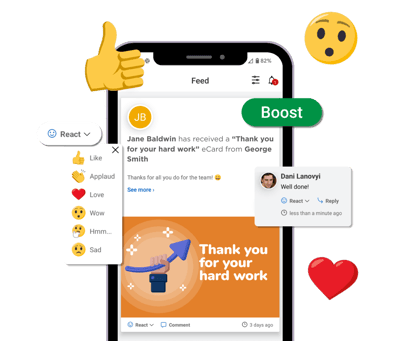
A well-structured recognition program provides a dedicated platform for gratitude. It offers a clear mechanism for employees and managers to acknowledge contributions, milestones, and behaviors that warrant reinforcement, thereby removing the element of chance from appreciation. The most effective programs facilitate ease of giving, receiving, and connecting recognition to overarching business objectives. Furthermore, they empower HR to ensure that appreciation is disseminated consistently across all teams, locations, and leadership levels, preventing it from being confined to specific departments with more vocal communication channels.
Championing Peer-to-Peer Recognition
The longevity and impact of gratitude are amplified when it flows in multiple directions. While manager recognition holds significant weight, peer-to-peer recognition is instrumental in embedding appreciation into the daily team dynamic, transforming it from a top-down directive into an organic team practice. Colleagues are often privy to the subtle yet crucial moments that leaders may overlook: an individual stepping in to assist with a pressing deadline, facilitating a smooth project handover, or quietly preventing a project from derailing. Providing employees with avenues to acknowledge one another makes these contributions more visible and fosters stronger day-to-day connections across teams.
Leading by Example from the Top
The absence of visible gratitude from leadership sends a clear message to employees: it is a pleasant concept, but not a genuine priority. Leadership behavior dictates the perceived authenticity and encouragement of appreciation within an organization. When senior executives and people managers consistently acknowledge effort, celebrate achievements, and link recognition to team impact, they signal that gratitude is an integral part of the organizational culture, not merely a message disseminated by the HR department. This exemplary behavior is crucial in transitioning appreciation from a mere recommendation to an ingrained norm.
Integrating Gratitude into Daily Routines
Gratitude is most sustainable when it is woven into existing organizational rhythms, rather than being treated as an additional task that individuals might forget. Small, repeatable habits tend to be more effective than infrequent grand gestures. This could involve dedicating the beginning of team meetings to employee shout-outs, incorporating recognition into one-on-one discussions, or creating designated spaces within internal communications to highlight contributions across the organization. The specific format is less critical than the consistency. Regular moments of appreciation help gratitude feel natural and authentic, rather than performative.
Aligning Gratitude with Company Values
Recognition gains greater significance when it extends beyond a simple "good job." Tying gratitude to core company values helps employees understand which behaviors the organization wishes to foster and why these actions are important. This strategic alignment imbues appreciation with greater purpose, elevating it from a tangential cultural enhancement to a mechanism for reinforcing the company’s mission, behaviors, and expectations in real time. For HR professionals, this creates a more robust connection between culture-building initiatives and overarching business priorities, offering tangible value beyond generalized positivity.
Navigating Challenges in Fostering Workplace Gratitude
Establishing a culture of gratitude is not without its hurdles. HR leaders often contend with significant constraints, including demanding schedules, inconsistent managerial practices, employee skepticism, and leaders who, while verbally supportive of recognition, struggle to model it consistently. However, the prevalence of these challenges also means they are addressable. With the right structure, clear communication, and robust leadership support, gratitude can transition from a well-intentioned idea to a consistently experienced reality for employees.
Addressing the "No Time" Barrier
The perception of lacking time is a frequent obstacle, yet it is among the most surmountable. In fast-paced organizations, recognition can be relegated to an optional activity, postponed until circumstances are less demanding—a scenario that rarely materializes. The solution lies in simplifying gratitude and integrating it seamlessly into existing workflows. Brief recognition moments during meetings, streamlined peer-to-peer acknowledgment tools, and timely manager prompts can facilitate appreciation without imposing significant new processes. When gratitude is easily expressed in real-time, it is far more likely to become a habitual practice.
Securing Leadership Buy-In
If leaders do not perceive gratitude as a strategic business tool, it risks being dismissed as superficial or secondary to more pressing priorities. This presents a significant challenge, as employees tend to mirror the behaviors that leaders actively endorse, not just those recommended by HR. To overcome this, it is essential to connect gratitude directly to outcomes that leaders already prioritize, such as employee engagement, retention, wellbeing, and overall culture. Presenting relevant data, highlighting successful internal case studies, and framing recognition as a driver of performance, rather than a distraction, can significantly improve leadership buy-in.

Overcoming Resistance to Change
Even positive initiatives can be met with resistance if employees perceive them as forced, scripted, or overly corporate. If a gratitude program is introduced abruptly with generic messaging and a lack of clear purpose, some degree of skepticism is understandable. The most effective response is rooted in authenticity. The approach should remain practical, encouraging specific and meaningful recognition, and avoiding the pitfalls of turning gratitude into a mandatory compliance exercise. Initiating the process on a smaller scale can also be beneficial. When employees witness genuine appreciation in action—rather than as part of a mandated enthusiasm campaign—they are more likely to participate and trust the process.
Cultivating a Culture of Gratitude with Reward Gateway | Edenred
Building a thriving culture of gratitude requires more than just good intentions. It necessitates appropriate tools, consistent practices, and a mechanism for making appreciation visible across the entire organization, extending beyond areas where it naturally flourishes. This is precisely where Reward Gateway | Edenred offers valuable support.
Reward Gateway | Edenred empowers HR teams to transform gratitude into an integral part of the daily work experience. Their recognition and reward solutions are designed for ease of use, scalability, and seamless integration with company values. By establishing the right structural framework, organizations can effectively encourage peer-to-peer recognition, empower manager appreciation, celebrate significant moments, and clearly articulate the behaviors that are most valued.
Organizations interested in learning more about how Reward Gateway | Edenred can assist in cultivating a culture of gratitude and creating a more positive work environment are encouraged to explore their offerings.