A diversity statement, traditionally defined as a concise, public declaration of commitment to inclusion and equity, has undergone significant transformation by 2026, shifting from mere public promises to demonstrable results and strategic communication in a complex socio-political and legal environment. This evolution reflects a broader corporate recalibration, prioritizing data-backed initiatives and compliance while navigating heightened scrutiny, marking a new era where the authenticity and impact of inclusion efforts are paramount.
The Shifting Landscape of DEI in 2026: A New Era of Corporate Responsibility
The year 2026 finds corporate diversity, equity, and inclusion (DEI) initiatives operating under a significantly altered paradigm, largely shaped by the legal and political shifts observed in early 2025. Federal executive orders enacted during this period notably curtailed agency-level DEI programs, sending ripples across the private sector. This governmental action prompted a widespread re-evaluation of corporate DEI strategies, pushing organizations to ensure their practices could withstand rigorous legal reviews and demonstrate tangible, measurable outcomes rather than relying solely on aspirational pledges.
According to a comprehensive report by Gravity Research, a leading analytics firm specializing in corporate trends, approximately 40 major corporations publicly adjusted their DEI frameworks in the immediate aftermath of the 2025 executive orders. This rapid response underscored the sensitivity of the corporate world to regulatory shifts and public perception. Despite these adjustments, a striking 80% of these companies, many of them Fortune 500 entities, concurrently reaffirmed their overarching commitments to inclusion, belonging, or accessibility in various forms. This dual action—adapting to legal pressures while maintaining core values—highlights the nuanced approach required in the current climate. HR leaders and corporate strategists interviewed for the report emphasized the critical need to protect internal programs designed to foster equitable workplaces, even as external messaging became more circumspect.
Drivers of Change: Legal and Political Scrutiny
The catalyst for these changes was a confluence of factors, primarily increased legal challenges and political headwinds against traditional DEI frameworks. Critics argued that some DEI programs, particularly those with specific quotas or preferential treatment, could lead to reverse discrimination claims. This legal vulnerability, coupled with a shifting political narrative that questioned the efficacy and fairness of certain DEI practices, necessitated a strategic pivot. Companies became acutely aware that abstract commitments, without robust, legally defensible methodologies, were no longer sustainable. Legal analysts advised corporations to embed DEI principles within broader talent management and employee experience strategies, focusing on universal fairness and opportunity rather than explicitly race- or gender-targeted programs that might draw legal challenges. The emphasis moved to ensuring that all initiatives could be justified on meritocratic and business-centric grounds, capable of withstanding judicial review.
Corporate Rebranding and Strategic Adaptation
A notable tactical response observed across the S&P 500 index was a deliberate reduction in the use of the acronym "DEI" in corporate filings and public communications. This rebranding, identified through a review of over 1,000 corporate filings by Ongig’s Text Analyzer software, was not merely cosmetic. It represented a strategic effort to depoliticize and de-risk internal inclusion programs. Departments previously labeled "DEI" were frequently renamed "People & Culture," "Employee Experience," "Talent & Belonging," or "Inclusion & Care." This linguistic shift aimed to replace polarized labels with neutral, business-centric language that emphasized universal values of fairness, respect, and organizational effectiveness, thereby safeguarding internal programs from external legal or political scrutiny.
Industry experts suggest this rebranding is a sophisticated maneuver to maintain the spirit and substance of inclusion initiatives while adapting to a changed external environment. "It’s about demonstrating the business value of a diverse workforce without inviting unnecessary controversy," remarked a senior HR executive at a multinational tech firm. "Our commitment to equitable opportunities hasn’t changed, but how we articulate and implement it has become more strategic and legally sound." This adaptation reflects a pragmatic understanding that while the goals of DEI remain vital for innovation, talent attraction, and market relevance, the means of achieving and communicating them must evolve.
The Enduring Purpose of Diversity Statements: Why They Still Matter
Despite the turbulent environment, the core importance of a diversity statement remains undiminished. These statements serve as critical touchpoints for prospective candidates, often read before an application is even submitted. A well-crafted statement, specific and honest, signals a company’s values and culture. It transcends buzzwords, grounding itself in the organization’s mission and reflecting genuine commitment, not just compliance. In 2026, candidates are more discerning than ever, seeking employers who not only talk about inclusion but actively demonstrate it through their practices and culture. A strong diversity statement acts as an invitation, assuring candidates that their unique contributions will be valued and that they can thrive within the organization.
Crafting Effective Diversity Statements: A Guide for the Modern Era
The landscape of 2026 demands a more sophisticated approach to writing diversity statements. Simple, generic declarations are no longer sufficient. Effective statements are characterized by several key elements:
-
Beyond Buzzwords: Specificity and Mission Alignment: The most impactful diversity statements move beyond abstract terms like "valuing diversity." They explicitly name real groups, articulate specific commitments, and demonstrate how diversity, equity, and inclusion are intrinsically linked to the company’s core mission and business objectives. For instance, connecting diversity to innovation, customer understanding, or market expansion makes the commitment tangible and strategic. Google’s statement, "To build products that help billions of people reach their goals, we’re bringing together talented people from everywhere and empowering them to do their best work," directly links diversity to its product mission. Pfizer’s "Merit-Based Diversity, Equity, and Inclusion" headline immediately conveys a focus on fair opportunity and achievement.
-
Readability and Impact: The Science of Communication: Effective communication is paramount. Ongig’s Text Analyzer software, used by many organizations, helps optimize statements for clarity and impact.
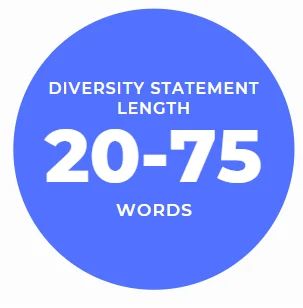
- Length: For a primary statement on a career page or job description, 20 to 75 words is ideal. This brevity ensures high retention and immediate understanding. For dedicated DEI pages, organizations can elaborate, providing supporting data, initiatives, and employee testimonials.
- Headlines: A compelling headline, beyond "Diversity Statement," helps capture attention and differentiate the organization. T-Mobile’s approach, often featuring powerful headlines, demonstrates how an initial hook can win over candidates. Hubspot’s "We’re all in on Belonging" immediately sets a tone.
- Grade Level Readability: Best practices dictate writing at an 8th-grade reading level or lower. This ensures accessibility for a broad audience, including those for whom English may not be their first language, or those quickly scanning content. Oath (now part of Yahoo) famously excelled at this, recognizing that busy candidates appreciate concise, plain language.
- Words Per Sentence: Shorter sentences significantly increase comprehension. Research from The Public Relations Society of America (PRSA) indicates that sentences with eight words or fewer achieve 100% comprehension, while 43-word sentences drop retention to a mere 10%. Aim for an average of 8-14 words per sentence to maintain high engagement.
- Positive Language: The deliberate use of positive, inclusive words (e.g., "opportunity," "empower," "thrive," "belonging," "innovate," "respect") evokes positive feelings and reinforces an inviting culture. Conversely, avoiding jargon or overly corporate phrasing enhances authenticity.
-
The Role of Data and Authenticity: While the explicit sharing of diversity metrics in public statements has become more complex due to legal considerations, companies are finding ways to subtly allude to their data-driven approaches. This might involve mentioning "evidence-based strategies" or "measured progress" internally, even if specific numbers aren’t always front-facing. The emphasis is on demonstrating a genuine, sustained effort rather than performative statements. Examples like Stanley Black & Decker mentioning "employee resource groups" provide concrete evidence of internal initiatives, building trust through action.
-
Avoiding AI Pitfalls: The Human Touch: The rise of AI tools in content generation presents a new challenge. While AI can assist in refining language, drafting entire diversity statements with AI often leads to generic, impersonal text. Psychology and Marketing research indicates that audiences perceive AI-generated diversity representation as artificial, triggering a lower sense of belonging and a negative brand reaction. The solution lies in using AI for editing and refinement, not initial drafting. What makes a statement feel human are specific details: named employee resource groups, explicit mention of underrepresented communities, stated metrics or commitments (even if general), or a headline that truly reflects the company’s unique culture. The "Ongig D&I Statement" provided in the original article, for example, combines directness ("We embrace diversity and equality in a serious way") with a clear business rationale ("it’s also the smart thing"), making it feel grounded.
Leading Examples in a New Environment
Several companies continue to set benchmarks for effective diversity statements, adapting to the 2026 environment by integrating the principles outlined above.
- Pfizer: Their "Merit-Based Diversity, Equity, and Inclusion" approach subtly addresses legal concerns by emphasizing merit while simultaneously promoting inclusion. Their statement highlights that diverse teams are "more collaborative, more accepting of different perspectives, and more representative of the world we all share," linking diversity directly to tangible benefits and societal representation.
- Google: Google’s statement, delivered through a VP, grounds its diversity efforts in its mission: "To build products that help billions of people reach their goals, we’re bringing together talented people from everywhere and empowering them to do their best work." This exemplifies tying diversity directly to business outcomes and global impact.
- Netflix: With a headline like "Stories That Reflect Our World" and "Inclusion Unlocks Innovation," Netflix connects its internal diversity to its external product. Their emphasis on "representation on-screen starts with representation in the office" and creating an "environment of inclusion and belonging" for employees clearly articulates their internal-first approach, which then impacts their global content.
- Hubspot: Their headline "We’re all in on Belonging" and sub-headline "Belonging fuels trust, sparks creativity, and amplifies ambition, transforming individual brilliance into collective genius" prioritize the concept of belonging, which is a key component of effective DEI that resonates deeply with employees and avoids some of the political baggage of the term "diversity" alone.
These examples, among others, demonstrate a common thread: a move towards clear, concise, mission-aligned, and authentic statements that resonate with candidates and employees by focusing on genuine belonging and measurable impact, rather than generic pledges.
Broader Impact and Future Outlook
The evolution of diversity statements in 2026 reflects a deeper shift in corporate governance and social responsibility. Companies are recognizing that superficial DEI efforts are not only ineffective but can also be detrimental to their brand and talent acquisition efforts. The focus on "results rather than public promises" indicates a maturation of the DEI field, demanding accountability and robust internal mechanisms.
The rebranding of DEI departments and the nuanced language adopted by corporations suggest a long-term strategic play. By embedding inclusion principles within broader "People & Culture" frameworks, organizations aim to make these values intrinsic to their operational DNA, less susceptible to external political fluctuations. This integration could lead to more sustainable and impactful change, as diversity and inclusion become woven into every aspect of talent management, from hiring and development to retention and leadership.
For candidates, this shift means a greater need to scrutinize not just what a company says, but what it does. Effective diversity statements will be backed by demonstrable actions, inclusive policies, and a culture that truly supports all employees. The future of diversity statements will likely see even greater emphasis on transparency regarding internal programs, measurable progress in representation, and a continued focus on fostering a deep sense of belonging for every individual within the organization. The journey towards true equity is a "lifelong marathon," as United Way NCA aptly puts it, requiring continuous commitment, adaptation, and bold strides.
Conclusion
In 2026, diversity statements remain a cornerstone of corporate identity and talent attraction, albeit in a refined form. The era of generic, buzzword-laden declarations has given way to a demand for specificity, authenticity, and measurable impact. Driven by legal scrutiny and political shifts, companies have strategically rebranded and refocused their efforts, ensuring that their commitments to inclusion are robust, defensible, and deeply integrated into their core missions. The most effective statements are now concise, highly readable, positive, and linked to tangible actions and outcomes, serving as a genuine invitation for diverse talent to thrive. This evolving landscape underscores that true inclusion is not merely a public promise, but a strategic imperative realized through consistent, data-backed efforts and a deeply human touch.