This week, Cornerstone OnDemand, a titan in the corporate learning technology sector with an estimated annual revenue of approximately $1 billion—significantly outpacing competitors like Docebo—announced its strategic pivot into the complex and rapidly evolving world of Artificial Intelligence. This move signals a fundamental reinvention for the company, aiming to leverage AI’s transformative power to reshape how organizations approach employee development and talent management. The announcement comes as the broader HR technology market grapples with unprecedented disruption, a shift that Josh Bersin, a prominent industry analyst, is closely observing as he prepares to release his forthcoming HR 2030 report.
Cornerstone’s Established Position in the Market
Cornerstone OnDemand has long been a dominant force in the Learning Management System (LMS) and Learning Experience Platform (LXP) space. With a customer base exceeding 7,000 enterprise clients, including many of the world’s largest and most recognizable brands, the company currently serves an estimated 140 million users globally. While LMS and LXP software form the core of its revenue, a substantial portion is also derived from its comprehensive talent management suite.
Founded 27 years ago as an e-learning platform provider, Cornerstone has historically been a pioneer, establishing the "talent-driven learning platform" market. The company has demonstrated a consistent ability to outpace or acquire rivals, effectively consolidating its position within the corporate learning ecosystem. The overall market for human capital management (HCM) solutions, which includes learning and talent, is estimated to be around $30 billion. However, this market is also significantly influenced by major players such as Workday, Oracle, and SAP, who offer integrated HCM suites. Within this competitive landscape, Cornerstone has carved out a niche, often lauded for its superior functionality compared to many competitors.

Since its privatization in 2021 for $5.5 billion, a valuation approximately five times its then-current revenue, Cornerstone has strategically expanded its portfolio through acquisitions. Notable additions include EdCast (an LXP platform), Skyhive (focused on skills and labor market data), and Tailspin (specializing in Virtual Reality for learning), alongside smaller content providers. While the company remains highly profitable, its market valuation has seen limited growth, a situation attributed in part to a perceived stagnation in its core market. This has prompted Cornerstone to proactively expand its sales channels, offer more integrated solutions, and enhance its feature set. Nevertheless, the company has acknowledged a need to refresh its brand perception and address customer retention challenges, as some clients explore newer, more innovative solutions upon contract renewal. This dynamic is not uncommon in the technology sector, where the allure of cutting-edge systems can lead organizations to re-evaluate their existing infrastructure. Cornerstone’s experienced leadership team, including Himanshu Palsule and Michael Pawlyszyn, is recognized for its execution-oriented approach, which is crucial for navigating such market shifts.
The AI Disruption: A Paradigm Shift in Learning
The landscape of corporate learning and development (L&D) has been fundamentally altered by the emergence of Artificial Intelligence, particularly following the widespread adoption of tools like ChatGPT in late 2022. The traditional "e-learning" or "published training content" market, a vast sector valued at over $400 billion, is now undergoing a rapid reinvention. This transformation is driven by AI’s capacity to generate, personalize, and deliver learning experiences at an unprecedented speed and scale.
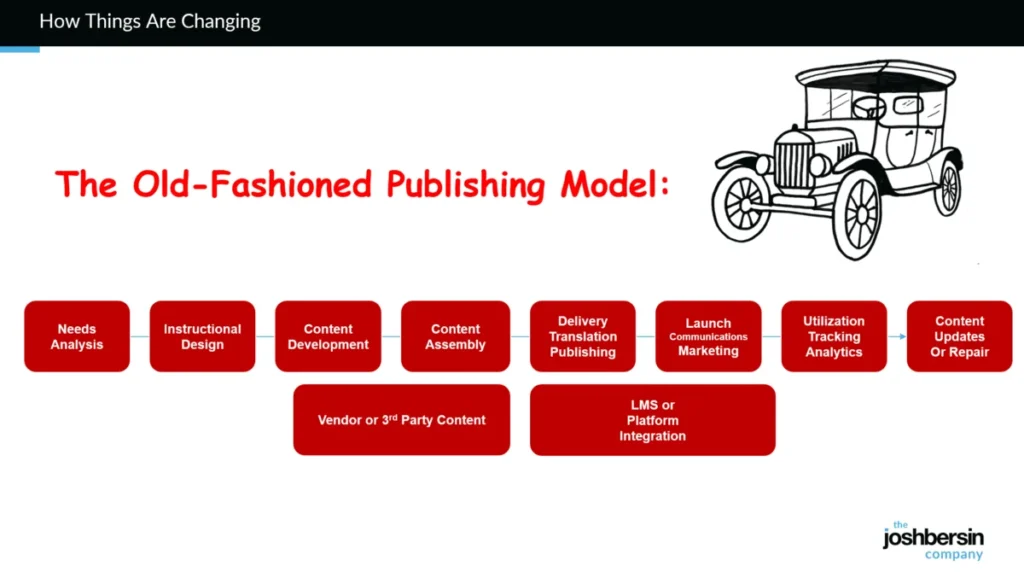
For decades, the development of corporate training content has followed a laborious, sequential process. Instructional designers, graphic artists, and subject matter experts meticulously authored, designed, and published content such as courses, videos, assessments, and simulations. This process, akin to writing and publishing a book, involved extensive planning, content sourcing, audience targeting, and months of development. The output was then translated, tested, and integrated into Learning Management Systems, often adhering to the SCORM (Sharable Content Object Reference Model) standard—a 35-year-old tracking protocol that primarily measures learner progress and completion rates.
This established model, which engaged a significant workforce of learning professionals, is now facing obsolescence. The inherent limitations of traditional content development—its slow pace, inflexibility in editing, and substantial cost—have become increasingly apparent. The creation of a single high-quality course, often costing tens of thousands of dollars, frequently faced scrutiny regarding its return on investment (ROI) and the lengthy development cycles. This constrained L&D departments and content providers, forcing them to make difficult choices about resource allocation and content prioritization. While many organizations and external content vendors produced valuable training materials, the underlying methodology was inherently slow and resource-intensive. The rise of accessible platforms like YouTube, offering vast amounts of information, further highlighted the inefficiencies of traditional corporate training development, even though these platforms lacked the structured tracking and security of enterprise solutions. This created a substantial market ripe for disruption, estimated at over $50 billion, waiting to be reimagined by AI.
AI’s Transformative Impact on Learning Content and Delivery
While initial concerns about AI-generated content mirroring the perceived quality of AI-authored essays were valid, the reality of AI in learning is proving to be far more sophisticated. AI-powered content creation tools are not only producing high-quality materials with remarkable speed—reducing development times from months to days or even hours—but also enabling a level of personalization previously unattainable. Even if an AI-generated course is not immediately perfect, the reduced development time allows for efficient iterative refinement.
Beyond content generation, AI is fundamentally changing the learning experience itself. Instead of passively navigating through static chapters, learners can now engage with AI-powered content as interactive experts, posing questions and receiving immediate, contextually relevant answers. This conversational approach transforms the learning "course" into a dynamic, living resource. Crucially, AI enables the delivery of highly personalized learning experiences, offering each employee a tailored version of the information they need, a feat that traditional SCORM-based content struggled to achieve.
Furthermore, AI-powered learning environments foster interconnectedness. If an employee is learning about a specific topic, such as fire safety in a refinery and needs information on sulfur dioxide hazards, they can simply ask the system. The AI can then retrieve information from relevant courses or knowledge bases, eliminating the need to manually search for a dedicated "sulfur dioxide safety" course. This shift is particularly significant because much of "corporate learning" today functions more as "enablement." Employees often require immediate access to information, tips, advice, or knowledge to perform their daily tasks, rather than engaging in lengthy, formal learning modules. AI-native learning experiences are thus poised to become indispensable tools for on-demand support and performance enhancement.
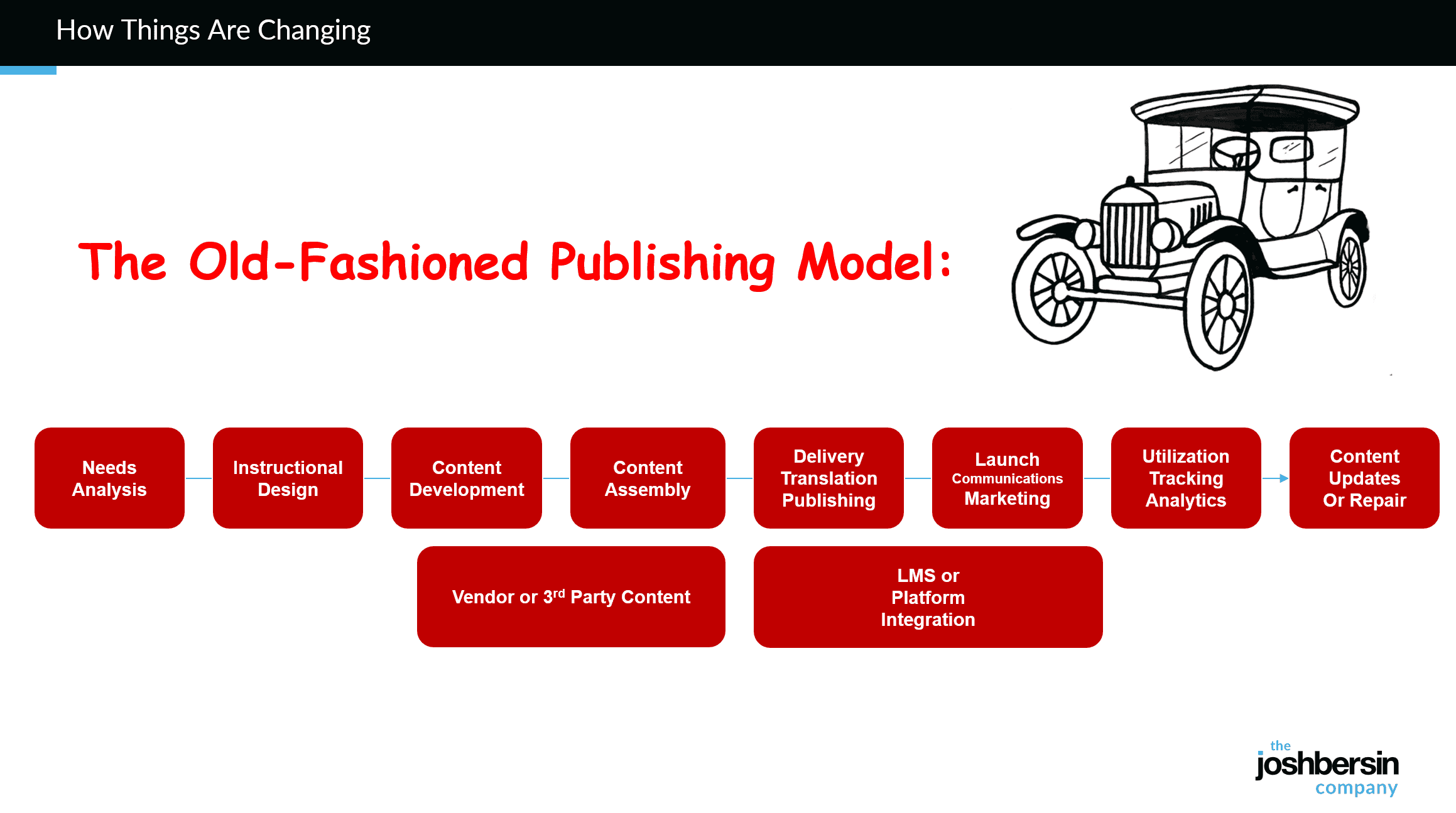
This evolution signifies a revolution not just in L&D but across the entire business. L&D departments are likely to become more streamlined, with a greater focus on enabling business operations directly. Many L&D professionals may transition into roles embedded within business units, acting as direct enablers of strategic objectives, with the exception of compliance-related training. Josh Bersin’s research, including a maturity model based on surveys from over 700 companies, indicates that organizations operating at advanced levels of learning agility are significantly more innovative and responsive to skill development needs, earning widespread acclaim from business leaders for their ability to generate relevant content rapidly.
Implications for Cornerstone and the Market
The rapid advancement of AI-native learning platforms presents both challenges and opportunities for established players like Cornerstone. Emerging competitors, including Sana, Docebo, Absorb, Uplimit, Arist, and others, are already offering AI-native learning solutions. Major tech players like OpenAI are integrating content from educational providers, and companies like Anthropic are actively assisting businesses in leveraging AI for learning.
The future of corporate learning, as exemplified by platforms like Galileo, points towards a scenario where every employee can query their personal AI agent to instantly access the necessary documents, courses, or subject matter expertise to address any work-related issue. This future state, detailed in Bersin’s upcoming HR 2030 report, envisions individual AI agents integrated into employee workflows, understanding their roles, communications, and digital footprints. These agents can then leverage this data to identify skill gaps, suggest learning pathways, or provide performance coaching, drawing upon a rich "People Graph" that maps employee skills, experiences, and career aspirations.
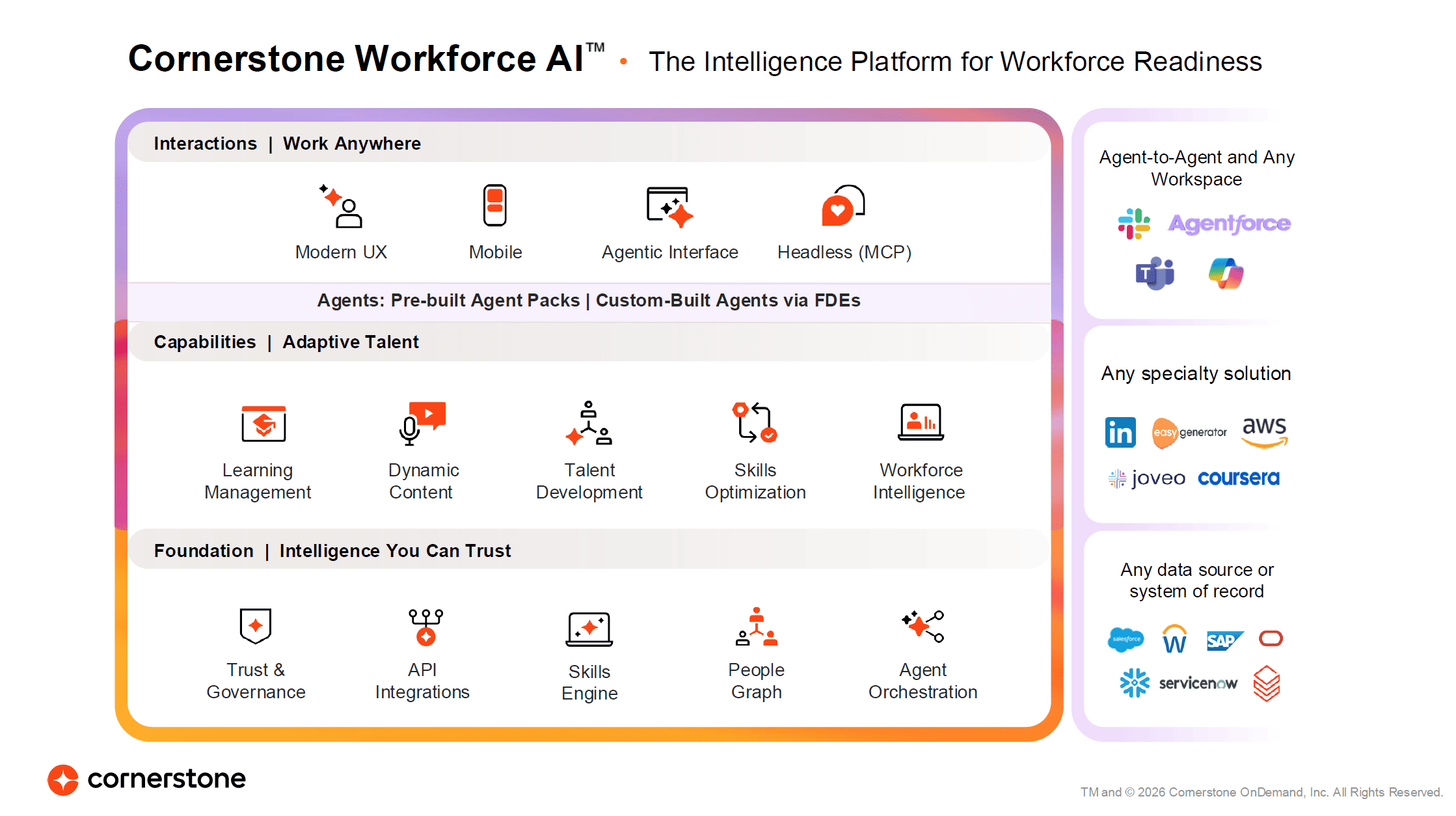
Cornerstone’s recent announcement of its "People Graph" is a critical component of this evolving landscape. By integrating data from various systems—including HRIS, LMS, project management tools, and employee surveys—Cornerstone aims to build a comprehensive understanding of its workforce. When combined with an AI-native learning platform, this data can empower AI agents to provide personalized nudges, onboarding plans, or management coaching as needed, thereby reducing reliance on traditional, often slow, learning interventions.
The implications for L&D professionals are profound. The shift in L&D spending is rapidly moving from traditional tools to these new AI-powered solutions. This transition could directly impact Cornerstone’s revenue streams from legacy offerings. More significantly, L&D leaders who do not embrace AI-native solutions risk diminishing budgets, seniority, and overall relevance within their organizations. The question will increasingly be asked: "Why is this budget being spent on content that is no longer the most effective or efficient way to enable our workforce?"
Cornerstone Workforce AI: A Strategic Reinvention
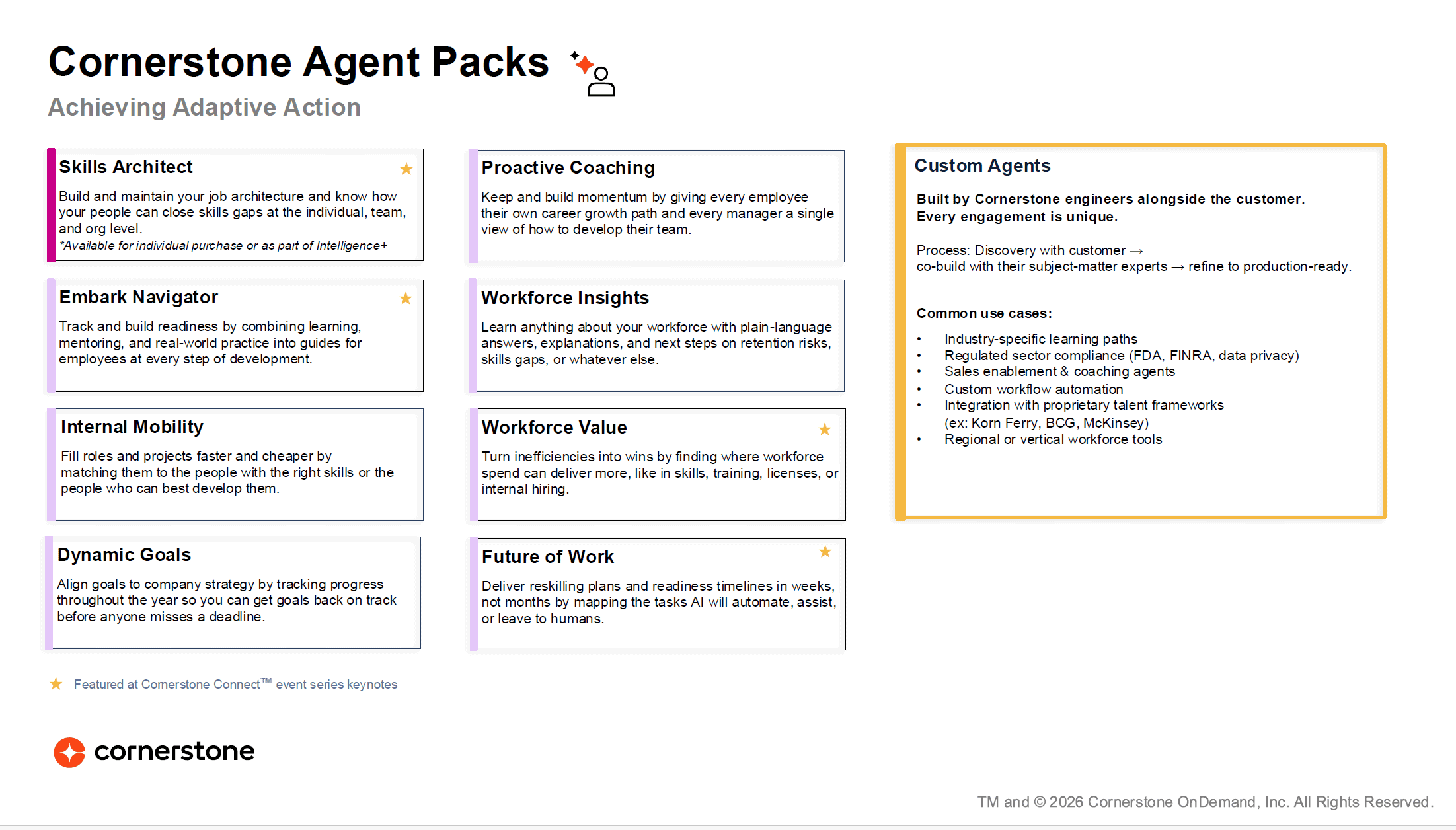
Cornerstone’s response to this disruptive trend is its newly launched "Cornerstone Workforce AI" platform. This initiative, spearheaded by the company’s AI team led by Guna Jayaraman, represents a deliberate and ambitious reinvention strategy. While still in its nascent stages, the platform integrates capabilities for skills and capability inference, an open "People Graph" designed for data integration from any enterprise system, and data services, including labor market intelligence from Skyhive. The platform also offers a suite of pre-built "Readiness Agents" designed to address immediate organizational challenges.
The platform’s architecture features a new AI-centric layer that works alongside or integrates with Cornerstone’s existing Galaxy learning platform. Customers can adopt the new capabilities either by migrating entirely to the AI-native environment or by upgrading their current licenses to unlock the new AI features.
Early customer feedback from companies in wealth management and media, as well as discussions with major enterprises like Cisco, indicate significant interest in leveraging Workforce AI for critical skills transformation, career mobility, and risk mitigation. These organizations are exploring how to integrate their proprietary company information into the platform to achieve substantial improvements in workforce capabilities.
While Workforce AI is not yet a fully "AI-native" platform in the same vein as some newer entrants, it is rapidly evolving towards that goal. Cornerstone has already introduced AI content development tools and agents to streamline LMS administration and analysis, embedding AI-native content features into both its existing and new environments. The current suite of packaged Agents, while not yet fully customizable by users, effectively leverages the extensive data and intelligence within the Workforce AI platform.
The Future Trajectory: Navigating the AI Revolution
Cornerstone’s strategic shift towards Workforce AI is a significant move in its 20-year history. The company’s management team is navigating the delicate balance between retaining its existing customer base and embracing the future of AI-driven learning. This bold pivot positions Cornerstone to potentially shape the future of the corporate learning market.
The substantial investments traditionally made in legacy training solutions are expected to decline as AI budgets become increasingly available and allocated. While established vendors like Sana and Docebo are already making strides in the AI-native space, Cornerstone possesses a significant opportunity to leverage its market presence and customer relationships to capture a substantial share of this burgeoning market.
For organizations ready to embrace this transformative era, Cornerstone’s new platform offers a powerful foundation for ambitious L&D strategies. Although the offering is still maturing and requires further development, its robust AI capabilities provide the potential to redefine how employees are enabled to succeed. The ultimate vision is an environment where every employee feels empowered to reach their full potential through personalized and on-demand learning experiences.
The success of Cornerstone’s reinvention will hinge on its ability to clearly articulate the value proposition of its AI solutions within the dynamic and rapidly changing AI market. As the landscape continues to evolve daily, Cornerstone’s capacity to innovate and communicate effectively will be paramount in securing its leadership position in the next generation of corporate learning.
Additional Information and Resources
- The World of Corporate Training Lurches Toward Dynamic Enablement
- The Enterprise Learning Tech Market Quickly Transforms Around AI
- The Definitive Guide to Corporate Learning: Reinvention in the Age of AI
- 2026 Imperatives for Enterprise AI: The Road Ahead
- The Great Reinvention of Human Resources Has Begun
- Introducing HR 2030: A Vision For Agentic Human Resources
- Get Galileo, The AI Agent for Everything HR