On September 21, 2026, World Gratitude Day arrives as more than just an annual observance; it presents a crucial opportunity for organizations worldwide to confront a burgeoning crisis in employee engagement. This day serves as a potent reminder of a fundamental truth often overlooked in the relentless pace of corporate life: individuals thrive and excel when they feel genuinely valued and appreciated. The timing of this introspection could not be more critical, especially in light of alarming data presented in the 2026 Engagement and Retention Report. This comprehensive global study, which surveyed 2,500 employees across various sectors and geographies, revealed a stark reality: a mere 25% of the global workforce is actively engaged in their work. This figure underscores a profound disconnect between employees and their professional environments, signaling potential long-term repercussions for productivity, innovation, and overall business health.
The implications of such widespread disengagement are far-reaching, extending beyond individual morale to impact bottom lines significantly. Disengaged employees are less productive, more prone to absenteeism, and significantly more likely to seek opportunities elsewhere, contributing to high turnover rates that incur substantial recruitment, training, and lost productivity costs. Conversely, the deliberate cultivation of gratitude within an organizational culture holds the transformative power to reverse these trends. Employees who experience consistent and authentic recognition exhibit higher levels of connection to their teams and company mission, demonstrate increased commitment to their roles, and are demonstrably more inclined to invest their best energy and creative potential into their daily tasks. However, gratitude is not a passive sentiment; it does not spontaneously permeate a corporate environment. It demands deliberate, consistent effort, strategic intention, and robust follow-through from leadership at all levels to become an ingrained cultural norm rather than a fleeting gesture.
Understanding World Gratitude Day: A Global Imperative
At its essence, World Gratitude Day is a universally recognized occasion designed to encourage a global pause for reflection and acknowledgment. It prompts individuals, teams, and entire communities to consciously identify and appreciate the people and contributions that enrich their lives and, significantly, their professional endeavors. Far from being a mere symbolic holiday, it promotes a mindset shift towards intentional recognition of positive influences, fostering resilience and strengthening interpersonal and organizational bonds. Unlike some commemorative days that fluctuate in date, World Gratitude Day is steadfastly observed on September 21st each year. In 2026, this will fall on a Monday, providing a timely impetus for workplaces to kickstart a week — and ideally, a longer period — of focused appreciation. This consistent annual timing aims to establish a reliable global moment for acknowledging the people and experiences that warrant our thanks.
While World Gratitude Day does not typically carry a prescribed, overarching theme in the conventional sense, its spirit consistently encourages a focus on celebrating what is functioning well and identifying the individuals who are instrumental in making improvements. The emphasis is less on a formal directive and more on cultivating a pervasive mindset that humanizes the workplace, fostering environments where contributions are seen, heard, and valued.
The Genesis of Global Appreciation: A Brief Chronology
The conceptualization of World Gratitude Day traces its origins to a pivotal moment in 1965. During a Thanksgiving dinner hosted at the United Nations building in Hawaii, a remarkable proposal emerged from Sri Chinmoy, a spiritual leader, philosopher, and peace advocate, renowned for his "Peace Meditations at the United Nations." Sri Chinmoy, alongside a diverse group of diplomats and humanitarians, articulated the vision for a dedicated global day focused on gratitude. This idea resonated deeply with those present, reflecting a growing international desire for greater unity and positive human connection amidst geopolitical tensions of the mid-20th century.
The proposal swiftly gained momentum, and the first official celebration of World Gratitude Day took place just one year later, on September 21, 1966. This marked the formal inception of an annual tradition that has since expanded its reach and influence across continents. Over the subsequent decades, the observance has evolved from its UN-centric beginnings into a more widely recognized occasion, embraced by various non-governmental organizations, educational institutions, and, increasingly, corporate entities seeking to enhance their internal cultures. Its progression highlights a gradual but persistent acknowledgment of gratitude’s profound psychological and social benefits, moving from a philosophical concept to a practical tool for fostering positive human interaction on a global scale.
Why World Gratitude Day Matters in the Modern Workplace

In the contemporary business landscape, World Gratitude Day assumes heightened importance. It furnishes organizations with a distinct, unambiguous focal point to address a primary desire among employees: genuine and consistent appreciation. This day serves as an invaluable opportunity to bridge critical gaps in employee engagement and retention strategies, issues that directly impact an organization’s competitiveness and long-term viability. The absence of appreciation is a silent killer of morale and a significant driver of turnover. Studies consistently show that feeling undervalued is a top reason employees leave their jobs, often even outweighing salary considerations.
The strategic significance of observing World Gratitude Day extends to several key areas:
- Addressing Engagement Deficiencies: With only a quarter of employees globally reporting engagement, a deliberate focus on gratitude can act as a potent antidote. Recognition fosters a sense of belonging and purpose, counteracting the apathy and detachment associated with disengagement.
- Boosting Morale and Well-being: Acknowledging contributions directly elevates employee morale. It signals that their efforts are noticed and appreciated, which can significantly reduce stress, burnout, and foster a more positive overall work environment.
- Enhancing Retention: Employees who feel valued are far less likely to seek employment elsewhere. Investing in a culture of gratitude is a cost-effective retention strategy, saving organizations considerable expenses related to recruitment and onboarding.
- Cultivating a Positive Culture: Gratitude is a cornerstone of a healthy organizational culture. It promotes psychological safety, encourages collaboration, and builds trust among colleagues and between employees and leadership.
- Driving Performance and Productivity: When individuals feel appreciated, they are motivated to perform at higher levels. Recognition validates hard work and encourages a commitment to excellence, directly impacting productivity and innovation.
- Reinforcing Company Values: By celebrating employees who embody core company values, organizations can tangibly demonstrate what those values mean in practice, reinforcing desired behaviors and strengthening cultural alignment.
Strategic Approaches to Celebrate and Embed Gratitude
To maximize the impact of World Gratitude Day, organizations should move beyond perfunctory gestures and implement strategic, sustainable initiatives. These efforts can transform a single day of observance into a catalyst for an enduring culture of appreciation.
-
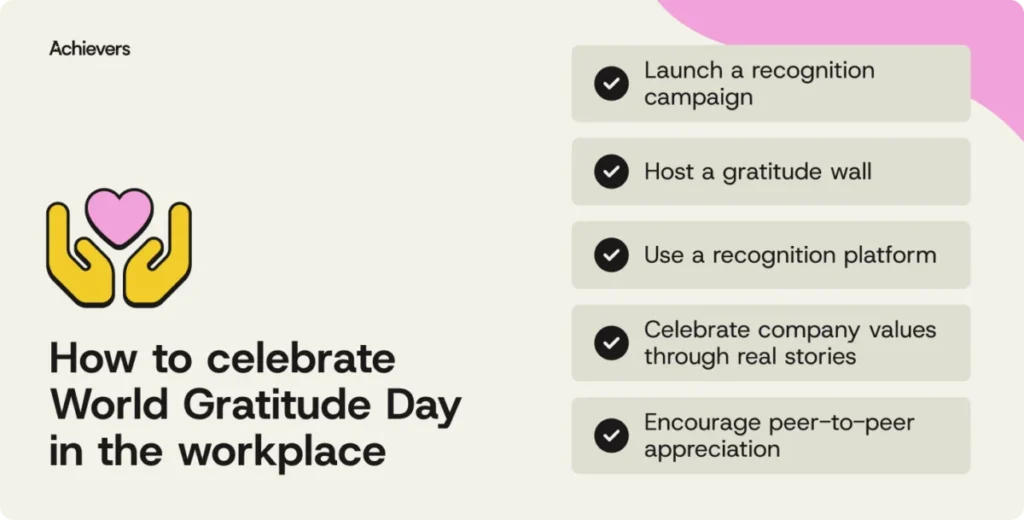
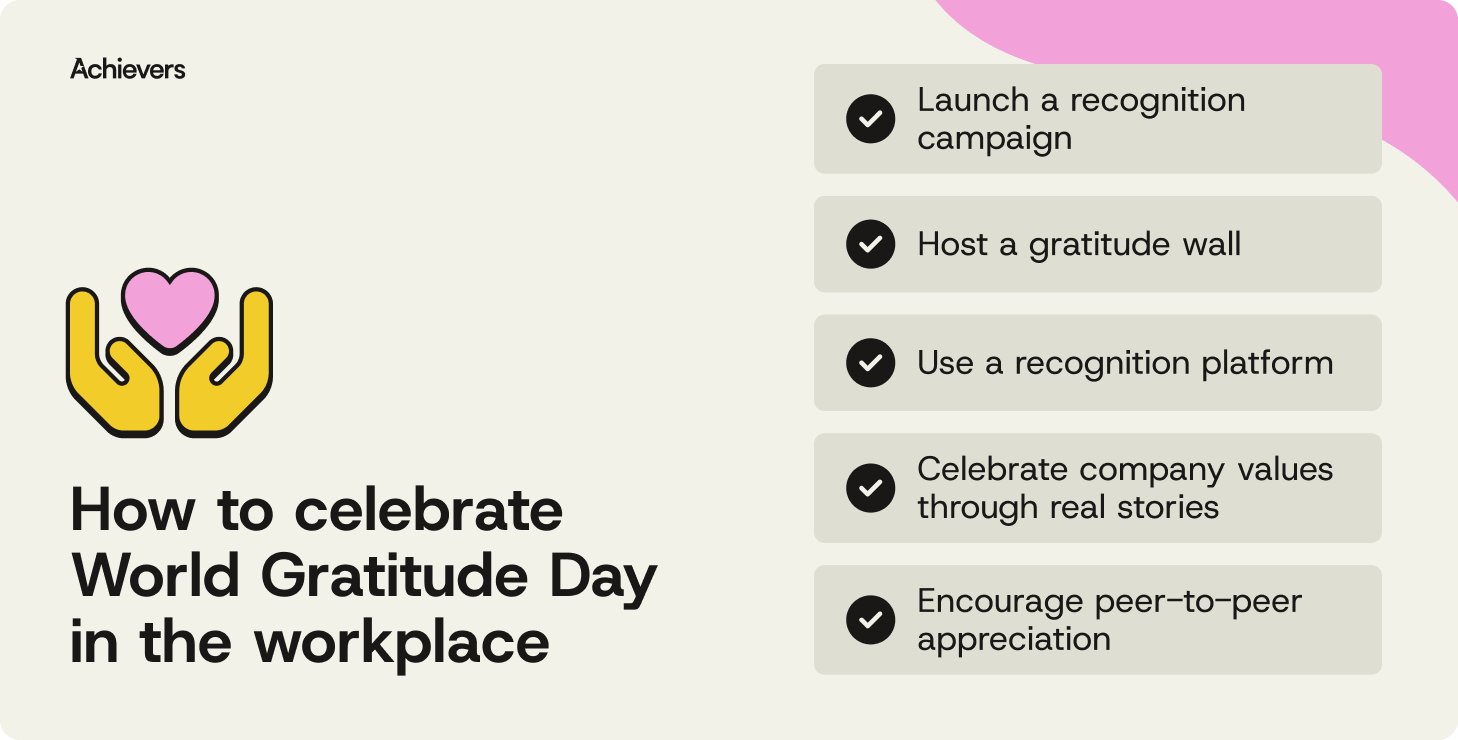
Launch a Targeted Recognition Campaign: Initiate a high-visibility campaign encouraging widespread peer-to-peer recognition. This can involve inviting employees to acknowledge colleagues who exemplify company values or have made significant contributions. Leveraging automated prompts, user-friendly recognition platforms, or pre-designed templates can simplify the process, ensuring higher participation rates. The easier and more accessible recognition is, the more likely employees are to engage with it consistently. Such campaigns not only highlight deserving individuals but also reinforce the behaviors and values that drive organizational success.
-
Host a Digital or Physical Gratitude Wall: Create a dedicated shared space for expressions of employee appreciation. A digital platform, designed as a social-style feed or a mobile-friendly application, allows all employees—whether in-office, hybrid, or fully remote—to easily post messages of thanks, share positive experiences, and celebrate achievements. For physical workspaces, a prominent gratitude board can serve a similar purpose, fostering a visible and tangible community of appreciation. This democratizes recognition, allowing everyone to contribute and witness the positive impact of their colleagues.
-
Celebrate Company Values Through Real Stories: Beyond simple thank-yous, spotlight specific moments and narratives that vividly illustrate excellent work and commitment to company values. These stories can be shared through internal newsletters, company meetings, or intranet features. Highlighting how an individual or team went above and beyond, solved a complex problem, or demonstrated exceptional teamwork makes people feel truly seen and understood. Such storytelling not only validates individual efforts but also subtly reinforces desired behaviors, guiding the broader culture and elevating performance standards.
-
Empower Managers with Gratitude Toolkits: Managers are pivotal in fostering a culture of appreciation. Equip them with comprehensive toolkits containing prompts, templates for recognition messages, and regular "nudges" to encourage consistent acknowledgment. Research, such as the AWI’s State of Recognition Report, consistently demonstrates that employees recognized by their managers are significantly more likely to trust them (19 times more likely) and recommend their company as a great place to work (16.5 times more likely). Providing managers with easy-to-use tools and real-time insights into team recognition patterns helps them build lasting habits of appreciation. This support transforms managers from supervisors into champions of employee well-being and engagement.
-
Encourage Peer-to-Peer Appreciation: Recognition should not be confined to hierarchical structures. Cultivate an environment where teammates feel empowered and encouraged to appreciate each other. Implement systems that facilitate quick, personal, and visible non-monetary appreciation for collaboration, support, and smaller, everyday wins. These informal expressions of gratitude, shared publicly where others can witness the impact, can significantly boost team cohesion, foster a supportive atmosphere, and reinforce the idea that every contribution, big or small, matters.
-
Utilize Recognition Platforms to Amplify the Day: Integrate specialized employee recognition platforms to streamline and enhance gratitude initiatives. These platforms enable recognition in the moment, across any device, offering features like automated reminders, social feeds, and visibility across departments. By making appreciation simple, consistent, and accessible to everyone, World Gratitude Day can transcend a single 24-hour period, becoming the springboard for a year-round habit of recognition that permeates the organizational fabric. Such tools can track recognition trends, identify unsung heroes, and provide valuable data on cultural health.
Best Practices for Sustained Gratitude
For gratitude to truly shape performance and culture, its practice must extend far beyond World Gratitude Day. Organizations should adopt best practices that embed appreciation into daily operations:
- Consistency is Key: Sporadic recognition loses its impact. Establish routines for regular acknowledgments, whether weekly team shout-outs, monthly awards, or real-time digital recognition.
- Specificity Matters: Generic "good job" messages are less impactful than specific feedback. Detail what the employee did well and why it mattered, linking it to organizational goals or values.
- Authenticity is Paramount: Genuine appreciation cannot be faked. Leaders and managers must truly believe in the value of their employees’ contributions for recognition efforts to resonate.
- Visibility and Inclusivity: Ensure recognition is visible to peers and leadership, and that all employees, regardless of role or department, have opportunities to be recognized and to recognize others.
- Training and Education: Educate employees and managers on the importance of gratitude and provide training on effective recognition techniques.
- Integrate with Performance Management: Weave recognition into performance reviews, goal setting, and career development discussions to show its strategic importance.
- Measure and Adapt: Regularly assess the effectiveness of recognition programs through employee surveys and feedback, and adapt strategies based on insights gained.
How Gratitude Shapes Performance at Work: A Deeper Dive
The link between gratitude and enhanced performance is well-documented and multifaceted. When employees feel appreciated, it triggers a cascade of positive psychological and behavioral outcomes:
- Increased Motivation: Recognition acts as a powerful motivator, encouraging individuals to maintain high standards and strive for continuous improvement. Knowing their efforts are seen and valued instills a desire to consistently deliver their best.
- Enhanced Engagement: As highlighted by the 2026 report, gratitude directly counters disengagement. Engaged employees are more invested in their work, proactively seek solutions, and contribute more innovatively.
- Improved Collaboration and Teamwork: A culture of gratitude fosters psychological safety, making employees more willing to take risks, share ideas, and collaborate openly without fear of judgment. When individuals appreciate each other, team dynamics improve, leading to more cohesive and effective collaboration.
- Greater Resilience and Well-being: Feeling valued provides a buffer against workplace stress and challenges. Employees with higher levels of gratitude tend to exhibit greater resilience, coping better with setbacks and maintaining a more positive outlook. This contributes to better mental health and reduced burnout.
- Reduced Absenteeism and Turnover: Appreciated employees are happier, healthier, and more committed, leading to lower rates of absenteeism and significantly reduced voluntary turnover, saving organizations substantial costs.
- Stronger Customer Service: Employees who feel valued internally are more likely to extend that positive sentiment to external interactions. This translates into improved customer service, higher customer satisfaction, and stronger brand loyalty.
- Innovation and Creativity: In an environment where contributions are celebrated, employees feel safe to experiment, share novel ideas, and push boundaries. This psychological safety is a critical ingredient for fostering innovation and creativity.
The Road Ahead: Sustaining the Spirit of Gratitude
World Gratitude Day on September 21, 2026, offers a potent moment for reflection, appreciation, and a strategic reset. However, its true, lasting impact will not be determined by the activities of a single day, but by the sustained efforts that follow. The challenge—and the profound opportunity—lies in what transpires after teams return to their routines and the immediate novelty of the observance fades. This is where leadership, particularly within HR teams and managerial ranks, must seize the initiative.
This day should serve as a powerful catalyst to institutionalize the habits that embed gratitude into the everyday organizational experience. It involves a conscious, continuous effort to notice exemplary work, articulate its value, and consistently reinforce the behaviors that empower individuals to perform at their peak. For organizations committed to cultivating a thriving, high-performing culture, integrating gratitude is not merely a soft skill or a feel-good initiative; it is a strategic imperative.
At Achievers, a leader in employee engagement and recognition solutions, the transformative power of consistent recognition has been consistently observed. Their experience and research underscore a fundamental truth: when employees genuinely feel seen, heard, and appreciated for their contributions, every aspect of the organization—from individual performance to team cohesion, from innovation to customer satisfaction—operates more effectively and efficiently. As the global workforce navigates an era of unprecedented change and demand for authentic connection, the principles championed by World Gratitude Day offer a roadmap for building more human, resilient, and ultimately, more successful enterprises. The investment in gratitude today is an investment in the organizational prosperity of tomorrow.