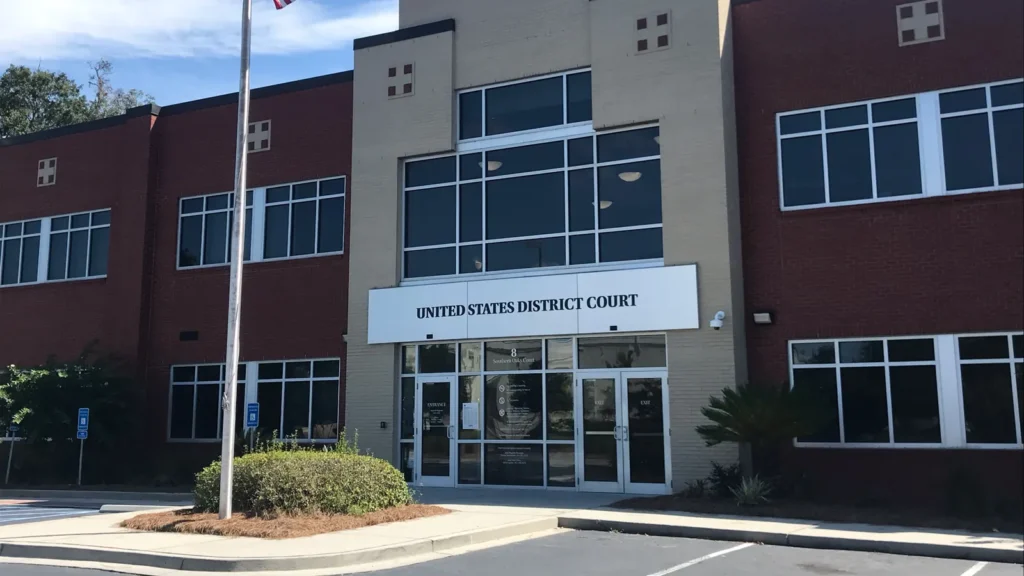
The U.S. Equal Employment Opportunity Commission (EEOC) has initiated legal action, asking a federal district court to compel Hyundai to explain its non-compliance with an agency subpoena for information related to an ongoing investigation into alleged anti-American discrimination. This significant development, detailed in a lawsuit filed on Thursday, September 26, 2026, in the U.S. District Court for the Southern District of Georgia, underscores the EEOC’s heightened focus on national origin discrimination as a core component of its regulatory agenda. The commission seeks an order to show cause, a legal mechanism requiring Hyundai to present why its administrative subpoena should not be enforced, signaling the agency’s resolve in pursuing alleged violations of federal employment law.
Allegations of Anti-American Bias and the EEOC’s Investigation
The genesis of the current legal dispute traces back to a commissioner’s charge filed in 2024 by then-EEOC Chair Charlotte Burrows. This charge specifically alleged that, since 2023, Hyundai’s ENG America division has systematically refused to hire or promote non-Korean workers for its operations situated in Alabama and Georgia. Such conduct, if proven, would constitute a clear violation of Title VII of the 1964 Civil Rights Act, a landmark piece of federal legislation that unequivocally prohibits employment discrimination based on national origin, along with race, color, religion, and sex.
National origin discrimination can manifest in various forms, including hiring or firing practices, promotions, job assignments, pay, and harassment. It encompasses discrimination based on an individual’s birthplace, ancestry, culture, linguistic characteristics, or appearance, as well as the perception that a person belongs to a particular national origin group. The EEOC’s investigation into Hyundai is probing whether the company’s internal policies and practices disproportionately favor individuals of Korean national origin, thereby creating a discriminatory environment for American-born or non-Korean candidates seeking employment or advancement within its Southern U.S. facilities.
The EEOC, tasked with enforcing federal laws prohibiting employment discrimination, possesses broad investigative powers, including the authority to issue subpoenas for relevant information. These subpoenas are critical tools for the agency to gather facts, review documents, and interview witnesses to determine whether discriminatory practices have occurred. When an employer fails to comply, the EEOC can petition a federal court for an order enforcing the subpoena, as it has done in this instance with Hyundai.
Chronology of the Subpoena Dispute
The path to the current federal court filing has involved a series of exchanges between the EEOC and Hyundai:
- January 1, 2020, Onwards: This date marks the beginning of the period for which the EEOC requested comprehensive employee data from Hyundai’s Alabama and Georgia locations.
- 2023 (Since): The period during which the alleged anti-American discrimination at Hyundai’s ENG America division is said to have commenced, according to the commissioner’s charge.
- 2024: Former EEOC Chair Charlotte Burrows filed the commissioner’s charge, formally initiating the agency’s investigation into Hyundai’s hiring and promotion practices.
- February 2026: The EEOC served a subpoena to Hyundai, formally requesting a wide array of information pertinent to the national origin discrimination investigation.
- Following February Subpoena: Hyundai responded by filing a petition with the EEOC to revoke or modify the subpoena, arguing that the requested information was overly broad or unduly burdensome.
- May 2026: The EEOC partially denied Hyundai’s petition, reaffirming the necessity of most of its original data requests but perhaps making minor concessions. The agency then set a new compliance deadline for the automaker.
- June 2026: Hyundai submitted its response to the subpoena. However, the EEOC classified this response as "deficient," alleging significant gaps and omissions in the provided data.
- September 2026 (Earlier this month): EEOC Chair Andrea Lucas posted a public video encouraging workers to submit anti-American discrimination charges, signaling the agency’s intensified focus on this specific form of national origin bias.
- September 26, 2026 (Thursday): The EEOC filed its lawsuit in the U.S. District Court for the Southern District of Georgia, seeking a court order to compel Hyundai to comply with the subpoena.
According to court documents, the data requested by the EEOC was extensive, covering all current and former employees of Hyundai’s Alabama and Georgia locations from January 1, 2020, to the present. The commission specifically cited several critical categories where Hyundai’s June response was lacking, including hire date, termination reason, nationality, and certain pay information.
Hyundai reportedly informed the EEOC that its internal BambooHR system could not readily provide certain information, such as employee nationality. However, the EEOC countered this assertion, contending that Hyundai could obtain such data through alternative means, explicitly referencing responses to mandatory employment forms filed with the Department of Homeland Security (DHS). These forms, such as the I-9 Employment Eligibility Verification form, typically contain information regarding an employee’s nationality or citizenship status, which could be relevant to an investigation into national origin discrimination. The EEOC’s insistence on this point suggests a belief that Hyundai’s explanation for non-compliance is insufficient and that the company has a feasible path to providing the requested data. As of the time of this report, a spokesperson listed for Hyundai did not immediately respond to a request for comment regarding the EEOC’s lawsuit.
Hyundai’s Pattern of Federal Scrutiny
This latest legal challenge from the EEOC is not an isolated incident but rather part of a broader pattern of federal scrutiny faced by Hyundai’s operations in the Southern United States over recent years. This history of regulatory attention provides crucial context to the current national origin discrimination probe, suggesting potential systemic issues in the company’s compliance with U.S. labor and employment laws.
One notable instance occurred in 2024, when the U.S. Department of Labor (DOL) filed a separate lawsuit alleging that Hyundai and one of its Alabama suppliers illegally "jointly employed" a 13-year-old child to manufacture auto parts. This case, which highlighted serious concerns about child labor laws and supply chain accountability, remains in ongoing litigation. The DOL’s investigation brought to light the complexities of responsibility within intricate manufacturing supply chains and the potential for major corporations to be held liable for labor violations even within their contractor networks.
Furthermore, Hyundai became the subject of a high-profile immigration enforcement operation just last year, in 2025. Federal agents detained nearly 500 individuals at a Georgia manufacturing facility linked to Hyundai. This operation constituted one of the largest single-site immigration enforcement efforts in U.S. history, according to the Associated Press, drawing national attention to the labor practices and workforce composition within the company’s U.S. footprint. Such an event would undoubtedly prompt further regulatory interest in Hyundai’s employment practices, potentially informing the scope and intensity of subsequent investigations by agencies like the EEOC.
These previous encounters with federal agencies—the Department of Labor on child labor and immigration authorities on workforce status—paint a picture of a company whose operations have repeatedly come under intense governmental review. This historical context suggests that federal agencies may be taking a more proactive and coordinated approach to examining Hyundai’s adherence to various U.S. labor and employment statutes, making the EEOC’s current subpoena enforcement action a continuation of this broader regulatory trend.

The EEOC’s Strategic Enforcement Priorities
The EEOC’s decision to pursue court enforcement against Hyundai also reflects the agency’s strategic enforcement priorities and its willingness to leverage its full legal authority to ensure compliance with federal anti-discrimination laws. While recent EEOC efforts to enforce investigative subpoenas have often focused on commissioner’s charges related to employers’ diversity, equity, and inclusion (DEI) programs—a hot-button issue in corporate America—the Hyundai filing demonstrates the agency’s commitment to utilizing this aggressive strategy across a broader spectrum of enforcement objectives.
Under the leadership of Chair Andrea Lucas, the EEOC has explicitly made national origin discrimination a prominent part of its regulatory agenda. This focus is particularly pronounced with respect to "anti-American bias," a category that encompasses discrimination against individuals perceived to be American, or who are not from a specific foreign national origin group. Chair Lucas’s public video earlier this month, actively encouraging workers to submit charges of anti-American discrimination, underscores this priority. Her direct appeal signals a proactive stance by the agency, indicating that the EEOC is not merely responding to complaints but is actively seeking out and encouraging reports of this specific type of discrimination.
This strategic emphasis on national origin discrimination, especially "anti-American bias," has several implications. It suggests that the EEOC is responding to perceived gaps in enforcement or an increase in such complaints. It also signals to employers, particularly foreign-owned companies operating in the U.S., that their hiring, promotion, and workplace culture will be scrutinized for potential biases that may favor expatriate workers or individuals from a specific national origin over qualified American or non-foreign national origin candidates.
The EEOC’s use of commissioner’s charges is also a strategic tool. Unlike individual charges filed by aggrieved employees, a commissioner’s charge allows the agency to initiate an investigation on its own initiative, often based on patterns or practices that suggest systemic discrimination. This allows the EEOC to conduct broader investigations into an employer’s practices rather than being limited to a single individual’s complaint. The fact that Charlotte Burrows, then-Chair, initiated this particular charge highlights its significance within the agency’s priorities.
Implications for Hyundai and the Broader Business Community
The EEOC’s lawsuit against Hyundai carries significant implications, not only for the automaker but also for the broader business community, particularly multinational corporations operating in the United States.
For Hyundai, the immediate consequence is increased legal pressure and potential reputational damage. Non-compliance with a federal court order could lead to sanctions, contempt of court charges, and further legal entanglement. Should the investigation ultimately uncover evidence of systemic national origin discrimination, Hyundai could face substantial financial penalties, including back pay, compensatory damages, and punitive damages, along with mandatory injunctive relief to reform its employment practices. Such an outcome could also pave the way for class-action lawsuits filed by affected employees or job applicants, compounding the company’s legal and financial liabilities. The ongoing scrutiny from multiple federal agencies could also deter potential employees and business partners, impacting its talent acquisition and market standing.

For other employers, particularly those with a diverse international workforce or foreign ownership, this case serves as a stark reminder of the importance of strict compliance with Title VII and other federal employment laws. It underscores the necessity of:
- Robust HR Systems and Record-Keeping: Companies must maintain comprehensive and accessible employment data, including information on national origin (when legally collected and used), to respond effectively to regulatory inquiries. Relying on inadequate systems like "BambooHR" in this case may not be a sufficient defense against agency demands.
- Proactive Compliance Audits: Regular internal audits of hiring, promotion, and compensation practices can help identify and rectify potential discriminatory patterns before they escalate into federal investigations.
- Clear Anti-Discrimination Policies and Training: Ensuring that all employees, especially managers and HR personnel, are thoroughly trained on national origin discrimination prohibitions and cultural sensitivity is paramount.
- Responsive Engagement with Regulatory Agencies: While companies have the right to challenge subpoenas, a cooperative and transparent approach, coupled with a genuine effort to provide requested information, can often mitigate prolonged legal battles.
- Understanding the Evolving Regulatory Landscape: The EEOC’s explicit focus on "anti-American bias" and national origin discrimination signals a shift that all employers must acknowledge and integrate into their compliance strategies.
Moreover, this case highlights the complexities of managing a global workforce and ensuring equitable treatment for all employees, regardless of their national origin. Multinational companies often navigate cultural differences and expatriate assignments, but these practices must always align with U.S. anti-discrimination laws. Perceived or actual favoritism towards certain national origin groups can quickly lead to legal challenges and erode employee morale.
The EEOC’s current action against Hyundai reinforces the message that federal agencies are vigilant in enforcing civil rights laws in the workplace. As the U.S. workforce becomes increasingly diverse, and global businesses continue to expand their operations, the scrutiny of employment practices related to national origin is likely to intensify. The outcome of the EEOC’s motion to compel Hyundai’s compliance will set a precedent for future interactions between federal regulators and corporations, solidifying the agency’s power to demand transparency and accountability in the pursuit of fair employment opportunities for all.