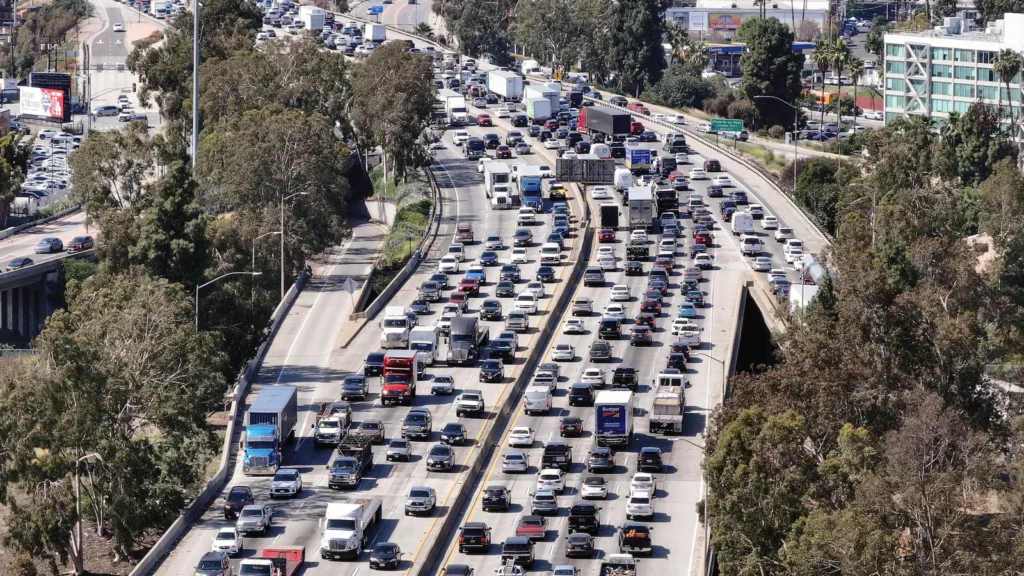
The implementation of return-to-office (RTO) mandates across numerous workplaces is imposing a significant financial burden on employees, amounting to an estimated "RTO tax" of $6,736 per year, which constitutes approximately 9.3% of a typical salary. This substantial cost, identified in a recent analysis by resume builder Resume.io, escalates dramatically for working parents, who face an average annual expense of $16,538 when factoring in childcare necessities. Beyond monetary outlays, the return to physical office spaces extracts a considerable toll in lost personal time, equivalent to weeks spent annually on commuting and preparation, fundamentally altering how employees perceive and value their jobs in the post-pandemic era.
Background and Evolution of Workplace Models
To fully grasp the implications of the "RTO tax," it is essential to understand the seismic shifts that have redefined the modern workplace over the past few years. Prior to the COVID-19 pandemic, the traditional office model was the prevailing norm for most knowledge workers. Employees typically commuted daily to a central location, fostering in-person collaboration, team building, and direct supervision. While remote work existed in niche sectors, it was not widely adopted nor universally accepted as a primary mode of operation for large organizations. The prevailing wisdom was that physical proximity was indispensable for innovation, mentorship, and maintaining a cohesive company culture.
The onset of the global pandemic in early 2020 served as an unprecedented catalyst, forcing businesses worldwide to rapidly transition to remote work models. This abrupt shift, initially viewed as a temporary measure, quickly demonstrated surprising levels of efficacy. Companies discovered that productivity could be maintained, and in many cases, even enhanced, as employees adapted to working from home. This period unveiled a host of benefits for employees, including increased flexibility, elimination of commute times, significant cost savings on transportation, meals, and professional attire, and a greater ability to integrate work with personal life responsibilities. Employers, in turn, recognized the potential for a wider talent pool, reduced real estate costs, and improved employee well-being, leading to a period where remote and hybrid work became not just a necessity, but a preferred operational strategy for many. Data from various sources, including the National Bureau of Economic Research, indicated that remote work became a permanent feature for a significant portion of the workforce, with many employees reporting higher job satisfaction and improved work-life balance.
However, as the immediate health crisis of the pandemic receded and vaccines became widely available, a growing number of companies began to re-evaluate their remote work policies. Driven by a desire to rekindle office culture, foster spontaneous collaboration, facilitate mentorship, and maximize returns on substantial real estate investments, many organizations started to implement return-to-office mandates. These mandates have taken various forms, ranging from full-time in-office requirements to hybrid models requiring employees to be present for a specified number of days per week. This pushback against fully remote work has been met with mixed reactions from the workforce, particularly as the economic landscape has simultaneously shifted, marked by persistent inflation, rising interest rates, and a general increase in the cost of living. The confluence of these factors has made the financial and temporal demands of returning to the office a critical point of contention and a significant burden on employees.
The "RTO Tax": A Deep Dive into Employee Costs
The analysis conducted by Resume.io, based on responses from an August Pollfish survey of 1,000 full-time U.S. employees working in an office at least one day per week, sheds light on the granular components of this "RTO tax." The survey, which gathered data from respondents across 36 metropolitan areas, estimated costs based on an average in-office attendance of 4.18 days per week. This methodology provides a representative snapshot of the financial strain experienced by a broad segment of the American workforce.
The primary driver of the RTO tax is commuting, accounting for a staggering $2,751 annually. This figure encompasses expenses related to public transit fares, fuel costs for personal vehicles, and vehicle maintenance directly attributable to daily commutes. With gasoline prices experiencing significant fluctuations and, in many regions, remaining elevated compared to pre-pandemic levels, and public transportation agencies often increasing fares to offset operational costs, the financial strain of commuting has intensified. For instance, according to the American Automobile Association (AAA), the national average for a gallon of regular unleaded gasoline, while fluctuating, has consistently been higher than historical averages in recent years, directly impacting the budgets of drivers. Similarly, major metropolitan transit systems, like those in New York City, Chicago, or San Francisco, have seen fare increases, adding to the weekly expenditure of commuters who rely on public transport. The average commute time in the U.S. is around 27 minutes each way, totaling nearly an hour per day, which translates into substantial fuel or fare costs over a year.
Beyond the direct cost of getting to and from the office, employees incur other substantial expenses. These include parking fees, which can range from a few dollars a day in smaller cities to hundreds per month in dense urban centers, particularly for those working in downtown districts. Daily spending on meals and coffee also adds up rapidly, as many employees find it impractical or choose not to pack their own food for convenience or lack of facilities. A typical lunch in a city can cost between $10-$20, accumulating to hundreds of dollars monthly. Furthermore, the need for professional attire, including initial purchases, dry cleaning services, and updated wardrobes, contributes to the overall financial burden, especially as dress codes in some sectors revert to more formal standards. Bethany Watson, a digital PR manager at Resume.io, aptly summarized this trend, stating, "Going to work has quietly become one of the biggest costs in a lot of people’s budgets." The survey data underscored this sentiment, revealing that more than half of respondents reported their work-related costs had risen in the past year, with a significant 19% indicating these costs had gone up "a lot," reflecting the broader inflationary pressures impacting household budgets across all sectors.
The Exacerbated Burden on Working Parents
The RTO tax disproportionately impacts working parents, for whom the annual cost spirals to an estimated $16,538. This dramatic increase is predominantly attributable to the soaring costs of childcare. When working remotely, many parents were able to reduce or eliminate childcare expenses, either by directly caring for their children during work hours, by relying on family support, or by opting for part-time solutions. The return to the office, however, often necessitates full-time, structured childcare arrangements that align with conventional work hours and commute times.
The United States faces a persistent childcare crisis, characterized by high costs, limited availability, and often, low wages for childcare providers. According to reports from organizations like Child Care Aware of America, the average annual cost of center-based childcare for an infant can range from $9,000 to over $20,000, depending on the state and region. For many families, childcare expenses now surpass housing or college tuition costs, consuming a significant portion of a household’s income. Forcing parents back into the office translates directly into a renewed or increased need for these expensive services, eroding a substantial portion of their take-home pay. This financial strain is compounded by the logistical challenges of commuting, managing school drop-offs and pick-ups, and navigating sick days, all while adhering to rigid office schedules. The RTO mandate, therefore, not only levies a financial tax but also a "time tax" and "stress tax" on working parents, often pushing them to reconsider their employment choices or reduce their working hours, with broader implications for gender equity and workforce participation, particularly for women.
The Invisible Toll: Time and Well-being
The RTO tax extends beyond mere financial figures, encompassing a significant non-monetary cost in the form of lost time. The Resume.io report found that employees annually lose approximately 23 full eight-hour workdays solely to their commute. This translates to nearly a month of a standard work year dedicated just to travel, consuming time that could be spent on productive work, personal activities, or rest. Furthermore, an additional 17 days are lost each year in preparation for the office, including essential activities such as showering, getting dressed, doing hair, and preparing food to bring in.
Combined, these non-work-related activities consume an estimated 40 full workdays annually, or 320 hours, for the average employee. This loss of personal time has profound implications for employees’ well-being, work-life balance, and overall quality of life. The time spent commuting and preparing could otherwise be allocated to family time, personal development, exercise, hobbies, community involvement, or simply rest. This erosion of personal time contributes to increased stress, burnout, and a diminished sense of control over one’s daily life. For many, the ability to reclaim this time was one of the most cherished benefits of remote work, and its forfeiture represents a significant hidden cost of RTO mandates. This temporal burden can also impact mental health, as longer commutes are often associated with higher stress levels, reduced sleep quality, decreased life satisfaction, and increased feelings of isolation, as evidenced by various sociological studies on urban living and commuting patterns. The mental energy expended during commutes and preparations can also reduce an individual’s capacity for engagement outside of work.
Implications for Talent Attraction and Retention
The cumulative effect of the "RTO tax," both financial and temporal, is significantly reshaping the landscape of talent attraction and retention. Amanda Augustine, a resident career expert at Resume.io and a certified professional career coach, highlighted this shift, stating, "Candidates are looking at job opportunities differently than they did before the pandemic. It’s no longer just about the work they’ll be doing, the company they’ll be joining, or the salary they’ll receive. They’re also thinking about how that job, and everything it requires of them, will fit in with the rest of their lives."
In today’s competitive job market, especially for skilled positions in technology, finance, and other knowledge-based industries, candidates are increasingly performing "mental math" when evaluating job offers. This calculation includes assessing the frequency of required commutes, the additional time these commutes will add to their day, and the associated costs of gas, parking, public transit, childcare, and meals. For many, a higher salary offer might be effectively negated by the perceived or actual "RTO tax," making a remote or more flexible hybrid role with a slightly lower base salary more attractive due to the significant savings in time and money. For example, a $5,000 salary increase could be entirely consumed by an RTO tax, leaving the employee no better off financially, while simultaneously increasing their stress and reducing their personal time.
This phenomenon presents a critical challenge for employers. Companies with rigid RTO mandates may find themselves at a disadvantage when competing for top talent, particularly against organizations that offer greater flexibility. It can lead to increased employee turnover, as individuals seek out roles that better align with their desired work-life integration and financial realities. The "Great Resignation" and subsequent "Great Re-evaluation" of work have underscored employees’ desire for