
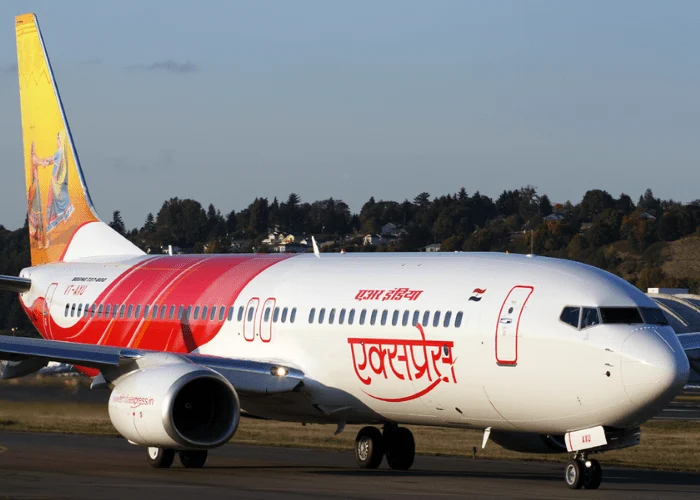
Air India, the flagship carrier under the Tata Group’s stewardship, is poised to introduce a comprehensive Performance-Linked Stock Option Plan (PSOP) for its diverse workforce, a strategic move designed to significantly bolster profitability, cultivate a high-performance culture, and ensure long-term talent retention. This landmark initiative, arriving nearly four years after its re-acquisition by the Tata Group, represents a fundamental shift towards an incentive structure that directly ties employee rewards to the airline’s operational and financial achievements. The proposed scheme, which has already secured crucial shareholder approval earlier this year, is set to grant stock options to a broad spectrum of employees, encompassing critical roles such as pilots, engineers, and senior leadership positions, underscoring a collective approach to the airline’s future success.
The PSOP is not merely a gesture of goodwill but a meticulously designed framework intended to embed a sense of ownership and shared destiny among Air India’s employees. Under the provisions of the plan, a staggering total of over 227 million stock options will be issued. While this figure represents a fractional portion of the airline’s overall equity, its symbolic and potential financial value to employees is immense. These options will become exercisable after a defined vesting period, which is structured to range from one to five years. This staggered vesting schedule is a deliberate mechanism to encourage longer tenures within the organisation, thereby fostering stability, continuity, and the accumulation of institutional knowledge crucial for a complex operation like an airline. The pricing of these options will be intelligently linked to either the face value of the shares or the prevailing market value at the time of their grant, providing a clear and transparent valuation methodology.
The Genesis of a New Era: Tata’s Vision for Air India
To fully appreciate the significance of the PSOP, it is essential to contextualize it within Air India’s storied yet turbulent history and the monumental turnaround effort spearheaded by the Tata Group. Founded in 1932 by J.R.D. Tata as Tata Air Services, later Tata Airlines, it pioneered civil aviation in India before being nationalized in 1953. For decades, it was a symbol of Indian pride and global connectivity, renowned for its service and reach. However, under state ownership, the airline grappled with bureaucratic inefficiencies, chronic financial losses, aging fleet, and intense competition, leading to a precipitous decline in its market position and reputation. By the early 2000s, Air India had become a significant drain on public exchequer, accumulating billions in debt.
The journey back to its original founders began with the Indian government’s persistent efforts to privatize the debt-ridden airline. After several failed attempts, the Tata Sons-led consortium, Talace Pvt. Ltd., emerged as the successful bidder in October 2021, marking a poignant homecoming for the airline. The official handover occurred on January 27, 2022, placing the daunting task of revival squarely on the shoulders of the Tata Group. At the time of acquisition, Air India inherited a staggering debt of approximately INR 60,000 crore (around USD 7.2 billion), an aging fleet, a fragmented network, and significant operational challenges.
Since the acquisition, the Tata Group has embarked on an ambitious, multi-pronged transformation strategy. This includes a historic order for 470 new aircraft from Airbus and Boeing – one of the largest single aircraft orders in aviation history – aimed at modernizing its fleet and expanding its global footprint. The group is also actively working on streamlining operations, revamping its in-flight services, upgrading its digital infrastructure, and consolidating its airline businesses, notably the ongoing merger of Vistara with Air India. The introduction of the PSOP is a crucial human resources component of this broader transformation, recognizing that a motivated, invested workforce is indispensable to achieving the ambitious targets set for the airline’s revival.
A Strategic Timeline: From Nationalization to Equity Ownership
The narrative of Air India’s transformation is punctuated by key historical and recent milestones:
- 1932: J.R.D. Tata founds Tata Air Services, which later becomes Tata Airlines.
- 1946: Tata Airlines is renamed Air India, and in 1948, Air India International is launched, beginning overseas services.
- 1953: Air India is nationalized by the Indian government, separating it from the Tata Group.
- Early 2000s: The Indian government begins exploring privatization options for Air India due to mounting losses.
- 2007: Air India merges with Indian Airlines, leading to further integration challenges and financial strain.
- October 8, 2021: Tata Sons’ subsidiary, Talace Pvt. Ltd., wins the bid to acquire Air India.
- January 27, 2022: The Tata Group officially takes over the management and operations of Air India, marking its return to its original founders after 69 years.
- Early 2023: Air India announces a massive order for 470 new aircraft, signaling a major fleet modernization and expansion plan.
- Early 2024: Air India shareholders approve the Performance-Linked Stock Option Plan (PSOP).
- Ongoing (2024 onwards): Implementation of the PSOP, with varying vesting periods (one to five years) for eligible employees.
- Future Outlook: The PSOP is widely seen as a precursor to a potential Initial Public Offering (IPO) for Air India in the coming years, enabling the airline to unlock further value and access public capital markets.
Mechanics of Motivation: Deconstructing the PSOP
The Air India PSOP is meticulously designed to foster a direct link between individual and collective performance and tangible financial rewards. The plan’s intricate structure outlines several key operational details:
- Eligibility and Scope: The plan is inclusive, targeting a wide array of employees critical to the airline’s operations and strategic direction. This includes the highly skilled and in-demand pilot community, the essential engineering staff responsible for fleet maintenance and safety, and the senior leadership team driving the strategic vision. While specific numbers are not publicly disclosed, Air India, post-merger with Vistara, is expected to have a workforce exceeding 20,000 employees. The PSOP’s focus on key operational and leadership roles suggests a targeted approach to those directly impacting performance and long-term value creation.
- Number of Options: The issuance of over 227 million stock options, while a "small fraction" of the airline’s total equity, represents a substantial pool of potential wealth creation for employees. This volume is significant enough to provide a meaningful incentive without diluting existing shareholder value excessively or creating undue speculative pressure.
- Vesting Period: The phased vesting period, ranging from one to five years, is a cornerstone of the plan’s long-term retention strategy. It ensures that employees remain committed to the organisation for a sustained duration to fully realize the benefits of their options. This structure helps in mitigating attrition, especially for highly sought-after talent like experienced pilots and engineers, whose training and replacement costs are substantial.
- Pricing Mechanism: The flexibility in pricing—either at face value or prevailing market value at the time of grant—offers a balanced approach. If the options are granted at face value, it offers a higher potential upside for employees should the airline’s valuation significantly appreciate. If priced at market value (assuming a future listing or internal valuation), it still provides an incentive linked to future growth above that benchmark.
- Performance Linkage: A critical differentiator of the PSOP from a standard ESOP (Employee Stock Option Plan) is its explicit performance linkage. The structure dictates that employees may receive reduced benefits if predefined internal targets are not fully met. These targets are likely to encompass a range of metrics, including operational efficiency (e.g., on-time performance, load factors), financial performance (e.g., revenue growth, cost reduction, profitability milestones), customer satisfaction scores, and potentially individual performance goals. This "pay-for-performance" model is a powerful motivator, ensuring that rewards are earned through demonstrated contributions to the airline’s success.
- Oversight and Governance: A board-level committee has been tasked with the crucial responsibility of overseeing all aspects of the PSOP. This includes establishing clear eligibility criteria, determining the allocation of options to various employee groups and individuals, and making final decisions on pricing. This high-level oversight ensures transparency, fairness, and alignment with the overall strategic objectives of the Tata Group and Air India.
Industry Context and Competitive Landscape
The introduction of Air India’s PSOP aligns with a broader, evolving trend within the global and Indian aviation industry, where equity-linked compensation is gaining increasing traction. Traditionally associated with startups and technology companies, ESOPs and PSOPs are now being adopted by established enterprises, including airlines, to attract and retain top talent in highly competitive sectors.
The Indian aviation market is one of the fastest-growing in the world, characterized by intense competition, price sensitivity, and a constant demand for skilled personnel. Carriers like IndiGo, the dominant player in the domestic market, have previously utilized ESOPs to incentivize employees. Newer entrants, such as Akasa Air, also recognize the importance of competitive compensation packages. For Air India, competing against both low-cost carriers and full-service rivals like Vistara (prior to merger) and international airlines for talent is a constant challenge. A PSOP offers a compelling differentiator, allowing Air India to offer not just a salary but a stake in the company’s future growth.
Globally, major airlines have also explored similar incentive schemes. Equity compensation helps to align the interests of employees with those of shareholders, encouraging a long-term perspective and a focus on sustainable growth and profitability. In an industry notoriously susceptible to external shocks (fuel price fluctuations, pandemics, geopolitical events), having an invested workforce can be a critical factor in resilience and successful navigation of challenges.
Voices from the Cockpit and Boardroom: Anticipated Reactions
The announcement of the PSOP is expected to elicit a range of reactions from various stakeholders:
- Air India Management: CEO Campbell Wilson and other senior leaders are likely to emphasize the PSOP as a cornerstone of their talent strategy, reinforcing the message of shared ownership, performance-driven culture, and a commitment to making Air India a world-class airline. Statements would likely highlight the plan’s role in motivating employees to contribute actively to the airline’s turnaround and future success.
- Tata Group: A spokesperson for the Tata Group would likely reiterate their long-term commitment to Air India’s revival, portraying the PSOP as an embodiment of the group’s employee-centric philosophy and its governance standards. They might underscore how such initiatives are vital for building sustainable value across their diverse portfolio.
- Aviation Analysts and HR Experts: Industry observers and human resources specialists are expected to view the PSOP as a shrewd and necessary strategic move. Analysts might commend Air India for aligning employee incentives with shareholder value, suggesting it could lead to improved operational efficiency, service quality, and overall financial performance. Many would also interpret it as a significant step towards preparing Air India for a potential public listing, making the airline more attractive to future investors by demonstrating a motivated and invested workforce. HR experts would likely discuss the plan’s potential to significantly boost employee morale, foster a sense of belonging, and enhance retention rates, especially for critical roles.
- Employee Representatives and Unions: While generally positive about wealth creation opportunities, employee unions might express cautious optimism. Their reactions could focus on the transparency of performance metrics, the fairness of allocation across different employee grades, and ensuring that the PSOP complements, rather than replaces, other traditional benefits and collective bargaining agreements. They would likely advocate for clear communication and equitable implementation.
Broader Implications: Reshaping Air India’s Future
The introduction of the PSOP carries profound implications that extend beyond mere compensation, potentially reshaping Air India’s trajectory in several critical ways:
- For Employees: The most direct impact will be on the eligible employees, offering them a tangible opportunity for wealth creation linked to the airline’s success. This fosters a "we are all in this together" mentality, transforming employees from mere wage earners into stakeholders with a vested interest in the company’s performance. This sense of ownership can significantly boost morale, motivation, and productivity, potentially reducing attrition rates in a highly competitive job market. It also offers a significant shift from the public sector mindset, where individual performance was often less directly linked to financial upside.
- For Air India’s Turnaround: The PSOP is a powerful tool in driving the cultural transformation necessary for Air India’s revival. By directly linking rewards to performance outcomes, it incentivizes employees to actively seek efficiencies, improve service delivery, and contribute to the airline’s profitability goals. This performance-oriented culture is vital for shedding the legacy of inefficiencies and establishing Air India as a competitive, customer-centric, and financially robust airline. Improved employee engagement can lead to better on-time performance, reduced operational disruptions, and enhanced customer satisfaction – all critical components of a successful turnaround.
- For the Tata Group’s Strategy: For the Tata Group, the PSOP reinforces its commitment to building a world-class airline and unlocking the immense potential of Air India as a strategic asset. It demonstrates a sophisticated approach to corporate governance and human capital management, showcasing how a blend of strategic investments, operational restructuring, and human resource initiatives can drive large-scale corporate turnarounds. The success of Air India under this new model could serve as a blueprint for other complex transformations within the group.
- For the Indian Aviation Market: Air India’s PSOP could set a new benchmark for employee compensation strategies within the Indian aviation sector. As other airlines strive to attract and retain talent, particularly skilled pilots and engineers, they may be compelled to review and potentially enhance their own incentive schemes, leading to a more competitive and employee-friendly environment across the industry. This could also spur innovation in talent management within the broader Indian corporate landscape.
- Pathway to Public Listing: The PSOP is widely viewed as a critical preparatory step towards a potential Initial Public Offering (IPO) for Air India in the future. Establishing a performance-linked equity culture among employees makes the company more attractive to potential public investors, signaling a strong internal alignment towards value creation. A successful IPO would allow the Tata Group to unlock significant value from its investment and provide Air India with access to public capital markets for future expansion and strategic initiatives.
While the potential benefits are substantial, challenges remain. Effective communication of the plan’s intricacies, fair and transparent target setting, and consistent oversight by the board committee will be crucial. Market volatility, industry-specific challenges, and the ability to consistently meet ambitious performance targets will also influence the ultimate value realized by employees.
In conclusion, Air India’s Performance-Linked Stock Option Plan is far more than just an employee benefit; it is a strategic declaration. It signifies a profound commitment by the Tata Group to transform Air India into a globally competitive airline, powered by a motivated, invested, and performance-driven workforce. As Air India navigates its ambitious journey of revival, the PSOP stands as a cornerstone of its strategy, promising to align the aspirations of its employees with the destiny of the nation’s revitalized flag carrier.








