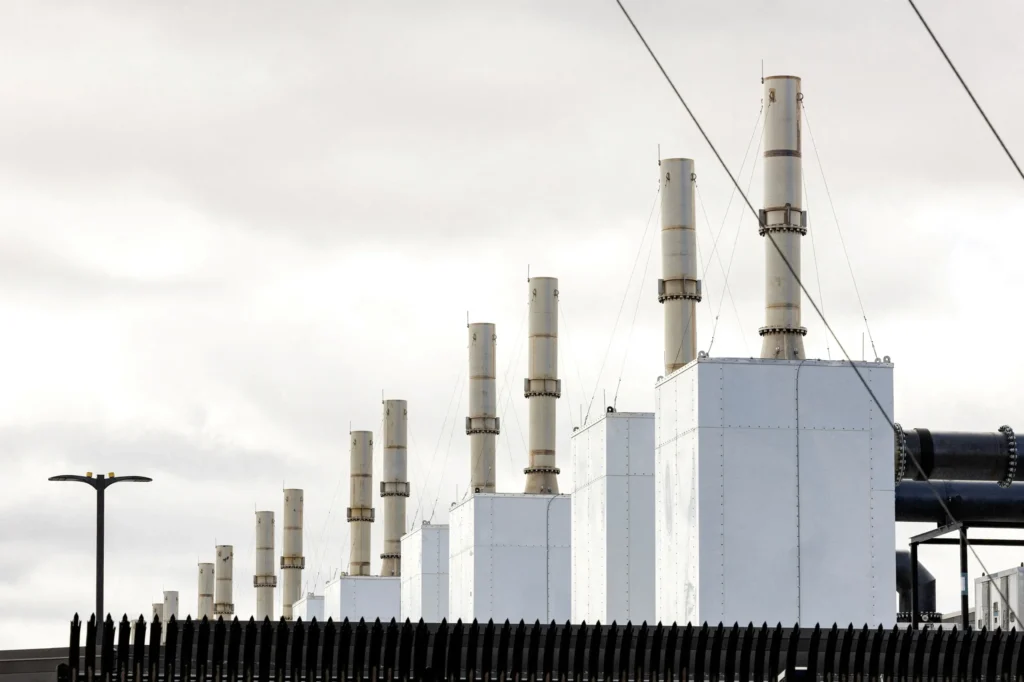
Maine lawmakers have taken a significant step toward becoming the first U.S. state to impose a moratorium on the construction of new data centers, responding to escalating public and political opposition fueled by concerns over the energy demands of these facilities, their impact on household electricity bills, and their environmental footprint. The proposed legislation, which has cleared both the House and the Senate, now awaits final approval from Democratic Governor Janet Mills. If enacted, the bill would place a hold on approvals for data centers requiring more than 20 megawatts of power until October 2027. This pause is intended to allow a state-appointed council ample time to conduct a comprehensive analysis of the potential impacts of these energy-intensive operations on Maine’s electrical grid, residential energy costs, and vital environmental resources like air and water quality.
The bill’s passage through the legislative chambers signals a growing unease among policymakers nationwide regarding the rapid expansion of data centers, which are crucial for powering everything from cloud computing and artificial intelligence to streaming services and online gaming. The House voted 79-62 in favor of the measure, with the Senate following suit with a 21-13 vote on the same day. Governor Mills’ office had not immediately issued a statement regarding the bill’s final passage at the time of reporting. However, sources close to the administration have indicated that the Governor has expressed a desire for an exemption for a smaller-scale data center project already in development, citing its use of existing infrastructure and its projected minimal impact on the state’s grid and energy prices.
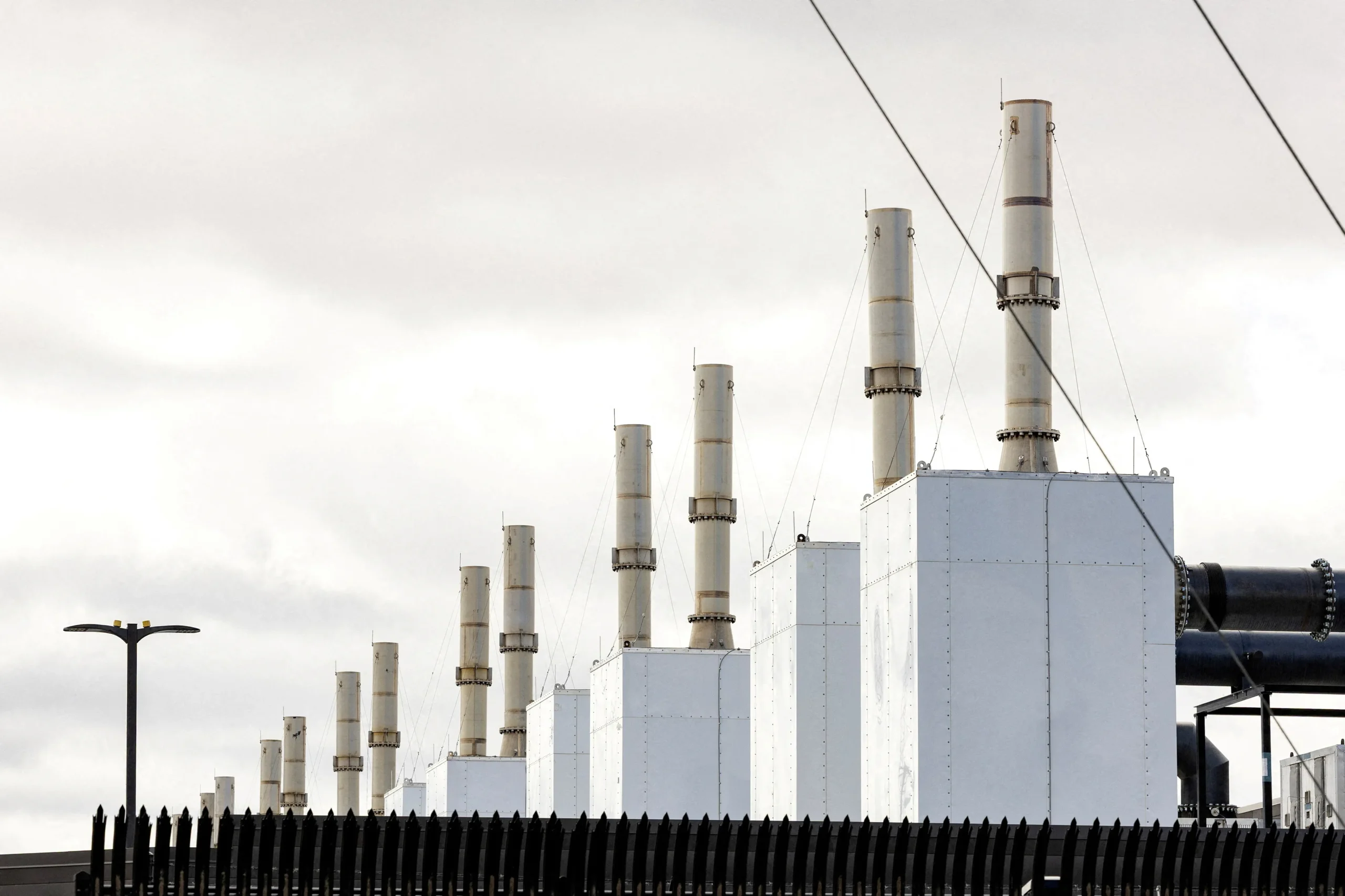
Maine’s legislative action positions it as a potential trailblazer, serving as a critical test case for other states grappling with similar debates. Across the nation, at least eleven other states are currently considering or have introduced legislation aimed at either halting or significantly restraining the development of new data centers. This burgeoning legislative movement reflects a broader societal reckoning with the unseen infrastructure that underpins our digital lives.
The Growing Demand for Data Centers and Associated Concerns
Data centers, often described as the physical backbone of the internet and the digital economy, are massive facilities housing thousands of servers, storage devices, and networking equipment. These facilities require substantial amounts of electricity to power their operations and, critically, to cool the heat generated by the constant processing of vast quantities of data. As the demand for digital services, artificial intelligence, and data-intensive applications continues to surge, so too does the need for more data centers.
This exponential growth, however, has come with a significant environmental and economic cost. The immense power consumption of data centers places a considerable strain on existing electricity grids, particularly in regions with already tight energy supplies or a heavy reliance on fossil fuels. Critics argue that the construction of new power generation capacity, often necessary to meet this demand, can exacerbate carbon emissions and contribute to climate change. Furthermore, the substantial electricity needs of data centers can lead to increased wholesale energy prices, which can ultimately be passed on to residential consumers in the form of higher utility bills.

Beyond energy concerns, data centers also raise questions about water usage, as many employ water-cooling systems that can consume vast quantities of this precious resource. The physical footprint of these facilities, along with their associated infrastructure like substations and transmission lines, also raises concerns about land use and potential impacts on local ecosystems.
A National Wave of Scrutiny and Proposed Solutions
The concerns surrounding data centers are not confined to Maine. In recent months, a chorus of voices, including environmental advocates, consumer groups, and even some tech industry insiders, have raised alarms about the unchecked expansion of these facilities. This growing backlash has prompted various legislative and administrative responses at both the state and federal levels.
In a notable development last month, the Trump administration announced a voluntary pledge secured from major technology companies. Under this agreement, these companies committed to bearing the costs associated with new electricity generation required to power their data centers. This initiative aimed to address the concerns about the financial burden of data center energy consumption being shifted to ratepayers. However, the voluntary nature of the pledge has led some to question its long-term effectiveness and enforceability.

The issue has also gained traction across the political spectrum in Congress. Last month, prominent progressive lawmakers, including Senator Bernie Sanders (I-Vt.) and Representative Alexandria Ocasio-Cortez (D-N.Y.), introduced federal legislation proposing a moratorium on all new data center construction. Their bill ties the lifting of this moratorium to the passage of comprehensive AI safety legislation, underscoring the growing link between data center development and the rapid advancement of artificial intelligence.
Concurrently, bipartisan efforts are underway to address the financial implications for consumers. Republican Senator Josh Hawley of Missouri and Democratic Senator Richard Blumenthal of Connecticut have both introduced legislation specifically designed to protect ratepayers from the potential spikes in energy bills attributable to data center energy demands. These parallel legislative efforts highlight the widespread recognition of the problem and the diverse approaches being considered to mitigate its effects.
The Maine Bill: A Deeper Dive
The legislation passed by Maine lawmakers, if signed into law by Governor Mills, would establish a significant precedent. The moratorium, set to last for approximately three years, would provide a critical window for a thorough and independent assessment of the multifaceted impacts of large-scale data centers. The proposed state-appointed council would be tasked with examining:

- Grid Capacity and Stability: Evaluating the ability of Maine’s existing electrical infrastructure to absorb the significant power demands of new data centers without compromising reliability or requiring costly upgrades that could be borne by consumers.
- Electricity Costs: Analyzing how the increased demand from data centers might influence wholesale electricity prices and, consequently, the electricity bills of Maine households and businesses.
- Environmental Impacts: Assessing the potential effects on air and water quality, including the carbon footprint associated with the energy consumed and the water used for cooling systems.
The inclusion of an exemption for smaller projects that utilize existing infrastructure is a nuanced approach, acknowledging that not all data center development carries the same weight of concern. This provision may reflect a recognition of the need for some level of digital infrastructure growth while prioritizing a cautious and well-studied approach to larger-scale projects.
Potential Implications and Future Outlook
Maine’s move to implement a data center moratorium could have far-reaching implications. If successful, it could embolden other states to pursue similar measures, potentially leading to a significant slowdown in the pace of data center development across the country. This could, in turn, influence the strategies of major technology companies, forcing them to consider alternative locations or invest more heavily in energy-efficient technologies and renewable energy sources to meet their growing power needs.
The moratorium also underscores a growing tension between the rapid advancement of digital technologies and the imperative of sustainable development and equitable resource distribution. As artificial intelligence and other data-intensive applications continue to evolve, the demand for data center capacity is only expected to increase. This legislative action in Maine suggests that the era of unfettered data center expansion may be coming to an end, giving way to a more regulated and environmentally conscious approach.

The outcome of Governor Mills’ decision will be closely watched by policymakers, industry leaders, and environmental advocates across the nation. The effectiveness of the proposed council’s analysis and the subsequent decisions made by Maine and potentially other states will shape the future landscape of the digital economy and its relationship with our environment and communities. The coming years will likely see a continued debate and evolving legislative responses as the nation grapples with the complex challenges posed by the ever-expanding digital infrastructure.
The reporting for this article was contributed by Valerie Volcovici in Washington and Aditya Soni in Bengaluru, with editing by Pooja Desai.