The familiar Monday morning deluge of emails, coupled with an inability to concentrate, is a shared experience for many. However, for a significant portion of the population, this feeling transcends an "off day" and points to a deeper mental health challenge. In the United States, nearly one in five adults grapple with mental illness annually, a statistic mirrored in Canada, where approximately 23% of adults are affected. These figures underscore a growing crisis that extends beyond personal lives and profoundly impacts the professional sphere. Recent data reveals a staggering 300% surge in mental health-related leaves of absence among U.S. workers, signaling an urgent need for workplaces to move beyond perfunctory acknowledgments and embrace proactive support for mental wellbeing.
Recognizing this critical juncture, May is designated as Mental Health Awareness Month. This annual observance serves as a vital platform to dismantle the stigma surrounding stress, burnout, and anxiety, encouraging open and honest conversations. When employees feel genuinely supported, their capacity to not only endure but thrive in their roles is significantly enhanced, forming the bedrock of a robust company culture where productivity and innovation can flourish. To equip organizations with the tools to foster this environment, a comprehensive four-week roadmap has been developed, prioritizing practical, people-centric, and easily implementable strategies.
Understanding Mental Health Awareness Month and Its Significance
Established in 1949 by Mental Health America (MHA), Mental Health Awareness Month was conceived with the overarching goals of reducing stigma, advocating for improved mental healthcare, and promoting everyday mental wellness. Over the decades, its reach has expanded exponentially, with countless organizations, from grassroots community groups to corporate entities, joining the movement to amplify the conversation and underscore its urgency.
Mental health is a multifaceted concept, extending beyond the mere absence of illness. It encompasses a state of holistic wellbeing, enabling individuals to think clearly, effectively manage their emotions, navigate stress, and cultivate healthy interpersonal relationships. This broader definition integrates emotional, psychological, social, and even financial wellness into a singular framework of overall health.
The integration of mental health into the workplace is no longer optional; it is a strategic imperative. Employees who feel supported are demonstrably more focused, engaged, and likely to remain with their organizations. Conversely, the pervasive issues of burnout and stigma can significantly diminish performance, erode morale, and increase employee turnover, ultimately undermining the very fabric of company culture. The financial and human cost of neglecting mental health is substantial, while the benefits of cultivating a healthy work environment are immeasurable.
Observed annually in May, Mental Health Awareness Month provides a dedicated, month-long opportunity for organizations, leaders, and individuals to pause and prioritize mental wellbeing. The core focus remains on raising awareness, dismantling stigma, and reinforcing the fundamental understanding that mental health is inextricably linked to overall health, particularly within the demanding context of the modern workplace. It is a crucial period for normalizing conversations that are too often relegated to the shadows, reminding individuals that support, understanding, and genuine connection are not merely desirable but essential.
For businesses, this month presents a tangible opportunity to translate awareness into concrete action. This can manifest through fostering open dialogue, acknowledging the emotional burdens employees may carry, and reinforcing a culture where seeking help is not only accepted but encouraged and facilitated.
A Four-Week Agenda for Cultivating Mental Wellbeing in May
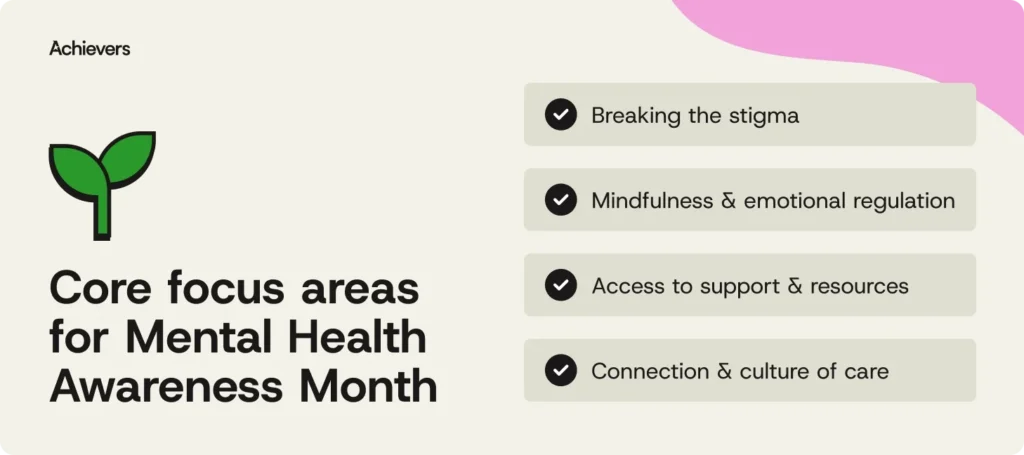
Each week of May is dedicated to a specific theme, building momentum and introducing actionable strategies as the month progresses. The overarching objective by the end of May is to foster open communication, disseminate valuable tools and resources, strengthen interpersonal connections, and firmly establish mental health and employee wellbeing as shared organizational priorities.
Week 1: Initiating the Conversation – "Let’s Talk About It"
The foundational step in addressing mental health in the workplace is to break the silence. Stigma has historically prevented many individuals from vocalizing their struggles. Week 1 is dedicated to creating a safe and inclusive space for open dialogue, focusing on authentic, judgment-free conversations rather than formal therapeutic interventions.
Ideas for Week 1:
- Leadership-led Discussions: Encourage senior leaders to share personal experiences (where appropriate and comfortable) or to openly discuss the importance of mental health, setting a tone of vulnerability and authenticity.
- Anonymous Q&A Sessions: Facilitate anonymous question-and-answer sessions where employees can submit questions about mental health, stress, and coping mechanisms, which can then be addressed by HR or mental health professionals.
- "Coffee Chat" Prompts: Provide conversation starters for informal team gatherings or one-on-one check-ins that encourage open-ended discussions about workload, stress levels, and general wellbeing.
- Stigma-Busting Campaigns: Launch internal campaigns using posters, intranet articles, or social media posts that challenge common misconceptions about mental illness and highlight the prevalence of these challenges.
- Introduction to Psychological Safety: Educate employees and managers on the concept of psychological safety, emphasizing its role in creating an environment where individuals feel safe to express themselves without fear of negative repercussions.
When individuals feel empowered to articulate their struggles by saying, "I’m struggling right now," it signifies the presence of psychological safety, a critical component in building a healthier and more resilient company culture.
Week 2: Developing Coping Mechanisms – "Find Your Calm"
Following the initiation of open dialogue, Week 2 focuses on equipping employees with practical, tangible tools to manage the everyday stressors of professional life. Cultivating skills in mindfulness and emotional intelligence is paramount in building resilience and enhancing focus.
Ideas for Week 2:
- Mindfulness and Meditation Workshops: Offer guided mindfulness sessions, meditation workshops, or access to meditation apps to help employees learn techniques for stress reduction and present-moment awareness.
- Stress Management Seminars: Conduct seminars focused on practical stress management strategies, including time management techniques, boundary setting, and effective communication skills.
- Emotional Intelligence Training: Provide workshops that enhance employees’ understanding and management of their own emotions, as well as their ability to recognize and respond empathetically to the emotions of others.
- Desk-Based Relaxation Techniques: Share simple, accessible techniques employees can practice at their desks, such as deep breathing exercises, short stretching routines, or guided imagery.
- Encouraging Breaks: Promote the importance of taking regular short breaks throughout the workday to step away from tasks, recharge, and prevent mental fatigue.
By the end of Week 2, employees should not only feel more comfortable discussing mental health but also actively engaged in developing personal habits that safeguard their mental wellbeing.
Week 3: Accessing Support – "Know What’s Here for You"
While raising awareness is crucial, ensuring access to resources is equally, if not more, important. Week 3 is dedicated to making certain that employees are fully aware of the support systems and benefits available to them and understand how to utilize them effectively. A common pitfall is the underutilization of employee benefits simply due to a lack of awareness.
Ideas for Week 3:

- Resource Fair: Organize a virtual or in-person resource fair where employees can learn about company-provided mental health benefits, Employee Assistance Programs (EAPs), insurance coverage, and community mental health services.
- Information Sessions on Benefits: Host dedicated sessions to clearly explain the specifics of mental health coverage, therapy benefits, and how to navigate the process of seeking professional help.
- Highlighting EAP Services: Conduct targeted communications that demystify Employee Assistance Programs, explaining the confidential nature of services and the wide range of support they offer, from counseling to financial advice.
- Guest Speakers: Invite mental health professionals or representatives from relevant organizations to share information and answer questions about mental health conditions and available treatments.
- Creating a Resource Hub: Develop a centralized, easily accessible online repository of all mental health resources, including contact information, links to support services, and educational materials.
The more accessible and transparent support feels, the more inclined employees will be to reach out for assistance when they need it.
Week 4: Building a Sustainable Culture – "Connection & Culture of Care"
Ultimately, lasting change is rooted in culture. To conclude Mental Health Awareness Month, the focus shifts to fostering deeper connections among employees and reinforcing the message that mental health is not a transient initiative but an integral part of the company’s ongoing operations. This week is about celebrating progress and demonstrating a sustained commitment to employee wellbeing.
Ideas for Week 4:
- Team-Building Activities: Organize activities that promote social interaction and camaraderie, focusing on collaborative and inclusive experiences that help build stronger relationships.
- Employee Recognition and Appreciation: Implement a robust employee recognition program that acknowledges contributions and fosters a sense of value, which is intrinsically linked to mental wellbeing.
- Wellness Challenges: Initiate fun, engaging wellness challenges that encourage healthy habits and team participation, such as step challenges, hydration goals, or mindfulness streaks.
- Storytelling and Shared Experiences: Create platforms for employees to share positive experiences related to mental health support or their journeys towards wellbeing, further normalizing these conversations.
- Commitment to Continued Support: Clearly communicate ongoing plans and commitments to mental health initiatives beyond May, reinforcing that wellbeing is a year-round priority.
A true culture of care is cultivated over time, not within a single week. However, Week 4 serves as a crucial inflection point, setting the tone for embedding employee wellness as an everyday reality.
Launching a Successful Mental Health Awareness Month: Planning and Promotion
Executing a meaningful Mental Health Awareness Month requires thoughtful preparation, but it need not be an overwhelming undertaking. The following strategies can ensure the month is both smooth and impactful:
- Form a Dedicated Committee: Assemble a diverse team comprising representatives from HR, leadership, and various employee groups to spearhead planning and execution.
- Develop a Clear Communication Plan: Outline how initiatives will be communicated, the channels that will be used (e.g., email, intranet, team meetings), and the frequency of updates.
- Secure Leadership Buy-In: Ensure active participation and visible support from senior leadership, as their endorsement lends significant weight and credibility to the initiatives.
- Gather Employee Feedback: Solicit input from employees regarding their needs and preferences for mental health support to tailor the month’s activities effectively.
- Allocate a Budget: Determine the financial resources required for workshops, speakers, materials, and any external resources needed to support the month’s activities.
- Pilot Programs: Consider piloting certain initiatives with smaller groups before a full-scale rollout to gauge effectiveness and make necessary adjustments.
- Measure Impact: Establish metrics to track the success of Mental Health Awareness Month, such as employee participation rates, feedback surveys, and changes in reported stress levels or engagement.
Through meticulous planning and strategic promotion, organizations can cultivate a month that not only raises awareness but also inspires enduring positive change in workplace culture.
Sustaining Mental Health Beyond May: Integrating Wellness into Daily Operations
Mental health should not be treated as a one-off campaign; it demands a year-round commitment to integrate wellness practices into the fabric of everyday work culture. The momentum generated during May needs to be sustained through consistent effort and embedded into the organization’s core values and practices.
- Ongoing Training for Managers: Equip managers with the skills to recognize signs of distress, have supportive conversations, and direct employees to appropriate resources.
- Regular Check-ins: Encourage managers to conduct regular, informal check-ins with their team members, focusing on workload, wellbeing, and any potential challenges.
- Flexible Work Policies: Implement and promote flexible work arrangements where feasible, acknowledging that work-life balance is a critical component of mental wellbeing.
- Promote Work-Life Boundaries: Actively encourage employees to disconnect after work hours and discourage a culture of constant availability.
- Integrate Wellness into Performance Reviews: Consider incorporating aspects of employee wellbeing and support into performance discussions, framing it as a holistic approach to professional development.
- Continuous Resource Updates: Regularly update and promote the availability of mental health resources, ensuring employees are always aware of the support systems in place.
- Foster Social Connection: Continue to create opportunities for employees to connect and build relationships, as strong social bonds are a protective factor for mental health.
Sustained momentum is a direct result of consistency. By weaving care into the company culture throughout the year, organizations can ensure that mental wellbeing remains a priority beyond any single observance.
Making Mental Health an Integral Part of Everyday Culture
Mental health is not a fleeting "May theme"; it is a perpetual commitment that requires ongoing dedication. While the outlined roadmap provides a valuable starting point, its true impact lies in the ability of organizations to adapt it to their specific workforce and commit to its long-term implementation.
Employee recognition programs, such as those offered by Achievers, play a pivotal role in this endeavor. These programs facilitate the celebration of progress, highlight incremental successes, and reinforce a culture where care is not merely encouraged but is an ingrained expectation.
By leading with empathy, committing to the cultivation of psychological safety, and embedding mental health as a daily organizational priority, companies can foster an environment where everyone thrives. This symbiotic relationship benefits not only individual employees but also the overall health and success of the business.
Mental Health Awareness Month FAQs
-
What is the primary goal of Mental Health Awareness Month?
The primary goal is to reduce stigma, increase awareness of mental health conditions, advocate for improved mental healthcare, and promote proactive mental wellbeing practices. -
How can workplaces effectively participate in Mental Health Awareness Month?
Workplaces can participate by initiating open conversations, offering educational resources, promoting available support systems, and integrating mental wellbeing into their company culture. -
What are the benefits of a mentally healthy workplace?
Benefits include increased employee engagement, higher productivity, improved morale, reduced absenteeism and turnover, and a stronger overall company culture. -
How can companies ensure mental health initiatives are sustained beyond May?
Sustainability is achieved by embedding wellness practices into daily operations, providing ongoing training, fostering open communication channels, and maintaining leadership commitment. -
What is psychological safety in the workplace?
Psychological safety refers to an environment where employees feel safe to take interpersonal risks, such as speaking up with ideas, questions, concerns, or mistakes, without fear of negative consequences.