As 2023 transitioned into 2025, a significant number of large corporations across various sectors began to rigorously enforce return-to-office (RTO) policies, signaling a profound shift in the labor market. This trend, widely observed and analyzed by researchers, including those at Glassdoor, indicated a rebalancing of power, tilting decisively in favor of employers after years of unprecedented employee leverage during and immediately following the COVID-19 pandemic. While many organizations viewed the resurgence of the physical office as an essential component for fostering collaboration, preserving company culture, and justifying substantial real estate investments, a distinct counter-narrative emerged from companies like Mindr, an Iowa-based parent company of substance detection, monitoring, and safety firms. Mindr has not only resisted the prevailing RTO tide but has actively embraced and championed a "remote-first" operational model, transforming what others perceived as a temporary solution into a foundational business advantage and a unique opportunity for growth.
The Shifting Sands of Corporate Work: RTO Mandates and the Employer-Led Resurgence
The period between 2020 and 2022 witnessed a dramatic, largely involuntary, global experiment in remote work. Driven by public health imperatives, companies swiftly adapted, sending millions of employees home. This period inadvertently empowered the workforce, leading to phenomena like the "Great Resignation," where employees, having experienced the flexibility and autonomy of remote work, demanded more from their employers, including the option to continue working remotely. Studies by organizations like Gallup consistently showed that a significant majority of employees preferred a hybrid or fully remote arrangement, citing improved work-life balance, reduced commuting stress and costs, and greater productivity.
However, by late 2023 and intensifying into 2025, the pendulum began to swing back. Major tech giants, financial institutions, and consulting firms, among others, started issuing increasingly strict RTO mandates. Companies like Google, Amazon, JPMorgan Chase, and Starbucks, to name a few, communicated expectations for employees to be in the office for a minimum number of days per week, often citing reasons such as enhancing innovation through in-person interaction, strengthening team cohesion, and ensuring mentorship opportunities for junior staff. Beneath these stated reasons, industry analysts also pointed to the financial pressures of underutilized office spaces and a perceived need for greater managerial control in a tightening economic climate. Glassdoor’s research highlighted that this employer-driven market shift made it easier for companies to enforce RTO without fear of mass resignations, as the job market became more competitive. The message was clear: the era of abundant flexibility, often seen as an employee "perk," was drawing to a close for many.
Mindr’s Unconventional Path: A Remote-First Model Thrives Amidst Office Returns
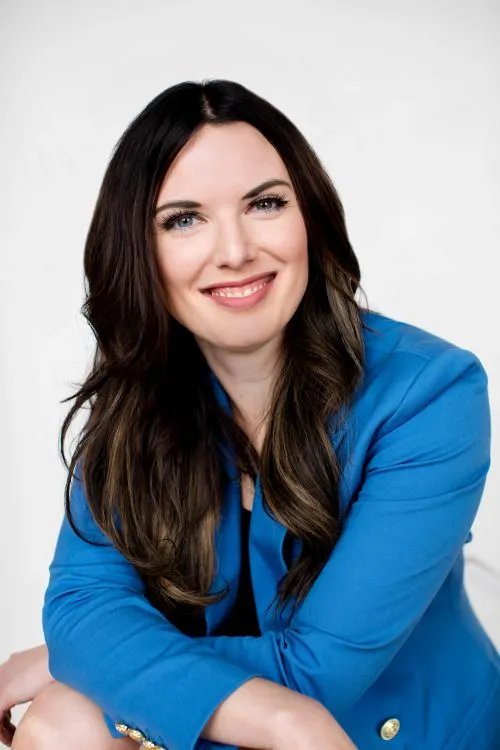
Amidst this widespread corporate pivot back to traditional office structures, Mindr, headquartered in Urbandale, Iowa, stands out as a compelling anomaly. The company, which oversees several critical firms in substance detection, monitoring, and safety, has cultivated a deeply ingrained "remote-first" culture. This isn’t a post-pandemic adaptation but a long-standing strategic decision. Amanda Sedars, Mindr’s Chief Human Resources Officer (CHRO), articulates this philosophy clearly, stating, "We’ve doubled our head count not by telling people where to be but by meeting them where they are." This approach has enabled Mindr to build a distributed workforce spanning all 50 U.S. states, Washington, D.C., and Puerto Rico, accessing a talent pool far broader than any geographically constrained model could offer.
A key indicator of Mindr’s success in fostering a supportive and effective remote environment is its consistent recognition as a "Best Place for Working Parents" for five consecutive years. Sedars attributes this accolade directly to the company’s remote-friendly culture, which prioritizes flexibility and support for employees managing both professional responsibilities and caregiving duties. This commitment translates into tangible benefits, allowing employees "the freedom to be both a high achiever and a present parent or caregiver at the same time." This contrasts sharply with the challenges faced by working parents in companies enforcing RTO, who often struggle with increased commuting times, childcare logistics, and the financial burden of external care.
A Decade of Foresight: Mindr’s Pre-Pandemic Commitment to Flexibility
Mindr’s embrace of remote work predates the global health crisis, showcasing a remarkable foresight that positioned the company for sustained success. As CHRO Amanda Sedars elaborated in an interview, "Before the pandemic, we were already about 50% remote first. Our competitors treated that flexibility as a pandemic-era emergency break. But we had already known it to be a long-term accelerator and continue to treat it as such." This historical context is crucial; for Mindr, remote work was never a temporary measure or a reactive response but a deliberate, strategic choice embedded in its operational DNA.
This foundational commitment allowed Mindr to navigate the pandemic-induced shifts with minimal disruption, while many traditional organizations grappled with sudden transitions to remote work, investing heavily in new technologies and processes. Mindr’s existing infrastructure and cultural norms meant they could continue their growth trajectory uninterrupted, leveraging their established remote capabilities. This strategic advantage has been instrumental in the company’s impressive performance metrics.
Sustained Growth and Recognition: A Model for Success
The tangible results of Mindr’s remote-first strategy are compelling. Over the past three years, the company has successfully doubled its headcount, demonstrating robust expansion in a period marked by economic uncertainties and fluctuating labor market dynamics. This growth is not an isolated phenomenon; Mindr has maintained an impressive seven years of consecutive growth, a testament to the efficacy and sustainability of its business model.
Sedars starkly contrasts Mindr’s trajectory with that of companies adopting rigid RTO policies: "We’ve seen that traditional companies are losing elite talent to those rigid RTO mandates – so we’re talent snagging." This observation underscores a critical implication of the current labor market landscape. As major corporations mandate office returns, highly skilled professionals, particularly those with caregiving responsibilities or those who simply thrive in flexible environments, are actively seeking employers who align with their preferred work styles. Mindr has strategically positioned itself as an attractive destination for this talent, transforming the broader industry trend into a direct competitive advantage. The company’s ability to attract and retain top-tier professionals by offering genuine flexibility has fueled its expansion and solidified its reputation as an employer of choice.
Beyond Proximity: Mindr’s Operational Philosophy and Employee Support Systems
Mindr’s success with a remote-first model isn’t simply about allowing employees to work from home; it’s underpinned by a comprehensive operational philosophy and robust support systems designed to ensure productivity, engagement, and well-being. Amanda Sedars clarifies that their approach is not "anti-RTO" but rather focused on results and employee empowerment. "We’ve never made the conversation specifically about RTO," Sedars states. "We don’t manage by people in seats; we manage by milestones met."
Managing by Milestones, Not Seats: The SMART Goal Approach
Central to Mindr’s management philosophy is a rigorous focus on outcomes. The company employs S.M.A.R.T. (Specific, Measurable, Achievable, Relevant, Time-bound) goals to define objectives and track progress, ensuring clarity and accountability across its distributed teams. This objective-driven approach allows leaders to assess performance based on tangible achievements rather than physical presence. Complementing this, biweekly one-on-one meetings between leaders and their direct reports provide consistent communication, feedback loops, and opportunities for guidance and support.
To counteract potential feelings of isolation or disconnection inherent in remote work, Mindr also enforces a "cameras on at all times" policy during virtual meetings. This simple yet effective practice ensures visual engagement, mimics the non-verbal cues present in in-person interactions, and fosters a sense of presence and connection among team members. "I still see all of the people who I work with, and they still see me," Sedars explains, highlighting its role in maintaining human connection. This combination of clear objectives, regular check-ins, and visual engagement helps build a cohesive and high-performing remote workforce. "We intentionally built a business that fits into real life. When you support the person, the work takes care of itself," Sedars summarizes, emphasizing the human-centric core of their strategy.
Empowering Caregivers: Comprehensive Benefits and Financial Relief
Mindr’s commitment to supporting its employees extends far beyond flexible work arrangements, particularly for those with caregiving responsibilities. The company has consciously structured its benefits and policies to ensure that "talent doesn’t have to choose between a paycheck and a loved one’s care." This ethos is critical in a society where caregiving burdens disproportionately affect women and often lead to career interruptions or reduced work hours. By empowering employees to integrate work with life’s demands, Mindr taps into a broader and more diverse talent pool that might otherwise be marginalized by traditional office structures.
A significant aspect of this support is the elimination of hidden costs associated with traditional employment. Sedars notes, "We’re allowing our team to invest the time and money that they would spend commuting directly into their families. It’s really about protecting employees’ bottom lines by removing those hidden costs." These "hidden costs" include not only transportation expenses (fuel, public transit fares, vehicle maintenance) but also time spent commuting, which could otherwise be dedicated to family, personal well-being, or skill development. Additionally, the company offers a robust suite of core benefits, including expanded mental health and employee assistance programs, alongside specific child care and elder care support programs. These comprehensive offerings directly address common stressors faced by caregivers, reinforcing Mindr’s position as a truly supportive employer.
Leadership by Example: Cultivating a Culture of Trust
For flexibility to truly thrive within an organization, it must be genuinely embraced and modeled by leadership. Mindr exemplifies this principle, with its executives actively demonstrating the company’s commitment to work-life integration. "Leaders have to be able to live that," Sedars asserts. "We don’t just say you have flexibility – we mean it. It’s about intentionality."
A poignant example shared by Sedars illustrates this commitment. An executive, keen to return to work, offered to cut her maternity leave short after eight weeks. However, Mindr’s CEO intervened, encouraging her to take the full 12 weeks. "If an executive can step away that long, so can you, and everything will be okay," the CEO conveyed, sending a powerful message throughout the organization that family and personal well-being are genuinely valued and supported at the highest levels. This kind of leadership action builds trust, reduces anxiety, and encourages all employees to utilize the benefits and flexibility available to them without fear of professional repercussions.
The Business Case for Flexibility: Profitability, Productivity, and Talent Advantage
The debate surrounding remote work often frames flexibility as a "perk" or a concession, but Mindr’s experience fundamentally challenges this perspective. For Amanda Sedars and her leadership team, flexibility is not merely an employee benefit; it is a core driver of profitability and sustained growth.
Snagging Talent in a Competitive Landscape
In the current employer-friendly market, where many companies are leveraging their power to dictate terms like RTO, Mindr’s remote-first approach becomes a significant competitive advantage in talent acquisition. As Sedars points out, they are "talent snagging" from companies that are losing elite professionals due to rigid RTO mandates. This strategy allows Mindr to access a wider, more diverse talent pool, including individuals who might be geographically constrained, have unique caregiving needs, or simply prefer the autonomy of remote work. By attracting these high-achieving individuals who are often overlooked or alienated by traditional structures, Mindr enhances its workforce quality and gains a distinct edge in innovation and productivity.
Challenging the Cyclical Nature of the Labor Market
The talent market is inherently cyclical, oscillating between periods favoring employees and those favoring employers. While the current environment leans towards employers, Sedars remains optimistic about the enduring value of flexibility. "If you’re truly focused on the bottom line and what you can do to maintain productivity and growth, flexibility should always be popular," she states. For Mindr, flexibility is intertwined with profitability. It reduces overhead costs associated with physical office space, broadens access to talent, and enhances employee retention, thereby lowering recruitment and training costs. This pragmatic view positions flexibility not as a trend-dependent benefit but as a fundamental component of a resilient and profitable business strategy. "Our way to get to profitability also aligns with our mission of caring for people. From my perspective, that should always be in vogue. That should always be how we lead," Sedars emphasizes, highlighting the synergy between their values and their financial success.
The CHRO’s Mandate: Building a Resilient Business
For other CHROs who aspire to integrate flexibility into their organizational culture but face resistance from C-suites, Sedars offers practical and data-driven advice. The key, she suggests, is to build a compelling business case using traditional HR metrics. "It’s up to us to make the case. You can use historic, traditional HR metrics to tell that story, like turnover," Sedars advises. High employee turnover is a measurable and costly problem for any business, impacting productivity, morale, and recruitment expenses. By demonstrating how flexibility can significantly reduce turnover rates, CHROs can present a clear financial argument for their proposals.
Moreover, Sedars points to Mindr itself as living proof of this concept. "We are living, growing proof that when a company can ease the caregiving crisis for its employees, it doesn’t just become a nice place to work; it creates a more resilient, higher performing and more profitable business." This assertion provides a powerful blueprint: by investing in employee well-being and providing genuine flexibility, companies can cultivate a more engaged, loyal, and ultimately more productive workforce. This approach moves beyond the "perk" mentality, repositioning flexibility as a strategic imperative for long-term business resilience and financial success.
Looking Ahead: The Enduring Value of People-Centric Strategies
Mindr’s steadfast commitment to a remote-first, people-centric model offers a potent counter-narrative to the prevailing corporate trend of RTO mandates. In a labor market increasingly dominated by employer preferences, Mindr demonstrates that prioritizing employee flexibility and support is not a concession but a strategic advantage that drives growth, attracts top talent, and fosters a resilient, high-performing culture. As the debate over the future of work continues, Mindr’s journey serves as a compelling case study, suggesting that companies focused on genuine flexibility and employee well-being may ultimately be better positioned for sustained success, regardless of market cycles. The company’s experience underscores the enduring value of leadership that aligns profitability with a mission of caring for its people, advocating for a future where adaptability and empathy are not just desirable traits, but essential business strategies.