New research indicates that Human Resources and talent acquisition professionals are significantly overestimating the prevalence of AI-driven cheating among job candidates, revealing a notable disconnect between perception and actual evidence. A comprehensive study conducted by Clevry, a prominent talent solutions provider, found that while a substantial 62% of surveyed professionals "believed" candidates were leveraging artificial intelligence to manipulate assessment outcomes, only a much smaller fraction—26%—reported having encountered tangible proof of such misconduct. This disparity suggests that the prevailing concern is rooted more in widespread apprehension and speculative anxieties surrounding emerging technologies than in concrete, observed realities within the recruitment landscape.
The findings, encapsulated within Clevry’s "State of AI in Talent Assessments 2026" report, underscore a critical need for a more data-driven and nuanced understanding of AI’s role in the hiring process. Dr. Alan Redman, Clevry’s chief science officer and a distinguished work and organisational psychologist, articulated this discrepancy, stating, "There’s a growing perception that AI is fuelling widespread cheating in recruitment, but the reality is far less dramatic. The concern is being driven more by anxiety than actual evidence." He further emphasized that "The industry’s fear of AI-enabled cheating is out of proportion to what’s actually happening. Most of the data we’ve seen suggests prevalence is relatively low, certainly far lower than people assume." This perspective frames the current apprehension not as an unfounded fear, but as an overblown reaction to a new technological frontier, drawing parallels to historical anxieties surrounding new tools in various domains.
Dr. Redman also contextualized the issue by reminding stakeholders that "Cheating in recruitment isn’t new. AI is just the latest tool people might use, much like asking a friend for help in the past." This observation is crucial for maintaining perspective, highlighting that the fundamental challenge of ensuring assessment integrity predates the advent of generative AI. Historically, candidates have employed various methods to gain an unfair advantage, ranging from rote memorization of common interview questions, plagiarism in written assignments, seeking external assistance for take-home tests, or even exaggerating qualifications on resumes. The emergence of AI tools like ChatGPT, however, has introduced a new dimension to these concerns, primarily due to their perceived ability to generate sophisticated, human-like responses quickly and efficiently, potentially circumventing traditional assessment mechanisms designed to gauge individual capabilities.
The Rapid Rise of Generative AI and Initial Industry Reactions
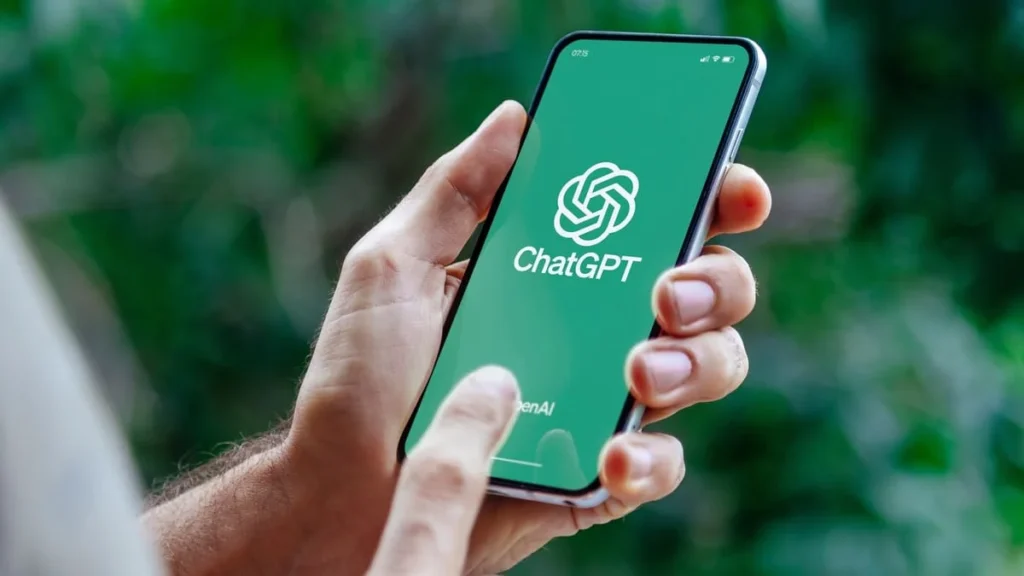
The landscape of talent acquisition, much like many other sectors, experienced a significant shift with the mainstream proliferation of generative AI tools. The release of ChatGPT by OpenAI in November 2022 marked a pivotal moment, making advanced AI capabilities accessible to the general public. This was quickly followed by other sophisticated models from Google (Bard/Gemini), Microsoft (Copilot), and various open-source initiatives, rapidly integrating AI into daily digital interactions. For the recruitment industry, these tools immediately sparked both excitement and apprehension.
On one hand, AI offered unprecedented opportunities for streamlining processes, enhancing candidate experience through personalized communication, and improving efficiency in tasks like resume screening and scheduling. On the other hand, the ease with which these tools could generate coherent text, answer complex questions, and even write code raised immediate flags regarding assessment integrity. Educators and employers alike grappled with the implications of candidates potentially using AI to complete assignments, essays, or technical tests without genuinely demonstrating their own skills. Early reports, often anecdotal, fueled a narrative of widespread academic dishonesty and professional fraud, contributing to the heightened "perception" of AI cheating that Clevry’s research now challenges. Many organizations rushed to explore or implement AI detection software, mirroring the efforts seen in educational institutions, often without fully understanding the actual scale of the problem or the limitations of such detection tools.
Distinguishing Assistance from Deception: A Critical Nuance
A key aspect explored in the report and echoed by industry experts is the distinction between using AI as an aid and using it to cheat outright. Claudia Nuttgens, global head of assessment and selection consulting at AMS, articulated this crucial nuance. She acknowledged that "some assessment approaches are more susceptible to candidate use of ChatGPT than others," and that AMS is actively "working with clients to think about how you deter, spot and prevent ChatGPT use where appropriate." However, she also highlighted a forward-thinking perspective: "To some extent we are also exploring how you allow for candidate use of ChatGPT in new approaches to assessments as using AI is going to become a huge component of many people’s working lives."
This perspective aligns with Dr. Redman’s observation regarding the paradoxical nature of AI skills. He noted, "There is an irony here as the same tools candidates might use to ‘game’ the process are often the skills employers are actively looking for." He elaborated, "Being able to use AI effectively, for example structuring information or writing strong prompts, is increasingly a valuable workplace skill and not necessarily something to penalise." This raises a fundamental question for recruiters: if proficiency in AI tools—such as crafting effective prompts for information synthesis or content generation—is a desirable skill for a role, should its use in an assessment be automatically classified as cheating, or should it be viewed as an early demonstration of a relevant competency?

This suggests a shift from outright prohibition to strategic integration. For roles where AI literacy is beneficial, assessments could be designed to evaluate how effectively a candidate uses AI, rather than attempting to detect its mere presence. For instance, a candidate might be asked to use an AI tool to summarize a complex document and then critically evaluate the AI’s output, or to generate a draft and then refine it, demonstrating their judgment and editing skills. This approach moves beyond the "arms race" mentality, as Dr. Redman puts it, where "As new tools emerge, people will try to use them, but assessment methods evolve just as quickly to keep pace."
Evolving Assessment Design and Effective Deterrents
The Clevry report proposes that the risk of cheating, whether AI-enabled or otherwise, can be effectively managed through superior assessment design and the implementation of simple, yet robust, deterrents. This strategy moves away from a reactive, punitive stance towards a proactive, preventative one.
Several methodologies can enhance assessment integrity in the age of AI:
- Shift to Application-Based and Scenario-Driven Assessments: Instead of relying heavily on knowledge-recall questions or generic problem-solving, assessments can focus on real-world scenarios that require critical thinking, judgment, and the application of skills in a dynamic context. AI tools are excellent at synthesizing existing information but often struggle with nuanced judgment, ethical dilemmas, or creative problem-solving in novel situations.
- Live, Proctored Environments: For certain critical skills, conducting assessments in supervised settings, either in-person or via remote proctoring software, can significantly reduce opportunities for external assistance, including AI. This ensures that the work submitted is genuinely the candidate’s own.
- Adaptive Testing: Assessments that adjust difficulty based on a candidate’s responses can make it harder for AI tools to provide consistent, accurate answers, as the context and specific requirements change dynamically.
- Focus on Process, Not Just Product: For tasks involving creative output or problem-solving, recruiters can ask candidates to document their thought process, iterations, and decision-making. This provides insight into their unique approach, which AI tools cannot easily replicate.
- Follow-up Interviews and Verification: Any assessment, particularly those conducted asynchronously, should ideally be followed by an interview where candidates can elaborate on their answers. Skilled interviewers can identify inconsistencies or a lack of deep understanding that might suggest external assistance. Asking "how did you arrive at that solution?" rather than just "what is the solution?" can be very revealing.
- Personalized and Unique Questions: Generating unique questions for each candidate, or drawing from a vast question bank, makes it difficult for AI models to have pre-existing answers or for candidates to share solutions.
- Time-Constrained Assessments: While not foolproof, imposing reasonable time limits can reduce the window for candidates to effectively use AI tools, especially for complex tasks that require multiple prompts and iterations.
- Clear Communication of Expectations: Explicitly stating guidelines regarding the acceptable use of AI (if any) during assessments can manage expectations and deter misuse. Transparency builds trust and reduces ambiguity.
Implications of the Perception-Reality Gap for HR Practices
The overestimation of AI cheating carries several significant implications for HR and talent acquisition strategies:
- Misallocation of Resources: If HR departments are overly concerned about AI cheating, they might invest heavily in expensive AI detection software or overly complex proctoring solutions that may not be necessary or effective. These resources could otherwise be better utilized in refining assessment methodologies, improving candidate experience, or developing more effective talent pipelines.
- Negative Candidate Experience: An atmosphere of distrust, fueled by an exaggerated perception of cheating, can lead to overly stringent, invasive, or punitive assessment processes. This can create a hostile environment for candidates, potentially deterring highly qualified individuals who value a respectful and transparent hiring journey. Candidates might feel unfairly scrutinized or that their integrity is questioned from the outset.
- Missed Opportunities for Innovation: Focusing solely on prevention can overshadow the potential for AI to positively transform recruitment. By resisting AI’s integration, HR teams might miss opportunities to leverage these tools for efficiency gains, enhanced analytics, and more objective screening processes.
- Stifling of Desirable Skills: As Dr. Redman highlighted, penalizing effective AI usage might inadvertently screen out candidates who possess a highly valuable, future-proof skill. In an increasingly AI-driven workplace, the ability to collaborate effectively with AI tools will be crucial for productivity and innovation across many roles.
- Erosion of Trust and Employer Brand: A company known for its overly suspicious or punitive hiring practices can damage its employer brand. In a competitive talent market, reputation for fair and forward-thinking recruitment practices is a significant advantage.
Future Outlook: Towards Strategic Integration and Ethical AI in Talent Acquisition
The trajectory of AI in talent acquisition points towards a future where strategic integration, rather than outright rejection or excessive fear, will be paramount. The Clevry report serves as a timely reminder for organizations to recalibrate their perspectives and move beyond anxiety-driven reactions.
Looking ahead, several key areas will define the responsible and effective use of AI in recruitment:
- Developing Robust Ethical Frameworks: As AI becomes more embedded in hiring, establishing clear ethical guidelines for its use by both employers and candidates will be critical. This includes transparency about AI’s role in assessments, ensuring fairness and mitigating bias, and respecting candidate privacy.
- Continuous Learning and Adaptation: The AI landscape is evolving at an unprecedented pace. HR professionals must commit to continuous learning, understanding the capabilities and limitations of new AI tools, and adapting their assessment strategies accordingly. This means staying informed about AI’s advancements, its potential for misuse, and innovative ways to leverage it responsibly.
- Prioritizing Human Skills: While AI can automate many tasks, it cannot replicate uniquely human attributes like empathy, creativity, critical judgment in complex social contexts, or nuanced interpersonal communication. Future assessments will increasingly focus on evaluating these irreplaceable human skills, which AI can augment but not replace.
- Collaboration with AI Developers: HR leaders should engage with AI developers and talent solution providers to shape the next generation of AI tools, ensuring they are designed with ethical considerations, fairness, and assessment integrity built-in from the ground up.
- Fostering an AI-Literate Workforce: Organizations have a responsibility to not only adapt their hiring practices but also to train their existing workforce in AI literacy. This prepares employees for an AI-integrated future and fosters a culture where AI is seen as a powerful assistant rather than solely a threat.
In conclusion, Clevry’s research offers a crucial evidence-based perspective, urging HR and talent professionals to move beyond exaggerated fears of AI-driven cheating. While vigilance is always necessary, a balanced approach that distinguishes between genuine fraud and legitimate AI assistance, coupled with innovative assessment design and a focus on essential human and AI-collaboration skills, will be vital for building resilient, fair, and effective talent acquisition strategies in the evolving digital age. The goal remains to identify the best talent, and that means understanding how candidates truly demonstrate their capabilities, with or without the aid of increasingly sophisticated tools.